What You Need to Know About Beaver Dam Removal

Beaver dams are quite impressive, but they are also a nuisance in many residential and commercial areas of Nashville. If you are a property owner who is dealing with a beaver population near your home or complex, it is in your best interest to equip yourself with the right critter control and wildlife abatement knowledge.

Continue reading to learn what you need to know about beaver dams, including how to remove a beaver dam that is damaging to your property in Tennessee.
Beaver Removal Nashville Tennessee 615-337-9165

Beaver Dams in Nashville Tennessee

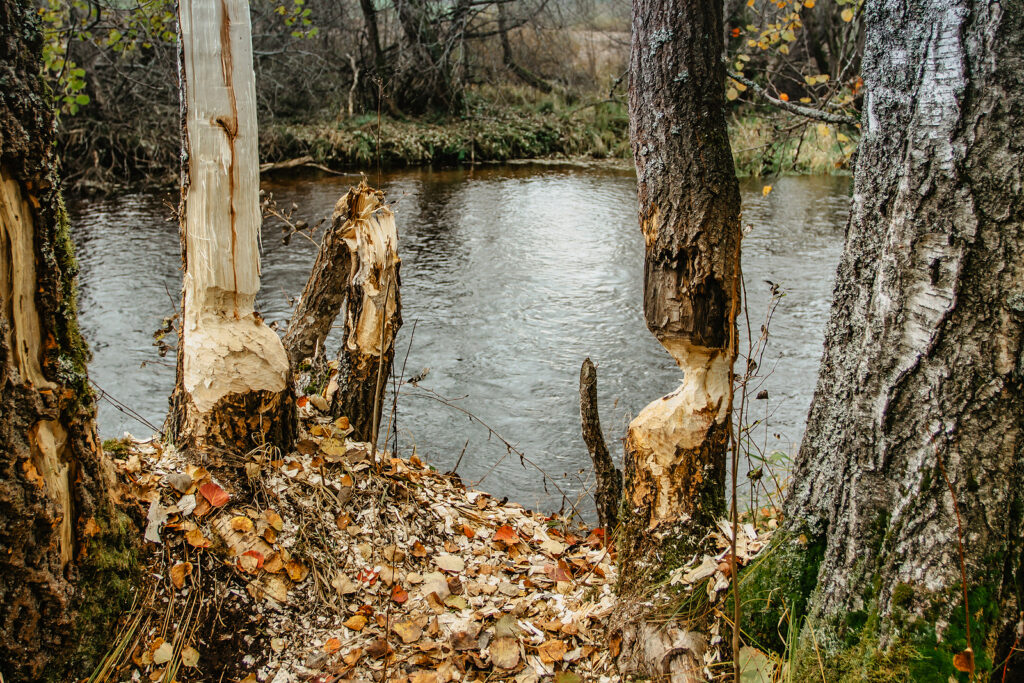
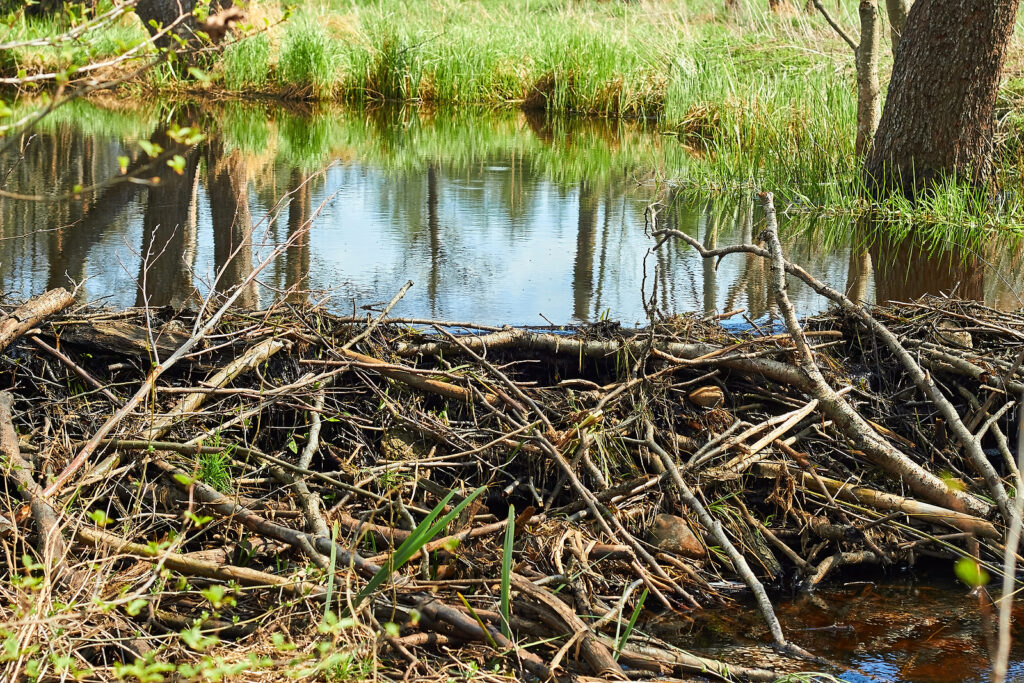
When you look at a beaver dam, you can see that beavers are skilled builders. With such skills comes durability, making it difficult to simply knock down and discard a beaver’s dam. Beaver dams are generally built from natural elements and materials like mud, logs, bark, twigs, stone, and really anything else they can find that will secure their structure to their liking.

They build these structures to reduce the flow rate of a streaming body of water, such as a river, stream, or creek. As a result, the dams create a stagnant pond or lake behind the flowing body of water, and they use this stagnant water to build their personal lodges. These lodges protect them from inclement weather, as well as predators like wild cats and coyotes.

Beaver Dam Removal Tips

So, you have a beaver dam on your property that is causing some destruction or inconvenience? You are not alone. Although beavers are Ecologically important, their dam structures aren’t always. However, you do not want to just go out there and start knocking down the dam. Here are some methods to consider for removing a beaver dam:

Manual Removal

You can just go out there and start taking down the dam by hand, but keep in mind that some beaver dams are more complex or bigger than they appear. Furthermore, the project can be dangerous, especially on turbulent or large bodies of water. If you do take this route, be sure you are equipped with shovels, wood cutting tools, and protective gear. You will need to approach the project in steps, starting off with making 6 inch notches in the dam until the water can flow over.

Backhoe

You can rent a backhoe to remove a beaver dam. This method is one of the most effective. But, if the backhoe cannot make it to the edge of the dam safely, it is not the method to use. More importantly, a backhoe should only be operated by a certified professional.

Wildlife Removal

The best and most effective method of getting rid of a beaver dam is professional wildlife removal services. A Nashville critter control company retains all the professional training, licensing, insurance, and equipment to safely take down a beaver dam, plus implement environmental modifications to keep beavers away for good. Additionally, they can relocate the beavers to a safe and faraway habitat.

Are you searching for licensed wildlife control professionals to get rid of nuisance beavers? Contact Budget Animal Removal at 615-337-9165 for TWRA licensed and insured Nashville, Tennessee beaver removal you can trust. We serve commercial and residential clients.

Related Posts:

What To Do if You Find a Dead Animal in the Yard
Common Household Ingredients That Will Repel Nuisance Wildlife
Are Woodchucks and Groundhogs the Same Species?

Tennessee Wildlife Removal and Control 615-337-9165

Why You Need to Get Rid of Raccoons Right Now

There are many reasons why you need to get rid of raccoons as soon as they begin to show signs of being a problem. Digging up lawns, pillaging gardens, plundering, pet food, infesting attics, soiling crawlspaces, and spreading disease are just some of the risks taken on by increasing recommend activity in your property. Such animal damages can lead to excessively high renovation bills, and worse, pose all sorts of health and safety risks.

As many already know, raccoons are known carriers of the Rabies virus, but also several other transmissible diseases, like leptospirosis, roundworm, distemper, lice, mites, fleas, ticks, and more. Needless to say, you do not want raccoons anywhere near your property. If there’s anything you can do about it. Fortunately, raccoon abatement and exclusion are possible with the right knowledge and methodologies.

Continue reading to learn more about why you need to get rid of raccoons right now and how to get started doing it today.

Indianapolis IN Raccoon Removal Company 317-875-3099

Raccoon Animal Damages

Damages can become extreme and require costly renovation and repairs if left alone for long periods of time. It only takes one season for a raccoon colony to cause a heap of destruction in your home. The combination of their urine, droppings, birthing debris, and decayed food scraps are known to cause unsightly leaks in the walls and ceilings, unbearable odors inside the home, and upper respiratory illnesses.

Raccoon Diseases and Parasites

Overall, their mere presence is a threat to your health since they are known carriers of several infectious and transmissible diseases. Common raccoon diseases include Rabies, distemper, Leptospirosis, roundworm, mange, lice, ticks, and fleas. These illnesses are threats to both people and pets, making adequate raccoon control a top priority in areas with large raccoon populations.

Animal Proofing Against Raccoons

For these reasons and more, it is important to get rid of raccoons immediately after discovering them on your property. If you have only spotted them outside, then it is best to have your home inspected for holes and vulnerable spots, and seal them up before winter is here. Then implement certain practices to keep raccoons away from your property, such as removing pet food from outside, locking trash can lids, installing motion sensor lighting, and more.

Do you have raccoons in the attic or raccoons disturbing your property? Contact Budget Animal Removal at 317-875-3099 for professional raccoon control in Indianapolis, Indiana. We provide residential and commercial services at the most competitive prices around.

Related Posts:

Is Your Home Vulnerable to Raccoon Intrusion?
Advice That Will Keep Pesky Raccoons Out of Your Garbage
What You Can Do About Winter Pest Problems

Budget Animal Removal

What You Need to Know About Beavers

Although you wouldn’t immediately think so, beavers are actually categorized as a common nuisance wildlife species here in Indiana. There are many land damages that can result from localized beaver activity, all of which can pose even more serious hazards and threats. Areas that are heavily populated with beavers should take extra precaution. This is especially true for homes and businesses located near moderately-large bodies of water, like streams and ponds.

Continue below to learn some important facts about beavers. Get to know them better so that you can better control their nuisance activities and behaviors.

Beaver Critter Control Indianapolis Indiana 317-875-3099

Facts About Beavers You Should Know

If you live in an area populated by beavers, these are the facts you need to know. Understanding beaver lifestyle and behavior can help you better protect your property from animal damages.

Beaver Biology

Are beavers rodents? Yes, they are! The American Beaver, scientifically called Castor canadensis, is actually the largest rodent in North America. In fact, they are the second largest rodent in the entire world! Beavers are indeed large, capable of reaching 70 pounds or more in adulthood. As semi-aquatic mammals, they spend the majority of their time in and around water.

Beaver Reproduction

A fun fact about beavers is that they mate for life. Once a male and female partner up, they stick together forever! They birth their young in the late spring, usually around May. Their offspring, called kits, are born with a full set of teeth, a coat of fur, and open eyes. In fact, they are swimming within the first 24 hours! Within two years, young beavers take on an adult role and venture out on their own.

Beaver Behavior

They are a family-oriented species, so if you see one, there are definitely more. Beavers tend to stick in pods of 8 to 10, but that number can fluctuate depending on the local regional conditions. As a family-friendly species, beavers are also protective and territorial, often marking local mud puddles with their urine.

Beavers are mostly nocturnal, meaning they are active between the hours of dusk and dawn. During this time, they forage for food, add onto their dams, and build underwater canal systems. Beavers are herbivores, meaning they only eat plant matter. They chew and gnaw down trees and take twigs back to their lodges for food storage.

Nuisance Beaver Control

Beavers are known for their dams, which they build in streams to make a pond. This can be a big problem in urban and metro areas. Their underwater canal systems can also do quite a bit of destruction to the local lands. Their dams can cause flooding, destroy creeks and streams, and even kill trees. How can you stop a nuisance beaver problem? Sometimes, beavers are too destructive, and must be trapped and relocated, but in most cases, beavers can be a beneficial asset with the right animal control and mitigation plan in place.

Are you ready to talk to a licensed wildlife professional about your beaver abatement options? Contact Budget Animal Removal at 317-875-3099 for trusted and affordable critter control for beavers in Indianapolis, Indiana. We serve residential and commercial clients. Request a free quote, anytime.

Related Posts:

The Basic Facts You Want to Know About Beavers
Be On the Lookout for Beaver Dam Problems This Fall
Where to Get Fast and Affordable Wildlife Removal in Indiana

Budget Animal Removal

Top 3 Signs That There is a Dead Animal Close By

A dead animal is essentially a rotting carcass full of evolving bacteria, viruses, and other dangerous microorganisms. If you ever spot a dead animal carcass, whether a small bird or a roadside buck, it is important to keep clear and if necessary, notify the proper wildlife and gaming authorities in town. Whether out on a walk in the neighborhood, trailing along your favorite community hiking path, biking in the park, or strolling within the boundaries of your own backyard, you may come across some common signs of a nearby dead animal. Although it is best to stay away from a dead animal, if you do come across one, you should know what to do.

Continue below to learn the top three signs that indicate the presence of a dead animal within your proximity, plus what to do if you come across one.

Nashville Dead Animal Removal 615-337-9165

How to Tell if There is a Dead Animal in Range

A dead animal carcass produces a lingering, foul smell, as well as pest outbreaks and scavenger activity. If you spot one or more of these signs, you can safely assume there is a dead animal carcass somewhere, close within range.

Dead Animal Smell

The most distinctive and distinguishable sign of a nearby dead animal is the smell. If you have ever smelled rotten meat, you have come close to experiencing the smell of a deceased carcass. Imagine that smell, but 100 times more putrid. Once you have smelled dead animal smell, you will never forget the odor. Furthermore, the smell can travel quite a distance, up to 20 feet or more, often making it the first noticeable sign of a nearby dead animal.

Pest Outbreaks

If you are out walking or biking, and you come across a massive swarm of insects or ants, it could very well be due to a nearby dead animal. Flies, gnats, and ants are common pest outbreaks that occur near or on a dead animal carcass. Flies lead to maggots, too. If you notice a large accumulation of insects or pests like these, you would not be far off to assume that there is a dead animal somewhere close by.

Scavenger Activity

A dead animal is a perfectly convenient meal for many other living ones. Animals like rats, crows, hawks, vultures, coyotes, and sometimes opossum are prevalent scavengers, and will quickly jump on the opportune meal if they cross paths with another dead animal. If you notice heightened activity of these scavenger species, they could be attracted to a carcass.

What to Do if You Find a Dead Animal

If you ever come across dead animal, just stop right there. Stay away from it. Do not attempt to touch it or use an object to move it. To be safe, maintain a 3 foot distance from the dead animal carcass. If you are out in nature, just leave it alone and let nature take its course. Dead animals play an important role in the Eco-system.

If the dead animal is on your property within areas frequented by people or pets, moving it is probably the best choice. You can choose to do this yourself by using dead animal relocation best practices, such as placing a shoe box on top, sliding the lid underneath to secure it, and burying it deep into the ground somewhere far away from your property. Or, you can hire professional dead animal removal services. The latter is strongly encouraged.

Are you having trouble taming the nuisance wildlife around your property? Contact Budget Animal Removal at 615-337-9165 for TWRA licensed and insured animal removal services in Nashville, Tennessee. We serve residential and commercial clients.

Related Posts:

What To Do if You Find a Dead Animal in the Yard
How to Protect Your House From Nuisance Wildlife in Tennessee
Types of Dangerous Parasites Found in Raccoons

Tennessee Wildlife Removal and Control 615-337-9165

Is a Ringtailed Cat a Raccoon?

The quick answer to this question is, yes. Continue reading to learn more about the Ringtailed Cat, and how they relate and differ from their distance relative, the raccoon.

Raccoon Control Indianapolis Indiana 317-875-3099

Facts About Ring-Tailed Cats

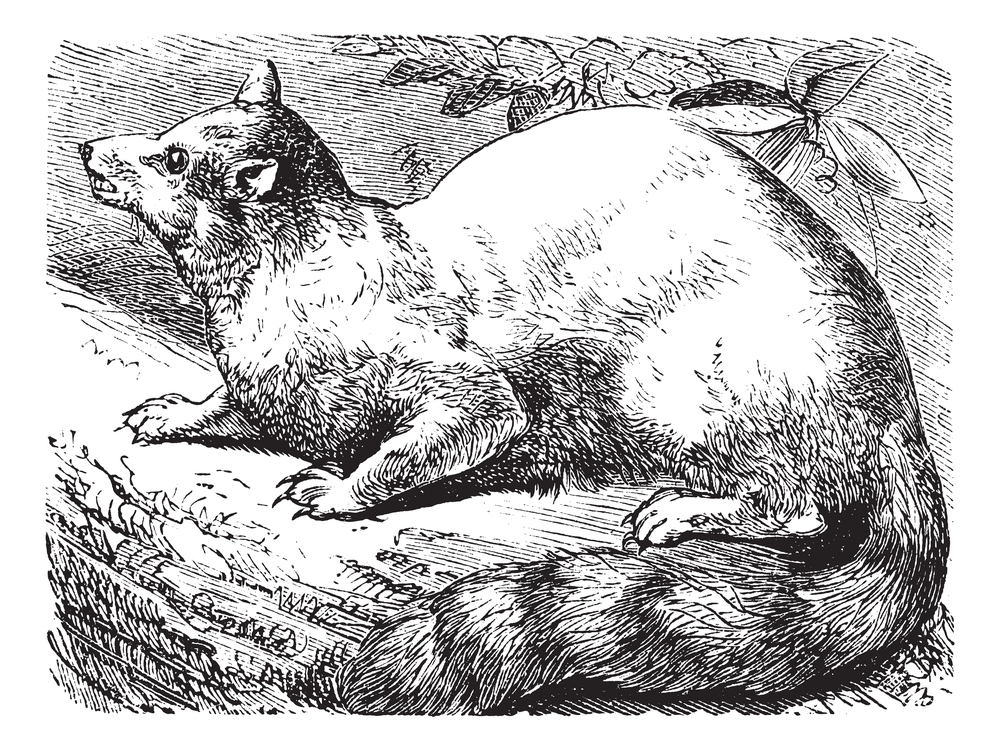
The Ringtailed is a mammal that is a part of the raccoon family, Procyonidae. They are scientifically known as Bassariscus astutus, and sometimes referred to as “miner’s cat” or “bassarisk.” Although they are much different from the common raccoon we know, you would be surprised to learn that they are similar in many respects, including appearance, behavior, diet, and more.

Appearance

Ringtailed cats have upright ears, pointy snouts, long whiskers, and large black eyes that are surrounded by light-colored fur. Their bodies are covered in a semi-soft, thick fur that comes in various shades, ranging from buff and beige hues to dark browns and black.

Their most distinguishable trait is their raccoon-like black and white striped tail. It is longer than their actual body, usually between 14 and 16 inches. They use it for balance, camouflage, and protection from predators. It is the trait that gives them their name. And they also have short, straight, semi-retractable claws that aid in climbing.

As for size, adults are generally similar in size to a standard house cat. From head to rear (not to tail), they range between 12 and 17 inches, and weigh on average between 1.5 to 3.5 pounds. 

Diet

Like their relative, the raccoon, they are omnivores, which means they eat both meat and vegetation. Meat choices include bugs, small mammals, and small invertebrates, such as insects, fish, frogs, snakes, lizards, mice, rats, rabbits, and even ground squirrels. While vegetation includes seeds, plant matter, berries, juniper, persimmons, nectar, prickly pear, and more. They will eat whatever is in season and readily available to them.

Behavior

Ringtails are nocturnal, just like raccoons. They have terrific hearing and vision, which allows them to navigate in the dark and forage for food. They use a series of barking, clicking, and chattering sounds just like raccoons as well.

They are quite solitary too, usually going about their business alone until mating season in spring. They are hardly seen around human activity and keep their distance as much as possible. Their primary predators vary from region to region, but include bobcats, coyotes, foxes, owls, hawks, and more.

Reproduction

Spring is mating season for Ringtailed cats. Males care for females during their gestation period, which lasts an average of 45 to 50 days. They bring them food and protect them from predators. Females generally give birth to 1 or 2 baby ring tailed cats, called pups.

After a month, pups will open their eyes. From there, they will stay with their mother until they can hunt for themselves. This usually takes place between 4 and 6 months, but sexual maturity isn’t reached until 10 months. After that, ring tails live in solitude until it is time to mate.

Are raccoons becoming a nuisance around your residential or commercial property in Indiana? Contact Budget Animal Removal at 317-875-3099 for DNR licensed and insured racoon control in Indianapolis and its surrounding counties. Request a free estimate or advice, today!

Related Posts:

Top Recommended Raccoon-Proofing Strategies
Should I Be Afraid of Wild Raccoons on My Property?
Can I Contract an Infection From a Raccoon?

Budget Animal Removal

Chipmunk Facts That Will Help You Protect Your Home and Garden

Winter is almost here. In fact, tomorrow is the official first day of winter! If you love the cooler season here in Indiana, then you have much to look forward to. But as a respectable homeowner, be sure to watch out for winter pests, like chipmunks! This time of year, chipmunks tend to cause a load of problems for homeowners. If you are struggling with a nuisance chipmunk population near your home, it is time to fortify your animal control arsenal with some seasonal animal-proofing tactics.

Continue below to learn some helpful facts about chipmunks that can in turn, help you better protect your home and gardens, year-round!

Chipmunk Removal Control Indianapolis IN 317-875-3099

Chipmunk Facts You Might Not Know

Chipmunks are part of the Sciuridae family, just as squirrels! So yes, they are technically rodents. Like other rodents, they dig underground burrows where they store their food reserves. This can serve as a problem for homeowners come spring, when they realize they have a soft, bouncy lawn.

As omnivores, chipmunks eat a variety of foods, from seeds and nuts to grass, flowerbeds, mushrooms, insects, worms, and even small frogs or freshly hatched the birds. In the situation of nuisance chipmunks, they leave anything you are growing in your garden, including fruits, vegetables, and grains.

Adult chipmunks are pretty much solitary, and travel alone most of the year. Once mating season arrives, they partner up to breed, but then part ways once again. However, if you find a chipmunk burrow or system of tunnels, it is likely that more than one chipmunk resides inside.

Chipmunk Removal and Control

Chipmunks sure are cute, especially as babies. But regardless of their fluffiness and quirky behaviors, chipmunks do not make great house guests, let alone visitors to your lawn. Chipmunks can be quite destructive, even more so if they access the interior of your home.

This time of year, chipmunks are looking for warm and safe shelter to wait out the winter season. This might be a hollowed tree, gutter, birdhouse, or your attic! In the spring and summer, you can expect localized chipmunk populations to be after your gardens and flowerbeds, too!

If you are dealing with an increasing number of chipmunks on your property, now is the time to take action. Animal-proofing is the best strategy for nuisance chipmunk control, which starts with environmental modification and professional wildlife removal assistance.

Are nuisance chipmunks a problem on your property? Or worse, do you suspect you have chipmunks in the attic or chimney? If so, contact Budget Animal Removal at 317-875-3099 for safe and humane chipmunk control service in Indianapolis, Indiana. We serve residential and commercial clients.

Related Posts:

How to Get Rid of Nuisance Chipmunks
How to Protect Your Car From Animal Damages in Winter
Is it Safe to Feed the Animals Around My House?

Budget Animal Removal

Common Signs That You Have Bats in the Attic

Your home is your sanctuary. You expect to be in full control of its overall structural integrity. So, when you suspect that bats are roosting in your attic quarters, it is important to act fast. The longer bats reside inside your house, the more damage they will cause. Not only do bats cause a massive amount of structural damage, but they also generate an unsanitary and unhygienic environment that can lead to serious health complications. If these risks weren’t bad enough, bats are also known carriers of several infectious diseases, including the Rabies virus.

Not sure if bats are an issue in your home? It is better to be on top of your animal-proofing than to be too late. Continue reading to learn the most common signs of bats in the attic so that you can catch an infestation early on and abate invasive repairs or threats to your health.

Bat Removal Nashville TN 615-337-9165

Bats are Dangerous and Destructive

You do not want bats as house guests. They are highly destructive, both inside and out. When bats are roosting in attics, they tend to rip away and soil all of the insulation, including insulation in wall voids. Their droppings will also saturate and soil floorboards and electrical wiring, which leads to ceiling and wall stains in the living areas of your home, lingering odors, and even fire hazards. Bats will also chew electrical wiring, which can pose all sorts of safety and structural catastrophes. If you store cherished belongings in your attic, they can destroy those too.

Additionally, bat poop, or guano, can grow fungal spores that can become airborne and travel through the home’s ductwork. This can cause a serious illness in both people and pets known as Histoplasmosis, an upper respiratory infection. Needless to say, you do not want a bat infestation anywhere near your home, especially inside your attic.  

What to Look For if You Suspect Bats in the Attic:

Strange Noises Overnight

Bats are nocturnal, so they are active from night until dawn. One of the most common signs of bats in the house is hearing strange noises inside the walls or ceiling. Such noises can be described as chattering, squeaking, squealing, or screeching. You may also hear shuffling as bats meander through the attic space.

Lingering Odors

As mentioned, bat droppings and urine can saturate the space they occupy. Once the accumulation has reached an absorbent amount, it can begin to leak through attic floorboards and into ceilings, walls, and even hanging artwork. Although the stains might not be apparent yet, a lingering odor usually is by this point. If you are detecting a foul smell in your home that you cannot identify, and it seems to be concentrated to one particular area, it could be bats in the attic.

Bat Droppings

Another common indicator of bats in the attic is guano sightings, typically around windowsills or near roof edges. If you notice guano around your attic vents or windows, on the roof, or even inside the attic, it could very well be from a localized bat infestation.

Do you think you might have bats in the attic or around your house? Contact Budget Animal Removal at 615-337-9165 for TWRA licensed and insured Nashville, Tennessee critter control for bats. We serve residential and commercial clients.

Related Posts:

2 Zoonotic Bat Diseases That Can Be Spread to Humans and Pets
What To Do if You Find a Dead Animal in the Yard
How to Protect Your House From Nuisance Wildlife in Tennessee

Tennessee Wildlife Removal and Control 615-337-9165

How to Protect Your Pets From Predator Birds

Predator birds, or birds of prey, are bird species that hunt and consume other small animals, such as rodents, rabbits, snakes, frogs, small birds, and sadly, small dogs and cats. That’s right; here in the Midwest, common birds of prey like hawks and vultures will purse an outdoor pet for an easy meal. Equipped with hook-tipped beaks and talons, a predator bird can swoop up your beloved furry friend in a matter of seconds.

For this reason, it is important to implement all the necessary strategies to protect your dogs and cats from becoming victims of a preying eagle or owl, especially in Indiana where these species are quite prevalent.

Continue reading to learn how to keep your pets safe from predator birds in Indiana.

Bird Control Indianapolis Indiana 317-875-3099

Birds of Prey in Indiana

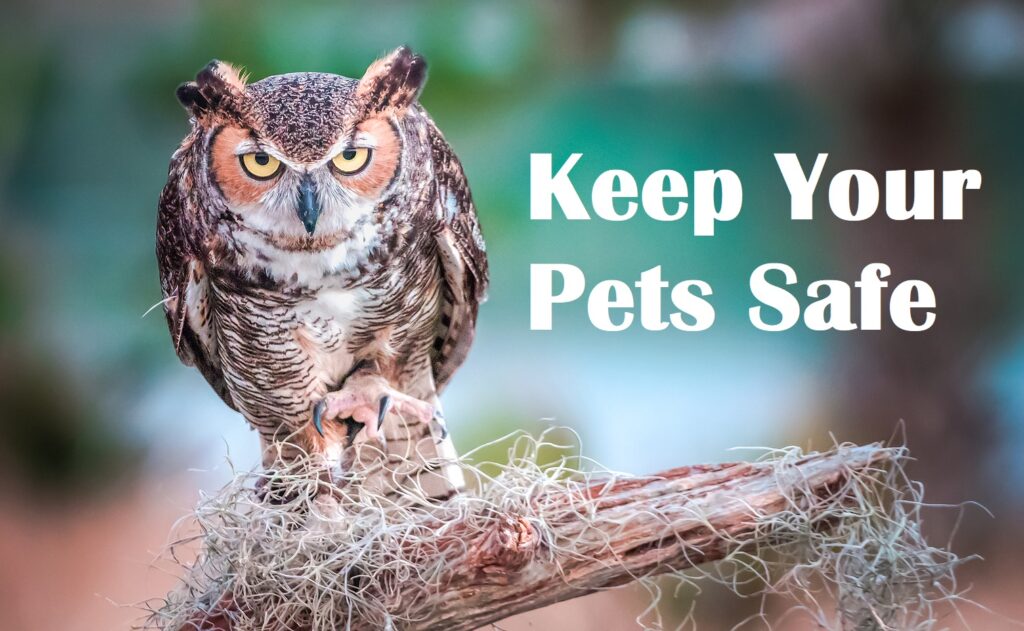
There are many species of birds of prey, but all can be categorized in one of two orders: Falconiformes (hawks, eagles, falcons, and vultures) and Strigiformes (owls). Falconiformes are diurnal species, meaning they are active during the daytime. Strigiformes, like Great Horned Owls, are nocturnal birds, and prey from dusk to dawn.

The most common predatory birds in Indiana are owls, hawks, eagles, vultures, and falcons. Specifically, the bird species to watch out for when it comes to protecting your pets include the Red-Tailed Hawks, Golden Eagles, and Great Horned Owls (pictured above). Puppies and kittens are at the most risk since they are the smallest and slowest.

The Best Protection Against Predator Birds

The best method for protecting your outdoor-loving pets from birds of prey in Indiana is bird abatement. You must modify your environment to keep the birds away as much as possible. Basically, you do not want your property to be an attractive spot for predator birds. Some common strategies for bird abatement include maintaining clean property grounds, installing bird control devices, staying on top of routine tree work, removing all bird feeders and baths, and incorporating a pest mitigation plan.

Clean Property – Keeping your property clear of debris can thwart other yard pests from coming through, like mice, rats, rabbits, and snakes. Without any places to hide, these pests will steer clear of your grounds, which means predator birds have nothing to prey on near your residence.

Bird Control Devices – There are several critter control devices and technologies that can displace or divert bird activity on your property. Such devices include ultrasonic repellents, reflective metal tape, bird spikes, bird nets, bird balloons, and scarecrow owls.

Tree Care – By keeping your landscaping trees properly trimmed and pruned all year long will abate bird activity because birds will have little privacy or available nesting areas.

Pest Control – You can take care of other pests on your property that attract birds of prey, like mice, rats, and snakes. Removing these critters will reduce the meal options in your area, thus triggering predator birds to move onto a more fruitful location.

Professional Bird Removal and Control

The most effective strategy for getting rid of nuisance or predator birds around your property is professional wildlife abatement. Professional critter control for birds provides a comprehensive program of protection and security, year-round. Consider them the efficient source for optimizing your bird control plan and budget.

Do you need to get rid of nuisance birds in Indiana? Contact Budget Animal Removal at 317-875-3099 for professional bird removal and control in Indianapolis, Indiana. We serve residential and commercial clients and offer animal cleanup services.

Related Posts:

5 Harmless Ways to Get Rid of Birds
Why are There So Many Birds on My Lawn?
The Most Effective Strategies to Get Rid of Snakes
3 Ways to Keep Nuisance Rabbits Away

Budget Animal Removal

Frequently Asked Questions About Muskrats

Is it a beaver? A rat? A rodent at all? Many people are confused about these semi-aquatic animals known as muskrats. If you are one of these people, then you are in the right place!

Continue below to review some of the most common questions and answers surrounding these interesting and misunderstood herbivore animals, including what to do if they have become a nuisance to your residential or commercial property.

Muskrat Trapping Indianapolis Indiana 317-875-3099

Muskrat FAQS You Want to Know

Are Muskrats Rodents?

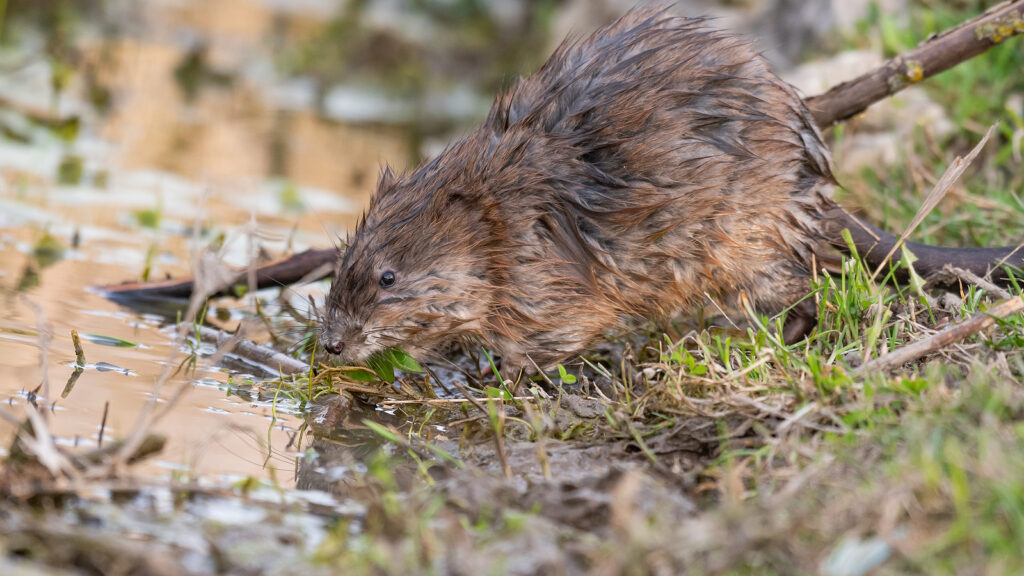
Muskrats (Ondatra zibethicus) are semi-aquatic rodents. That’s right; rodents. They are members of the “Rodentia” order, which they share with several other species of rodent. As semi-aquatic animals, muskrats live near bodies of water. This includes rivers, marches, swamps, lakes, canals, and even drainage conduits.

If the area has 4 to 6 feet of slow-moving, calm waters and abundant vegetation, you are likely to find evidence of muskrat activity. In marshes, they build dome-shaped lodges made of plants that can span up to 6 feet across or more! These lodges can have inner chambers, portals, and underwater access holes. In other habitats, like rivers and lakes, they dig burrows in the banks for shelter.

What Does a Muskrat Look Like?

They are an average of 1 to 2 feet long, with stocky bodies, round heads, thick fur, and long black scaly tails. Their tails can reach lengths between 7 and 12 inches long! And more interestingly, their tails are laterally-flattened, meaning they are vertically flat.

This style of tail works like a rudder on a boat, helping them swim through water with speed and agility. Their rear webbed feet are a big help with this too. They also have long sharp front teeth that allow them to rip through meat and plant fibers with ease. They can even use their chompers effectively under water!

What Do Muskrats Eat?

Muskrats, as semi-aquatic animals usually do, eat mostly an aquatic-based diet. They are crepuscular foragers, meaning they are active during the dawn and dusk hours of the day; and they are omnivores as well, eating fish, shellfish, and amphibians, as well as cattails, sedges, and other aquatic vegetation.

In detail, they eat snails, crayfish, mussels, clams, frogs, fish, cattails, and more. Once they find their food, they take it to a communal platform (made of mud and plants and usually out in the water) to store it there for later. This is their feeding station where they can enjoy their meals without fear of predators or thieves.

Do Muskrats Have Predators?

Like many animals, muskrats have to watch out for predators preying on them. Although minks and otters are the most common predators of muskrats, other species of wildlife also hunt them, including flying predators like eagles, hawks, owls, and osprey, as well as grounded ones like raccoons, coyotes, and foxes.

How Do I Get Rid of Muskrats That are a Nuisance?

Muskrats can become a nuisance animal on your property in many ways. Mostly, they burrow excessively around or along riverbanks and reservoirs, damaging shorelines, dams, and levees. This can lead to property flooding, excess water runoff, and ecological and agricultural implications.  

To get rid of muskrats that are disturbing your property, you will need to hire a professional Indianapolis critter control company to implement some strategic environmental modifications. Such modifications may include lowering the water level of your pond and live animal trapping and relocation.

Are you looking for a safe and humane way of dealing with nuisance muskrats on your Indiana property? Contact Budget Animal Removal at 317-875-3099 for professional critter control for muskrats in Indianapolis and its surrounding regions. We serve residential and commercial clients.

Related Posts:

Basic Facts About Muskrats That Can Help You Protect Your Property
What You Can Do About Winter Pest Problems
Be On the Lookout for Beaver Dam Problems This Fall

Budget Animal Removal

Top Recommended Raccoon-Proofing Strategies

Raccoons are known to use our homes and outdoor spaces as a source for food and shelter. Because they are excellent climbers and retain dexterous paws for gripping, clasping, and grabbing, raccoons are highly capable of accessing any area they choose, and even more capable of causing extreme damage and mayhem. If you live in a region with heightened raccoon activity, it would be wise to consider animal-proofing. Start by incorporating some preventative maintenance systems around your property to build a basic level of animal intrusion and tampering security.

Continue reading to learn some top-recommended animal-proofing strategies that will protect your home and property against nuisance raccoons.

Get Rid of Raccoons Indianapolis Indiana 317-875-3099

How to Get Rid of Raccoons

There are several ideas homeowners and raccoon control specialists have thought of to keep raccoons away and stop them from getting inside our homes. Most of these remedies have proven to be quite effective as long as they are executed properly.  Never, under any circumstances, attempt to catch, trap, harm, or kill a raccoon.

If you already have raccoons in your house and need them removed, contact a licensed and insured Indianapolis critter control company for 24 hour emergency animal removal service for raccoons. They will use safe and humane methods to extract raccoons and transport them to a faraway habitat.

Animal Proofing Tips for Raccoon Control:

Homemade Raccoon Repellent

These homemade, nontoxic raccoon repellents do not harm raccoons, but they will irritate their senses and disgust their taste buds. Tastes, scents, and sensations that are most hated by raccoons include ground red pepper, ammonia, cinnamon, paprika, eucalyptus, menthol, and black pepper. Add these ingredients into a spray bottle filled with water, or simply sprinkle a mixture around the perimeter of your property and in areas of heightened raccoon activity.

Store-Bought Animal Repellent

If you do not wish to make your own repellent, there are a few store-bought products that work just as well. One such product is called, “Shake Away”. It is a granular predator urine-based product. You apply it the same as the homemade repellent mixtures.  It gives off the scent of predator urine, such as fox, coyote, and bobcat; making raccoons and other critters believe there is danger nearby. This product is worth the extra money because it stays in place longer. It will not wash right away in rain or bad weather. They do not smell or create a mess either.

Exterior Sealing and Fortification

Windows, porch cracks, garage doors, sheds, barns, and more need to be inspected to ensure there are no access areas or vulnerable spots. As mentioned before, raccoons have very dexterous paws and can manipulate door handles and pry open windows and more. It is vital to have a professional inspect your home entirely to be sure there are no access points that a raccoon can enter through. If there are, these spots need sealed right away. Included in this inspection are also roof shingles, crawl spaces, attics, and even children’s jungle gyms.

Environmental Modification

Environmental modification means making changes to your surrounding environment by removing anything that might attract raccoons to your premises, namely food, water, and shelter. For example, do not leave your trash or garbage outside overnight. Raccoons are nocturnal and will smell your trash from a mile away. This is like leaving out a free meal for the local raccoon colony. Always take trash out the morning of garbage pickup day. Also, do not leave pet food dishes outdoors. Raccoons love pet food because it is a protein-rich tasty meal to them. They love it and will remember to come back for it, night after night.

► Professional Raccoon Control Service

Are you looking for a more professional and advanced approach to long-term raccoon control? Contact Budget Animal Removal at 317-875-3099 to get rid of raccoons in Indianapolis, Indiana at a price you can afford. We serve residential and commercial clients.

Related Posts:

Current Efforts to Reduce Rabies in U.S. Racoon Populations
Advice That Will Keep Pesky Raccoons Out of Your Garbage
The Average Cost of Raccoon Removal Service

Budget Animal Removal