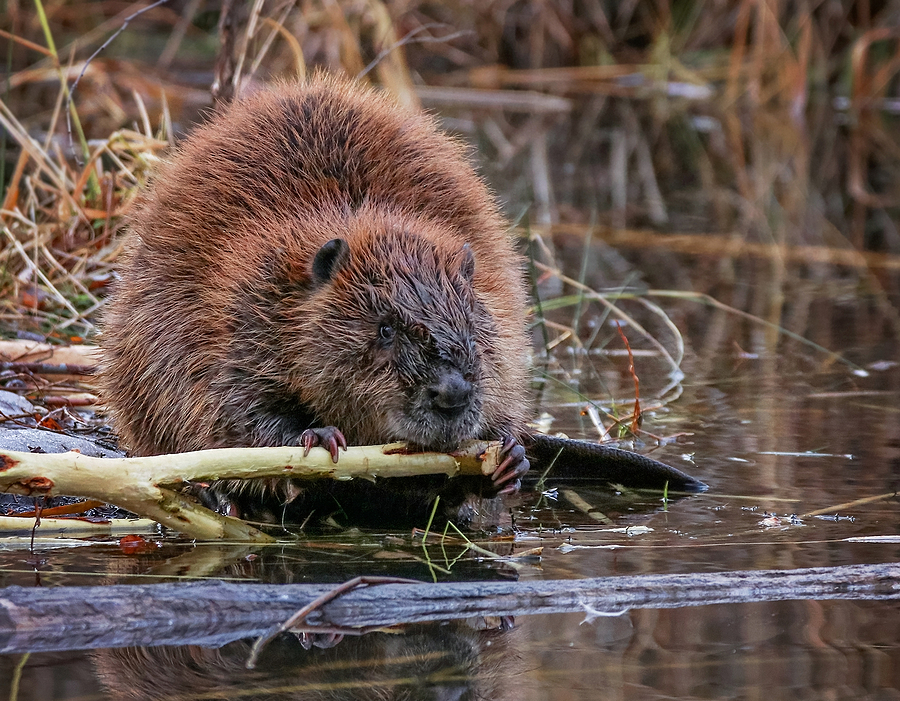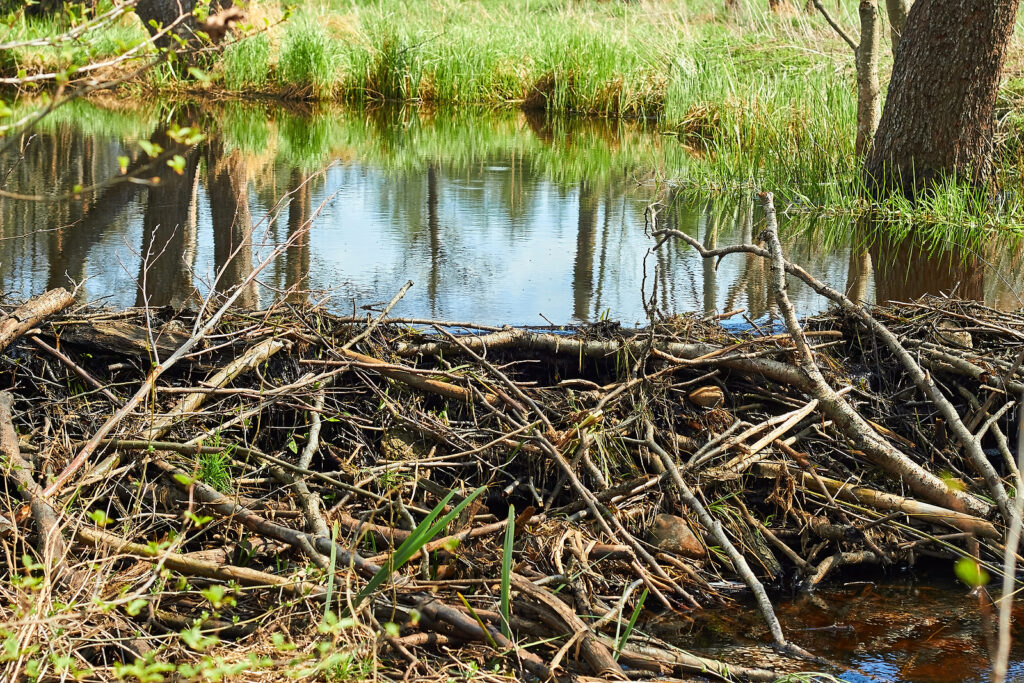
Beavers are remarkable animals—nature’s engineers, capable of reshaping entire waterways with nothing but instinct and determination. But when a beaver colony sets up shop near your home or farmland, that same ingenuity can quickly become a serious problem. Flooded yards, downed trees, and blocked drainage systems are just a few of the issues that can follow.
Knowing when to take action—and when to call in a professional—can save you from costly property damage and legal headaches down the road.
Why Beavers Build Dams
Natural Instincts at Work
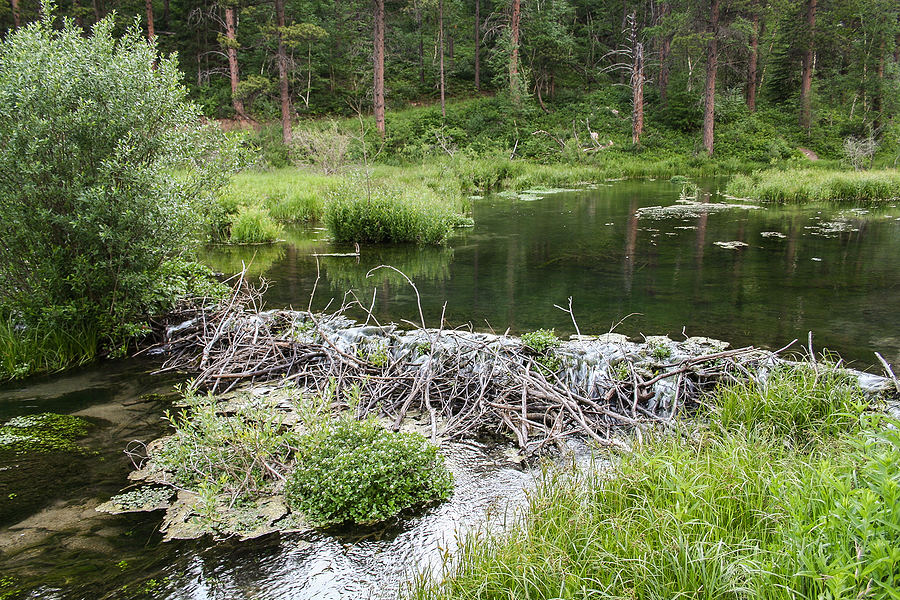
Beavers build dams to create deep water habitats where they can safely build their lodges and store food. This is pure instinct. The sound of running water triggers their drive to block streams and channels, and they won’t stop until the noise does. A colony can construct a dam overnight, and they’ll repair it just as fast if it’s disturbed.
Structural Engineering You Wouldn’t Expect
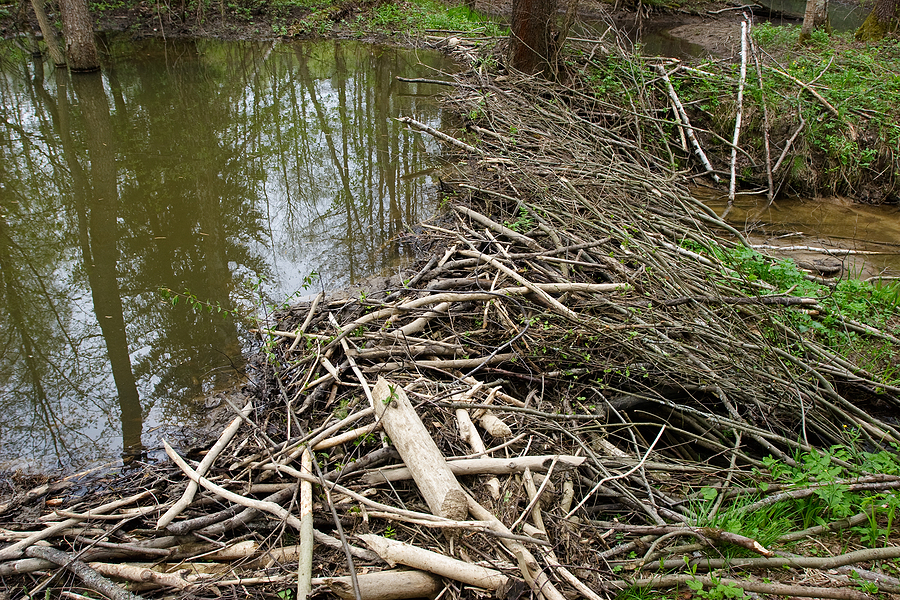
Beaver dams are deceptively complex. Built from branches, mud, and debris, they can be surprisingly resilient—strong enough to hold back significant volumes of water. A single beaver colony can dramatically alter the flow of a creek or drainage channel, sometimes turning dry land into swampland within a matter of weeks.
Signs You Have a Beaver Problem
Water Backup and Flooding
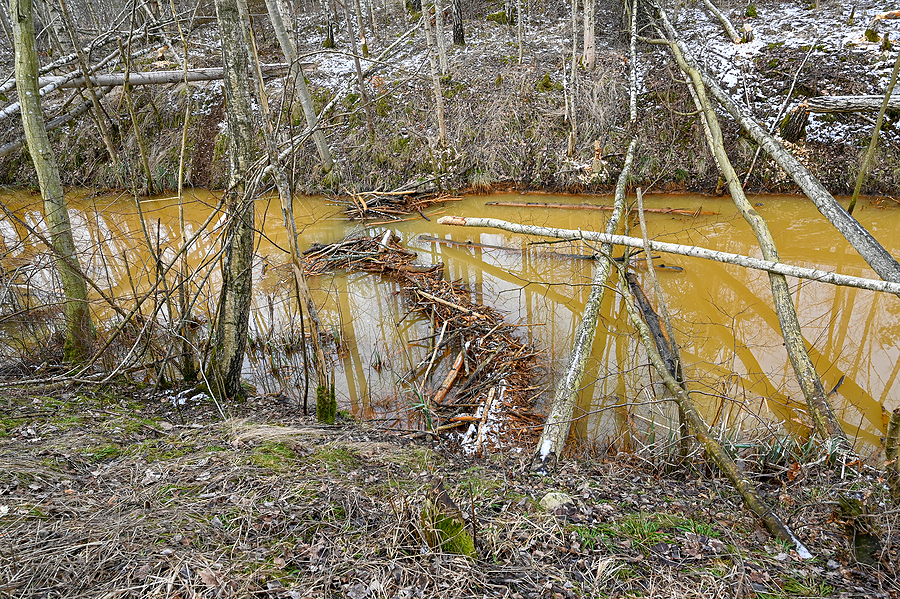
One of the earliest and most obvious signs is unexpected flooding. If water is pooling in areas of your yard or fields that previously stayed dry, a beaver dam upstream may be the culprit. You might also notice a new pond forming near a creek or stream on your property.
Tree Damage and Felling
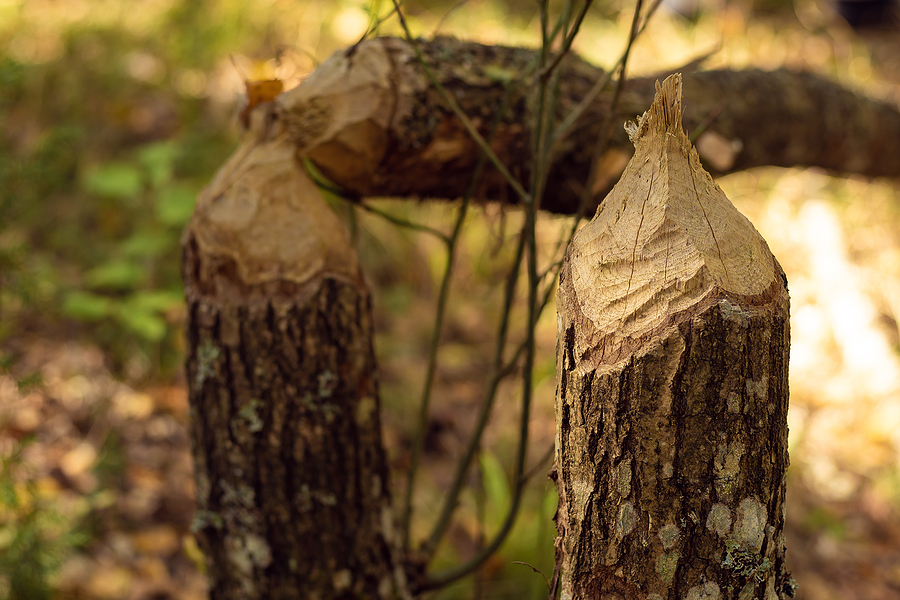
Beavers rely heavily on trees to build and maintain their dams. Look for trees with gnawed, pencil-sharpened stumps near water sources. They prefer species like oaks, maples, and willows, and a single colony can take down a surprising number of trees in a short period.
Dam Construction on Your Land
Sometimes the dam itself is visible. Check along any streams, ditches, or culverts on your property for piles of sticks, mud, and branches that are backing up water. If a culvert or drainage pipe is suddenly blocked, beaver activity is a likely cause.
Property Damage Caused by Beaver Dams
Flooding of Basements and Landscaping
Beaver dams block the natural flow of water, and that water has to go somewhere. Backed-up water can seep into basements, saturate landscaping, and flood crop fields—making large sections of land temporarily or permanently unusable. According to wildlife management resources, flooded farmland is one of the most costly consequences of unmanaged beaver activity.
Tree Loss and Ground Erosion
Beyond the immediate tree loss, heavy flooding caused by beaver dams can erode topsoil, destabilize riverbanks, and weaken the ground around structures like barns, sheds, and even home foundations. Beavers also dig burrows into riverbanks, which can further compromise soil stability over time.
Infrastructure and Road Damage
Beavers frequently target culverts and drainage systems near roads and driveways. When these become blocked, water overflows onto roadways—washing out gravel, eroding shoulders, and potentially damaging bridge supports. Repairs to road infrastructure damaged by beaver flooding can run into the thousands of dollars.
Stagnant water is another side effect worth noting. When water flow slows or stops, it creates standing pools that attract mosquitoes and can harbor harmful bacteria—a risk to both people and livestock.
When to Call a Wildlife Control Expert
Safety Comes First
Attempting to remove a beaver or dismantle an active dam without proper training carries real risks. Beavers are larger than most people expect, and they can be aggressive when cornered. Beyond the physical risk, improper removal methods can worsen flooding, cause structural collapses, or send the problem to a neighboring property.
Indiana Laws and Permit Requirements
Beaver removal in Indiana is regulated, and it’s important to know the rules before taking action. Under Indiana law, beavers are classified as furbearers. According to Purdue University’s Extension program, landowners can trap and remove beavers outside of the regular hunting and trapping season without a permit—but they must notify their local DNR Conservation Law Enforcement Officer within 72 hours of taking an animal. Removed animals must either be released within the county of capture or humanely euthanized.
Non-landowners and professional wildlife control operators must obtain a DNR Nuisance Wild Animal Control Permit from the Indiana Division of Fish and Wildlife. Licensed operators are required to pass a written examination and complete ongoing continuing education to maintain their credentials. Working with a licensed professional ensures the removal is handled legally and correctly.
Humane Trapping and Relocation
Licensed wildlife control experts use humane, regulated trapping methods that minimize stress and harm to the animal. Professionals understand the behavioral patterns of beaver colonies and know how to target the right animals without disrupting the broader ecosystem unnecessarily. This matters both ethically and legally.
Equipment and Expertise That Makes a Difference
Professional wildlife control operators come equipped with the right tools—live traps, flow devices, and protective gear—that aren’t readily available to the average homeowner. They can also assess the full scope of the problem, including any secondary damage to drainage systems or structures, and recommend long-term prevention strategies.
DIY vs. Professional Beaver Removal
The Risks of Handling It Yourself
Homeowners who attempt beaver removal on their own often underestimate the complexity of the situation. Dismantling a dam without a plan can cause sudden, severe flooding downstream. Trapping without proper equipment can result in an injured animal, a legal violation, or simply an empty trap while the beavers continue building elsewhere. Improper removal can also expose people to disease.
Why Professional Services Deliver Better Results
A trained wildlife control professional doesn’t just remove the beaver—they address the root conditions that attracted the animal to your property in the first place. This might include installing a flow device to manage water levels without fully removing the dam, or recommending tree-protection measures to discourage future activity. The result is a more complete, more durable solution.
Frequently Asked Questions
How long does beaver removal take?
The timeline varies depending on colony size and site conditions. In many cases, a professional can begin trapping within days of the initial assessment. Full removal of a small colony typically takes one to two weeks, though larger or more complex situations may take longer.
Are beaver traps humane?
Yes—when set by a licensed wildlife control professional. Regulated trapping methods are designed to minimize animal distress. Your operator can explain exactly which methods they use and why.
Can beavers return after removal?
They can, especially if the habitat conditions that attracted them remain unchanged. A professional will typically recommend preventative measures—such as tree guards, flow devices, or habitat modifications—to reduce the likelihood of beavers returning.
What should I do if I see a beaver on my property?
Don’t attempt to approach or handle it. Note where you saw it and check for signs of dam construction or tree damage nearby. Then contact a licensed wildlife control professional to assess the situation.
Protect Your Property Before the Damage Grows
Beaver activity rarely stays contained. What starts as a small dam in a drainage ditch can escalate into widespread flooding, structural damage, and significant repair costs if left unaddressed.
If you’re dealing with beaver activity on your Central Indiana property, Budget Animal Removal is here to help. Our team provides safe, humane, and fully licensed beaver trapping and control services—giving you peace of mind and protecting your land from further damage. Contact us today to schedule an assessment.
Related Posts:
Nuisance Beavers: Protecting Your Property from Flooding and Damage
Understanding Beavers: Nature’s Ecosystem Engineers
All You Need to Know about Beaver Removal and Control