Indianapolis Opossum Control for Homes and Businesses

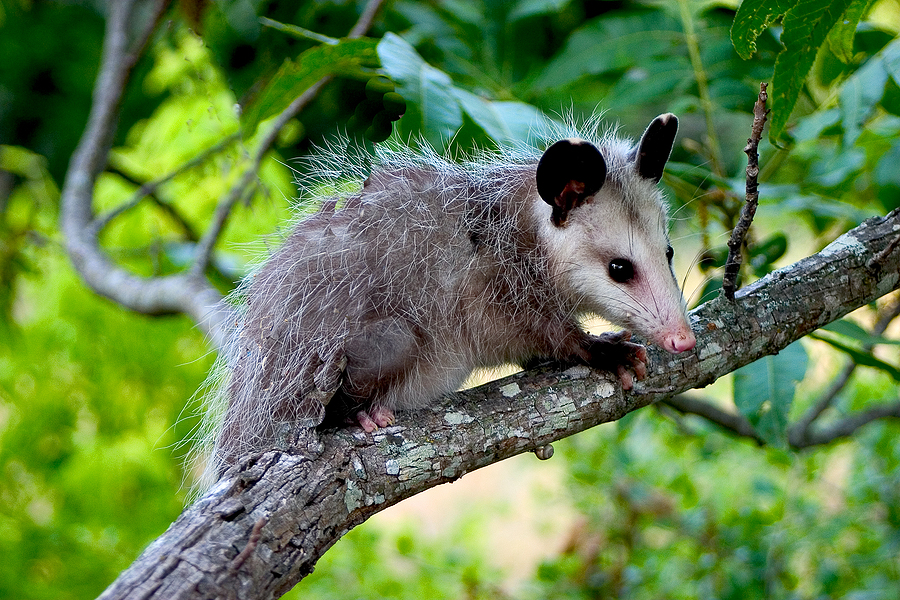
Finding an unexpected wild animal on your property can be a stressful experience for any property owner. The Virginia opossum is Indiana’s only native marsupial, and while they play a unique role in the local ecosystem, they can quickly become a nuisance when they decide to move into your residential or commercial space.

Opossums are opportunistic scavengers. As cities and suburbs expand, these adaptable creatures find plenty of food and shelter near human habitats. A harmless foraging visit can quickly escalate into a costly infestation if an opossum decides to nest under your deck or inside your attic.

Knowing how to handle these animals safely and legally is crucial for maintaining a healthy environment. This guide will walk you through the signs of opossum activity, the risks they pose to your family and pets, and the most effective ways to keep them away from your Indianapolis home or business.

Opossum Control in Indianapolis

Identifying Opossum Presence and Damage

Early detection is the best way to prevent extensive damage to your property. Because opossums are nocturnal, you are more likely to see the clues they leave behind rather than the animals themselves.

Common Signs of Opossums

Opossums leave several distinct indicators when they take up residence. You might hear rustling, scratching, or vocalizations like hissing and clicking coming from your attic, crawlspace, or beneath your deck during the night. You may also notice overturned garbage cans, missing pet food, or distinct tracks with five toes that look slightly like small human hands.

Property Damage Caused by Opossums

When opossums seek warmth and shelter, they can cause significant structural issues. They frequently tear down ductwork and rip up insulation to create their nests. In agricultural or garden settings, they are known to trample plants, eat ripening fruit, and dig up lawns in search of grubs. Over time, the accumulation of their droppings creates severe odor problems and potential biohazards inside enclosed spaces.

Why Opossum Control is Essential for Indianapolis Residents

Cohabitating with wild animals carries inherent risks. Promptly addressing an opossum problem protects both your physical health and your peace of mind.

Health Risks Associated with Opossums

Opossums are common carriers of parasites like fleas, ticks, and mites. These parasites can easily transfer to your living spaces and transmit illnesses such as Lyme disease and murine typhus to humans. Furthermore, opossum droppings can harbor dangerous bacteria, leading to diseases like leptospirosis and tularemia. While their low body temperature makes it very rare for them to carry rabies, the other health risks they introduce are substantial.

Protecting Pets from Opossum Encounters

Curious dogs and cats often attempt to investigate or chase an opossum. While opossums generally prefer to play dead or flee, they have 50 sharp teeth and will bite if cornered. A physical altercation can result in severe injuries to your pets and expose them to the parasites and bacterial infections the wild animal carries.

Effective Opossum Control Strategies for Homeowners

Taking proactive steps can make your property much less appealing to wandering wildlife.

Exclusion Techniques to Keep Opossums Out

The most effective way to manage wildlife is to deny them entry in the first place. Inspect your home’s exterior for any gaps or holes. Use heavy-duty wire mesh to block access points under porches, sheds, and decks. Ensure that your attic vents are properly screened and trim back overhanging tree branches that provide easy access to your roof.

Habitat Modification to Deter Opossums

Opossums stick around when they find a reliable food source. Keep your garbage cans tightly secured and bring pet food indoors at night. If you have fruit trees, regularly pick up any fallen fruit from the ground. Eliminating hiding spots by clearing brush piles and dense overgrown vegetation will also discourage them from settling down in your yard.

Safe and Humane Trapping Options

According to the Indiana Department of Natural Resources (DNR), resident landowners and tenants can legally trap or shoot an opossum that is causing damage on their own property without a special permit. However, you must follow specific regulations. Indiana law requires traps to be checked at least every 24 hours.

Once caught, the animal must be humanely euthanized or released within the same county on private property where you have explicit permission to do so. Because of the complexities and risks involved in handling wild animals, many property owners opt for professional wildlife removal services.

Opossum Control for Indianapolis Businesses

Wildlife infestations can severely impact commercial operations, threatening both inventory and a company’s reputation.

Commercial Property Vulnerabilities

Restaurants, grocery stores, and warehouses are particularly attractive to opossums due to the abundance of food waste and expansive sheltering options. Dumpster enclosures and loading docks often provide easy foraging opportunities. A wildlife sighting by a customer or a health inspector can lead to costly fines, forced closures, and a damaged brand image.

Tailored Solutions for Business Protection

Commercial wildlife control requires a strategic approach. Routine inspections, heavy-duty exclusion barriers around vulnerable entryways, and strict sanitation protocols are necessary to protect business assets. Customized exclusion plans ensure that local wildlife stays outside where they belong, allowing you to focus on running your business safely.

When to Call Professional Opossum Control in Indianapolis

Handling wild animals can be unpredictable. When DIY methods fall short, bringing in trained experts is the safest choice for you and the animal.

Benefits of Expert Intervention

Wildlife control specialists have the training and equipment necessary to get rid of opossums safely and humanely. They possess a deep knowledge of Indiana DNR laws, ensuring that all trapping and relocation efforts are entirely compliant. Professionals can also perform a thorough inspection to locate hidden nests that an untrained eye might easily miss.

What to Expect from a Professional Service

A reputable wildlife control service will start with a comprehensive property assessment to identify entry points and assess the extent of the damage. They will then set humane traps and monitor them according to state regulations. After removing the animals, the team will implement exclusion repairs to seal off entryways and offer cleanup services to sanitize areas contaminated by animal waste.

Frequently Asked Questions (FAQ)

Are opossums dangerous?

Opossums are generally docile and prefer to avoid confrontation by “playing dead.” However, they will defend themselves by biting and scratching if they feel threatened or cornered.

Can opossums spread diseases?

Yes. While they rarely carry rabies, opossums can transmit diseases like leptospirosis and tularemia through their droppings. They also carry parasites like fleas and ticks that can spread Lyme disease to humans and pets.

How can I prevent opossums from returning?

To keep opossums away, secure your trash bins, remove outdoor pet food, clean up fallen fruit, and use wire mesh to seal off potential nesting areas under decks and sheds.

Is it legal to trap opossums in Indiana?

Yes. Indiana residents can trap opossums causing damage on their property without a permit. However, state law requires checking the traps every 24 hours. The animal must then be humanely euthanized or released within the same county on property where you have permission.

Securing Your Property Against Opossums

Dealing with an opossum infestation requires a blend of vigilance, proper exclusion techniques, and an adherence to state wildlife laws. By identifying the signs early and removing the resources that attract them, you can maintain a safe and healthy environment for your family, pets, and customers.

If you are dealing with a stubborn wildlife issue, do not hesitate to reach out for professional help. For safe, humane, and affordable opossum removal and control in Indianapolis and surrounding towns, contact our team today to request a free estimate.

Call Now For a Free Quote

Related Post: Exploring Marsupials in the Midwest: The Key Role of the Virginia Opossum

How to Humanely Get Rid of Muskrats on Your Property

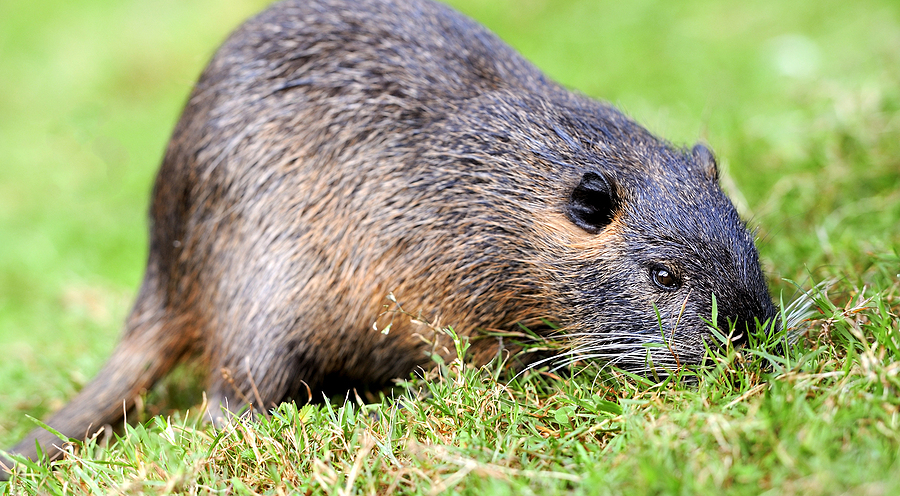
A beautiful pond or waterfront property offers a peaceful retreat right in your backyard. This serene environment can quickly become a source of intense stress when uninvited wildlife moves in. Muskrats might look like harmless, oversized hamsters, but their presence can lead to severe and costly damage across your landscape.

These semi-aquatic rodents are industrious burrowers with a talent for destruction. They dig complex tunnel systems into embankments, levees, and pond banks to create their dens. Over time, this constant excavation weakens the structural integrity of your shoreline. Left unmanaged, their tunnels lead to soil erosion, sudden cave-ins, and even localized flooding. They also have a hearty appetite for aquatic vegetation and garden crops, rapidly depleting the plants that keep your local ecosystem balanced.

Dealing with wildlife on your land requires a careful, methodical approach. You want to protect your valuable property, but you also want to treat the animals with respect and care. This guide provides clear, actionable steps for identifying muskrat activity and implementing humane exclusion techniques. By following these proven methods, you can secure your embankments and maintain a healthy, beautiful outdoor space.

Call 317-875-3099 to Get Rid of Muskrats in Indianapolis

Identifying Muskrat Presence: Signs to Look For

Muskrats spend most of their time either in the water or safely underground. Because their burrow entrances often begin well below the water line, their activity can remain entirely hidden until significant structural damage occurs. Knowing exactly what to look for is the critical first step in protecting your property.

Keep a close eye out for muddy, cloudy water near the shoreline. This persistent cloudiness often indicates that a muskrat is actively digging a burrow or moving through an underwater run. You might also spot distinct, cleared paths in the shallow water where silt and aquatic plants have been entirely removed.

Examine your banks carefully for burrow entrances. These holes are typically six to eight inches in diameter and lead directly into the soil. You may also find freshly chewed vegetation, such as cattails, water lilies, or tender garden crops, left scattered near the water’s edge.

Humane Muskrat Exclusion Techniques

Once you confirm muskrats are actively living on your property, you can take immediate steps to encourage them to leave. The most effective strategy combines several humane methods to make your pond far less appealing to these burrowers.

Exclusion Fencing

Physical barriers are highly effective at keeping muskrats away from vulnerable, steep banks. You can install fencing directly along your shoreline to physically block their access to the soil.

Use one-inch hardwire mesh for the best and most durable results. The fence should extend at least one foot above the ground level and penetrate a full three feet below the water level. This specific depth is necessary to prevent the animals from simply swimming underneath the wire barrier to dig new tunnels.

Habitat Modification

Muskrats choose habitats that offer abundant food sources and easy cover from predators. Modifying your landscape makes your pond much less inviting, encouraging them to relocate naturally.

Reduce the amount of aquatic vegetation growing near the shoreline. Clear away excess cattails, pond weeds, sedges, and arrowheads. When their primary food source disappears, muskrats will instinctively seek out a more suitable environment elsewhere.

Repellents and Deterrents

Electronic deterrents provide another excellent layer of protection for your property. Motion-activated sprinklers frighten the rodents with sudden, harmless bursts of water whenever they approach the shore.

Place these devices every 30 to 35 feet along the water’s edge. Point the motion sensors outward toward the water to detect approaching movement before the animal reaches the bank. You can also try some homemade, non-lethal animal repellents.

Live Trapping and Relocation

If habitat modification and exclusion methods do not completely solve the problem, live trapping offers a direct way to remove the animals. This process requires careful planning, patience, and strict adherence to local wildlife laws.

Wildlife regulations vary significantly depending on your specific location. In Indiana, the Department of Natural Resources (DNR) allows resident landowners and tenants to trap muskrats causing damage on their property without a special permit.

However, relocating wildlife comes with strict ecological rules to prevent the spread of disease and territorial disputes. Always consult the Indiana DNR or a licensed wildlife control company before attempting to move a trapped animal to a new location.

Professional Muskrat Removal Services

Managing a wildlife conflict on your own can be highly challenging, time-consuming, and occasionally risky. Engaging a professional ensures the situation is handled safely, legally, and permanently. Professionals have the specific training required to deal with stressed animals and prevent the transmission of dangerous bacterial diseases like tularemia.

What to Expect from a Professional Service

A reputable muskrat control service will conduct a thorough, on-site inspection of your property to locate all hidden burrows and runs. They will use humane trapping methods to remove the animals safely from the premises. Afterward, many professionals provide specialized services to repair severe bank damage and install long-term exclusion barriers.

Preventing Future Muskrat Issues

Removing the current population solves your immediate problem. Protecting your property over the long term requires ongoing vigilance and property maintenance.

Long-Term Solutions for Property Protection

After the muskrats are successfully removed, fill in any abandoned burrows with heavy stone or gravel. This simple step prevents other opportunistic animals from moving into the empty dens. Maintain your exclusion fencing year-round and check it regularly for signs of wear, rust, or damage.

Maintaining Your Landscape

Keep your shoreline consistently clear of dense, overgrown vegetation. Regularly trim back cattails and aggressive aquatic weeds. A well-maintained, manicured pond bank offers fewer hiding spots and less food, significantly reducing the chances of a future infestation.

FAQ Section

What do muskrats eat?

They primarily consume aquatic vegetation like cattails, water lilies, pond weeds, and arrowheads. They will also happily eat crops from nearby gardens if they can access them easily.

Are muskrats dangerous to humans or pets?

They generally avoid interacting with humans and domestic pets. If they feel cornered or threatened, they can become highly aggressive and bite. They also carry harmful diseases, so you should never handle them without proper training and heavy protective gear.

Will repellents solve a severe infestation?

Repellents work best as a preventative measure or as part of an integrated control plan. For an established, heavy population, you will likely need to combine electronic deterrents with live trapping and aggressive habitat modification.

Secure Your Shoreline Today

Protecting your pond and embankments from burrowing rodents takes persistence and the right strategic approach. By identifying the early signs of damage and applying humane exclusion techniques, you can effectively safeguard your landscape. Maintaining a clean shoreline and utilizing proper trapping methods will keep your property intact, healthy, and peaceful for years to come.

If you are dealing with persistent wildlife issues and need expert assistance, we are ready to help. Reach out for safe and humane muskrat removal service in Indianapolis and surrounding towns. Get a free estimate today.

Call Now for a Quote

Related Post: The Secret World of Muskrats: Understanding Our Aquatic Neighbor

Transmissible Indiana Wildlife Diseases

Sharing our environment with wildlife is a rewarding part of living in Indiana. From white-tailed deer to neighborhood raccoons, observing these animals connects us to the natural world. However, this connection requires a careful understanding of the boundaries between human habitats and wild spaces.

Certain illnesses, known as zoonotic diseases, can jump from animals to humans and domestic pets. These transmissible conditions represent a significant public health focus for the Indiana Department of Health and the Department of Natural Resources (DNR).

A brief encounter with a sick animal or a hidden tick can lead to serious health complications. Understanding the risks associated with local wildlife empowers you to make safer choices outdoors. By learning about common local pathogens, transmission pathways, and preventive strategies, you can protect your family while still enjoying the beauty of Indiana’s wildlife.

Call 317-875-3099 for Wildlife Control Service in Indianapolis
Call 317-875-3099 for Local Wildlife Control Service in Indianapolis

What are Common Transmissible Diseases in Indiana Wildlife?

The most common transmissible diseases in Indiana wildlife include rabies, Lyme disease, West Nile virus, and leptospirosis. These illnesses are carried by a variety of local mammals, insects, and arachnids.

Rabies

Rabies is a severe viral disease that affects the central nervous system of mammals. In Indiana, the most common carriers are bats, though skunks, raccoons, and foxes can also harbor the virus. It is almost exclusively transmitted through the bite of an infected animal, as the virus sheds in their saliva. If left untreated before symptoms appear, rabies is nearly always fatal in humans and pets.

Lyme Disease

Lyme disease is the most prevalent tick-borne illness in the state. It is caused by a bacterium transmitted through the bite of infected black-legged ticks, often called deer ticks. Early symptoms often include a characteristic “bullseye” rash, joint pain, and fatigue. Without prompt antibiotic treatment, Lyme disease can cause lasting neurological and joint problems.

West Nile Virus

West Nile virus is a mosquito-borne disease that uses wild birds as its primary reservoir. Mosquitoes bite infected birds and then pass the virus to humans and horses. While many people infected with West Nile virus experience no symptoms, others can develop severe flu-like illness, high fever, and potentially life-threatening neurological conditions. Older adults and those with compromised immune systems face the highest risk.

Leptospirosis

Leptospirosis is a bacterial infection commonly carried by raccoons, skunks, opossums, and rodents. The bacteria are shed in the urine of infected animals, which can then contaminate local water sources, puddles, and damp soil. Humans and pets, especially dogs, can contract the disease by drinking contaminated water or walking through infected soil with a small cut on their skin.

How Do These Diseases Spread?

Wildlife diseases spread to humans and pets through direct physical contact with infected animals, indirect contact with contaminated environments, or bites from infected insects.

Direct Contact

Direct transmission occurs when you come into physical contact with an infected animal or its bodily fluids. Bites and scratches are the most obvious examples, serving as the primary pathway for the rabies virus. Handling a sick or deceased animal without protective gloves can also expose you to harmful pathogens through small abrasions on your skin.

Indirect Contact

You do not need to touch an animal to catch a zoonotic disease. Indirect transmission happens when you interact with an environment that an infected animal has contaminated. Coming into contact with raccoon feces can expose you to raccoon roundworm, a dangerous parasite. Similarly, interacting with soil or water contaminated by animal urine can easily spread leptospirosis.

Vector-Borne Transmission

Many diseases rely on a middleman, or vector, to infect humans. Ticks and mosquitoes are the most common vectors in Indiana. They feed on infected wildlife, such as mice or birds, and subsequently bite humans or domestic pets. This mechanism is responsible for spreading Lyme disease, West Nile virus, and several other seasonal illnesses.

What are the Symptoms of Wildlife Diseases in Humans and Animals?

Symptoms of wildlife diseases range from obvious behavioral changes in animals, such as extreme aggression or lethargy, to flu-like physical symptoms in humans. Recognizing these signs is an important step in seeking timely medical or veterinary care.

Behavioral Changes in Wildlife

Healthy wild animals generally avoid human interaction. A primary indicator of disease is a severe shift in behavior. Animals suffering from rabies or canine distemper may exhibit the classic “mad dog” aggression, excessive drooling, or aimless wandering.

Nocturnal animals like raccoons or skunks wandering during the day with a confused, stumbling gait are often ill. In deer, chronic wasting disease (CWD) causes drastic weight loss, tremors, and a noticeable lack of fear of humans.

Human Symptoms

For humans, zoonotic diseases often begin with non-specific, flu-like symptoms. You might experience sudden fevers, chills, severe muscle aches, and profound fatigue. Lyme disease frequently presents with a spreading red rash.

Leptospirosis can cause jaundice, characterized by yellowing of the skin and eyes, alongside abdominal pain. If you experience unexpected neurological symptoms, severe headaches, or lasting fevers after an animal encounter or tick bite, contact a healthcare professional immediately.

How Can You Protect Yourself and Your Pets?

You can protect your family and pets by keeping a safe distance from wild animals, maintaining up-to-date veterinary vaccinations, using proper insect repellent, and securing your home against wildlife intrusion.

Avoid Contact with Wildlife

The most effective way to prevent disease is to simply observe wildlife from a distance. Never attempt to touch, feed, or rescue a wild animal yourself. Teach children to admire animals without approaching them and to report any unusual animal sightings to an adult right away.

Vaccinate Pets

Domestic pets are often the bridge between wild animals and your home. Ensure your dogs and cats are up to date on their rabies vaccinations, which is required by Indiana law. Talk to your veterinarian about the leptospirosis vaccine, especially if your dog spends time in wooded areas, near ponds, or in environments heavily populated by wildlife.

Personal Protective Measures

When hiking, camping, or working in brush-heavy areas, wear long sleeves and pants to minimize exposed skin. Apply an EPA-registered insect repellent containing DEET or Picaridin to deter mosquitoes and ticks. Always perform a thorough tick check on yourself, your children, and your pets after spending time outdoors.

Secure Your Property

Wild animals are drawn to properties that offer easy food and shelter. Limit their access by securing your trash in bins with tight-fitting lids. Bring pet food inside at night to avoid attracting raccoons and opossums. Inspect your home for vulnerabilities, taking time to cap your chimneys, repair broken vent screens, and seal up any gaps in your foundation or attic that might invite bats or rodents inside.

Frequently Asked Questions

Can I get sick from touching a wild animal?

Yes. Direct contact with a wild animal, even if it appears healthy, can expose you to harmful bacteria, viruses, and parasites. Always wear heavy gloves if you must handle a deceased animal and wash your hands thoroughly afterward.

What should I do if I find a sick or injured animal?

Do not attempt to capture or rehabilitate the animal yourself. Contact the Indiana DNR or a licensed local wildlife rehabilitator. They have the training and equipment necessary to handle potentially diseased animals safely.

Are all wild animals dangerous?

Most wild animals are not inherently dangerous and prefer to avoid humans. However, any wild animal can carry diseases or become defensive if cornered. Treating them with respect and giving them ample space is the best approach for everyone involved.

How often should my pets be vaccinated?

Rabies vaccinations are typically administered annually or every three years, depending on the specific vaccine used and local regulations. The leptospirosis vaccine requires an annual booster. Consult your veterinarian to create a vaccination schedule tailored to your pet’s lifestyle and risk factors.

Taking Steps Toward a Safer Environment

Staying informed about transmissible wildlife diseases is a vital part of responsible outdoor living. By recognizing the signs of illness in local animals and understanding how pathogens spread, you take an active role in guarding your health. Simple preventive actions, like vaccinating your pets and securing your trash, go a long way in minimizing the risks associated with wildlife encounters.

If you’re dealing with persistent wildlife on your property, it’s best to call in the experts. Handling potentially diseased animals like raccoons or bats requires specialized knowledge to keep you and your family safe. For safe, humane, and effective animal removal in Indianapolis, contact Budget Animal Removal today.

Call Now to Book an Inspection

Related Post: World Rabies Day: Understanding and Preventing This Deadly Disease

Common Ways Bats Enter Your House

Finding a wild animal inside your living space is understandably stressful, but discovering a bat flying around your bedroom or attic can cause immediate panic. Because bats are nocturnal and incredibly stealthy, a sudden indoor encounter usually points to a larger, hidden problem somewhere in the structure of your home.

Bats do not chew through wood or drywall like rodents do. Instead, they rely on pre-existing gaps left by construction flaws, settling foundations, or natural weathering. They are exceptionally adept at locating these tiny vulnerabilities, slipping inside to find a warm, safe place to roost.

Understanding exactly where and how these beneficial but problematic animals navigate into your living spaces is the critical first step in protecting your property. This guide outlines the hidden entry points bats use to infiltrate your home, helping you take targeted action to secure your property and protect your family’s health.

Call 317-875-3099 if You Have Bats in the House in Indianapolis Indiana

How Bats Squeeze Through Roof Gaps and Eaves

Bats can easily slip into your home by squeezing through tiny imperfections along your roofline, needing a gap of only 1/4 to 3/8 of an inch to gain access. Because many bat species have bodies no larger than a human thumb, any gap roughly the width of a No. 2 pencil or a dime is an open invitation. Rooflines are particularly vulnerable because they endure severe weather year-round. Over time, the fascia boards and roof sheathing can warp or pull apart.

These high, secluded areas provide the perfect landing pad for bats. Once they squeeze past your roof’s exterior defenses, they typically find themselves directly inside your attic or soffit space.

Regular wildlife control inspections of your roofline, especially paying attention to where different building materials meet, are essential for spotting these easily missed entryways.

Why Your Chimney is a Primary Target for Colonies

Your chimney is a primary target for bats because it provides a safe, dark, and highly textured environment that closely mimics their natural roosting habitats in hollow trees and caves. Brick and mortar offer an excellent gripping surface for bats to hang upside down. If your chimney lacks a properly fitted chimney cap, or if the metal flashing around the base of the chimney has deteriorated, bats will readily move in.

Once a maternity colony settles inside a chimney flue, the sounds of their vocalizations and the distinct smell of bat guano can quickly become noticeable inside the house. Because the flue connects directly to your living area, a simple open damper can result in a confused bat accidentally flying into your living room.

Installing a high-quality chimney cap is one of the most effective ways to prevent this specific type of intrusion.

Identifying Entry Points in Siding and Soffits

Warped, loose, or damaged siding and poorly sealed soffits create accessible, dark cavities that bats actively seek out for nesting and moving into your wall voids. Modern homes and older constructions alike are susceptible to siding issues. Vinyl siding can warp in extreme heat, while wood siding can rot or shrink. When these materials separate from the home’s protective wrap, they create a perfect, sheltered pocket for bats.

The gaps between your home’s siding and the chimney are incredibly common access points, according to our Indianapolis bat removal service operators. Because these gaps are usually located high off the ground, they often go unnoticed by homeowners until the bat colony has grown significantly. Sealing these areas requires precision and often requires caulk or specialized sealants that can withstand outdoor temperature changes.

The Role of Attic Vents and Louvers in Bat Infestations

Attic vents and louvered gable vents serve as an open, highly attractive doorway for local bat populations when they lack intact, heavy-duty screening. Your home needs proper ventilation to prevent moisture buildup and regulate temperature. Ridge vents, gable vents, and roof louvers are designed to let air flow freely. Unfortunately, the standard mesh used during construction frequently degrades, rusts, or gets pushed inward over the years.

When a tear develops in the screening, bats take advantage of the steady airflow, which signals a hollow, open space beyond. Because bats do not create their own holes, they will simply use these damaged vents as a convenient front door.

Inspecting the hardware cloth on all exterior vents and upgrading to sturdy, wildlife-proof mesh is a crucial step in keeping bats outside where they belong.

Checking for Cracks in Foundation and Brickwork

Substantial cracks in your foundation or deteriorating mortar between bricks can provide access for bats seeking shelter, especially as a building settles over time. While bats generally prefer elevated entry points to avoid predators, they are opportunistic creatures. If the mortar between your brickwork begins to crumble near the upper levels of your home, bats can easily tuck themselves into the resulting crevices.

Similarly, larger foundation cracks or gaps around ground-level basement windows can sometimes allow bats to enter lower areas of the home. Though less common than attic intrusions, these structural flaws still pose a risk.

Patching mortar and sealing foundation cracks not only keeps bats out but also protects your home from water damage and other pest infestations.

Frequently Asked Questions

How small of a hole can a bat actually fit through?

Bats have incredibly flexible bone structures. According to the Centers for Disease Control and Prevention (CDC), many common house bats can fit through openings as small as 1/4 of an inch. If you can slide a dime or a standard pencil into a crack, a bat can likely squeeze through it.

When is the best time of year to seal bat entry points?

The safest and most effective time to bat-proof your home is during the fall or winter. Attempting to exclude bats between May and August is highly discouraged. During these summer months, flightless baby bats are often nursing inside the roost. If you seal the entry points then, the adult mothers will be locked out, and the young will be trapped inside your home.

Are bats dangerous to have living in my house?

While bats are ecologically vital for insect control, living with them is a safety hazard. Bats are the most frequently reported animal with rabies in the United States. Additionally, their droppings (guano) can harbor a fungus that causes histoplasmosis, a serious respiratory infection. Limit your exposure to wild animals and always rely on safe exclusion methods.

What should I do if I find a bat in my living space?

Avoid touching the bat. If you know you were bitten or scratched, or if the bat was found in a room with a sleeping person, an unattended child, or a pet, do not release it outside. You should contact your local health department or animal control immediately to safely capture the bat for rabies testing.

Securing Your Home Against Unwanted Guests

A bat colony living inside your walls or attic is not just a nuisance; it is a serious property and health concern. Because these animals can slip through structural gaps no larger than a dime, effectively bat-proofing a house requires a meticulous, detail-oriented approach.

Understanding how bats utilize roof gaps, chimneys, vents, and siding to gain entry allows you to proactively inspect and maintain your home’s exterior. Taking the time to properly caulk openings, replace damaged screens, and install chimney caps will go a long way in ensuring your home remains a safe, comfortable environment for your family.

If you suspect you have an active bat infestation, handling the situation alone can be risky and difficult. Contact our Indianapolis bat removal specialists today. Our team of professionals in Indianapolis, Indiana, has the specialized equipment and expertise required to safely exclude bats from your property and secure your home for good.

Call Now to Book Service

Related Post: Are Bat Houses a Good Idea? A Guide for Indiana Homeowners

Love in the Wild: Which Animals Mate for Life?

As Valentine’s Day approaches, store aisles fill with chocolates and cards celebrating human romance. However, some of the most profound examples of devotion aren’t found in greeting cards but in the wild.

While promiscuity is common in the animal kingdom to ensure genetic diversity, a select group of species chooses a different path: monogamy. These animals form enduring partnerships that can last for decades, sharing duties from building homes to raising young.

This blog explores the fascinating world of wildlife romance, examining which species pair for life and why these bonds are essential for their survival.

TL;DR & Key Takeaways:

True love exists in nature: While rare, some species form lifelong bonds that rival human romance.

  • Birds do it best: Species like Laysan Albatrosses and Bald Eagles are famous for their long-term partnerships.
  • Mammals join in: From beavers to gibbons, select mammals prioritize cooperative rearing and pair bonding.
  • Survival strategy: These bonds aren’t just romantic; they are crucial for survival, territory defense, and raising offspring.
  • Humane solutions: If local wildlife like beavers or raccoons become a nuisance, always opt for humane exclusion methods first.

Table of Contents:

  1. Which Bird Species Are Famous for Pairing for Life?
  2. Do Mammals Practice Long-Term Monogamy?
  3. How Do These Bonds Benefit Wildlife Survival?
  4. Quick Recap: Nature’s Most Devoted Couples
  5. Frequently Asked Questions About Animal Mating
  6. Humane Wildlife Control in Indianapolis
Mute Swans pair for life!

Which Bird Species Are Famous for Pairing for Life?

Yes, several bird species form long-term pair bonds that can last until one partner dies. Birds are the poster children for monogamy in the animal kingdom. Experts estimate that roughly 90% of bird species are socially monogamous, meaning they stay together to raise their young for at least one breeding season. However, a few species take this commitment to the next level.

Laysan Albatrosses

These seabirds are the definition of long-distance devotion. Laysan Albatrosses spend most of their lives alone, soaring over the open ocean. Yet, they return to the same nesting site every year to reunite with their specific mate. Their bond is solidified through elaborate ritual dances. If a mate is lost, the survivor will mourn for a year or two before attempting to find love again.

Bald Eagles

The symbol of the United States is also a symbol of fidelity. Bald Eagles typically mate for life, only seeking a new partner if their mate dies. Their courtship is spectacular, involving a “cartwheel display” where the pair locks talons high in the sky and spins toward the earth, breaking apart only at the last second. They often return to the same nesting territory year after year, adding to massive nests that can weigh up to a ton.

Mute Swans

Swans are iconic for a reason; their curved necks forming a heart shape is a universal symbol of love. Mute Swans generally form lifelong pair bonds. Interestingly, research shows that “divorce” does occur, but it is rare—affecting less than 3% of successful breeding pairs. If a female loses her mate, she usually finds a new partner quickly, often within three weeks, to ensure she can continue breeding.

Do Mammals Practice Long-Term Monogamy?

Monogamy is much rarer in mammals than birds, but distinct species like beavers and prairie voles are famous exceptions. While birds often need two parents to incubate eggs and feed voracious chicks, mammal mothers do the heavy lifting of gestation and nursing. This often leaves males free to seek other mates. However, roughly 3% to 5% of mammalian species form pair bonds.

Beavers

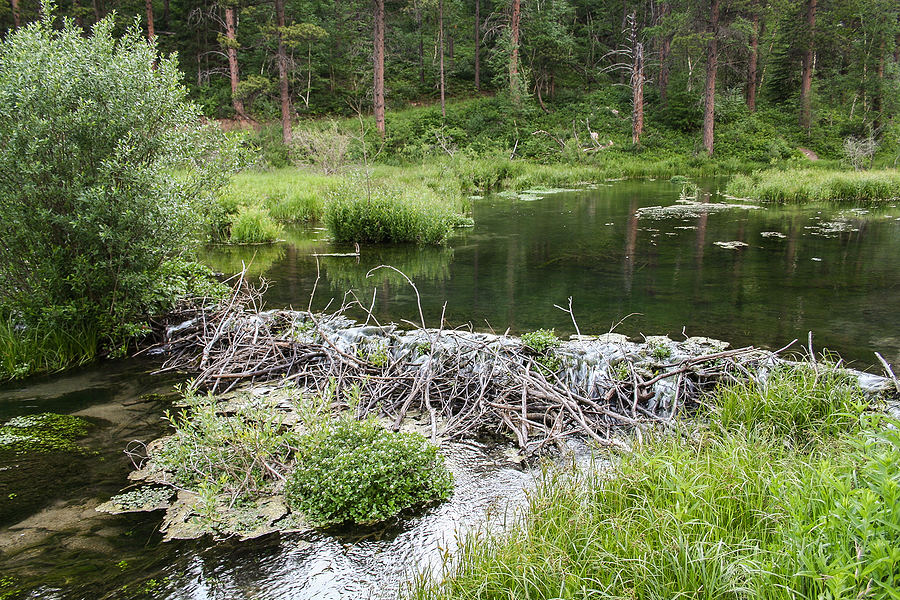
Beavers are among the few mammals that mate for life. These industrious rodents live in colonies that function as tight-knit family units, typically consisting of the breeding pair and their offspring from the previous two years. The young stay with their parents to help maintain the lodge and dam before striking out on their own around age two.

Prairie Voles

These small rodents are famous in the scientific community for their intense pair bonds. Unlike their promiscuous cousins (the meadow voles), prairie voles settle down with a partner, share a nest, and co-parent their young. Studies have shown that their brain chemistry—specifically the way they process oxytocin and vasopressin—wires them for attachment. When a male prairie vole finds a mate, he becomes aggressive toward other females, effectively “friend-zoning” everyone else to stay loyal to his partner.

Gibbons

Our distant primate relatives, the gibbons, also form strong pair bonds. These apes often duet, singing complex songs that echo through the forest canopy. These songs serve a dual purpose: they strengthen the bond between the pair and warn other gibbons to stay out of their territory.

How Do These Bonds Benefit Wildlife Survival?

Long-term pair bonds increase the likelihood of offspring survival and successful territory defense. In nature, romance is rarely just about affection; it is a survival strategy.

  • Co-Parenting Success: Raising young is energy-intensive. For species like the Albatross or the Bald Eagle, having two committed parents means one can protect the nest while the other hunts. This doubles the chances of the young surviving to adulthood.
  • Territory Defense: Establishing a safe territory takes time and effort. Pairs like beavers or gibbons can defend their food sources and homes much more effectively together than they could alone.
  • Reduced Energy Expenditure: Courtship takes energy. By keeping the same mate, animals skip the exhausting process of finding a new partner every season, allowing them to focus entirely on reproduction and survival.

Frequently Asked Questions About Animal Mating

Do animals really feel love?

While we cannot know if animals experience “love” exactly as humans do, they certainly experience attachment. Neurobiological studies on species like prairie voles show that they release the same bonding chemicals (oxytocin) that humans do when connecting with a partner.

What happens if an animal’s mate dies?

In most “mate for life” species, the surviving partner will eventually seek a new mate. The drive to reproduce is strong. For example, female swans may re-pair within weeks, while albatrosses may mourn for years before dancing with a new partner.

Are these animals strictly monogamous?

Scientists distinguish between “social monogamy” (living and raising young together) and “genetic monogamy” (breeding only with each other). Many socially monogamous species may still occasionally mate outside the pair bond to ensure genetic diversity, though species like the prairie vole are famously faithful.

Quick Recap: Nature’s Most Devoted Couples

Here is a summary of the species that take “till death do us part” seriously:

  • Laysan Albatross: Reunited annually after months at sea; known for ritual dances.
  • Bald Eagle: Famous for dramatic aerial courtship and returning to the same nest.
  • Mute Swan: Form bonds so strong that “divorce” is statistically rare.
  • Beavers: Live in cooperative family colonies with a central breeding pair.
  • Prairie Voles: Biologically wired for loyalty and shared parenting duties.
  • Gibbons: Use vocal duets to strengthen bonds and mark territory.

Conclusion

While some animals may engage in lifelong monogamy, others may have more flexible partnerships that adapt to their unique needs and circumstances. Regardless of the specific dynamic, these relationships are often complex and fascinating, teaching us valuable lessons about commitment, communication, and love.

While we admire the dedication of animals like beavers and raccoons in the wild, it can be stressful when they decide to build their “forever home” in your attic or under your deck. If you are dealing with wildlife on your property, it is vital to handle the situation ethically.

The most effective method is exclusion—sealing entry points to prevent animals from entering—rather than trapping, which is often temporary and stressful for the animal.

Do you need help managing wildlife on your property? If you’re dealing with unwanted wildlife on your property, it’s important to address the issue safely and effectively. Our professional nuisance wildlife control service in Indianapolis is here to help. Contact us today to schedule an assessment and take the first step toward a wildlife-free property!

Call for a Free Quote

Related Post: Understanding Beavers: Nature’s Ecosystem Engineers

Animals in the Attic? Your Guide to DIY Wildlife Control in Indiana

There is a specific kind of dread that comes with hearing a scratching sound in your attic at 2:00 AM. Or perhaps you’ve walked out to your driveway to find your trash cans overturned and yesterday’s leftovers scattered across the pavement. Indiana is home to a diverse population of wildlife, and while we often enjoy seeing nature from a distance, the relationship becomes strained when that nature decides to move into our homes.

For many Indiana property owners, the instinct is to handle the problem immediately and independently. Taking a do-it-yourself approach to wildlife control can be effective if done correctly, but it requires patience, the right tools, and a clear understanding of state laws. This guide will walk you through identifying your uninvited guests, securing your home, and understanding the rules of removal.

Call 317-875-3099 for Professional Wildlife Control in Indianapolis

Identifying your New Roommates

Before you can evict a nuisance animal, you need to know exactly what you are dealing with. Different species require different removal strategies, and misidentifying the animal can lead to wasted time and ineffective traps.

Raccoons

These are the most common culprits for attic disturbances. Raccoons are intelligent, strong, and persistent. They typically sound heavy when moving around above your ceiling—like a person walking on the joists. They often tear large holes in soffits or roof vents to gain entry and are notorious for raiding garbage cans.

Squirrels

Fox squirrels and gray squirrels are active during the day, so if you hear scurrying in the morning or early evening, this is likely your pest. They are chewers by nature and can damage electrical wiring, creating a significant fire hazard. Look for smaller entry points, often around the roofline or gutters.

Skunks

If you notice a strong, unpleasant odor around your property, you may have a skunk problem. Skunks are notorious for their defensive spray and can cause damage by digging up gardens and lawns in search of food. They often take shelter under decks or sheds.

Opossums

While they look intimidating, opossums are generally less destructive than raccoons. They are opportunistic scavengers that will take advantage of an existing hole but rarely create one themselves. You might find them living under decks, porches, or in crawl spaces.

Birds

Birds are incredible creatures that can brighten up any outdoor space with their beautiful songs and colorful feathers. However, they can also cause damage to your property by building nests in unwanted places, such as attics, roofs, chimneys, and gutters. They can also create a mess with their droppings and attract other pests, like insects.

Yard Moles

Yard moles may seem harmless, but they can cause significant damage to your lawn and garden. These small mammals have large front paws that they use to dig tunnels underground, creating unsightly mounds of dirt on the surface. They are most active at night and feed on insects, grubs, and earthworms.

Request a Free Wildlife Control Assessment in Indy

The Best Offense is a Good Defense

The most humane and effective way to handle wildlife is to prevent them from entering in the first place. Exclusion—the process of sealing your home—should always be your first step. Even if you trap an animal, another will simply take its place if the entry point remains open.

Start by inspecting your property for attractants. Wildlife is usually looking for three things: food, water, and shelter.

  • Secure your trash: Use wildlife-proof bins or keep trash cans in a garage until pickup day.
  • Remove food sources: Bring pet food indoors at night and clean up fallen fruit from trees. Bird feeders are also a major draw for squirrels and raccoons; consider removing them temporarily if you have an infestation.
  • Seal the perimeter: Inspect your home’s exterior for gaps. Mice can fit through a hole the size of a dime, and bats need only a half-inch gap. Use steel wool and caulk for small holes, and heavy-gauge hardware cloth for larger openings like vents and chimneys.

Humane DIY Deterrents

If an animal is lingering but hasn’t moved in yet, you may be able to encourage them to leave using harassment techniques. The goal is to make your property feel unsafe or uncomfortable for them.

  • Motion-activated lights: diverse Indiana wildlife, especially raccoons and opossums, are nocturnal. Sudden bright lights can startle them and disrupt their foraging patterns.
  • Auditory deterrents: Placing a battery-operated radio in an attic or crawl space set to a talk radio station can disrupt animals. The constant human voices suggest a predator is nearby.
  • Scent repellents: Some homeowners find success with ammonia-soaked rags or cider vinegar placed near entry points. However, be aware that the effectiveness of scent repellents is often temporary, as animals can become accustomed to the smell.

When to Call a Professional Wildlife Control Service

While DIY methods work for minor intrusions, there are times when professional intervention is the safest choice. Wildlife removal can be dangerous; frightened animals will bite and scratch, and many carry diseases such as rabies, leptospirosis, or roundworm.

You should consider calling a professional if:

  • The animal is intruding: Any type of animal infestation is damaging, and therefore grounds for professional assistance, whether inside or outside the property.
  • Babies are present: Removing a mother and leaving the babies behind is inhumane and will result in the babies dying inside your walls. Professionals know how to locate and remove the entire family.
  • The location is difficult: If the animal is located on a steep roof or inside a complex chimney system, you risk falling or damaging your home.
  • The problem persists: If you have trapped multiple animals and they keep coming back, you likely have a structural issue that requires professional animal-proofing.

Conclusion

Successfully managing wildlife on your property is about balance. By removing attractants, sealing entry points, and understanding the legal frameworks for trapping, you can protect your home while respecting the local ecosystem. Remember that maintenance is an ongoing process; a small gap in your siding today can be a raccoon’s front door tomorrow.

If you are dealing with a stubborn infestation or need help safeguarding your home against future intruders, don’t hesitate to reach out for expert assistance.

Need help reclaiming your home? Contact Us Today for professional wildlife control and comprehensive animal-proofing services in Indianapolis and surrounding counties.

Call to Book a Free Inspection

Related Post: Indiana’s Hibernating Animals: A Guide to Winter Wildlife Control

White Nose Syndrome: What Is It and How Can We Help?

Bats are more than just creatures of the night; they are essential pillars of our ecosystem. As nature’s pest control, they consume thousands of insects every hour, protecting crops and reducing the need for chemical pesticides. However, a devastating bat disease known as White Nose Syndrome (WNS) has emerged, threatening these vital animals and the delicate balance they maintain.

This silent killer has been spreading across North America for over a decade, leading to catastrophic declines in bat populations. Understanding what White Nose Syndrome is, how it spreads, and what we can do to help is crucial for the survival of many endangered bat species. This guide will walk you through the complexities of this disease, from its scientific origins to the actionable steps you can take to support bat conservation efforts.

Call 317-875-3099 for Professional Bat Control in Indianapolis
Call 317-875-3099 for Safe, Professional Bat Control in Indianapolis

What Is White Nose Syndrome?

White Nose Syndrome is a fungal disease that has caused unprecedented mortality in hibernating bats. The culprit is a fungus named Pseudogymnoascus destructans, or Pd for short. This cold-loving fungus thrives in the same dark, damp caves and mines where bats hibernate during the winter.

The name “White Nose Syndrome” comes from the visible white, fuzzy fungus that often appears on the muzzles, wings, and ears of infected bats. The disease disrupts their hibernation cycle, causing them to wake up more frequently than they should.

This unusual activity burns through their limited winter fat reserves, leading to starvation, dehydration, and often death before spring arrives. The fungus also damages their wing membranes, which are critical for flight, water balance, and regulating body temperature.

How Does WNS Spread?

The Pd fungus spreads with alarming efficiency. The primary method of transmission is through direct bat-to-bat contact. As bats cluster together in their hibernacula (hibernation sites), the fungus can easily move from one individual to another.

The fungus can also linger in the environment. Spores can contaminate the walls and sediment of caves and mines, creating reservoirs of infection that can persist for years. Humans can unintentionally contribute to the spread as well.

If cavers or researchers visit an infected site, the fungal spores can cling to their shoes, clothing, and gear, and be transported to a new, uninfected location. This has prompted many caves to close to the public or require strict decontamination protocols to prevent human-assisted spread.

Impact on Bat Populations

The impact of White Nose Syndrome on bat populations has been nothing short of catastrophic. Since its discovery in New York in 2006, the disease has spread to 38 states and 8 Canadian provinces, killing millions of bats. According to the U.S. Fish and Wildlife Service, some bat populations have declined by more than 90%.

Several species have been hit particularly hard. The Northern long-eared bat, Little brown bat, and Tricolored bat have experienced such severe losses that they are now listed as endangered or threatened. For species like the northern long-eared bat, the situation is so dire that they face the possibility of extinction. The loss of these bats creates a ripple effect, disrupting ecosystems and potentially leading to increased insect populations, which can impact agriculture and human health.

Current Research and Prevention Efforts

Scientists and conservationists are working tirelessly to combat White Nose Syndrome. Research is focused on understanding the Pd fungus and finding ways to control it. Potential treatments being explored include the use of antifungal agents, UV light to kill the fungus in hibernacula, and even a “vaccine” to help bats build immunity.

Prevention is also a key strategy. Many public and private caves are now closed during the bat hibernation season to minimize disturbance. Decontamination protocols are standard practice for anyone entering bat habitats.

These measures require visitors to clean and disinfect their gear before and after entering a cave to avoid spreading the fungus. Organizations like Bat Conservation International are leading the charge, funding research and coordinating large-scale conservation efforts.

How You Can Help

Protecting bats from this devastating disease requires a collective effort. Here are some actionable steps you can take to support bat conservation:

  • Support Research: Donate to organizations like Bat Conservation International or other local conservation groups that are funding critical research into WNS treatments and prevention.
  • Be a Responsible Caver: If you explore caves, always follow closure notices and decontamination guidelines. Never bring gear from one cave to another without thoroughly cleaning and disinfecting it.
  • Preserve Bat Habitats: Support local efforts to protect forests, wetlands, and other natural areas that bats rely on for food and shelter. Avoid disturbing known bat roosts, especially during the summer maternity season.
  • Install a Bat House: One of the most direct ways to help is by providing a safe roosting site. Installing a bat house on your property gives bats a warm, secure place to raise their young, away from predators and human disturbance.

Humane Bat Control in Your Home

While supporting bats in the wild is important, you also need to protect your home. If bats have taken up residence in your attic or walls, it’s crucial to address the situation humanely and effectively. Non-lethal bat control is the only responsible approach.

Never attempt to trap or poison bats. Not only is it inhumane, but it can also be illegal, as many species are protected. Instead, contact a licensed wildlife control company that specializes in humane bat removal. These professionals will use exclusion devices that allow bats to leave your home but prevent them from re-entering. They can also help you bat-proof your home by sealing entry points to prevent future intrusions.

A Future for Our Winged Allies

Bats are indispensable to our environment, but White Nose Syndrome poses a grave threat to their existence. The fight against this bat disease is a long and challenging one, but it’s a fight we must win. Through continued research, dedicated conservation work, and the support of informed individuals, we can turn the tide.

By taking steps like installing a bat house, supporting habitat preservation, and practicing humane bat control, you can play a part in securing a future for these incredible animals. Your actions, no matter how small, contribute to a larger effort to protect our winged allies for generations to come.

Don’t let local bat populations threaten the safety and structural integrity of your home or business. Contact our licensed wildlife control specialists for comprehensive bat removal and animal-proofing assistance.

Call Now to Get  a Free Quote

Related Post: Bats and Histoplasmosis: Understanding the Hidden Risks and Conservation Efforts

Indiana’s Hibernating Animals: A Guide to Winter Wildlife Control

Winter in Indiana brings a quiet stillness to the landscape. As temperatures drop, many of the state’s wild animals seem to vanish. This isn’t magic; it’s a remarkable survival strategy known as hibernation. Hibernation allows certain species to conserve energy and survive the harsh conditions when food is scarce and the weather is unforgiving. Understanding this process is key to appreciating Indiana’s unique wildlife and learning how to coexist peacefully with these creatures.

This guide explores the fascinating world of hibernating species in Indiana. We will look at which animals hibernate, how they prepare for their long winter slumber, and what you can do to prevent them from seeking shelter in your home. Protecting these animals is vital for maintaining Indiana’s rich biodiversity.

Call 317-875-3099 for Winter Wildlife Management & Control in Indianapolis IN

Common Hibernating Species in Indiana

Indiana’s diverse climate provides the perfect environment for many animals to hibernate. While you might picture a bear curled up in a cave, many other local creatures undergo this process. Here are a few common hibernating animals you might find in the Hoosier State.

Little Brown Bat

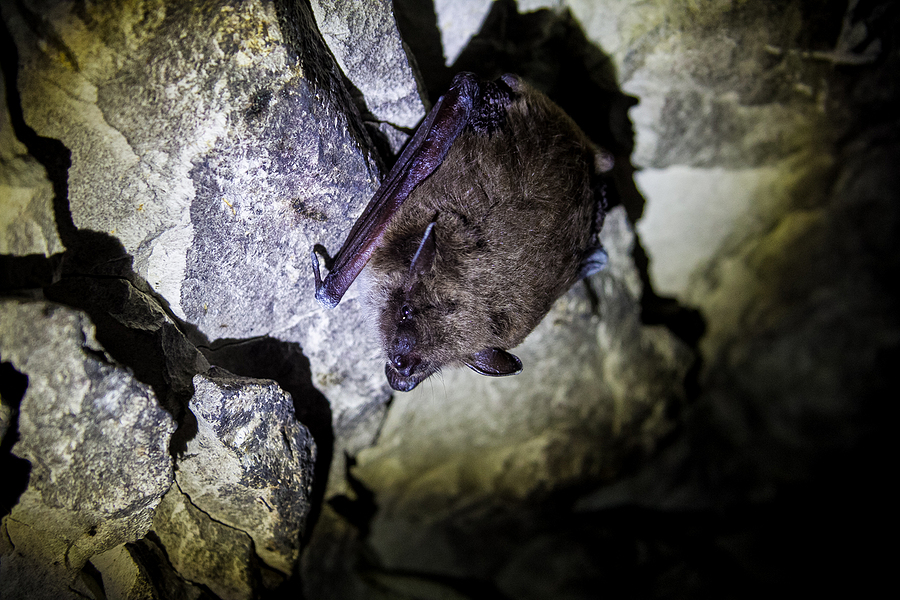
The Little Brown Bat is one of Indiana’s most dedicated hibernators. To survive the winter, it undergoes extreme physiological changes. Its body temperature can drop to near-freezing levels, and its heart rate slows dramatically to as few as four beats per minute. These bats often hibernate in large groups inside caves or abandoned mines, which are known as hibernacula.

Unfortunately, the Indiana Bat, a related species, is critically endangered due to habitat loss and white-nose syndrome, a fungal disease that disrupts hibernation. This makes conservation efforts for all bat species incredibly important.

Groundhog

Also known as the woodchuck, groundhogs are true hibernators. During its winter sleep, a groundhog’s body temperature can fall to as low as 37°F, and its heart rate can plummet to just two or three beats per minute. These solitary animals are famous for their extensive burrows, which they sometimes share with other animals like skunks or opossums for extra warmth during the cold months.

Common Garter Snake

Reptiles like the Common Garter Snake enter a state similar to hibernation called brumation. To survive the cold, snakes gather in large groups in underground dens or rock crevices, also known as hibernacula. This group behavior helps them conserve heat and moisture. Remarkably, these snakes can survive being partially frozen thanks to special antifreeze-like proteins in their blood, which prevent ice crystals from forming in their cells.

How Animals Prepare for Hibernation

Preparation for hibernation is a critical and intensive process that begins long before the first frost. Animals must ensure they have enough resources to survive months without food.

Food Storage

Some animals, like squirrels, are not true hibernators but enter a state of torpor. They spend the autumn months gathering and storing food, like nuts and acorns, in caches they can access during brief waking periods. True hibernators, like groundhogs, build up significant fat reserves by eating large amounts of food in late summer and fall. This fat provides the energy they need to survive the entire winter.

Shelter Selection

Finding a safe, insulated shelter is crucial. This shelter, or hibernaculum, must protect the animal from predators and extreme cold. Common hibernacula in Indiana include caves for bats, deep burrows for groundhogs, and underground dens for snakes.

Physiological Changes

As an animal enters hibernation, its body undergoes profound changes. Metabolism slows down drastically, heart rate and breathing decrease, and body temperature drops significantly. This state of suspended animation allows the animal to conserve an incredible amount of energy.

Contact Us for Expert Winter Wildlife Control Today!

Preventing Nuisance Wildlife in Winter

As animals search for a safe place to hibernate, they can sometimes find their way into our homes. Attics, basements, wall voids, garages, and crawl spaces can seem like ideal hibernacula. To prevent these unwanted intrusions, homeowners can take several proactive steps.

Animal-Proofing Your Home

Securing your home is the most effective way to prevent nuisance wildlife from entering.

  • Seal Cracks and Openings: Use steel wool and caulk to seal any cracks or holes in your foundation, walls, and roofline. Even small openings can be an entry point for bats or rodents.
  • Install Chimney Caps: A chimney cap can prevent squirrels, birds, and raccoons from nesting in your chimney.
  • Secure Vents: Cover any vents with durable wire mesh to block access while maintaining airflow.

Habitat Modification

Making your property less attractive to wildlife can also discourage them from settling in.

  • Trim Trees and Shrubs: Keep branches trimmed away from your house to eliminate easy access routes for climbing animals.
  • Remove Food Sources: Secure garbage can lids, bring in pet food at night, and clean up fallen fruit from your yard.
  • Use Fencing: Protect gardens and other vulnerable areas with fencing or netting to keep foraging animals out.

Frequently Asked Questions (FAQ)

What is the difference between hibernation, torpor, and brumation?

Hibernation is a long-term state of inactivity and metabolic depression in endotherms (warm-blooded animals). Torpor is a similar but shorter-term state that can occur daily. Brumation is the term used for dormancy in ectotherms (cold-blooded animals) like reptiles.

What should I do if I find a hibernating animal in my house?

If you find a hibernating animal, it’s best not to disturb it. Waking an animal from hibernation can be fatal, as it uses up precious energy reserves. Contact a professional wildlife removal service for safe and humane removal.

How does climate change affect hibernating species in Indiana?

Unpredictable winter weather, with warmer spells followed by sudden deep freezes, can cause animals to emerge from hibernation too early. This can lead to starvation if food is not yet available or cause them to freeze if they cannot find adequate shelter again.

Partner with a Professional for Wildlife Control

While taking preventative measures is essential, sometimes a professional is needed to handle a wildlife issue safely and effectively. Hiring a wildlife control service offers numerous benefits, including humane animal handling, compliance with local regulations, and long-term prevention strategies. The Indiana Department of Natural Resources (IDNR) has specific guidelines for handling protected species, and a professional service will have the expertise to ensure all actions are compliant and ethical.

Professionals can also repair damage caused by wildlife and offer peace of mind, knowing the problem has been resolved correctly. If you’re dealing with nuisance wildlife this winter, don’t hesitate to seek expert help.

Contact our local Indianapolis wildlife removal service today to ensure your home is secure and Indiana’s animals remain safe in their natural habitats. Our licensed and insured team combines effective solutions with respect for hibernating animals.

Call Now to Book Service

Related Post: How to Protect Your Car From Animal Damages in Winter

What to Do If a Skunk Is Living Under Your Porch or Deck

Discovering a new, uninvited guest living under your porch or deck can be unsettling, especially when that guest is a skunk. The thought of an accidental spray is enough to cause anyone stress. While it’s a common issue for homeowners, it’s important to handle the situation with care for both your family’s safety and the animal’s well-being.

A skunk taking up residence under your home is more than just a smelly inconvenience; it can lead to property damage and potential health risks if not addressed correctly. The key is to approach the problem calmly and strategically.

This guide will walk you through how to confirm you have a skunk, understand why it chose your home, and explore humane methods for encouraging it to leave. We’ll also cover when it’s time to call for professional skunk removal and how to prevent future wildlife from moving in.

Call 317-875-3099 for Local Skunk Removal in Indianapolis Indiana

Signs You Have Skunks Under the Porch

Before taking any action, you need to be sure a skunk is the culprit. Other small animals like raccoons, opossums, or groundhogs also seek shelter under decks and porches. Look for these specific signs to confirm you have a skunk problem.

Skunk Odor

The most obvious sign is the skunk’s distinct, musky odor. You might notice a faint, lingering smell even when the skunk hasn’t sprayed recently. This scent is often stronger in the early morning or late evening when skunks are most active. If you’ve noticed this smell consistently, it’s a strong indicator a skunk is nearby.

Tracks and Droppings

Skunk tracks are another clue. They have five toes on both their front and back feet, and their tracks often show long claw marks from their front digging feet. Their droppings are about one to two inches long and may contain undigested insects, berries, or seeds.

Visible Damage

Skunks are excellent diggers. Look for small, cone-shaped holes in your lawn or garden beds near the porch. These are signs that a skunk has been digging for grubs and insects. You may also see disturbed soil or pushed-aside mulch near the base of your deck or porch, indicating an entry point.

Why Skunks Choose Your Porch or Deck

Understanding what attracts skunks to your property is the first step toward effective skunk control. Skunks are motivated by basic survival needs: shelter, food, and safety. Your home can inadvertently provide all three.

A porch or deck offers an ideal den—it’s a dark, quiet, and protected space that shields them from predators and harsh weather. This is particularly important during the spring nesting season, when female skunks look for a safe place to raise their young.

Your yard might also be an unintended buffet. Skunks are omnivores and will eat almost anything, including insects, grubs, fallen fruit, and pet food left outdoors. Garbage cans that aren’t securely sealed can also provide an easy meal, making your property an attractive place to settle down.

Humane DIY Methods to Get Rid of Skunks

The goal is to encourage the skunk to leave on its own, without causing it harm. Direct confrontation or trapping without experience can be dangerous and ineffective. Instead, try these humane strategies to make the space under your porch less inviting.

Use Gentle Harassment

  • You can make the den less comfortable for the skunk using light and sound.
  • Place a battery-powered radio tuned to a talk station near the den entrance. The sound of human voices can make a skunk feel unsafe.
  • Aim a motion-activated light toward the entrance. Skunks are nocturnal and prefer darkness, so a bright light can be a powerful deterrent.

Introduce Unpleasant Scents

While you might want to fight fire with fire, it’s best to use scents that skunks dislike but are harmless to them and your property.

  • Soak rags in ammonia or apple cider vinegar and place them in a shallow dish near the den opening. The strong smell is often enough to drive them away.
  • Scatter skunk repellent granules made from natural ingredients like predator urine around the perimeter of your porch.

Employ Motion-Activated Deterrents

  • Motion-activated sprinklers can be highly effective. A sudden spray of water is harmless but startling enough to deter a skunk from returning.
  • Solar-powered ultrasonic devices emit high-frequency sounds that are unpleasant for skunks but generally inaudible to humans and pets.

Before implementing any of these methods, it’s crucial to ensure no baby skunks are present. The nesting season typically runs from late spring to late summer. If you see signs of young or suspect a mother is caring for her kits (baby skunks), it is best to wait until they are old enough to leave with her or call a professional skunk removal service. Separating a mother from her young is inhumane and can lead to bigger problems.

Request a Free Skunk Removal Assessment Today 🦨✨

When to Call a Professional Skunk Removal Service

While DIY methods can be effective, there are times when calling a professional skunk removal service is the safest and most responsible choice.

  • If there are babies: Professionals know how to safely remove and reunite a mother skunk with her young.
  • If the skunk appears sick or aggressive: Skunks can carry diseases like rabies. An animal behaving unusually—stumbling, acting aggressively, or approaching humans—should only be handled by trained skunk trappers.
  • If you feel unsafe: If you are not comfortable attempting DIY removal, it’s always better to call for help. Professionals have the right equipment and training to handle the situation safely.
  • If DIY methods fail: If you’ve tried the methods above without success, a professional can offer more advanced and effective solutions.

Remember, attempting to trap a skunk yourself can be risky. If you provoke it, you will likely get sprayed, and trapped skunks can become highly distressed and defensive.

Preventing Future Nuisance Skunk Problems

Once the skunk is gone, the final step is to ensure another one doesn’t take its place. Prevention is key to long-term skunk control.

  • Secure Access Points: Seal off any openings under your porch, deck, or foundation. Use heavy-duty mesh or fencing buried at least a foot deep and bent outward in an L-shape to prevent animals from digging underneath.
  • Remove Food Sources: Secure your garbage cans with tight-fitting lids, bring pet food indoors at night, and clean up fallen fruit from trees.
  • Maintain Your Yard: Keep your lawn mowed and your garden free of debris to reduce hiding spots and limit the population of grubs and insects.
  • What to Do If Sprayed: If the worst happens, specialized skunk odor removal products are far more effective than tomato juice or regular soap. These products contain enzymes that break down the oils in the spray.

Conclusion

Finding a skunk under your deck or porch can be a nerve-wracking experience, but it’s a manageable one. By identifying the problem, using humane deterrents, and knowing when to call for professional help, you can resolve the issue safely. Taking preventative measures will ensure your home remains a peaceful, skunk-free space.

If you need assistance with a skunk problem, don’t hesitate to reach out. Our expert wildlife control team is here to provide safe, effective, and humane skunk removal services. Contact Us Today for a free, onsite consultation.

Call Now to Book Your Inspection

Related Post: Besting Nature’s Porch Pirates: Skunk Prevention and Control

Top Bird Control Methods for Indiana Homeowners

Birds are a welcome sight in backyards across Indiana, but when they start nesting in your vents or leaving droppings all over your patio, they quickly become a nuisance. A bird infestation isn’t just an inconvenience; it can lead to property damage and pose health risks to your family. Understanding how to manage these feathered visitors is key to protecting your home.

This guide will walk you through everything Indiana homeowners need to know about effective and humane bird control. We will cover how to identify common problem birds, the risks they bring, and the best methods for keeping them away. By the end, you’ll have the knowledge to decide on the best bird control strategy for your property, whether it’s a DIY solution or calling in a professional wildlife control service.

Call 317-875-3099 for Bird Pest Control in Indianapolis Indiana

Identifying Common Nuisance Birds in Indiana

Not all birds cause problems, but a few species are notorious for becoming unwelcome guests in Indiana homes. Identifying which birds are on your property is the first step toward effective bird control.

Pigeons

Commonly found in both urban and suburban environments, pigeons are notorious for roosting on building ledges, rooftops, and structural beams. Their droppings are not only unsightly but also highly acidic, which can cause significant and costly damage to property over time, corroding materials and staining surfaces.

European Starlings

These are notably noisy and aggressive birds that typically travel in large, disruptive flocks. They are known to displace native bird species, disrupting local ecosystems. Starlings often build messy, bulky nests in inconvenient places like attic vents, soffits, and other openings in a building’s structure, which can lead to blockages and other issues.

House Sparrows

Though small, house sparrows are remarkably persistent. They construct their nests in small, enclosed areas such as dryer vents, gutters, and the gaps behind window shutters. The materials they use for nesting can accumulate and not only block essential ventilation but also create serious fire hazards.

Grackles

Much like starlings, grackles are highly social birds that congregate in large, noisy flocks, creating a significant amount of noise and mess. They are a frequent sight in residential neighborhoods, where they often choose to roost in tall trees close to homes, becoming a constant source of disturbance.

Woodpeckers

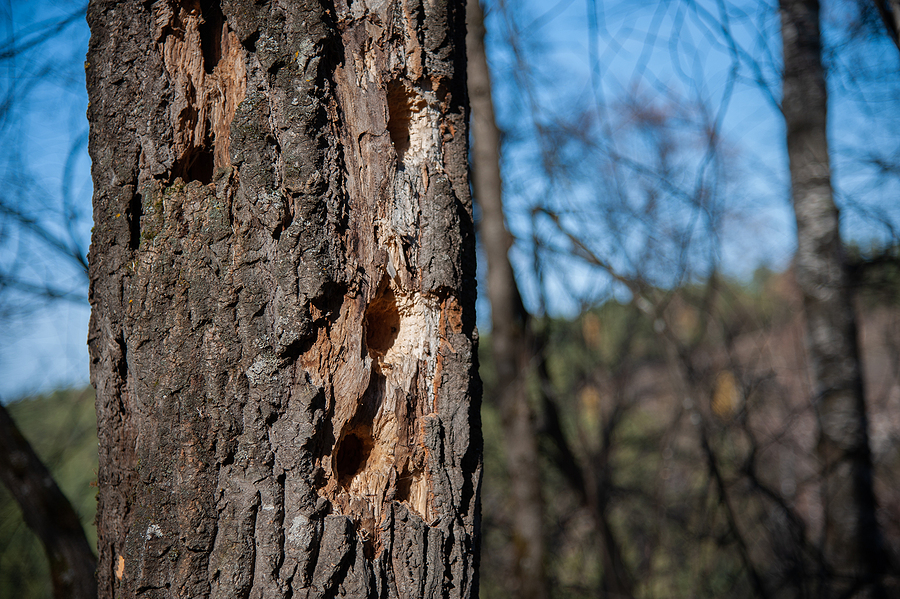
\While many people admire woodpeckers, they can inflict serious structural damage by drilling holes into wood siding, eaves, and exterior trim. This behavior, known as “drumming,” isn’t solely for finding insects to eat; it’s also a crucial part of their mating rituals and a way to establish and defend their territory.

Understanding the Risks of Bird Infestations

A few birds in your yard might seem harmless, but a full-blown infestation can lead to serious issues. The problems go beyond noise and unsightly messes, affecting both your health and your home’s integrity.

Health Concerns

Bird droppings are not just an eyesore; they can harbor over 60 transmissible diseases. When bird poop dries, it can become airborne, and inhaling the particles can lead to respiratory illnesses like histoplasmosis, cryptococcosis, and psittacosis. Bird nests can also host parasites such as mites, fleas, and ticks, which can easily find their way into your home.

Property Damage

Birds can cause a surprising amount of damage to your property.

  • Structural Damage: Nesting materials can clog gutters and drains, leading to water backup and potential roof leaks. Woodpeckers can drill holes that compromise the structural integrity of your home and invite other pests.
  • Acidic Droppings: The high uric acid content in bird poop can corrode building materials like metal, stone, and paint, leading to permanent stains and deterioration.
  • Fire Hazards: Birds often build nests in chimneys, dryer vents, and electrical signs. The flammable nesting material poses a significant fire risk.
  • Garden and Landscape Damage: Some birds can wreak havoc on gardens, eating fruits, vegetables, and seeds before they have a chance to grow.

Request a Free Onsite Bird Control Inspection!

Humane and Effective Bird Deterrents

When dealing with nuisance birds, the goal is to deter them, not harm them. Many effective and humane methods are available to Indiana homeowners. It’s also important to remember that some species, like woodpeckers, are protected under the federal Migratory Bird Treaty Act, making it illegal to harm them. The Indiana Department of Natural Resources also has regulations protecting native species.

Bird Netting

Bird netting is one of the most effective bird deterrents available. It creates a physical barrier that prevents birds from accessing specific areas like balconies, eaves, or gardens. When installed correctly, it’s nearly invisible and provides a long-lasting solution without harming the birds. The cost for DIY netting can range from $50 to $200, depending on the size of the area you need to cover.

Bird Spikes

These are strips of upward-pointing spikes that can be installed on ledges, signs, and rooftops to prevent birds from landing and roosting. While they may look intimidating, the spikes are not sharp and are designed to create an uncomfortable surface, not to injure the birds. Bird spikes are a cost-effective solution, typically costing between $50 and $200 for a DIY kit.

Visual and Auditory Deterrents

These methods work by frightening birds away from your property.

  • Visual Deterrents: Items like reflective tape, scare-eye balloons, and owl or hawk decoys can be effective. The key is to move them around frequently so birds don’t become accustomed to their presence. These devices are generally affordable, ranging from $30 to $150.
  • Auditory Deterrents: Ultrasonic devices or systems that play recordings of predator calls or bird distress signals can also scare birds away. These are a good option for larger open areas like gardens or yards.

When to Call a Professional Wildlife Control Service

While DIY methods can be effective for minor bird issues, some situations require professional intervention. If you’re facing a large infestation, dealing with a protected species, or if nests are located in hard-to-reach or dangerous places, it’s time to call a wildlife control service.

Professionals have the training, equipment, and knowledge of Indiana’s laws to handle bird removal safely and humanely. A professional service typically involves an onsite inspection, removal of birds and nests, cleanup of droppings, and installation of preventative measures.

Tips for Preventing Future Bird Problems

Once you’ve addressed a bird issue, the next step is prevention. Here are some actionable tips to keep your property bird-free:

  • Seal Entry Points: Regularly inspect your home for gaps or holes in siding, vents, and eaves, and seal them to prevent birds from nesting inside.
  • Manage Food Sources: Secure trash can lids, clean up spills promptly, and avoid leaving pet food outside. If you have bird feeders, place them away from your house to draw birds to a designated area.
  • Maintain Your Landscaping: Trim overgrown trees and shrubs where birds might roost.
  • Install Protective Barriers: Use netting to protect gardens and install spikes or other deterrents on common roosting spots before nesting season begins in the spring.

Protect Your Home Proactively

Managing nuisance birds is an important part of home maintenance in Indiana. By identifying problem species, understanding the risks, and using humane deterrents, you can protect your property from damage and keep your family safe. Whether you opt for a DIY approach or enlist a professional wildlife control service, proactive bird control is the best way to ensure your home remains a peaceful, bird-free environment.

If you’re dealing with a persistent bird problem, don’t wait for it to get worse. A professional can provide a lasting solution tailored to your specific needs.

Ready to reclaim your property from nuisance birds and restore peace to your home? Don’t let unwanted feathered guests cause any more disruption. Contact Us Today to get a free, no-obligation bird control quote and take the first step toward a lasting solution.We serve residential and commercial properties in the Greater Indianapolis areas.

Place Your Call Now

Related Post: Silencing the Flock: Nuisance Bird Solutions in Indiana