Fall is a time when many animals are preparing for winter. Some animals, such as squirrels and deer, are known for being nuisances during this time of year. Continue reading to brush up on some important tips on how to deal with these Fall season nuisance animals.
For Nuisance Animal Removal in Indianapolis, Call 317-875-3099 Today!
Common Nuisance Wildlife to Watch Out For This Season and the Next
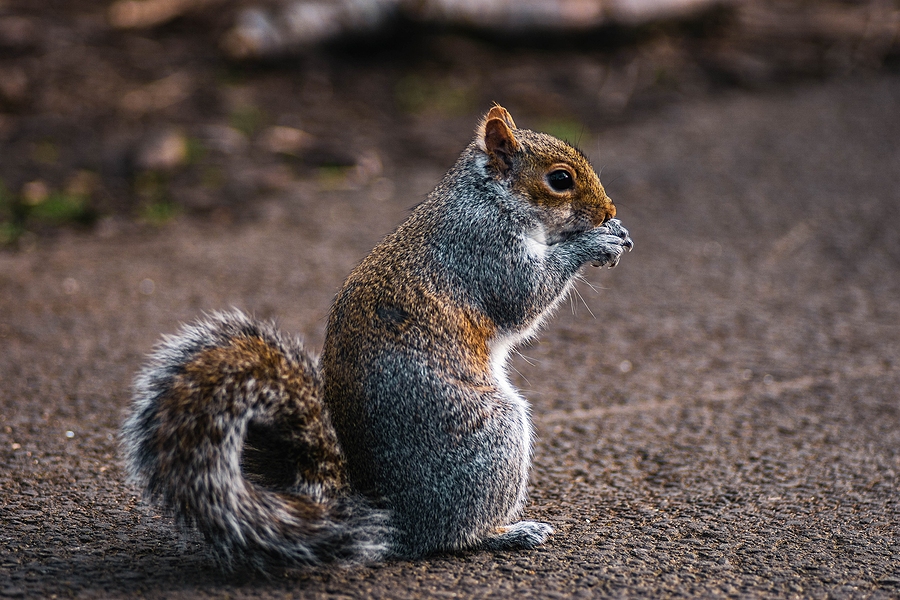
Squirrels and Chipmunks
If you have squirrels or chipmunks in your yard, try to keep them away by removing any food sources that they may be attracted to. Optimal squirrel control includes keeping your garbage can lid securely fastened and not leaving bird seed or other food out in the open.
Deer
In many parts of the country, deer have become a nuisance. They wander into yards and gardens, eat plants, and damage property. If deer are a problem, you can try using deer repellent or fencing to keep them away from your property.
Raccoons
If raccoons are raiding your garbage cans, make sure to keep the lids securely fastened. You may also want to consider investing in a raccoon-proof garbage can. Furthermore, raccoon diseases can be deadly, so it is important to be aware of them if you live in an area where they reside.
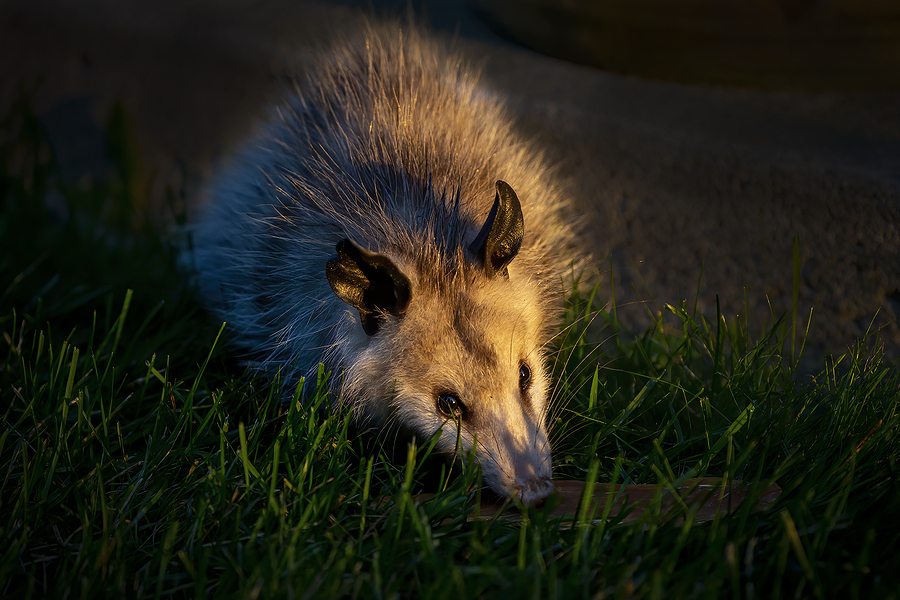
Opossums
If you have a problem with opossums, make sure to remove any potential food sources from your property. Opossums are attracted to garbage, so keeping your garbage can lid securely fastened is important.
All Other Nuisance Animals
If you have any other nuisance animals on your property, contact a professional wildlife control company for assistance.
How to Protect Your Home Against Wildlife Damages and Threats
As the weather gets cooler and the days get shorter, you may start to notice some of these unwelcome guests around your home. Raccoons, opossums, skunks, squirrels, and several other types of nuisance animals are looking for a warm place to nest and can cause damage to your property. Here are some tips to keep them away:
▷ Inspect your home for cracks or holes that could be used as an entrance. Seal up any openings with caulk or other materials.
▷ Keep your yard clean and free of debris. This will make it less attractive to animals looking for a place to build a nest.
▷ If you have bird feeders, keep them clean and free of moldy seed. This can attract rodents looking for a food source.
▷ Keep your trash cans sealed tight and don’t leave any food out where animals can get to it.
▷ If you have a fireplace, make sure the flue is closed when not in use. This will prevent animals from entering your home through the chimney.
Following these tips will help you keep nuisance animals away from your home this fall and winter. If you have any questions or concerns, please contact a licensed and insured Indianapolis wildlife control company for assistance.
All of these tips are possible with the help of our licensed and insured Indiana wildlife control operators.Contact Budget Animal Removal at 317-875-3099 for DNR licensed and insured wildlife removal and control in Indianapolis and its surrounding counties. Request a free estimate or advice, today!
Critter control is important in Tennessee because the state is home to a variety of wildlife species. Some of these critters, such as raccoons and opossums, can cause problems for homeowners. Other critters, such as snakes and coyotes, can pose a threat to public safety. Budget Animal Removal Nashville is a company that specializes in the removal of nuisance wildlife in Tennessee and its surrounding areas.
Our licensed and insured operators offer a variety of services, including animal trapping, animal exclusion, animal proofing, and animal damage cleanup. Budget Animal Removal also provides these very blogs to help the public learn more about responsible wildlife management. If you are dealing with nuisance wildlife, like skunks, opossums, bats, raccoons, or squirrels, you are in the right place.
Continue below to review some helpful information about our Nashville Tennessee critter control and removal services, including how to get started with a quote today!
Nashville Tennessee Critter Control 615-337-9165
The Problems Caused by Nuisance Critters in Tennessee
Nuisance critters can cause all sorts of problems for homeowners and businesses in Tennessee. These animals can damage property, contaminate food sources, and spread disease. Our Nashville critter control experts are trained to safely and effectively remove these animals from both residential and commercial settings. So, when critters invade your space, it’s important to act quickly. These animals can reproduce quickly, meaning that the problem can quickly become out of control. Here at Budget Animal Removal Nashville, we have the tools and experience to get rid of nuisance animals fast.
Critter Control Service in Nashville
If you’re dealing with nuisance critter problems in Tennessee, contact our licensed and insured Nashville critter control experts at 615-337-9165 today. We will be able to assess the situation and develop a plan to safely remove the animals from your property.
Top Wildlife Control Tips for Homes and Businesses
There are many ways to keep critters out of your home, but the best way is to prevent them from getting inside in the first place. Here are some tips to help you keep critters away:
🐾 Inspect your home regularly for any points of entry that wildlife could use, such as cracks in the foundation, gaps around doors and windows, or vents without screens.
🐾 Use caulk or other materials to seal up any openings that you find.
🐾 Keep your yard clean and free of debris, such as piles of leaves or wood. This will make it less appealing to nuisance animals looking for a place to nest.
🐾 If you have trash cans outside, make sure they have tight-fitting lids to keep critters from getting inside.
🐾 Store food in airtight containers and keep it off the floor or counters where animals could access it.
🐾 Remove any standing water from your property, such as in bird baths, pet water dishes, or puddles. This will eliminate potential breeding grounds for wildlife.
🐾 If you have pets, keep their food and water dishes inside to avoid attracting critters.
🐾 Call Budget Animal Removal Nashville at 615-337-9165 if you suspect you have a critter problem. They can help identify the type of Critter and recommend the best course of action for removal.
All of these tips are possible with the help of our licensed and insured wildlife control operators. Contact us at 615-337-9165 for TWRA licensed and insured Nashville, TN critter control you can trust. We serve commercial clients, too!
There are four squirrel species that commonly live in Indiana. These include the Red squirrel, Grey squirrel, Fox squirrel, and Flying squirrel. All four of these species can become nuisances if they take up residence in your home or yard. Continue reading to learn some important animal control tips for getting rid of nuisance squirrels on or around your property.
Squirrel Trappers Indianapolis Indiana 317-875-3099
How to Get Rid of Squirrels That are a Nuisance to Your Property
Nuisance squirrels can be a real pain, especially if they’re constantly raiding your bird feeders or digging up your garden. If you’re looking for ways to control these pesky critters, there are a few options available to you.
One method of squirrel control is to trap them and remove them from the area. This can be done by setting up a live trap baited with food, and then releasing the squirrels far away from your home. However, this may not be permitted by law in your area.
Another option is to use squirrel-proof bird feeders or squirrel-resistant plantings in your garden. By making it more difficult for them to access food, you can discourage them from hanging around.
You can also try using non-toxic repellents to keep squirrels away. There are a number of commercial products available, or you can make your own using ingredients like cayenne pepper, putrescent egg, or vinegar.
If you’re dealing with nuisance squirrels, one of these above-mentioned control methods should get rid of them for good.
Getting Rid of Squirrels in the Attic
Squirrels in the attic can be real trouble. Not only are they loud and disruptive, but they can also cause damage to your home. If you’re dealing with a squirrel problem, you may be wondering how to get rid of them. There are a few different ways to go about squirrel control, and the best method for you will depend on the severity of the problem.
If you have a few squirrels in your attic, for example, you may be able to get rid of them with traps or repellents. If the problem is more serious, however, you may need to call in a professional. No matter what method you choose, getting rid of squirrels in your attic is important for the health and safety of your home.
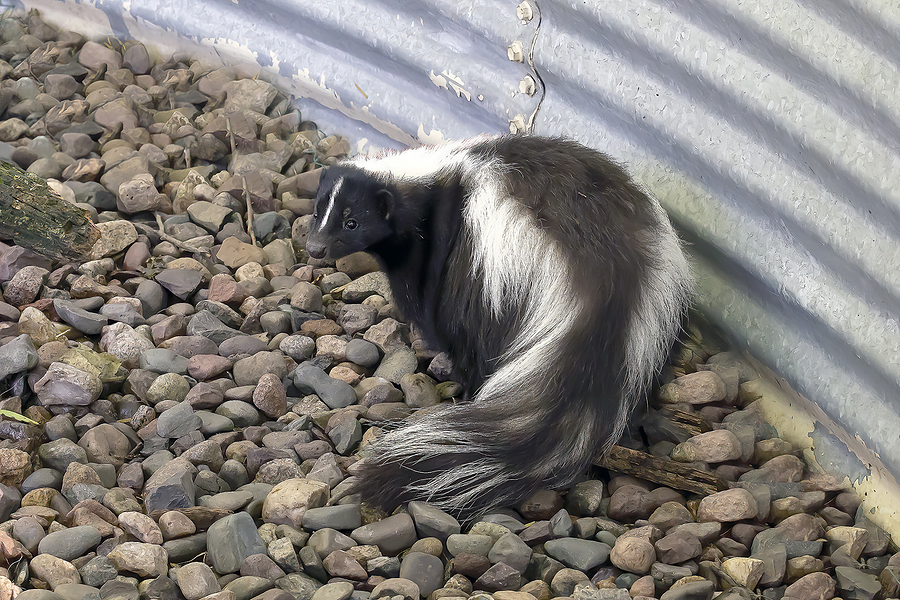
Skunks are nuisance animals that can cause damage to your property and pose a threat to your safety. Skunks are known for their ability to spray a foul-smelling liquid as a form of self-defense, and this spray can be very difficult to remove from clothing or skin. Skunks also dig holes in lawns in search of grubs and insects, and their burrowing can damage the roots of your plants. But that’s not all; skunks can also carry and transmit diseases that can harm people and pets.
Continue below to learn more about the dangers of nuisance skunks, and more importantly, how to protect your property and loved ones from skunk threats and damages.
Skunk Trapper Indianapolis Indiana 317-875-3099
Basic Facts About Skunks
Most people know skunks for their notorious defensive spray, which they use to ward off predators and other threats. But there’s a lot more to these interesting animals than just their smelly defenses! Here are some basic facts about skunks:
Skunks are members of the mustelid family, which also includes weasels, otters, and badgers. There are two main types of skunks – the striped skunk and the spotted skunk.
Skunks are typically black and white in coloration, with the exception of the albino skunk. They have a long, bushy tail, and their fur is thick and oily, which helps to repel water.
Skunks are relatively small animals, weighing between 4 and 10 pounds. They are nocturnal creatures, meaning they are most active at night.
Skunks use their powerful sense of smell to find food. Their diet consists mostly of insects, but they will also eat small mammals, reptiles, amphibians, fruits, and nuts.
Skunks are solitary animals, only coming together to mate. Females give birth to litters of 4-6 kittens in the spring. Baby skunks are born blind and deaf, but they grow quickly, reaching adult size within a few months.
As mentioned before, skunks are best known for their ability to spray a noxious liquid as a form of self-defense. This spray is produced by two glands located near the skunk’s anus, and it can be aimed with accuracy up to 15 feet away!
Skunk Diseases
There are a number of diseases that can be spread by skunks, including rabies and leptospirosis. Skunks are also known to carry the bacteria that cause tuberculosis, and while this disease is not currently widespread in skunks, it is still a concern for public health. In addition, skunks can also be carriers of the West Nile virus, which can be deadly to humans.
Skunks are not the only animals that can carry and transmit these diseases, but they are certainly one of the most commonly known carriers. This is due in part to their habit of spraying their musk, which can contain the bacteria that cause disease. If you come into contact with skunk musk, it is important to wash the area thoroughly with soap and water.
If you suspect that you or someone else has come into contact with a skunk and may have been exposed to one of these diseases, it is important to seek medical attention immediately. Early diagnosis and treatment are critical for the successful treatment of any of these diseases.
What to Do if You Encounter a Skunk
While skunks are generally peaceful animals, they will use their spray as a last resort when they feel threatened. So, if you see a skunk, it’s best to give it some space and admire it from a distance! Never attempt to touch, trap, harm, or kill a skunk. Simply turn around and walk briskly in the other direction. If you have skunks revisiting your property, they could pose threats of damage and disease. In this case, you are encouraged to seek out professional skunk removal and control service in your community.
Today, September 28th, is World Rabies Day! This day is brought to us by the Global Alliance for Rabies Control, which is an esteemed not-for-profit organization founded with the collective goal of bringing more Rabies awareness around the globe with the hopes of reducing canine fatalities caused by the virus.
To honor World Rabies Day, continue below to review some frequently asked questions about the Rabies virus, namely its link to wildlife management and control.
World Rabies Day – September 28th
World Rabies Day
September 28th
World Rabies Day is a worldwide awareness campaign aimed to spread knowledge and conscientiousness about Rabies protection and abatement. This is backed by various global human and veterinary health organizations, including the U.S. Centers for Disease Control and Prevention (CDC), World Health Organization (WHO), Pan American Health Organization (PAHO), and World Organisation for Animal Health (WOAH). It is even a United Nations Observance.
The first effective Rabies vaccine was invented by Louis Pasteur and his colleagues. All cases of Rabies Lyssavirus in humans were fatal until the vaccine was invented in the early 1900’s. Now, if a person is ever infected with Rabies, they can go to the emergency room and receive effective treatment to stop the virus from multiplying.
September 28th is reserved as World Rabies Day because it is the anniversary of Louis Pasteur’s death. This day honors his contribution to Rabies protection and abatement, plus works to bring more awareness, education, and advocacy surrounding the significant impact the Rabies virus has on both people and animals. Remember, Rabies is 99% fatal but 100% preventable. Do your part and get yourself, your loved ones, and your pets vaccinated!
FAQS About Rabies
Is Rabies Fatal?
Rabies Lyssavirus (RABV) is one of the deadliest infectious diseases in the world. Once signs and symptoms appear, 99% of the time it is fatal. According to Rabiesalliance.org, “More than 59,000 people die from rabies every year, 99% of which are a result of exposure to an infected domestic dog. This means that a person dies every 9 minutes from rabies.” According to the CDC, “about 60,000 Americans get Post-Exposure Prophylaxis (PEP) each year to prevent rabies infection after being bitten or scratched by an infected or suspected infected animal.”
Which Animal Spreads Rabies the Most?
Raccoons, skunks, bats, and foxes are most known for carrying the Rabies virus. But, according to the field coordinator for the National Rabies Management Program, Jordona Kirby, “Annual statistics indicate that raccoons are one of the number one species in which we see rabies cases every year.” Since a widely accepted public and animal health initiative in the 70’s, the U.S. government has been dispersing oral rabies vaccines through the National Rabies Management Program. In fact, this program has made history because it is the biggest organized effort to abate a zoonotic disease in wildlife ever in the United States.
Do I Have to Vaccinate My Pets Against the Rabies Virus?
The Indiana Administrative Code statute states that all dogs, cats, and ferrets must be vaccinated at 4 months of age, and then re-vaccinated annually, and then re-vaccinated according to manufacturer’s instructions. Pet vaccinations must be administered by a licensed and accredited veterinarian. According to the CDC, “Most pets get rabies from having contact with wildlife.” So, get your dogs and cats vaccinated annually and contact a local Indianapolis critter control company to protect your property from nuisance wildlife intrusions.
Woody Woodpecker didn’t give a true portrayal of woodpecker behavior. He was funny, entertaining, and quick-witted, but the woodpeckers in Tennessee can be a destructive nuisance to residential and commercial communities. If you have been wondering about an increase in woodpecker activity around your property, it is important to educate yourself on the various aspects of woodpecker abatement.
Continue reading to review some of the most frequently asked questions about woodpecker control, including what to do if you are at your wits’ end dealing with nuisance woodpeckers in Nashville.
Woodpecker Control Nashville Tennessee 615-337-9165
Woodpecker Control FAQS
What Kind of Woodpeckers Live in Nashville, Tennessee?
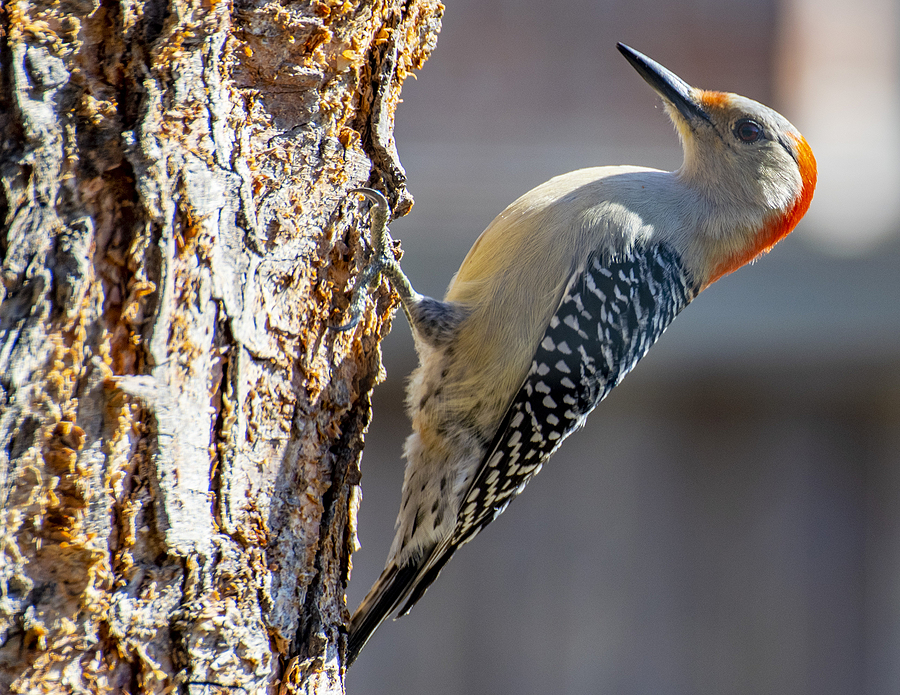
There are 7 prominent species of woodpeckers in the Tennessee region. These woodpecker species include the Downy Woodpecker, Northern Flicker, Hairy Woodpecker, Pileated Woodpecker, Red-bellied Woodpecker, Red-Headed Woodpecker, and Yellow-Bellied Sapsucker.
Why Do Woodpeckers Peck?
Arguably, woodpeckers are most known for their pecking. If you hear banging noises on the side of your house, it could be woodpeckers damaging your siding. We’ll get to that topic in a moment. For now, let’s talk about why woodpeckers Peck. Well, it’s instinctual. They peck to get to their food, mark their territory, communicate with other birds, and build nests.
Will Woodpeckers Damage My Property?
Woodpeckers are highly destructive to residential and commercial properties. Their pecking is forceful, and their beaks are sharp, which means anything they choose to peck on will endure structural damage. Common targets include fences, siding, roofing, and anything else made of wood, in particular. If you are preparing to renovate your home or building, such as the roof replacement or siding replacement, it’s recommended to go with this a material other than wood. If you have been experiencing severe nuisance woodpecker activity.
How Do I Get Rid of Woodpeckers?
Like most bird species in the United States, woodpeckers are likely federally protected under the Migratory Bird Treaty Act of 1918. This means it is against the law to touch, trap, harm, or kill a woodpecker or their nest/eggs on your property, or any property for that matter. Instead, if you find a dead or injured woodpecker on your property, contact a licensed wildlife removal company in Nashville. They have the proper permits to manage the situation safely and lawfully. They can further assist you with woodpecker control strategies and help protect your home from further woodpecker damage and activity.
Common strategies for woodpecker control involve both visual and auditory deterrents. You can place owl statues around the property to scare off woodpeckers because owls are a common predator. You can also hang reflecting streamers or balloons near the areas where woodpeckers frequent because the constant motion and flashing light scares them off.
It is also recommended to place a sound deterrent near their area activity, such as a predator bird call on a loop or a radio talk show. Woodpeckers will avoid both predators and people. The best way to get rid of woodpeckers without falling into any legal trouble is to call for professional bird removal and control service.
Are you ready for professional wildlife removal and control assistance for nuisance woodpeckers in Tennessee?Contact Budget Animal Removal at 615-337-9165 for TWRA licensed and insured Nashville, Tennessee animal removal for woodpeckers, pigeons, crows, starlings, grackles, and more. We serve commercial clients, too!
Have you spotted an increase in raccoon activity on or around your property? There is always a good explanation as to why. Your backyard might be grub-rich, enticing raccoons to dig up lawns and turf. You might have accessible food options, like unlocked trashcans or pet food. Or it could just be prime raccoon breeding season.
Continue below to learn which times of the year are breeding seasons for raccoons, plus what you can do to protect your home or business against raccoon tampering and intrusions.
Raccoon Control Service Indianapolis Indiana 317-875-3099
Raccoons are a Unique Species
Raccoon mating, breeding, and reproduction are pretty standard in terms of mammals. But there are some interesting facts surrounding raccoon breeding that sets them apart from other species. In fact, raccoons are fascinating mammals to learn about because they are so intelligent and curious. They exhibit strange and intelligent mannerisms and behaviors that still have us humans scratching our own heads! Learning about raccoons is fun and will give you a deeper appreciate for these smart wild animals. As for breeding, there is much you should know if you’ve seen raccoons on your property.
Breeding Seasons
Raccoons generally breed in early spring, usually around February or March, but also in early fall around September and October. However, mothers only raise one litter per year, so their breeding season depends on the region in which they live. Babies are born in April and May since mother raccoons have a 65-day gestation period, give or take a few days. When they breed in the fall, babies are born in November or early December, right before they shelter-up for the winter.
Raccoon Litters
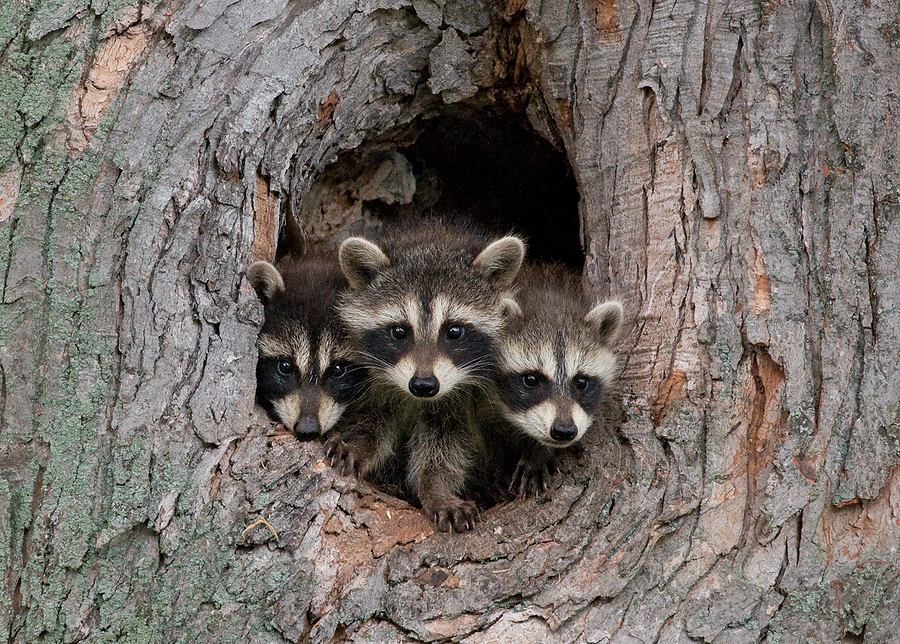
Depending on the region and climate, litter sizes will vary. Most mother raccoons give birth to 2 to 5 kits, but sometimes just a single one. Litter sizes are typically larger in areas where raccoon mortality rates are higher. Raccoon babies are called “kits” or “cubs”, and are actually born blind, deaf, and without teeth! But they are born with their trademark black mask around the eyes. After 3 weeks or so, their eyes and ear canals will start to open. Once they are 2 lbs. or so, they will begin exploring their surroundings on their own. By 6 to 9 weeks, they are eating solid foods, and by 4 months old, they are completely weaned from their mother’s milk and hunting on their own. At this point juveniles split up for fall and winter since mother raccoons have already shown them to dens and food sources.
Mothers and Fathers
Male raccoons have no part in raising their young. It’s not personal, it’s just nature. Mother raccoons, on the other hand, are very protective of their litters. In fact, it is common for dogs and humans to be bitten or attacked by a mother raccoon trying to protect her young. For this reason, it is vital to never attempt to touch or instigate a raccoon if you see her with her young! Mother raccoons are great moms too. They show their kits how to hunt, climb trees, and protect themselves.
Do you have raccoons in the attic or raccoons disturbing your property? Contact Budget Animal Removal at 317-875-3099 for professional raccoon removal and raccoon control in Indianapolis, Indiana. We provide residential and commercial services at the most competitive prices around.
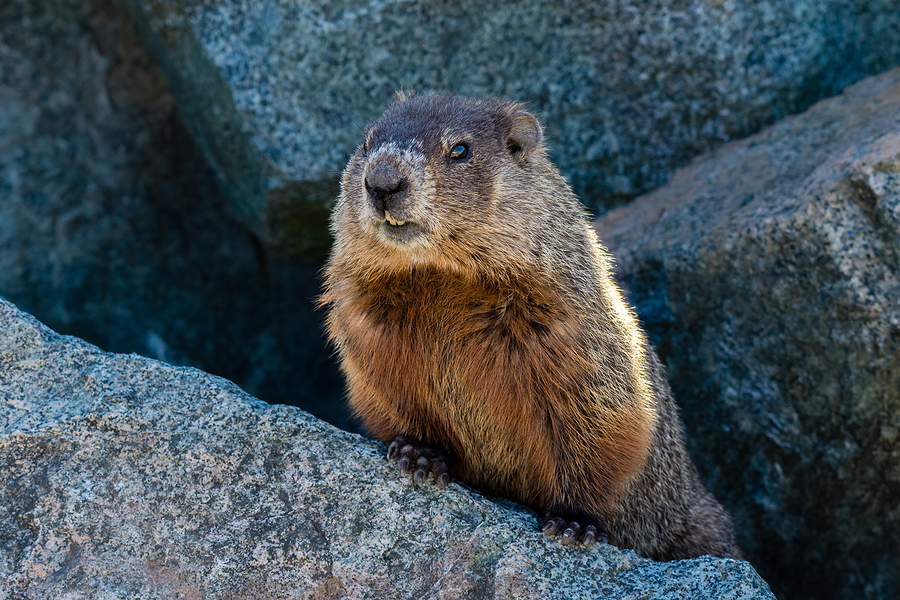
Whether you call them woodchucks or groundhogs, they are the same species of mammal that can wreak havoc on a home or property owner’s lot. If you have questions about nuisance groundhogs, you are in the right place. Continue below to review some frequently asked questions and answers about woodchuck control and abatement, including what you need to do if you are currently dealing with a localized population that is tampering with your property in Indianapolis.
Woodchuck Removal Indianapolis Indiana 317-875-3099
Woodchuck Removal and Control FAQS
Where Do Woodchucks Live in Indiana?
Woodchucks are woodland critters, and like many other species, have evolved over the years to adapt to more urban and suburban environments. Here in Indiana, you can find woodchucks just about anywhere, from the grassy edges and medians of highway exits to riverbanks, school yards, culverts, woody meadows, and of course, our own backyards and business lots. You see, groundhogs live underground in sophisticated tunnel systems that lead to their burrows. So, for the most part, you don’t even notice woodchuck populations around you, that is, until they began to tamper with your property.
Should I Be Afraid of Woodchucks on My Property?
Although woodchucks are not likely to approach humans, let alone attack them in any form or fashion, they are known to be destructive. Woodchucks are avid and fervent diggers. Because they live underground, they are incredibly gifted at burrowing deep into the soil and building elaborate den systems to rear their young. Their natural instinct to dig and burrow causes all sorts of serious problems for property owners.
Such digging can impact the integrity of your foundation and underground utility lines, as well as any other built structure on your lawn. Their burrowing can also cause other types of structural damages on your property if they choose to burrow beneath concrete slabs, driveways, patios, porches, and garages. They are known to tunnel areas of the property and cause extreme amounts of damage.
Woodchucks are also known for pillaging gardens and flower beds. Some of their favorite foods include dandelions, clovers, weeds, and a variety of grasses. However, they will eat the leaves and foliage of all sorts of other herbs, plants, vegetables, and flowers.
How Do I Remove a Woodchuck Under My Patio?
As mentioned earlier, woodchucks are known for burrowing beneath structures of a home or property, including patios, decks, and porches. If you suspect that you have woodchucks underneath your deck or porch, it is important that you take specific steps to ensure optimal safety for you and your loved ones, as well as the structural integrity of your patio. First, keep young children and pets away from the area. Next, contact in Indianapolis critter control company for safe woodchuck removal services.
Do Woodchucks Have Rabies?
Although it is possible for virtually any mammal to contract the rabies virus, rodents rarely do. Being part of the Sciuridae family and Rodentia order, woodchucks are technically a rodent species.
What Does it Mean if a Woodchuck is Walking in Circles and Seems Disoriented?
If you see a woodchuck walking in circles, seemingly disoriented, and appearing as if they’re drunk, you might immediately assume that they are rapid. However, as just mentioned, woodchucks rarely contract rabies virus. So, if you see this behavior, it could be due to the neurological effects of having a roundworm or similar parasitic infection. It may also be due to brain damage or serious injury from being hit by a car. Groundhogs often live underground within medians of highways and tall grasses on the sides of streets, so they are common roadside collateral.
How Can I Keep Woodchucks Out of My Gardens?
Woodchucks certainly enjoy an accessible garden or flower bed. The most popular and effective method for keeping woodchucks out of gardens is installing a chicken wire fence. Just be sure it’s deep enough so they cannot burrow underneath it. Homeowners and property owners have also had success with groundhog control using automated sprinkler systems around gardens.
What Should I Do If I Find a Nest of Baby Woodchucks?
Many people call in asking about baby groundhogs. Baby groundhogs, called pups, are born hairless and blind, so they are quite helpless until they reach 5 or 6 weeks of age. At this time, they are weaned from the den and begin venturing out on their own. So, during mid-summer months, it is common to spot a baby groundhog by themselves. Although they seem abandoned, they are probably just a little lost or far from their den.
If you find a nest of baby woodchucks, but you do not see the mother anywhere around, there are a few things you can do. First, do not touch the baby groundhogs. Not only do you want to avoid contracting any parasites or infectious diseases, but it is important for you to not pass along any germs to them as well. If you know where the burrow was located, try using baits like dandelions and clovers to lure them back to their burrow. If you don’t know where the den is, your best course of action is to contact an Indianapolis groundhog removal company for safe and humane relocation services.
Can I Use Poisons to Get Rid of Woodchucks?
No! Never use poisons! It is against all industry best practices and state and federal wildlife regulations to use any type of poison or fatal repellent to get rid of woodchucks. If you are dealing with nuisance groundhogs, you can make your own non-toxic animal repellent and apply it to the perimeter of your property, or in areas where woodchucks are the most active.
These repellents contain animal proofing ingredients like capsaicin oil and putrescent egg. Although non-toxic and nonfatal, these ingredients can cause nose, mouth, throat, and eye irritation. For this reason, be sure to keep treated areas blocked off from children and pets. Aside from a repellent, get rid of woodchucks by calling an Indianapolis animal removal company for licensed groundhog control services.
Yard moles are one of the most destructive and frustrating nuisance animals in the Tennessee region. Not only are they difficult to keep out, let alone get rid of, but they are also capable of causing a massive amount of damage to your lawn, mulch beds, and gardens.
If you are having an issue with nuisance moles in your yard, it is important to educate yourself on the best practices for critter removal and control. Start by learning about the most common yard mole species in the United States so you know which type of mole you are dealing with.
The Common Mole (Scalopus aquaticus)
Types of Animal Moles in the United States
The most common species of moles in the United States are the Eastern moles, Star-Nosed moles, and Shrew moles. Although very similar in nature, each species has its own set of unique characteristics and attributes.
The Eastern Mole (Scalopus aquaticus)
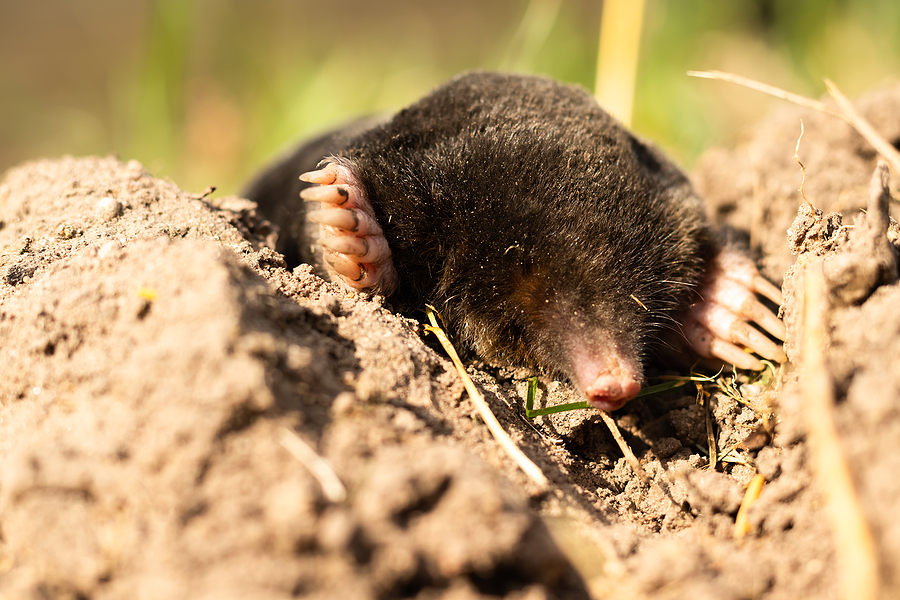
The Eastern mole (Scalopus aquaticus), also referred to as the Common mole or North American mole, is the most common species of mole in North America. In fact, they can be found in regions spanning from Canada to Mexico, giving them the widest range of all the mole species. They appear like any standard mole you would imagine, with long snouts, hidden eyes, dark sleek fur, short bodies, and spade-shaped paws. Adults are medium-sized, generally around 6 inches in length not including their tails, and around 2.5 ounces in weight. This same mole is known as the European mole in Europe and Asia.
Star-Nosed Mole (Condylura cristata)
Generally native to the Eastern coastal regions, the Star-Nosed mole (Condylura cristata) is a unique mole species due to its protrusions that extend out of their snouts, making them look like one of those monsters on Stranger Things. These are called their Eimer’s organs, which are touch organs that have over 25,000 miniscule sensory receptors. They use this star-shaped snout to acutely detect insects and similar prey in soil. Scientific theories suggest their sensory receptors can detect seismic wave vibrations! They also have hairy tails, making them even more distinct from the Common mole.
American Shrew Mole (Neurotrichus gibbsii)
The American shrew mole (Neurotrichus gibbsii), also referred to as Gibb’s Shrew Mole and Least Shrew Mole, is special in that it is the smallest species of yard mole in world. Now, shrews and moles are two different types of animals, but this mole gets its name because it looks more like a shrew than it does a mole, namely because of its fur. Their habitat range stays consistent, from Middle California to the southern-most cities in British Columbia. They can also survive at higher elevations, which is why they can be found inhabiting the Cascade and Sierra Nevada Mountain ranges.
Are you dealing with nuisance moles? Let’s put a stop to it immediately!Contact us at 615-337-9165 for TWRA licensed and insured Nashville, TN critter control for moles and more. We serve commercial clients, too!
Even though opossums have a bad reputation, they are actually quite fascinating. For instance, did you know that opossums are a type of marsupial, just like kangaroos? Or that they are one of the Earth’s oldest surviving mammals that has thrived for more than 70 million years? See? Opossums really are interesting! Continue below to learn about opossums so that you may better understand these highly misunderstood mammals!
Opossum Critter Control Indianapolis Indiana 317-875-3099
Nuisance Opossums and the Damage They Can Do
Here in the United States, opossums are known as scavengers and for good reason. Their very basic and non-specialized biology combined with their flexible diet and steadfast reproductive system makes them very successful at rapid colonization, plus allows them to survive in a wide range of locations and conditions. Consequently, opossums are a common pest problem for various suburban and city areas across the country.
Opossums are notorious for digging up gardens and lawns, pillaging garbage cans, devouring any outdoor food (including pet food and livestock feed), tearing through home siding, building dens underneath porches, and much more. The amount of damage they can cause is limitless, and the longer they are present, the more damage they can do.
All of these reasons are important to consider if you have a possum problem or infestation on your property. It is important to contact a local and trusted Indianapolis wildlife removal company for non-lethal opossum removal services.
Noteworthy Facts About Opossums
Aside from being a pest, there are some worthy attributes and characteristics about opossums that are interesting to learn. Perhaps they are a huge pest problem in many areas, but in the wild, they are just another mammal living in harmony with their surrounding Eco-system. Here’s some notable facts to start with:
The Virginia opossum (Didelphis virginiana) is also known as the North American opossum. It is the only species of opossum in the United States. Their name stems from the Algonquin word “apasum” meaning white animal, given by Captain John Smith in 1608.
Opossums are basically a step above omnivorous, as they will eat almost anything, including roadkill, dead animals, bugs, rodents, small birds, eggs, frogs, plants, fruits, grains, pet food, and human food scraps. They will even eat skeletal remains for calcium.
Opossums live in agricultural areas, woodlands, rural, urban, and suburban areas. They are generally solitary and nomadic, staying in one place until the food and water run out.
Opossums are nocturnal and crepuscular mammals. They are active from dusk to dawn.
Opossums are marsupials and “pouch” their young. Yes, just like kangaroos!
Opossums are incredible climbers and use their long, bald tail for balancing and handing upside down.
When threatened or injured, opossums will “play possum” by lying still and pretending to be dead. They might also belch, growl, urinate, or defecate.
Opossums have 50 sharp teeth and sharp claws. They are not aggressive by nature but can appear very menacing.