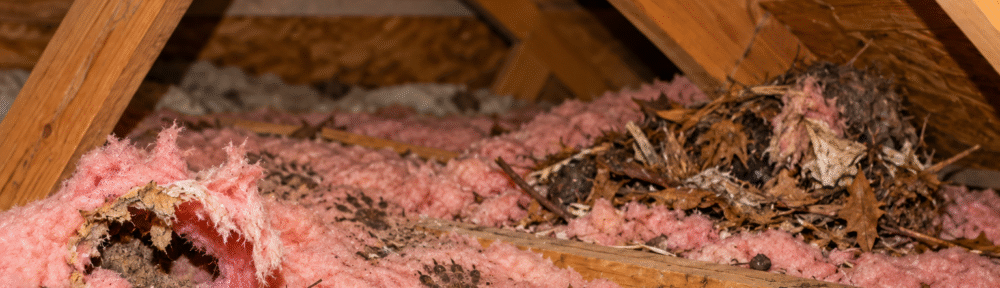
Scratching sounds overhead at 2 a.m. A foul smell drifting from the ceiling. These are often the first clues that raccoons have moved into your attic, and Indianapolis homeowners face this problem more often than they’d like.
Raccoons don’t just make noise. They tear apart insulation, contaminate surfaces with feces and urine, and carry pathogens that pose real health risks to your family and pets. The longer they stay, the more expensive the damage becomes.
This guide walks you through how to spot a raccoon infestation, why these animals target attics in the first place, and what your removal options look like—including when it’s time to call in a professional.
Signs You Have Raccoons in Your Attic
Raccoons are large, heavy animals—healthy adults weigh between 15 and 30 pounds—so their movements are rarely subtle. Here’s what to watch for:
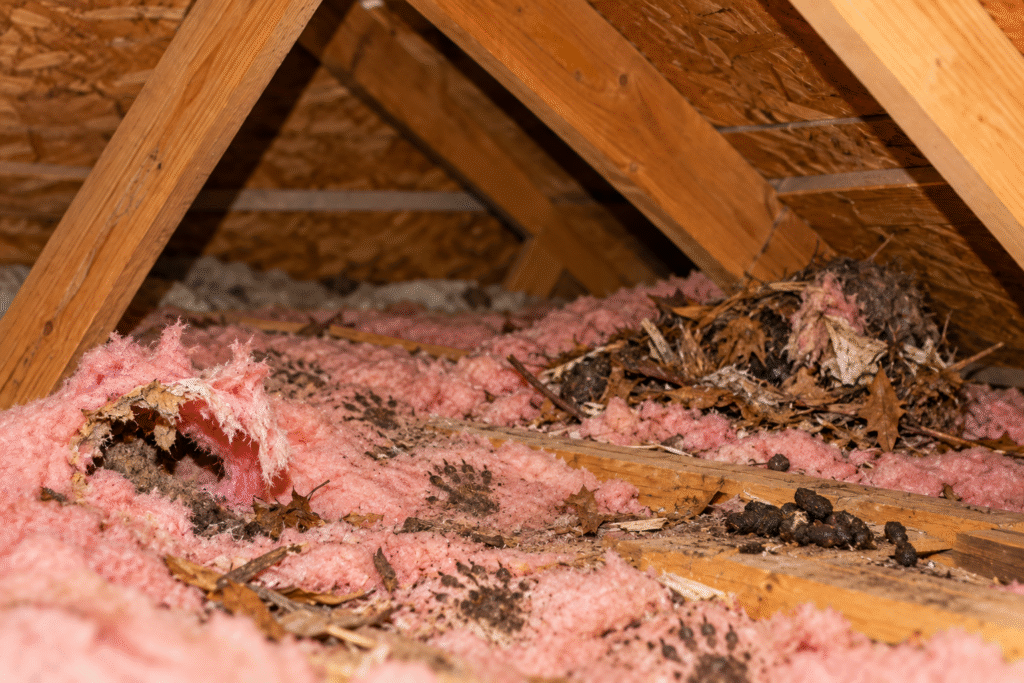
- Nighttime noises: Heavy thumping, rolling sounds, or scratching, especially after dark when raccoons are most active
- Foul odors: A strong, musky smell often signals a buildup of droppings and urine
- Visible droppings: Concentrated latrine areas near entry points or in attic corners
- Structural damage: Torn insulation, chewed wiring, or displaced vents
- Entry holes: Gaps in the roofline, soffits, or siding that appear worn or widened
If you notice any of these signs, don’t wait. Raccoons cause damage from the very first night they move in, and that damage compounds quickly.
Why Raccoons Target Indianapolis Attics
Warmth, Shelter, and Nesting Instincts
Attics offer raccoons everything they need: warmth, protection from predators, and a quiet space to raise young. Female raccoons are especially drawn to attics during breeding season, which typically runs from late winter through spring in Indiana. A mother raccoon preparing to give birth will tear up insulation and building materials to construct a nest, regardless of the damage it causes.
Common Entry Points
Raccoons are resourceful and strong enough to widen small openings into full-sized entryways. Common access points include:
- Gaps in rooflines or damaged soffits
- Unsecured or broken vents and chimneys
- Loose siding or unsealed openings around pipes
A 4-inch gap can become a 12-inch opening after repeated use, so even minor damage should be addressed right away.
How to Remove Raccoons Safely
What Professional Removal Includes
A qualified wildlife control specialist typically follows a structured process:
- Inspection: Identifying entry points, nest locations, and the extent of damage
- Humane trapping: Using live traps and safe handling techniques to remove raccoons without harm
- Exclusion: Sealing entry points to prevent future access
- Cleanup: Removing contaminated insulation and sanitizing affected areas
This last step matters more than most homeowners realize. Raccoon droppings can harbor dangerous parasites, and disturbing them without protective equipment puts you at risk. Professional wildlife cleanup addresses contamination that a simple vacuum or wipe-down cannot.
DIY Prevention Strategies
While full removal is best left to licensed professionals, homeowners can take steps to make their property less appealing to raccoons in the first place:
- Secure trash cans with locking lids
- Remove outdoor food sources, including pet food and bird seed
- Trim tree branches that overhang your roofline
- Install chimney caps and vent covers
- Repair small entry holes before they widen
Health and Safety Concerns
Raccoons aren’t just a nuisance. They pose genuine health risks that make DIY removal risky business.
Raccoon roundworm (Baylisascaris procyonis) is one of the most serious concerns. An infected raccoon can shed up to 45 million eggs per day in its feces, and these eggs can survive in soil and insulation for years. In humans, exposure can lead to serious complications, including vision loss, organ damage, or neurological harm.
Rabies is another concern, as raccoons are among the primary carriers in the region. Any raccoon acting erratically or appearing unafraid of humans should be treated as a potential risk and left alone.
Leptospirosis, spread through contact with raccoon urine, can cause symptoms ranging from mild flu-like illness to severe liver and kidney complications.
Beyond the health risks, contaminated insulation loses its effectiveness. Saturated insulation can lose 30 to 50 percent of its thermal performance, driving up energy bills while your home works harder to stay comfortable.
Cost of Raccoon Removal in Indianapolis
Raccoon removal costs vary based on the size of the infestation, the extent of damage, and whether cleanup or repairs are needed. Generally, homeowners can expect costs tied to:
- Inspection and assessment: A thorough evaluation of entry points and damage
- Trapping and removal: Humane methods to safely extract raccoons, which may require multiple visits
- Entry point sealing: Preventing raccoons—or new ones—from returning
- Cleanup and repair: Removing contaminated insulation and restoring damaged materials
Costs increase when multiple raccoons are involved, especially if young are present, since removal must be handled carefully to keep the family together during relocation.
As for insurance, homeowners’ policies typically don’t cover the cost of raccoon removal itself. Some policies may cover sudden structural damage, but damage from a prolonged infestation is often excluded. It’s worth checking with your provider before assuming coverage.
Frequently Asked Questions
How long does raccoon removal take?
A single raccoon may be removed within a few days. Situations involving multiple raccoons or young kits can take one to three weeks, as removal often requires multiple visits and careful monitoring.
Will raccoons return after removal?
They can, if entry points and food sources remain accessible. That’s why sealing entryways and removing attractants is just as important as the initial removal.
What’s the best time to remove raccoons?
Removal can happen year-round, but late winter through spring requires extra care since this is breeding season. If young raccoons are present, removal takes longer to ensure the entire family relocates safely.
Can I remove raccoons myself?
It’s not recommended. Raccoons can be aggressive when cornered, and handling contaminated insulation without proper protection puts you at risk of exposure to parasites and bacteria. Licensed professionals have the training and equipment to handle the job safely.
Protect Your Home from Raccoon Damage
Raccoons in your attic won’t leave on their own, and every day they stay increases the risk to your home and your health. Catching the problem early—and calling in a professional—can save you from costly repairs down the road.
Budget Animal Removal provides expert raccoon removal and control throughout Indianapolis, Indiana. Our team offers free estimates, humane removal methods, and thorough cleanup to get your home back to normal. Contact us today to schedule an inspection.
Related Posts:
Raccoons in the Attic? How to Outsmart the Nightly Bandits
Is it Raccoon Breeding Season?
Animals in the Attic? Your Guide to DIY Wildlife Control in Indiana