
Overgrown trees don’t just look untidy. They serve as an open invitation for raccoons, squirrels, and other nuisance wildlife looking for their next home. As a wildlife control company, we see this pattern play out constantly across Indianapolis neighborhoods: a branch grows too close to the roofline, and within weeks, a family of raccoons has moved into the attic.
The good news? Most of these problems are preventable. A well-maintained tree canopy removes the pathways wildlife rely on to access your home, and it takes away the shelter they’re searching for in the first place.
This post breaks down how overgrown trees attract unwanted animal visitors, plus the trimming and pruning habits that keep your property less appealing to them. We’ll also cover when a DIY approach makes sense, and when it’s time to bring in a professional.
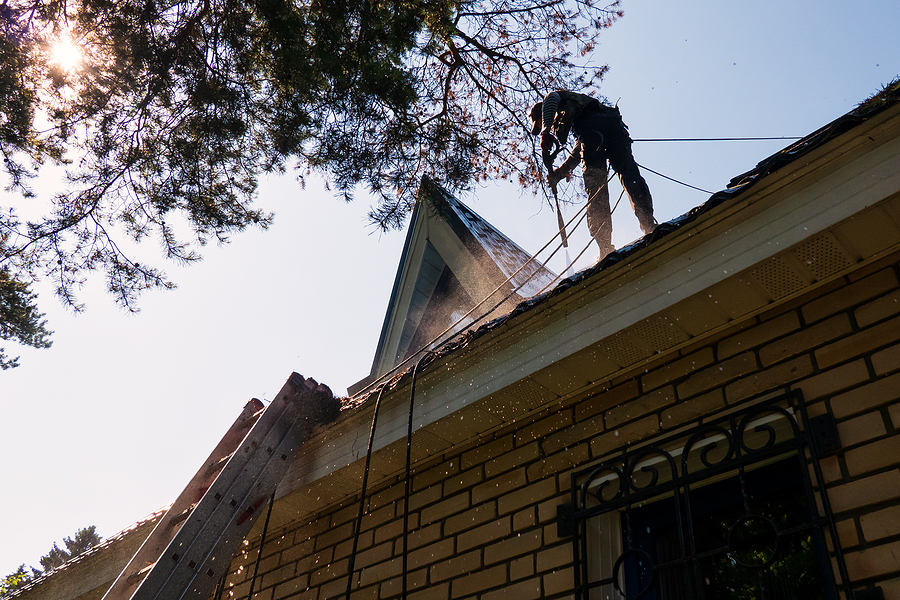
How Overgrown Trees Attract Wildlife
Trees are wildlife magnets by nature. But when they’re left unchecked, they become something closer to a welcome mat.
Dense, overgrown branches provide the exact kind of shelter that raccoons, squirrels, and birds look for when choosing a nesting spot. Thick foliage hides them from predators and the weather, making your yard an attractive place to settle down.
Low-hanging limbs are just as problematic. Raccoons are skilled climbers, and branches that stretch toward your roofline act as a direct bridge onto your home. Squirrels use the same limbs as launch pads, often leaping several feet to clear the gap between tree and rooftop.
Fruit-bearing and nut-bearing trees add another layer of temptation. Fallen fruit, acorns, and seeds are a reliable food source for rodents, raccoons, and other opportunistic feeders, drawing them onto your property even before they consider moving in.
Essential Tree Trimming Tips for Wildlife Prevention
Keeping your trees trimmed is one of the simplest, most effective ways to make your property less appealing to nuisance wildlife. Here’s where to focus your efforts.
Remove Dead Branches
Dead wood is a magnet for insects, and insects are a food source for many of the animals we deal with, including woodpeckers, raccoons, and squirrels. Beyond the pest angle, dead branches are also more likely to break off, creating gaps and openings that animals can use to gain entry into your home. Walk your property every season and remove any dead or dying limbs you spot.
Trim Branches Away From Structures
This is the tip that makes the biggest difference. Keep tree limbs at least six to eight feet away from your roof and siding. That distance is generally too far for raccoons and squirrels to jump, cutting off one of their most common routes onto your home.
Thin Out Dense Foliage
A thick, overgrown canopy gives wildlife plenty of places to hide and nest. Thinning out excess branches reduces those hiding spots while also improving air circulation, which is better for the tree’s overall health.
Cut Back Lower Branches
Low branches near the ground give animals an easy path to climb up into the tree canopy in the first place. Trimming these back removes a step in that process, and it also makes the area less inviting for burrowing animals looking for cover.
Pruning Best Practices for Year-Round Wildlife Control
Timing matters when it comes to pruning. Late winter, while most trees are dormant, is generally the best window for major trimming work. Trees are easier to assess without a full canopy of leaves, and cuts made during dormancy tend to heal well before pests and diseases become active again in spring.
That said, don’t wait for the “ideal” season if you spot a safety hazard. A cracked or broken branch hanging near your roof should be addressed right away, regardless of the time of year.
As a general rule, avoid removing more than 20 to 30% of a tree’s canopy in a single year (International Society of Arboriculture [ISA], 2023). Over-pruning stresses the tree and can lead to bigger problems down the line. According to the International Society of Arboriculture (ISA), excessive pruning can weaken a tree’s structure, making it more vulnerable to disease, pest infestations, and storm damage.
If you’re handling trimming yourself, stick to branches you can safely reach from the ground or a sturdy ladder. Anything requiring you to climb into the tree, or work near power lines, is a job better left to a professional with the right training and equipment.
When to Call a Professional
Not every tree trimming job is a weekend DIY project, and that’s okay. It’s worth calling in a professional when:
- The job requires specialized equipment, like a bucket truck or climbing gear, to reach higher limbs safely.
- Your property has multiple large trees or problem areas that would take significant time and effort to address on your own.
Wildlife has already moved into your trees or attic. In this case, trimming alone won’t solve the problem. You’ll need a trained wildlife removal service to safely handle the animals before any prevention work begins.
Frequently Asked Questions
How often should I trim my trees?
Most trees benefit from a trim once a year, though faster-growing species may need attention more frequently. Regular seasonal walk-throughs will help you catch problem branches before they become bigger issues.
What’s the best time of year to prune?
Late winter is typically ideal for most deciduous trees, since they’re dormant and easier to assess without leaves. However, hazardous branches should be removed immediately, no matter the season.
Can trimming alone solve my wildlife problem?
Trimming reduces the chances of wildlife accessing your home, but it won’t remove animals that have already moved in. If you’re hearing noises in your attic or spotting signs of nesting, you’ll need a wildlife removal service to handle the situation safely and humanely.
Keep Wildlife Off Your Property, For Good
Regular tree trimming is one of the most effective, low-cost steps you can take to keep raccoons, squirrels, and other nuisance wildlife off your property. A little seasonal maintenance goes a long way toward protecting your roof, attic, and peace of mind.
But if wildlife has already found its way into your home, trimming your trees won’t undo the damage. That’s where we come in. Let us help you with your nuisance wildlife problems—contact Budget Animal Removal in Indianapolis, Indiana, today.
Related Posts:
How to Stop Rabbits From Damaging Your Trees and Shrubs
Common Signs of Unwanted Wildlife Activity Around Your Home
How to Control Indiana Wildlife During Breeding Season