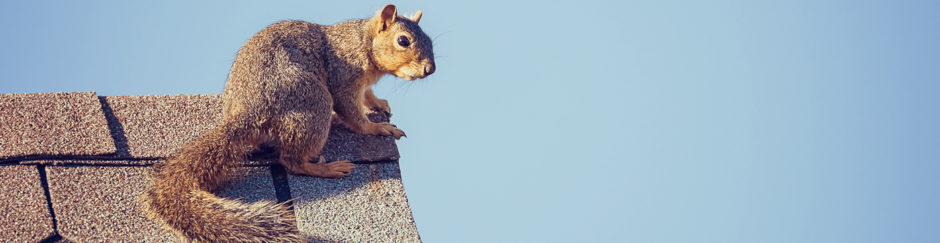
Your home should feel safe—but sometimes, uninvited guests move in without an invitation. Wild animals like mice, raccoons, and bats are skilled at slipping into attics, basements, and crawl spaces, often going unnoticed until the damage adds up. The earlier you spot the warning signs, the easier (and cheaper) it is to deal with the problem.
This guide walks you through the most common indicators of wildlife activity around your home or business. You’ll learn what to look for, which animals are likely behind the signs, and what steps to take next when you suspect something has moved in.
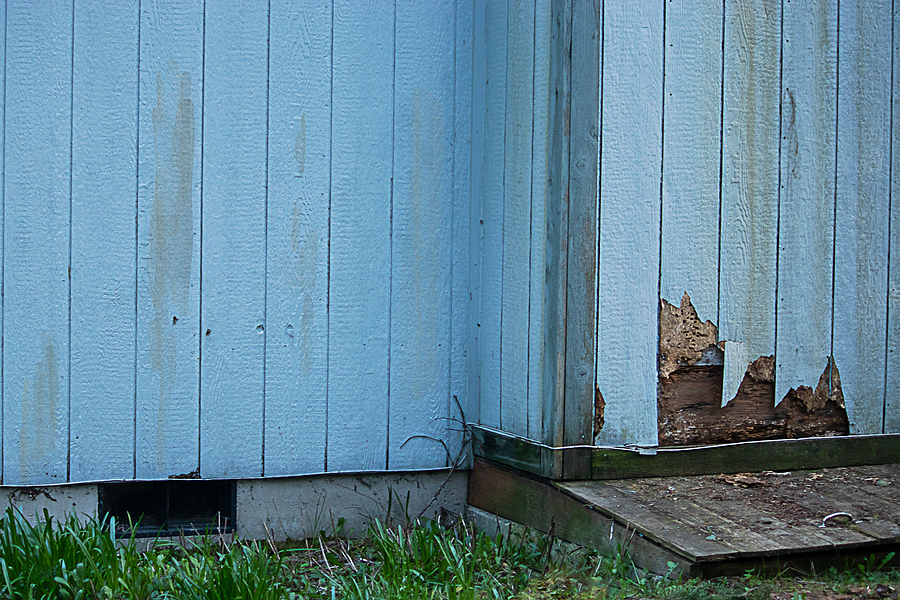
Recognizing the Signs of Wildlife Presence
Wildlife tends to leave clues long before you ever see the animal itself. Knowing these signs helps you act quickly and limit the damage.
Droppings and Urine Stains
Animal droppings are one of the clearest signs of an infestation. The size, shape, and location can tell you a lot about what you’re dealing with. Mouse droppings are small and pellet-like, while raccoon droppings are larger and tube-shaped. You may also notice dark urine stains on insulation, ceilings, or walls, often accompanied by a strong, musky smell.
Property Damage: Gnaw Marks, Nests, and Burrows
Many animals chew, dig, and build to make themselves at home. Look for gnaw marks on wood, wires, and food packaging—a common sign of rodents. Nests made from shredded paper, fabric, or insulation often turn up in attics and wall voids. Outside, you might spot burrows near your foundation, deck, or shed.
Unfamiliar Noises and Odors
Strange sounds are a major red flag. Scratching, scurrying, or thumping noises in your walls or ceiling—especially at night—often point to nocturnal animals. Persistent foul odors can also signal urine, droppings, or even a dead animal trapped somewhere in your home.
Common Wildlife Intruders and Their Telltale Signs
Different animals leave behind different clues. Here’s how to tell who might be causing trouble.
Rodents: Mice, Rats, and Squirrels
Rodents are among the most common home invaders. Mice and rats leave small droppings, gnaw marks, and greasy smudges along baseboards. Squirrels are noisier and often active during the day, making scratching sounds in attics and chewing on roof edges and vents.
Raccoons and Opossums
Raccoons are strong and clever, often tearing through soffits, vents, or shingles to reach attics. Look for large droppings, torn insulation, and overturned trash cans. Opossums tend to hide in crawl spaces and under decks, leaving behind droppings and a noticeable odor.
Birds and Bats
Birds build nests in vents, chimneys, and gutters, leaving feathers and droppings behind. Bats often roost in attics and leave guano (bat droppings) piled below their entry points. A faint chirping or fluttering sound at dusk can signal a bat colony overhead.
Why Early Detection Matters for Wildlife Issues
Catching wildlife activity early can save you from costly repairs and serious health risks down the road.
Preventing Structural Damage
Animals can cause major damage in a short amount of time. Chewed electrical wires create fire hazards, while torn insulation reduces energy efficiency. Burrowing animals can even weaken foundations and damage support beams.
Health Risks and Contamination
Wildlife carries diseases that can spread to humans and pets. Droppings and urine may contain harmful bacteria, parasites, or viruses such as hantavirus, leptospirosis, and rabies. Contaminated insulation and surfaces also pose ongoing health risks if left untreated.
Protecting Your Landscape and Garden
Wildlife damage isn’t limited to the inside of your home. Digging animals can ruin gardens, lawns, and flower beds. Burrows and tunnels disturb root systems, while hungry critters feast on plants, fruits, and vegetables.
Next Steps When You Suspect Wildlife Activity
Once you notice the warning signs, acting quickly is key to protecting your property.
Initial Inspection and Identification
Start with a careful inspection of your attic, basement, crawl spaces, and exterior. Look for the droppings, gnaw marks, and entry points described above. Identifying the animal helps determine the safest and most effective removal method.
Professional Wildlife Removal Services
Wildlife removal is rarely a simple DIY job. Professional wildlife control services have the training, tools, and experience to remove animals safely, seal entry points, and clean up contaminated areas. They also follow local regulations on humane trapping and relocation, giving you peace of mind that the job is done right.
Frequently Asked Questions
How do I know if I have a wildlife problem?
Common signs include droppings, gnaw marks, nests, strange noises, and foul odors. If you hear scratching in your walls or ceiling—especially at night—or notice damage around your foundation, you may have unwanted wildlife on your property.
Are wildlife droppings dangerous?
Yes. Animal droppings can carry harmful bacteria, parasites, and viruses such as hantavirus and leptospirosis. Avoid handling droppings yourself, and have contaminated areas cleaned and disinfected by a professional.
Can I remove wildlife myself?
DIY removal is risky and often ineffective. Wild animals can bite, scratch, and spread disease, and improper removal may break local wildlife laws. Professional removal is safer, more humane, and more reliable.
Safeguarding Your Home or Business
Spotting the signs of wildlife activity early is the best way to protect your property, your health, and your wallet. Regular inspections and quick action can stop a small problem from becoming a costly infestation. When in doubt, trust the experts to handle the situation safely and humanely.
Dealing with unwanted wildlife in Indianapolis or the surrounding townships? Call Budget Animal Removal for professional wildlife control and trapping—request your free estimate today.
Related Posts:
Recognizing the Signs of Nuisance Wildlife Trouble Near Your Property
Animals in the Attic? Your Guide to DIY Wildlife Control in Indiana
Top Nuisance Animals to Watch Out For in the Summer