
Finding a baby raccoon on your property can spark an unexpected emotional response. Those dark, curious eyes and tiny masked faces make them seem almost irresistible. But before you scoop one up and bring it inside, there are serious legal, behavioral, and health considerations that every Indianapolis resident needs to know.
This post covers exactly what Indiana state law says about raccoon ownership, what it actually takes to raise one, and what to do if you find a wild raccoon in or around your home.
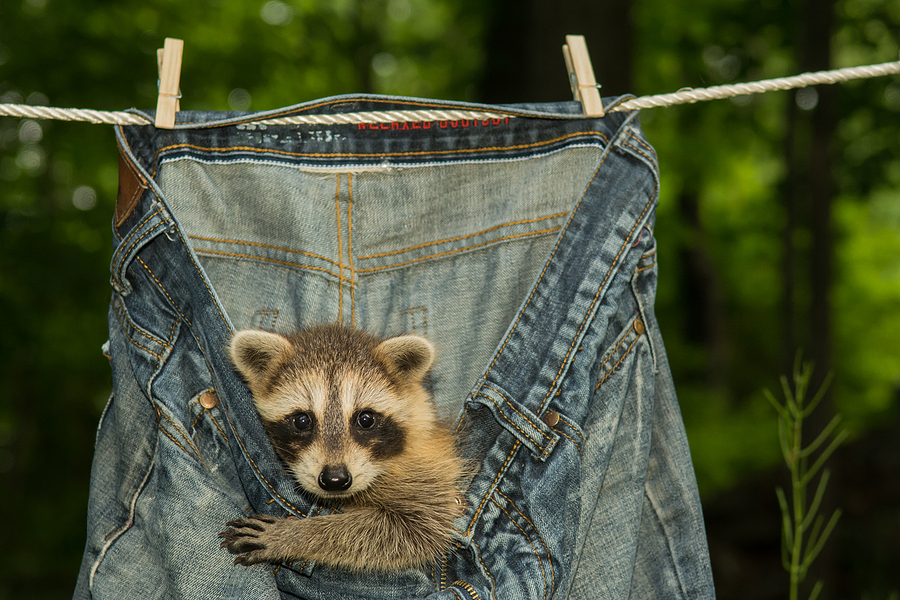
Is It Legal to Own a Pet Raccoon in Indianapolis?
The short answer is yes—with significant conditions. Raccoon ownership is legal in Indiana, but it comes with a layered set of rules at both the state and city level that most people don’t fully realize.
State Regulations on Exotic Animals
Indiana is one of a limited number of U.S. states that permit raccoon ownership. To do so legally, you must obtain a Wild Animal Possession Permit from the Indiana Department of Natural Resources (Indiana DNR). The process includes several strict requirements:
- The raccoon must be purchased from a licensed breeder—not taken from the wild
- The permit application must be submitted within five days of acquiring the animal
- Within 45 days of the permit being issued, you must submit written verification from a licensed veterinarian confirming the animal was examined
Taking a raccoon directly from the wild is illegal in Indiana. Good intentions don’t override the law.
City Ordinances in Indianapolis
At the city level, Indianapolis adds another requirement. Under Chapter 531, Article V of the Indianapolis-Marion County Code of Ordinances (Section 531-502), it is unlawful to own a wild animal in Indianapolis without first registering the animal with the Animal Care Services agency. Section 531-506 also requires that warning signs be posted at any premises where a wild or dangerous animal is kept.
So even if you’ve secured a state permit, you’re also required to register the raccoon locally. Failure to do either can result in legal consequences.
The Challenges of Raising a Raccoon
Legal hurdles aside, keeping a raccoon as a companion animal is genuinely demanding—more so than most people anticipate.
Raccoon Behavior and Temperament
Raccoons are intelligent, curious animals with excellent problem-solving skills and long memories. But intelligence doesn’t translate to trainability in the way it does with dogs. According to Pet Keen, “Raccoons are mischievous and unpredictable by nature and they can be aggressive. Even if you think you’ve tamed a wild raccoon, that animal can turn on you at any moment and deliver a wicked bite with its sharp teeth.”
Unlike domesticated dogs—which have evolved over thousands of years to form social bonds with humans—raccoons lack that same capacity for connection. They may adapt to a household environment to some degree, but they cannot be fully domesticated. If they aren’t socialized extensively before six months of age, they often remain unpredictably aggressive throughout their lives.
One more practical issue: raccoons are nocturnal. They sleep through most of the day and are active through the night—the opposite schedule of the average person. Feeding, supervising, and interacting with a nocturnal pet creates real logistical challenges for most households.
Dietary Needs and Housing Requirements
Raccoons are omnivores, eating a varied diet of meat, eggs, insects, fruits, vegetables, and nuts. In captivity, low-protein, low-fat dog kibble can supplement their diet, but they’re highly prone to obesity, which can lead to heart disease, diabetes, and joint problems. Several common human foods are toxic to raccoons, including chocolate, onions, garlic, raisins, and anything containing xylitol.
Housing a raccoon requires more space than most people expect. The recommended minimum enclosure size is 50 square feet with a ceiling height of at least 6 feet. They need climbing structures, toys for enrichment, and a secure environment—because their dexterous hands allow them to open latches, cabinets, and doors with ease. Child-proofing an entire home is considered a baseline requirement by most raccoon care experts.
Health Risks and Veterinary Care
Finding a qualified vet willing and able to treat a raccoon in Indianapolis is harder than it sounds. Few veterinary practices have expertise in exotic animal care. While Indianapolis does have exotic animal clinics—such as All Wild Things Exotic Animal Hospital and Avian and Exotic Animal Clinic of Indianapolis—specialized appointments can be difficult to secure and expensive to maintain.
And if you ever need to travel, finding someone qualified to pet-sit a raccoon is its own challenge entirely.
The Dangers of Raccoons to Humans
Beyond the lifestyle challenges, raccoons carry genuine risks to human health and safety.
Disease Transmission
Raccoons are known carriers of several serious transmissible diseases, according to King County Public Health and the Rhode Island Department of Environmental Management:
- Raccoon roundworm (Baylisascaris): An intestinal parasite whose eggs are shed in raccoon feces. Once deposited in the environment, the eggs become infectious within 2–4 weeks and can survive in soil for several years. If accidentally swallowed, the larvae can migrate to the liver, brain, eyes, or spinal cord, potentially causing loss of coordination, loss of muscle control, blindness, and coma.
- Leptospirosis: A bacterial disease spread through raccoon urine that can contaminate soil and water. In humans, it can cause flu-like symptoms, severe muscle aches, high fever, and in serious cases, liver and kidney failure.
- Rabies: Raccoons are the most frequently reported rabies-carrying species in the United States, particularly in eastern and southeastern states. Any bite or scratch from a raccoon warrants immediate medical assessment.
- Salmonella: Spread through contact with raccoon feces, which is a particular hazard in households with young children.
Aggression and Destructive Tendencies
Even raccoons raised from infancy can turn aggressive without warning. Their sharp teeth and claws cause serious injuries, and their dexterous hands make containment genuinely difficult. Social media clips of playful pet raccoons rarely show the longer-term reality—the chewed wiring, destroyed furniture, midnight escapes, and unprovoked biting that many owners eventually experience.
Responsible Wildlife Interactions
If raccoons are visiting your yard or property, there are safe, responsible ways to coexist with them—without ever bringing one inside.
Enjoying Raccoons from a Distance
Raccoons play a real role in local ecosystems. Watching them from a distance is perfectly reasonable. What you should avoid:
- Feeding raccoons, which habituates them to human contact and increases the risk of aggressive interactions
- Leaving pet food outside overnight
- Failing to secure garbage bins with locking lids
- Leaving barbecue grills uncleaned, which attracts wildlife
What to Do if You Encounter a Wild Raccoon
If you find a baby raccoon that appears genuinely orphaned or injured, the Indiana DNR advises the following:
- Do not immediately intervene. Adult raccoons often leave their young briefly while foraging. A baby raccoon that appears alone may not actually be abandoned.
- Observe from a distance for a reasonable period before acting.
- Contact a licensed wildlife removal company. Raccoon removal professionals are trained and licensed to provide proper care, with the goal of eventually releasing animals back into the wild.
- Do not attempt to possess the animal. Holding a wild raccoon without the proper permits—even temporarily—is unlawful in Indiana.
Frequently Asked Questions
Can raccoons be house-trained?
Raccoons can be partially house-trained and may learn to use a litter box, but they are not reliably trainable in the way domesticated pets are. Their instincts and nocturnal behaviors often override any conditioning, and their destructive tendencies make full household access risky.
Do raccoons make good pets?
For most people, no. While raccoons are intelligent and can be affectionate under specific conditions, they require significant space, a carefully managed diet, frequent supervision, and specialized veterinary care. Their unpredictable temperament and tendency toward aggression make them a poor fit for typical households—even when ownership is legal.
What diseases can raccoons carry?
Raccoons can carry raccoon roundworm (Baylisascaris), leptospirosis, rabies, and salmonella. These diseases can be transmitted to both humans and domestic pets through contact with raccoon feces, urine, bites, or scratches.
Prioritizing Safety and Wildlife Welfare
Raccoons are fascinating animals—but fascination isn’t the same as compatibility. Between Indiana’s permit requirements, Indianapolis’s registration rules, the behavioral demands of the animal itself, and the genuine health risks involved, keeping a raccoon as a pet is rarely the right call. Most raccoons are far better off in the wild, or in the care of a licensed rehabilitator.
If raccoons are causing problems on your property—raiding your garbage, nesting in your attic, or showing signs of illness—the safest and most effective step is to bring in a professional. Contact Budget Animal Removal in Indianapolis and request your free quote today. We’ll handle the situation safely, humanely, and in full compliance with Indiana wildlife regulations.
Related Posts:
What to Do if You Find a Baby Animal in Your Yard
How to Control Indiana Wildlife During Breeding Season
How to Keep Raccoons Out of Dumpsters and Garbage Containers