
Living in harmony with nature can sometimes present unique challenges, especially when local wildlife decides your home is their next big project. Woodpeckers, with their persistent drumming and foraging habits, can be both fascinating and frustrating. You might admire their beautiful plumage and incredible pecking speed from afar, but that appreciation quickly fades when they start hammering on your cedar siding or stucco walls.
While their pecking serves vital purposes in their ecosystem, it can lead to significant damage to your property. Woodpeckers drill holes to find insects, build nests, or communicate with potential mates. Unfortunately, the side of your house often provides the perfect acoustic resonance or a hidden buffet of pests.
This guide explores safe and humane methods to deter woodpeckers, ensuring your home remains intact without harming these remarkable birds. By implementing the right strategies, you can protect your investment while respecting the wildlife that shares your environment.
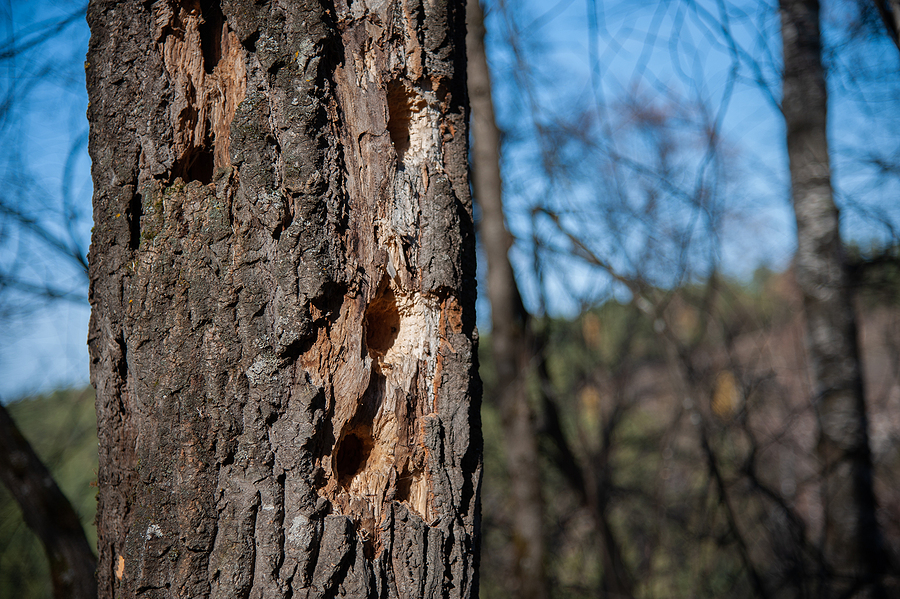
Recognizing Woodpecker Activity
Identifying the root cause of your bird problem is the first step toward a lasting solution. Woodpeckers leave distinct clues that differentiate them from other household pests.
Signs of Woodpecker Damage
Woodpecker damage is highly visible and auditory. You will likely hear a rapid, rhythmic drumming sound echoing through your walls, especially in the early morning. Visually, you can spot small, deep holes clustered together on wooden siding, fascia boards, or eaves. Sometimes, the damage appears as wide, shallow trenches if the bird is actively hunting for insects just below the surface of the wood. You might also find wood shavings or sawdust accumulating on the ground directly below the damaged area.
Why Woodpeckers Target Your Home
These birds do not peck at your house out of malice. Woodpeckers are drawn to homes for three primary reasons: food, shelter, and communication. If your wooden siding harbors carpenter bees, termites, or other insects, woodpeckers will view your house as a feeding ground. Alternatively, they may attempt to excavate a roosting cavity for the winter or a nesting site for the spring. Finally, male woodpeckers drum on loud, resonant surfaces—including metal gutters and hollow siding—to claim territory and attract mates.
Humane Deterrent Methods
All woodpeckers in the United States, including common Indiana species like the Downy Woodpecker, are protected under the federal Migratory Bird Treaty Act. This legislation makes it illegal to harm, capture, or kill them without a special permit. Therefore, humane bird deterrents are not just an ethical choice; they are a legal requirement.
Visual Deterrents
Birds are highly sensitive to their visual environment. Introducing unexpected, moving, or highly reflective objects can make them feel unsafe and encourage them to move along.
Frightening Devices
Stationary plastic owls rarely work for long, as woodpeckers quickly realize they pose no real threat. Instead, use items that move unpredictably in the wind. Windsocks, colorful spinners, and balloons painted with large predator eyes can effectively startle the birds. You must move these items every few days to prevent the woodpeckers from getting accustomed to them.
Reflective Materials
Shiny objects create flashing lights that disorient and scare birds. Hanging strips of mylar bird tape or old CDs from the eaves near the damaged area can yield excellent results. As the wind blows, the reflective surfaces cast erratic beams of light, making the area highly unappealing to a foraging woodpecker.
Auditory Deterrents
Since woodpeckers rely on their sharp senses to avoid danger, sound can be a powerful tool to keep them at bay.
Noise Makers
Wind chimes hung near the pecking sites create a constant, unpredictable noise that can disrupt a woodpecker’s focus. Motion-activated devices that emit sudden noises can also startle the birds mid-peck, though you should be mindful of how these sounds might affect your neighbors.
Predator Calls
Specialized electronic deterrents can broadcast the distress calls of woodpeckers or the cries of their natural predators, such as hawks. When played at irregular intervals, these bioacoustic systems trick the woodpecker into believing the area is dangerous.
Physical Barriers
When visual and auditory methods fall short, physically blocking the bird from reaching your siding is a highly effective, long-term solution.
Netting and Mesh
Hanging lightweight, plastic bird netting about three inches away from the siding prevents the woodpecker from landing on the wall. Secure the netting from the eaves and angle it down to the lower edge of the siding. This creates an invisible barrier that completely stops the damage while remaining relatively unnoticeable from the street.
Protective Coatings
You can apply specialized, bird-repellent gels or tactile pastes to areas where woodpeckers frequently land. These sticky substances are uncomfortable on their feet, encouraging them to find a different perching spot. Be cautious with these products, as they can sometimes stain certain types of siding or trap smaller insects.
Habitat Modification to Discourage Woodpeckers
Making your property less appealing is a proactive way to prevent woodpecker issues before they begin.
Eliminating Food Sources
If woodpeckers are finding food on your home, they will keep coming back. Taking away their meals forces them to forage elsewhere.
Addressing Insect Infestations
Woodpeckers are relentless insect hunters. If you have deep, jagged holes in your siding, the bird is likely eating carpenter bees, ants, or spiders hiding in the wood. Hire a pest control specialist to inspect your home and treat any insect infestations. Once the bugs are gone, the woodpecker will lose interest in your siding.
Removing Attractants from Your Yard
While suet feeders are wonderful for bird watching, they will draw woodpeckers directly to your property. If you are experiencing property damage, temporarily remove all suet and bird feeders until the woodpecker moves on. Additionally, remove dead trees or rotting stumps near your house, as these natural foraging sites can bring woodpeckers dangerously close to your siding.
When to Seek Professional Help
Sometimes, despite your best efforts, a stubborn woodpecker refuses to leave. Knowing when to call in the experts can save you time, money, and frustration.
Assessing the Severity of the Problem
If the damage is extensive, compromising the structural integrity or insulation of your home, immediate action is required. Furthermore, if a woodpecker has already laid eggs in a cavity they created in your house, you cannot legally remove the nest until the young have hatched and flown away. Navigating these federal regulations can be tricky for the average homeowner.
Benefits of Professional Bird Control
A professional bird removal service has the knowledge, tools, and legal permits to handle stubborn bird problems safely. They can accurately identify the attractants, safely install heavy-duty netting, and ensure your home is protected without violating the Migratory Bird Treaty Act.
Your Woodpecker Questions Answered
Do woodpeckers eat wood?
No, woodpeckers do not eat wood. They peck into wood to find insects hidden beneath the surface, to create nesting cavities, or to drum loudly to establish territory and attract mates.
Are woodpeckers protected?
Yes. All woodpecker species in the United States are federally protected under the Migratory Bird Treaty Act. It is illegal to harm, trap, or kill them without specific federal permits.
Can woodpeckers cause structural damage?
While most damage is cosmetic, persistent pecking over a long period can eventually allow moisture to penetrate your siding. This can lead to wood rot, mold, and compromised insulation, which poses a risk to your home’s structural integrity.
How long does it take for woodpeckers to leave once deterred?
If you promptly address the issue using physical barriers and remove insect food sources, woodpeckers will typically move on within a few days to a week.
Restoring Peace to Your Property
Dealing with woodpeckers requires patience and a strategic approach that prioritizes their well-being while safeguarding your property. By implementing the humane methods outlined in this guide, you can effectively manage woodpecker activity and restore peace to your home. Coexisting with wildlife is highly possible with the right knowledge and tools.
Facing persistent woodpecker problems? For professional bird removal and control in Indianapolis, request a free estimate today!
Related Post: Top Bird Control Methods for Indiana Homeowners