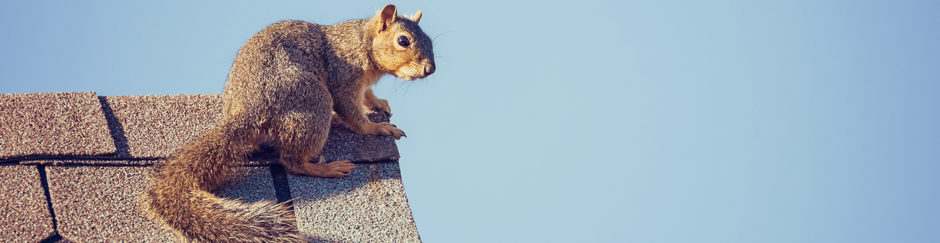
That scratching sound above your ceiling at 6 a.m. isn’t your imagination. If you’re hearing scurrying footsteps, gnawing, or thumping during daylight hours, squirrels have likely moved into your attic—and they won’t leave on their own.
Attics offer squirrels everything they need: warmth, shelter from predators, and a quiet place to raise young. Unfortunately, that comfort comes at your expense. Squirrels chew through electrical wiring, tear up insulation, and gnaw on rafters, creating fire hazards and costly structural damage.
The good news is that squirrel removal is manageable once you understand the right approach. This guide walks through how to confirm an infestation, remove squirrels humanely, prevent them from returning, and know when it’s time to call a professional.
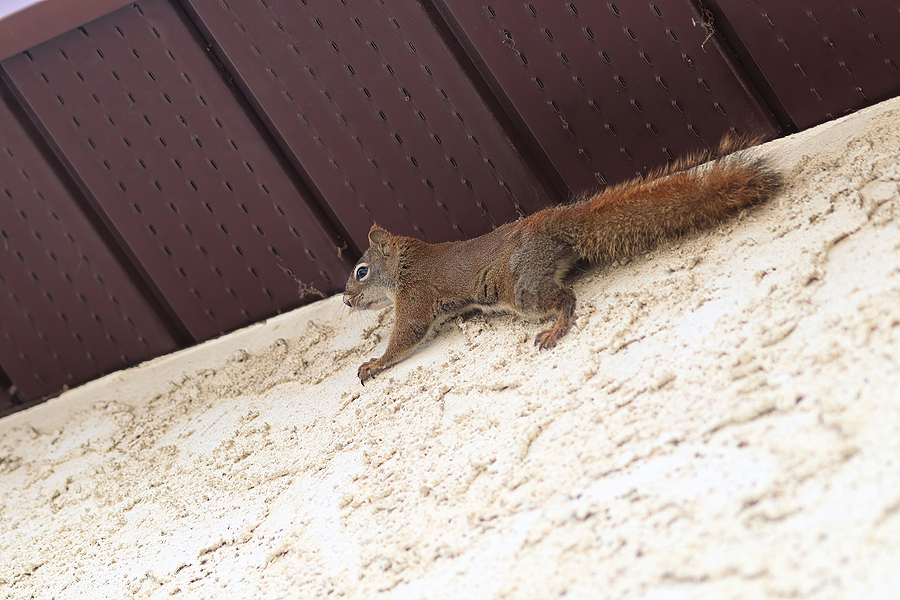
Signs You Have Squirrels in Your Attic
Before you can solve the problem, you need to confirm what you’re dealing with.
What Noises Do Squirrels Make?
Squirrels are active during the day, so gnawing, scratching, and pattering sounds in the early morning or daylight hours typically point to squirrels. If you’re hearing noise at night instead, you may be dealing with flying squirrels or rats rather than gray or fox squirrels.
What Other Evidence Points to Squirrels?
Look for balls of torn insulation, shredded cardboard, leaves, and twigs used for nesting material. Chewed holes near the roofline are another telltale sign. The size of the entry hole can even tell you which species you’re dealing with: gray and fox squirrels leave baseball-sized holes, red squirrels leave golf-ball-sized openings, and flying squirrels squeeze through holes as small as a quarter.
How to Confirm an Infestation
Walk the exterior of your home and look for an entry hole, then watch it at dawn or dusk when squirrels are most active. You can also gently pound on an attic joist and listen for the sound of young squirrels responding. Nests are usually located within 20 feet of the entry point, so this can help narrow your search.
Why Acting Quickly Matters
Squirrels don’t just make noise—they create real risk. They’re known to chew through electrical wiring, which can start fires, and they damage insulation and rafters as they nest. It’s worth testing your smoke detectors and having any exposed wiring inspected if you suspect an infestation. Squirrels can also carry tularemia and ringworm, and they’re frequently infested with fleas and mites, so delaying removal increases health risks along with property damage.
How to Remove Squirrels From Your Attic
Once you’ve confirmed an infestation, you have a few removal options depending on the situation.
One-Way Door Installation
A one-way door is widely considered the most effective and humane squirrel removal method. Here’s how it works:
- Confirm there are no young squirrels in the attic first—a one-way door will trap and starve babies left behind.
- Secure all other exits, including vents and the chimney, so the door becomes the only way out.
- Seal secondary holes with sheet metal or quarter-inch hardware cloth. Use copper or stainless steel mesh for smaller gaps, since steel wool corrodes when wet.
- Mount a spring-loaded one-way door with an apron of at least one square foot, or use an 18-inch length of 4-inch plastic pipe angled downward at 45 degrees.
- Run the newspaper test: remove the door, wad newspaper loosely in the hole, and check it daily. If it stays undisturbed for three days of fair weather, the squirrels are gone.
- Permanently seal the hole with wood, hardware cloth, sheet metal, or aluminum flashing.
If you’re installing a one-way door in winter, check it daily. Freezing rain can freeze the mechanism shut—or stuck open, letting squirrels back in.
Trapping and Relocation
Live cage traps may look like a simple fix, but trapping squirrels is rarely a job for amateurs. Experts recommend placing at least three traps of 5x5x18 inches or larger along rooftop or attic travel routes for gray and fox squirrels, and each one must be checked frequently. A trap that sits unattended can leave an animal frightened, injured, or dehydrated, and it can leave you facing legal trouble.
The risks of DIY trapping go beyond the trap itself. Squirrels that are stressed or cornered can bite and scratch, and they can carry parasites and diseases. If a mother is trapped, her babies may be left behind in your attic to die, which creates odor and contamination problems that are far more costly to fix than the original issue. Without a thorough inspection, you could also miss the entry points, and new squirrels will simply move back in.
That’s why we recommend a licensed professional wildlife removal service. Trained technicians know the regulations, use humane trapping methods, identify and seal every entry point, and check for nests and young so that families are reunited or removed safely. You protect your home, the animals, and yourself, and you avoid the stress and expense of repeat infestations.
Skip the Repellents
Frightening devices, lights, and loud noise are not reliable solutions—any deterrent effect typically fades within a couple of days. Mothballs aren’t recommended for occupied buildings and are off-label or illegal in many states for this use. There are also no toxicants registered for tree squirrel control, and taste repellents have shown very limited success. Save your money and skip this step.
Why Humane Removal Should Come First
Lethal methods should always be a last resort, and timing plays a major role in humane removal.
Watch for Baby Season
Young squirrels may be present anywhere from February through August. Gray and fox squirrels typically breed in mid-December or early January, with a smaller second breeding period in June. Gestation lasts 42 to 45 days, and young squirrels don’t leave the nest until 8 to 10 weeks after birth.
If you seal an entry point while a mother is out foraging, you strand her young inside—and they won’t survive without her. If you notice an adult squirrel persistently trying to chew back into a sealed hole, that’s often a sign young are trapped inside. Reopen the hole and wait until the family has had a chance to relocate on their own before resealing.
Preventing Squirrels From Coming Back
Removal only solves half the problem. Without prevention, new squirrels—or the same ones—can move right back in.
Seal Entry Points
Close off gaps under eaves, roof-to-wall junctions, soffits, knotholes, broken vent screens, dormers, and ridge or gable vents. Use sheet metal, aluminum flashing, or quarter-inch hardware cloth, and replace any rotted wood first, since squirrels can chew through weakened areas easily. Vent screen openings should be kept between 1/16 and 1/4 inch to meet building code standards while still allowing airflow.
Trim Tree Branches Near the Roof
Squirrels use overhanging branches as highways onto your roof. Trimming limbs back 6 to 10 feet from the roofline removes easy access and satisfies guidance from multiple wildlife agencies.
Remove Food Sources
Secure trash cans and remove accessible food sources that might attract squirrels to your property in the first place. If you have a bird feeder, mount it on a metal pole at least 6 feet high with a metal cone baffle to keep squirrels from climbing up.
Install Chimney Caps and Vent Covers
Chimneys and vents are common entry points. Capping your chimney and covering vents with appropriate mesh closes off two of the squirrel’s favorite access routes.
Protect Isolated Trees
If a tree stands apart from your home but still provides a path squirrels could use, a metal collar around the trunk can prevent them from climbing it.
Squirrels in the Attic: Frequently Asked Questions
How long does squirrel removal take?
It depends on the method and the extent of the infestation. A one-way door typically takes several days to confirm success, based on the newspaper test. If young squirrels are present, the timeline extends further since the family needs to move on naturally or be professionally reunited before you can safely seal the home. Jobs with multiple entry points also take longer than those with a single confirmed hole.
Will squirrels come back after removal?
Yes, if the entry point isn’t properly sealed. Squirrels will return to a hole they’ve used before unless it’s closed off with durable material like metal flashing or hardware cloth. This is why permanent sealing is just as important as the initial removal.
How much does professional squirrel removal cost?
Cost varies based on the number of entry points, whether soffit or fascia repair is needed, and how much insulation needs to be replaced. Because every situation is different, it’s best to request a quote directly from a local provider like Budget Animal Removal rather than relying on a general estimate.
Are squirrels in the attic dangerous?
Yes, in more than one way. Squirrels chew through electrical wiring, which creates a fire risk, and their nesting damages insulation and structural wood. They can also carry tularemia and ringworm, and they’re often hosts for fleas and mites, making prompt removal important for both your home and your health.
Take Back Your Attic
Squirrels in the attic are a problem that gets worse the longer you wait. Confirm the infestation, choose a humane removal method like a one-way door, and follow up with thorough prevention—sealing entry points, trimming nearby branches, and securing food sources—so the problem doesn’t repeat itself.
If the infestation feels too complex to handle alone, or you’re not confident navigating Indiana’s wildlife regulations, Budget Animal Removal in Indianapolis, Indiana can help you remove squirrels safely and keep them from coming back.
Related Posts:
Signs You Might Have Squirrels in Your Attic
Squirrels in Your Attic: A Guide to Safe and Humane Animal Removal
How to Identify and Prevent Damage from Squirrels in Your Home