Besting Nature’s Porch Pirates: Skunk Prevention and Control

Skunks can be an adorable sight, but when they invade your property, they become unwelcome guests. These nocturnal creatures can cause significant damage, from disturbing your garden to spreading a pungent odor. This post will help homeowners, garden enthusiasts, and pest control seekers understand skunk behavior, risks, and measures for effective skunk prevention and control.

Call 317-875-3099 for Safe and Insured Skunk Control Service in Indianapolis Indiana

Identifying Nuisance Skunk Behavior

Knowing the signs of skunks on your property is the first step toward effective control. Look for burrows, overturned garbage cans, or the unmistakable odor they leave behind. Identifying these indicators early can help you take timely action to prevent potential damage and keep your environment safe.

Most Common Signs of Skunks

  • Strong Odor: A distinctive, foul smell is a clear indicator of skunks nearby.
  • Ground Digging: Look for small, shallow holes in your yard, which are evidence of skunks searching for insects.
  • Tracks and Droppings: Skunk tracks show five toes with visible claws, and their droppings resemble cat feces.

Typical Skunk Behavior

  • Nocturnal Habits: Skunks are primarily active at night, making it challenging to spot them during the day.
  • Habitat Preferences: They prefer dark, secluded areas such as under porches, decks, and sheds.
  • Diet: Skunks are omnivores, consuming both plant and animal matter, including insects, small rodents, fruits, and vegetables.

Risks Associated with Skunk Infestation

Skunks pose several risks that homeowners should be aware of. These animals can carry diseases such as rabies, and their spray can cause significant discomfort and lingering odors. Additionally, their burrowing habits can damage lawns and foundations. It’s important to take precautions to prevent skunks from inhabiting your property.

Health and Safety

  • Rabies: Skunks are known carriers of rabies, which can be transmitted to humans and pets.
  • Parasites: Fleas, ticks, and mites are common parasites that skunks can bring onto your property.

Structural Damage

  • Structural Damage: Skunks can burrow under structures, causing damage to foundations and patios.
  • Garden Destruction: They dig up lawns and gardens in search of food, ruining your landscaping efforts.

Threat to Pets

  • Skunk Spray: The infamous skunk spray can cause temporary blindness and severe discomfort for pets.
  • Aggressive Behavior: Skunks may act defensively if they feel threatened, posing a risk to curious pets.

DIY Prevention and Control Measures

Preventing and controlling skunks requires a proactive approach. This involves securing trash cans, eliminating food sources, and sealing entry points to prevent skunks from burrowing under structures. Regular maintenance and being vigilant about potential attractants can significantly reduce the chances of a skunk problem.

Effective and Humane Methods

  • Secure Trash Cans: Use lids that lock to prevent skunks from accessing food waste.
  • Remove Attractants: Keep pet food indoors and clean up fallen fruits and vegetables from your garden.
  • Seal Entry Points: Block access to potential den sites under porches, decks, and sheds with mesh or other materials.

Tips for Homeowners

  • Install motion-activated lights or sprinklers to deter skunks from entering your yard.
  • Use natural repellents like citrus peels or ammonia-soaked rags to discourage skunks.

Professional Skunk Removal and Control

Sometimes, professional animal removal service is necessary to effectively manage skunk infestations. These experts can safely remove the animals, identify entry points, and implement measures to prevent future invasions. Their knowledge and experience ensure that the problem is handled efficiently and humanely.

General Wildlife Control Services

  • Inspection and Assessment: Professionals conduct thorough inspections to identify skunk habitats and entry points.
  • Humane Trapping: Licensed experts use humane traps to capture and relocate skunks.
  • Exclusion Techniques: Services include sealing entry points and installing barriers to prevent future infestations.

What to Expect from a Licensed Skunk Removal Service

  • Safety Measures: Professionals ensure both human and animal safety throughout the process.
  • Expertise: Trained wildlife control experts have the knowledge and experience to handle skunk infestations effectively.
  • Equipment and Resources: Professionals use specialized equipment and techniques to safely and humanely remove skunks from your property.

Legal and Ethical Considerations

Managing wildlife involves adhering to specific laws and ethical standards to ensure the preservation of ecosystems and the protection of various species. This includes regulating hunting practices, habitat conservation, and implementing measures to prevent illegal poaching.

Indiana Laws and Regulations

Ethical Considerations

  • Humane Treatment: Always prioritize humane methods when dealing with skunks.
  • Ecosystem Impact: Consider the broader impact on the local ecosystem before taking action.

In Summary

Proactive measures are crucial in preventing and controlling skunk infestations on your property. By understanding their behavior, recognizing risks, and implementing both DIY and professional strategies, you can protect your home and garden from these nuisance creatures.

For comprehensive and effective critter control against these pesky porch pirates, let our wildlife management experts help. Contact Budget Animal Removal at 317-875-3099 for DNR licensed and insured skunk removal and control in Indianapolis and its surrounding counties. Request a free estimate or advice, today!

Related Posts:

Smell No More: Your Comprehensive Guide to Skunk Removal
Frequently Asked Questions About Nuisance Skunks
Are Skunks Dangerous?
Raccoons in the Backyard: An Effective Approach to Control

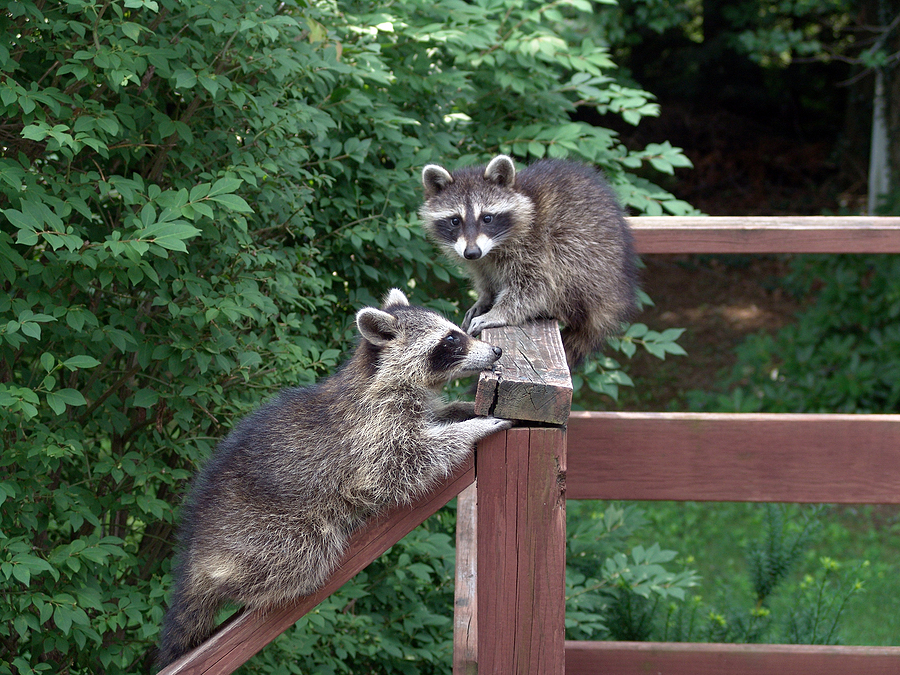
Raccoons are increasingly becoming common visitors in urban and suburban areas, much to the concern of homeowners and gardeners. These intelligent and adaptable creatures can cause significant disruptions in residential settings, leading many to seek effective ways to keep them at bay. In this comprehensive guide, we’ll explore raccoon behavior, identify signs of their presence, and provide humane solutions for managing raccoons in your backyard.

Call 615-337-9165 if You Have Raccoons in the Backyard in Nashville or Clarksville Tennessee

Understanding Raccoon Behavior

Raccoons are nocturnal animals, known for their dexterity and curiosity. They are opportunistic feeders, meaning they will eat almost anything, which is why residential areas with readily available food sources are so attractive to them. Gardens, garbage bins, bird feeders, and pet food left outside are all common attractions.

Why Raccoons Are Attracted to Residential Areas

  • Food Availability: Easy access to food sources such as garbage, compost, and pet food.
  • Shelter: Safe nesting spots like attics, sheds, garages, and even under decks.
  • Water Sources: Bird baths, ponds, and pet water dishes.

Potential Risks of Raccoons in Backyards

While raccoons can seem harmless, they pose several risks:

  • Damage to Property: Raccoons can tear up gardens, raid garbage bins, and cause structural damage while seeking shelter.
  • Health Risks: They can carry diseases such as rabies and leptospirosis, which can be transmitted to humans and pets.
  • Conflict with Pets: Raccoons can be aggressive if they feel threatened, posing a risk to household pets.

Signs of Raccoon Presence

Identifying whether raccoons are visiting your backyard involves looking for specific signs:

  • Footprints: Raccoon tracks resemble small human hands and are often found near food sources or entry points.
  • Scattered Trash: Tipped over garbage bins with rubbish strewn about.
  • Garden Damage: Dug-up plants and vegetables are a tell-tale sign.
  • Nests: Evidence of nesting in attics, sheds, or under decks.
  • Raccoon Droppings: Feces can often be found in the same spot, typically on flat surfaces like roofs or decks.

Effective and Safe Raccoon Deterrents

Implementing environmentally friendly and humane methods to deter raccoons is critical. Here are some effective strategies:

Securing Garbage and Compost

  • Use Raccoon-Proof Bins: Invest in heavy-duty garbage cans with locking lids.
  • Double Bag Trash: Reduce odors by double-bagging and securely tying trash bags.
  • Compost Management: Use enclosed compost bins and avoid composting animal products.

Protecting Your Garden and Poultry

  • Fencing: Install fencing around gardens and poultry enclosures. Ensure the fencing is buried at least a foot underground to prevent burrowing.
  • Motion-Activated Lights and Sprinklers: These can startle raccoons and make your yard less inviting.
  • Netting and Covers: Use netting to protect fruit trees and vegetable gardens.

Natural Deterrents

  • Predator Urine: Products containing coyote or fox urine can deter raccoons.
  • Spicy Repellents: Capsaicin-based sprays can be applied to plants or garbage areas.
  • Noise Makers: Ultrasonic devices can deter raccoons but ensure they are safe for pets.
  • Strategic Gardening: Certain plants like marigolds, daffodils, and alliums are known to repel raccoons.

When to Seek Professional Raccoon Control

Sometimes, despite best efforts, raccoon problems persist. Situations warranting professional assistance include:

  • Persistent Infestations: Continuous raccoon activity despite implementing deterrents.
  • Attic or Structural Invasions: Raccoons nesting in hard-to-reach areas of your home.
  • Health Concerns: If raccoons appear sick or aggressive, professional intervention is necessary.

Choosing Ethical and Reputable Wildlife Control Services

When selecting a wildlife control service, ensure they adhere to humane practices. Look for companies that:

  • Use Non-Lethal Methods: Trapping and relocation should follow local wildlife laws.
  • Offer Comprehensive Solutions: Including repairs and exclusion techniques to prevent future issues.
  • Have Positive Reviews and Certifications: Verify their reputation through customer feedback and professional accreditations.

Community and Legal Considerations

Local Ordinances and Regulations

Before taking action, familiarize yourself with local laws regarding wildlife control. Some areas have specific regulations on capturing and relocating raccoons.

Encouraging Community Involvement

  • Neighborhood Watch: Collaborate with neighbors to identify and mitigate raccoon attractions.
  • Shared Resources: Pool resources for community-wide deterrent measures like fencing and secure trash areas.
  • Educational Initiatives: Inform community members about humane raccoon control methods.

Conclusion

Raccoons in the backyard can be a nuisance, but with a strategic approach, you can manage their presence effectively and humanely. Remember, the key is to eliminate attractants, secure potential entry points, and employ natural deterrents. When needed, don’t hesitate to seek professional help. For safe and effective raccoon control services, contact our team at [Your Company Name] today. Together, we can create a backyard that’s enjoyable for you and uninviting for raccoons.

We hope this comprehensive guide has provided you with valuable insights and tips for battling these mischievous critters. Contact Budget Animal Removal at 615-337-9165 for TWRA licensed and insured Nashville, Tennessee animal removal for raccoons and more. We serve commercial clients too.

Related Posts:

Preventing Raccoons from Entering Your Attic – Tips & Tricks
Top Signs That Suggest Nearby Raccoon Activity
Types of Dangerous Parasites Found in Raccoons

Silencing the Flock: Nuisance Bird Solutions in Indiana

Birds—they’re integral to our ecosystem, pollinating plants and controlling pests. But when they descend in droves on our properties, the romantic picture of birds chirping at the break of dawn quickly fades, replaced by the harsh reality of nuisance bird problems.

In Indiana, homeowners and property managers are all too familiar with this issue, which can range from minor annoyances to significant health and safety hazards. This comprehensive guide aims to shed light on effective nuisance bird control methods, navigating the delicate balance between necessity and ethical practices.

Call 317-875-3099 for Licensed and Insured Bird Control Service in Indianapolis
Call 317-875-3099 for Licensed and Insured Bird Control Service in Indianapolis Indiana

Understanding Nuisance Birds in Indiana

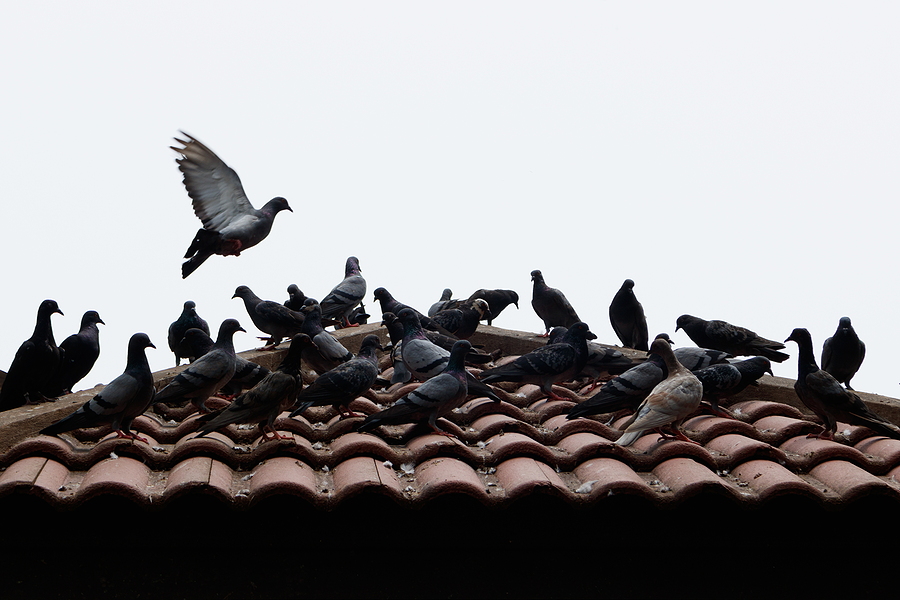
Indiana is home to a plethora of bird species, but not all of them live in harmony with humans. The most common culprits include pigeons, starlings, and sparrows. These species have adapted exceedingly well to urban environments, favoring the abundance of nesting sites and readily available food sources our properties unwittingly offer. Their behavior patterns and nesting habits can be incredibly disruptive, leading them to be classified as nuisance birds.

Pigeons

This species—also known as “rock doves”—was introduced to North America and has thrived in urban areas, where they nest on ledges and rooftops. They’re tenacious birds, often settling in the same location for years.

Starlings

These small, black birds with speckled feathers are originally from Europe but have been introduced to the U.S. and now make their homes in our cities, farms, and fields. They’re known for their noisy chatter and large, messy communal roosts.

Sparrows

Commonly referred to as “English sparrows,” these small birds have distinctive brown, gray, and white markings on their feathers. They’ve adapted well to urban environments, preferring to nest in sheltered areas like eaves, gutters, and vents.

The Problems Posed by Nuisance Birds

Beyond the incessant noise, nuisance birds pose several problems for property owners:

  • Property Damage: Birds can cause extensive damage to property. Their nests block gutters and downspouts, leading to water damage. Their acidic droppings also corrode building materials and paint.
  • Health Risks: Bird droppings harbor pathogens that can pose health risks to humans, including diseases like histoplasmosis, cryptococcosis, and psittacosis. The droppings can also make walkways slippery, posing a fall hazard.

Legal and Ethical Considerations for Bird Removal and Control

Dealing with nuisance birds isn’t as straightforward as one might hope due to legal protections. Many bird species are protected under the Migratory Bird Treaty Act, making it illegal to harm or kill them without a permit. It’s crucial to approach nuisance bird abatement and management with an understanding of these legal and ethical considerations, ensuring any action taken is both compliant and humane.

Effective Bird Abatement Methods

Thankfully, there are several effective strategies for deterring nuisance birds, including:

  • Physical Deterrents: Installing netting, spikes, or barriers can physically prevent birds from accessing preferred nesting sites.
  • Sound and Visual Deterrents: Technologies that mimic predator calls or utilize reflective materials can scare birds away from certain areas.
  • Professional Wildlife Control: For comprehensive solutions tailored to specific situations, professional wildlife removal and control services provide the expertise necessary to address nuisance bird issues effectively.

DIY vs. Professional Bird Control

While there are DIY solutions available, their effectiveness is often limited to minor problems. DIY methods can provide temporary relief but might not address the root of the problem. Professional bird control services, on the other hand, offer customized solutions that consider the behavior of nuisance birds, property layout, and legal requirements, ensuring long-term resolution.

Conclusion

The presence of nuisance birds in Indiana can significantly impact the enjoyment and safety of your property. By understanding the species involved, the problems they pose, and the legal framework governing their control, property owners can take informed steps to mitigate these issues.

Whether through DIY methods or by engaging professional bird control services, taking proactive measures against nuisance birds is essential. Remember, the goal is to live harmoniously with our feathered friends while protecting our health and properties.

For those facing persistent nuisance bird problems in Indiana, don’t hesitate to explore the benefits of professional bird control services. Contact a reputable provider today to discuss your concerns and find a solution that respects both nature and your peace of mind.

Dealing with problematic birds around your home or business? We can help. Contact Budget Animal Removal at 317-875-3099 for DNR licensed and insured bird control services in Indianapolis and its surrounding counties. We guarantee to fit your budget for safe wildlife control. Request a free estimate or advice, today!

Related Posts:

Deterring Nuisance Birds from Roosting in Unwanted Areas
How to Protect Your Pets From Predator Birds
Why are There So Many Birds on My Lawn?

Dead Animal Removal 101: Protecting Your Property and Health

The unfortunate discovery of a dead animal on your property is not merely a nuisance; it poses significant risks to health and the environment. In this comprehensive guide, you will learn the importance of prompt dead animal removal, how to identify the presence of a dead animal, health risks and legal obligations, DIY removal procedures, the value of professional services, and how to prevent future incidents. Arm yourself with the knowledge to act swiftly and responsibly when confronted with this unpleasant situation.

Call 615-337-9165 For Licensed and Insured Dead Animal Removal Service in Nashville TN

The Urgency of Dead Animal Removal

The presence of deceased fauna on your property is more than a mere inconvenience. It can lead to severe health risks, foul odors, and pests. Immediate action is crucial, not only for your well-being but also for your property’s integrity. Dead animal carcasses can attract scavengers, lead to bio-hazard contamination, and signify an infestation within your premises. It’s imperative to understand that delaying the removal process can exacerbate these issues, inferring more costly and complex solutions further down the line.

Potential Health Hazards

Leaving a dead animal unattended opens the door to numerous health dangers. Bacterial infections such as salmonella, leptospirosis, and even the potentially fatal hantavirus are risks associated with the handling or close proximity to these carcasses. These risks multiply when the dead animal is indoors, sharing spaces where food is prepared and absence of proper ventilation can lead to toxic fume buildup.

Preventing Property Damage and Ongoing Infestation

The decomposition process produces potent odors and can attract a variety of pests, from insects to larger scavengers, who may then attempt to access the interior of your property. In addition, when left unchecked, the site of the deceased animal can become a breeding ground for disease vectors and slowly seep into your property’s structure, inflicting irreparable damage.

Identifying a Deceased Animal on Your Property

Awareness is key in this instance; spotting a dead animal quickly is the first step in the removal process. A deceased animal can often be identified through various signs – visually witnessing a dead creature, an unexplained odor, or an increase in pest activity.

Common Indicators of a Dead Animal

A sudden unpleasant smell in a specific area of your property, pest activity, or even the sight of the animal itself can signal its demise. For indoor inspections, if the stench is accompanied by a fast-spreading visible odor, the proximity to that area will often lead to the direct source of the problem. For the outdoors, follow trails of scavengers like flies or vultures to locate the carcass.

Locations to Inspect for Deceased Animals

Both the indoors and outdoors of your property provide potential hiding places for a dead animal. The attic, inside walls, or beneath floorboards are typical indoor hiding spots, while the outdoor areas may include under decks, in garages, or beneath sheds. Regular checks in these areas are recommended to minimize the adverse effects of an undisclosed dead animal.

Safety and Legal Implications of Dead Animal Removal

The dangers of an undiscovered dead animal extend beyond the immediate risks to vast legal implications. Health risks range from bacterial infections to potent pathogens and must be managed with the utmost care. Further, Tennessee has stringent laws governing the removal of dead animals, and non-compliance can lead to fines and, in extreme cases, legal action.

Health Risks

The risks run the gamut from physical injury during removal to life-threatening zoonosis. The environment surrounding the carcass can also introduce toxigenic molds, create respiratory issues, and pose general occupational hazards. It is essential to consider not only your own direct exposure but the well-being of any occupants or visitors to your property.

Legalities

Tennessee laws protect against the spread of disease and maintain the overall health of the state’s communities. Dead animal handling is rigidly enforced to prevent a public hazard, and failure to adhere to these laws constitutes a violation that can result in a citation.

DIY Dead Animal Removal: Step-by-Step Guide

For smaller deceased animals, one safe and effective removal is attainable with the right approach. By following these steps, you can manage the situation without exposure to health hazards.

Handling the Carcass

To begin, you need to gather essential safety equipment, which includes gloves, face mask, and a sturdy trash bag. Next, identify the deceased animal’s location and ensure no other immediate risks exist in the area. Using a shovel or tongs, carefully pick up the animal and place it in the bag. Once securely sealed, dispose of the bag in the appropriate waste receptacle.

Safety Precautions and Gear

Personal protective equipment (PPE) is non-negotiable when dealing with deceased wildlife. It serves as a barrier against direct contact or inhalation of potentially hazardous substances. Avoid direct handling of the animal with your bare hands; instead, use designated tools for the task. Post-removal, thoroughly wash and disinfect the area and any equipment used.

Professional Dead Animal Removal Services

There are instances where the experience or potential risk may be too high for an individual to handle. In these cases, professional animal removal services are an invaluable resource. If the size or condition of the dead animal is beyond your comfort level, enlist the expert services of a professional. This may include larger animals or those in advanced stages of decay that present a greater bio-hazard threat.

When selecting a provider, consider their experience, certifications, and customer feedback. Verify that any potential contractor carries the necessary insurance to cover any accidents or damages that might occur during the removal process.

Preventing Future Dead Animal Encounters

Prevention is always superior to remediation. By taking proactive measures, you can reduce the probability of dead animal incidents on your property. Regular maintenance, sealing entry points, and awareness of signs of nuisance wildlife presence can help reduce the potential for future dead animal incidents. By staying informed of local wildlife habits and seasonal patterns, you can preemptively mitigate risk factors.

Develop a routine inspection schedule to catch potential problems early. Check both indoor and outdoor areas in accordance with seasonally appropriate times and observe any changes in your surroundings. Remember, recurring diligence is your best defense.

Final Thoughts

Prompt dead animal removal is essential to your property’s health, integrity, and compliance with the law. The process need not be as daunting as it first seems when approached with preparation, knowledge, and if need be, professional assistance. Be proactive in protecting your property and the well-being of everyone within it by staying well-informed and acting decisively.

Remember, dead animal removal is not an isolated task; it’s a vital part of your property’s ongoing health management. Prioritize vigilance and swift action, and in doing so, you maintain a safe and welcoming environment for yourself and others.

For those requiring professional dead animal removal services in Tennessee, we encourage you to reach out to our reputable and experienced wildlife removal and control team. Contact Budget Animal Removal at 615-337-9165 for TWRA licensed and insured dead animal removal, animal infestation cleanup, and more. We also serve commercial properties and multi-housing complexes.

Related Posts:

What To Do if You Find a Dead Animal in the Yard
Top 3 Signs That There is a Dead Animal Close By
Common Household Ingredients That Will Repel Nuisance Wildlife

Safeguard Your Home: Bat Removal and Prevention Guide

Bats, often regarded as nightmarish creatures in popular media, can turn into a homeowner’s real-life horror story when they take shelter within our homes. With their silent flight and preference for dark, secluded spaces, bats are skilled at finding their way into unassuming homes, where they pose not only an inconvenience but potential health risks as well. In this comprehensive guide, we’ll explore how to keep your home bat-free and your family safe.

Call 317-875-3099 for Licensed and Insured Bat Removal Service in Indianapolis Indiana

Understanding Bat Behavior and Habitats

Before jumping into prevention tactics, it’s essential to understand bats. Contrary to their portrayal in horror movies, bats are not aggressive toward humans. They generally want to be left undisturbed in their preferred roosts, which are typically in quiet, dark spaces that mimic their cave-dwelling habitats.

Discovering Where Bats Lurk

Bats often roost in attics, wall voids, and other quiet, warm areas of a house. In warmer months, they might squeeze through small cracks and crevices to access these spaces, attracted to the comfort and safety they provide. To protect your home, you must understand the locations bats find appealing and what draws them in.

The Key to Keeping Bats at Bay

One of the main factors drawing bats to homes is the availability of food sources near their roosts. This could mean insects swarming around outdoor lights near the entry points bats use to get inside. By removing these attractions, you make your home a far less appealing destination.

Signs of a Bat Infestation

Recognizing the presence of bats in your home is the critical first step towards resolving the issue. Here’s how you can detect their presence and distinguish it from other pests.

Visible Sighting and Distinguishing Bat Activity

Directly seeing bats inside your home is an obvious sign of an infestation, but during the day, they’ll likely be roosting. Look for signs of bat guano, which can accumulate in piles near entry points or their roost, and listen for scratching or squeaking, which can indicate their activity during dusk and dawn.

Identifying Bat Guano and Associated Health Risks

Bat droppings can accumulate in your home’s corners, near walls, or under rafters. It’s crucial to identify and differentiate bat guano from other animal droppings as it poses a potential risk for a disease called histoplasmosis, especially if inhaled when cleaning up.

Safely Removing Bats from Your Home

Once you’ve confirmed a bat infestation, the next step is to take action, ensuring both the safety of your family and the welfare of the bats.

The Human Approach to Bat Relocation

It’s essential to handle bat removal humanely. Closing off their entry points when they’re not actively using them to roost is one effective method. This practice, called exclusion, often involves installing a one-way device near the bats’ entry which allows them to leave but not return.

DIY Removal Techniques

While some home remedies claim to eradicate bats, they can be unreliable and unsafe. Using repellents can drive bats deeper into your home or pose a smell and pollution hazard. Instead, focus on preventative measures against re-entry.

Bat Proofing Techniques

The key to long-term bat control is prevention. Implement these measures to stop bats from reentering your home.

The Integrity of Your Home as a Defense

Sealing any visible entry points is a straightforward way to prevent bats (and other unwanted critters) from entering your home. Pay close attention to areas around the roof, attic vents, and chimney, as these are common entry pathways for bats.

Habitat Modification

Consider how you can make the area around your home less hospitable for bats. Reducing moisture around the house, especially close to potential entry points, can deter bats seeking to prevent dehydration. Outdoor lighting can also be a deterrent by drawing insects away from your home.

When to Seek Professional Bat Removal and Control

In some cases, a bat infestation requires the expertise of a professional. When do-it-yourself methods fail, or if the infestation is too large to manage on your own, it’s time to call in the experts.

Choosing the Right Bat Removal Service

A reputable pest control service will have experience in humane bat removal, will understand the laws and regulations in your area regarding wildlife management, and can help you ensure the safety and health of your family and the bats.

Evaluating the Severity of the Infestation

Professional pest control services will assess the severity of a bat infestation and recommend the best course of action. They will help you with cleanup and repair after the bats have been removed, and provide guidance on how to prevent future infestations.

The Timeliness of Bat Removal

Delaying the removal of bats from your home can lead to further complications. Bats reproduce rapidly, so an infestation can grow quickly. Additionally, guano buildup can damage your home’s structure and pose health risks, making timely removal important.

In Conclusion

Bat infestations are a serious problem for homeowners. Understanding bat behavior, detecting their presence, and implementing humane measures to remove and prevent them are crucial steps to safeguard your home and family. By taking proactive steps and seeking professional assistance when needed, you can effectively manage bat infestations and ensure a safe, healthy living environment.

Have you encountered a bat infestation in your home? Contact Budget Animal Removal at 317-875-3099 for DNR licensed and insured bat removal and control services in Indianapolis and its surrounding counties. We guarantee to fit your budget for safe wildlife control. Request a free estimate or advice, today!

Related Posts:

FAQS About Bats in the House
The Importance of Humane Bat Removal and Control
Need Bat Removal? Here’s What You Need to Know

Keystone Species and their Crucial Role in Our Midwestern Ecosystem

When we picture the sprawling plains and leafy forests of the Midwest, charismatic megafauna like bison and black bears might come to mind. But there’s an invisible network of life, an ecosystem’s ‘glue’, if you will, that maintains the health and harmony of these diverse habitats. These are the keystone species, often small in number but monumental in their impacts. This post is a deep dive into the keystone species that anchor the ecosystems of the American Midwest and why they deserve our attention, admiration, and protection.

Call 317-875-3099 for Safe and Insured Nuisance Wildlife Control in Indianapolis Indiana

Keystone Species: The Cornerstones of Ecosystem Health

Keystone species play a disproportionately large role in their environment. Despite their low number, the impact they have on their ecosystem’s health and diversity is vast. Their significance was first described in the mid-20th century by the ecologist Robert T. Paine, and these species have since become a critical focus of conservation.

What Makes a Keystone Species?

Keystone species maintain the structure and function of an ecosystem, akin to the crucial stone at the top of an arch that prevents its collapse. When removed, the entire ecology in an area can change dramatically. Think of them as the engineers that create and maintain the environment many other species depend upon.

Keystone Predators

Top predators like wolves and cougars are classic examples of keystone species because they control the population of their prey, which in turn can shape the environment and influence the abundance and diversity of other organisms. Other examples of keystone predators include grizzly bears, sea otters, and crocodiles, but we don’t see those in the Midwest.

Keystone Engineers

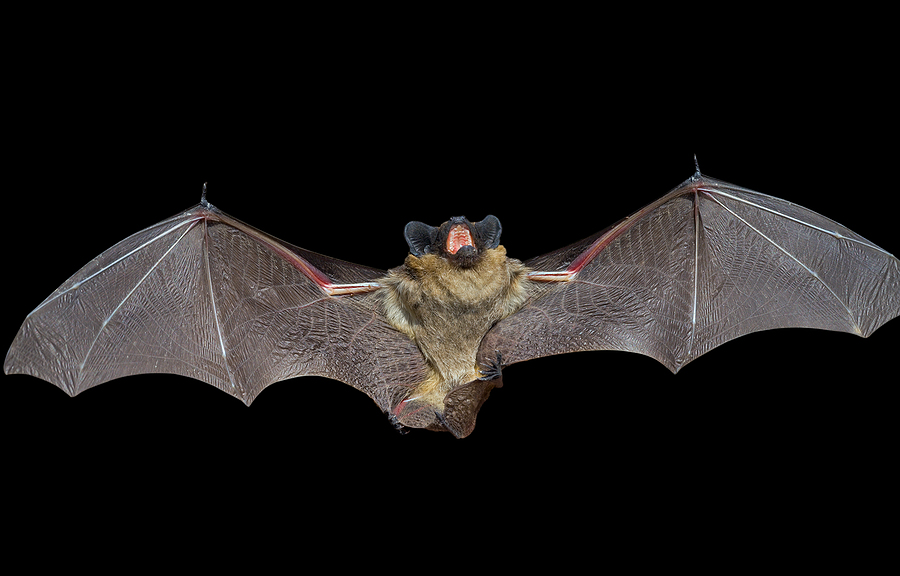
Animals such as beavers and prairie dogs are known as ‘ecosystem engineers’ because their activities literally reshape the environment, creating niches for other species to thrive. In the Midwest, the loss and recovery of keystone species have significantly altered ecological systems, affecting plant and animal communities. Bats too are a keystone species because of their role as pollinators and seed dispersers in forests. Without them, the forest’s health and diversity would significantly decline.

The Midwest’s Keystone Habitats

The Midwest, often characterized by its rich agricultural landscapes, is home to a variety of habitats that require specific keystone species to maintain balance.

Prairies and Grasslands

The iconic American prairie once roamed by bison owes much to the grazing habits of these large herbivores. Their routine feeding shaped the land and encouraged the growth of diverse species of grasses and wildflowers.

Wetlands

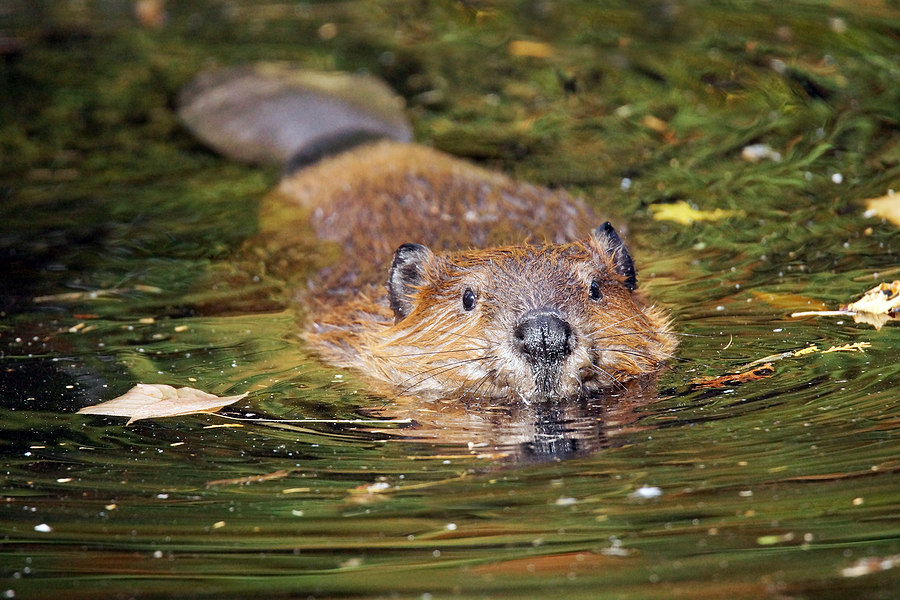
The beaver, once nearly extinct in the Midwest, is making a cautious comeback. Their dam-building activities create and maintain wetlands, which are critical for water purification and flood control, and provide isolated habitats for numerous species.

Forests

Bison aren’t the only keystone species of the Midwest; the white-tailed deer plays a significant role. Their browsing and predation trigger adaptations in plant populations, affecting biodiversity and forest health.

Threats and Conservation Efforts

Despite their importance, keystone species face many threats, including habitat loss, over-hunting, and climate change. However, there is hope in concerted conservation efforts across the region.

Habitat Loss – The conversion of native habitats for agriculture and urban development remains the primary threat to many keystone species.

Over-Exploitation – Despite legal protections, some keystone species like wolves continue to face persecution. Their populations are sensitive to human pressures, and careful management is crucial for their continued health.

Climate Change – As temperatures and weather patterns shift, the distribution and behavior of keystone species also change, often quicker than their prey and the ecosystem can adapt.

Conservation Strategies – Conservation organizations, and even local and state governments, are tackling these issues head-on through habitat restoration, captive breeding programs, and public education campaigns.

Impact Beyond Nature

Keystone species do more than maintain ecosystems; they can also have a significant impact on local economies and communities.

Tourism – Species like wolves and bears are major draws for ecotourism, bringing in significant revenue for the states that have managed to reintroduce them successfully.

Agriculture – In pest control and pollination, many often overlooked species are vital to the success of local crops and the broader agricultural economy.

Cultural Importance – Certain keystone species hold deep cultural significance for local indigenous tribes and communities, further underlining the importance of their preservation.

Nuisance Wildlife Control

While keystone species are essential for ecological health, sometimes interactions with them can lead to nuisance behaviors and infestations, especially in urban areas. The key is to approach these situations with respect for the animal and the environment.

Understanding the Behavior – Identifying the reasons behind nuisance behaviors is the crucial first step in addressing them. Often, it’s about food, shelter, or a safe place to raise their young.

Prevention Measures – Simple actions such as securing trash cans and using fencing can prevent many conflicts between people and wildlife.

Responsible Removal – If a keystone species becomes a true nuisance, it’s important to involve professionals who can safely and humanely relocate the animal while minimizing stress.

Take Action for the Midwest’s Keystone Species

Supporting conservation efforts and making informed choices in our daily lives are powerful ways to protect keystone species.

Get Involved in Conservation – Donations, volunteering, and even pursuing careers in ecology or conservation biology can make a significant impact.

Make Sustainable Choices – Whether it’s reducing your carbon footprint, or choosing wildlife-friendly products, your choices matter.

Advocate for Wildlife – Raise awareness of the importance of keystone species in conversations, social media, and with your local representatives.

Conclusion

Keystone species are the architects of our ecosystems, shaping the environment in ways that allow life to flourish in diversity and abundance. Their impact extends far beyond the natural world, influencing agriculture, local economies, and cultural heritage in profound ways. The challenges they face, from habitat loss to climate change, are significant but not insurmountable. Through dedicated conservation efforts, sustainable living choices, and a collective commitment to understanding and protecting these vital organisms, we can ensure that the Midwest—and indeed, ecosystems around the world—continue to thrive.

The duty to protect our keystone species is not just an ecological obligation; it’s a moral one, to future generations and the planet. Together, we can heed the call to safeguard these pillars of biodiversity, for in doing so, we secure our own well-being and the health of the earth.

Are you still concerned about the nuisance critter population around your home or business? Contact Budget Animal Removal at 317-875-3099 for DNR licensed and insured wildlife removal and control in Indianapolis, Indiana and surrounding counties. Request a free estimate or advice, today!

Related Posts:

Native Indiana Squirrel Species You Might See in Your Backyard
Raccoons in Indiana: An Environmental Impact Study
Is it Safe to Feed the Animals Around My House?

A Comprehensive Guide to Opossum Removal

Opossums often earn the dubious accolade of being North America’s only marsupial but ask any homeowner and they’ll tell you that unique designation hardly makes these nocturnal creatures welcome in their homes. With their well-documented tendency to seek warmth and shelter in attics, garages, and crawl spaces, the opossum can swiftly transform from an intriguing backyard specter into a not-so-welcome household invader.

Whether you’re startled to find one rummaging through your garbage cans or have become all too familiar with the sounds of scurrying feet in your ceiling, the need for opossum removal can quickly become a priority for many property owners. But how does one effectively and humanely deal with these creatures who sometimes seem just as baffled by their location as you are disgruntled by their presence?

In this in-depth guide, we’ll explore the world of opossums from the inside out, discover the tell-tale signs of an infestation, assess the effectiveness of DIY control methods versus professional services, and discuss the ongoing animal-proofing strategies that will keep these critters at arm’s length.

Call 317-875-3099 for Licensed and Insured Opossum Removal in Indianapolis Indiana

Understanding Opossum Behavior

Before you can successfully evict an opossum from your property, it helps to comprehend their habits and preferences. Opossums, being primarily nocturnal, can often go unnoticed until their nighttime ramblings bring them into the range of your floodlight or under the glow of your kitchen window.

Nocturnal Habits

Their night-centric lifestyle is not merely a matter of preference; it’s a survival strategy. Opossums have a lower body temperature than most mammals, and nighttime activities help conserve energy. This means that when you’re winding down for the day, they’re just warming up for a night of foraging.

Diet Preferences

Opossums are omnivores, with a diet that spans the full smorgasbord of the living and the dead. Their culinary inclinations are broad enough to include insects, fruits, vegetables, small mammals, and carrion. This adaptability is one reason why they’ve managed to spread across a wide variety of habitats.

Nesting Areas

When the lights are out and the world is sleeping, opossums are in pursuit of a secure place to call home. They’ll seek out abandoned burrows or opt to create their own dens to rear their young (called joeys). This nesting behavior is what often leads them into human habitations.

Signs of Opossum Infestation

Are you unknowingly playing host to a marsupial squatter? Here are some key signs that you might be sharing your space with an opossum.

Visual Identification

Seeing an opossum skulking around your yard at night is one thing, but it’s their presence inside your home that often causes the most concern. Since they’re largely nocturnal, catching a glimpse of one during the day could indicate they’ve found a cozy place to rest in an unused area of your property.

Noises and Tracks

The sounds of opossum activity can vary, but commonly include scratching, scuttling, and gnawing. Thumping sounds could also mean an opossum is clumsily navigating your attic or walls. When it comes to tracks, opossums have distinctive five-toed prints on each foot, easily identifiable if you can catch a glimpse of undisturbed dust or dirt.

Damage to Property

Opossums can be surprisingly heavy-footed and destructive, especially if they feel cornered or threatened. They might tear up insulation for nesting material, chew through electrical wires, or accidentally knock over items as they attempt to make their way through your home’s interior.

DIY Opossum Control Methods

If your property is opossum-prone, there are some tactical and preventative opossum control measures you can take to dissuade their interest.

Securing Trash Cans

One of the most accessible food sources for an opossum is your trash. Using bins with tight-fitting lids or even latching lids can prevent access to a readily available buffet.

Sealing Entry Points

Do a thorough inspection of your home, looking for any gaps or openings that an opossum could use for entry. Remember, these critters are quite agile and can squeeze through surprisingly small gaps.

Using Animal Repellents

There are various non-toxic animal repellents you can deploy to keep opossums at bay. These range from pungent sprays to ultrasonic devices that emit a sound only animals can hear.

Professional Possum Removal Services

When the problem seems to be out of your hands or potentially dangerous, it’s time to outsource professional wildlife removal services.

Benefits of Hiring a Wildlife Removal Company

Professional services bring a wealth of experience and the proper tools to the job, ensuring the responsive yet cautious removal of opossums. Many of these services are also well-versed in local regulations regarding wild animal handling.

Risks Associated with DIY Possum Removal

Opossums can carry pathogens and parasites, and if they feel threatened, they might bite or attack in defense. Attempting to remove them without the proper training can put you at risk of disease or injury.

Animal Proofing Measures

Prevention is often the best cure, so once your opossum dilemma has been resolved, it’s time to take measures to keep them from coming back.

Maintenance Tips

Keep your property in good repair, fixing any damage to the exterior that could provide entry for opossums. This includes repairing fences, sealing gaps, and securing access points to basements, attics, and crawl spaces.

Landscaping Considerations

Opossums are attracted to areas with a dense cover, such as overgrown shrubs and wood or brush piles. By keeping your landscaping tidy, you reduce the allure of your yard as a potential opossum residence.

Ongoing Vigilance

Regular inspections and maintenance of your property can catch potential opossum issues before they become full-blown problems.

Conclusion

Removing opossums from your property can be a challenging task, but with the right knowledge and proactive approach, it’s entirely feasible. Quick action is key, as opossums are clever survivors, and the longer they remain on your property, the more challenging their removal can become. By understanding their habits, recognizing the signs of infestation, and taking appropriate control measures, you’ll be equipped to handle the situation effectively. Whether you choose to tackle the problem alone or seek professional assistance, the goal remains the same: to restore your home to a peaceful, opossum-free state.

Hopefully this blog post has helped provide useful information on nuisance possum issues. Contact Budget Animal Removal at 317-875-3099 for DNR licensed and insured opossum removal and control in Indianapolis and its surrounding counties. Request a free estimate or advice, today!

Related Posts:

10 Tips on How to Humanely Get Rid of Opossums
What to Do if You See an Opossum in Your Yard
Opossums Facts That Will Stop You in Your Tracks

Squirrels in Your Attic: A Guide to Safe and Humane Animal Removal

Discovering that squirrels have made themselves at home in your attic can be a frustrating and concerning experience for any homeowner or property manager. The pitter-patter of little feet at first provides a quaint, woodland charm to the home’s atmosphere, but it quickly turns into a nightmare when the adorable intruders start chewing through your wiring or causing structural damage. This guide is designed to help you not only handle the immediate issue but do so with respect for the safety, well-being, and legal status of these commonly misunderstood creatures.

Call 317-875-3099 for Licensed and Insured Squirrel Removal in Indianapolis Indiana

Why are Squirrels an Issue in Attics?

Squirrels are crafty creatures, known for their agility and acumen. When they choose to set up camp in your residence, they’re usually not looking for trouble – just a cozy spot to call home. However, the consequences of their presence can be far-reaching, from the immediate dangers of electrical fires to the long-term implications of compromised housing insulation. While the urge to handle the situation swiftly is understandable, it’s crucial to remember that ensuring the safety of the animals and maintaining compliance with wildlife regulations are just as important.

The first step in resolving a squirrel infestation is identifying that it’s happening. This might seem straightforward, but signs of these nimble critters can be subtle. Once you’re confident that squirrels are the issue, employing safe and humane removal techniques should be your next priority. Understanding the relevant legal and ethical considerations is also vital, as it ensures that your actions are responsible and provide a framework for future interactions with wildlife.

Identifying Squirrel Infestation

Squirrel infestations are often first noted by scratching or scurrying sounds in the attic or chimney. You might also hear the animals vocalizing. Physical signs include damage caused by chewing, nesting materials such as shredded insulation, and droppings. Squirrels often enter buildings in search of shelter and a place to raise young, making your attic an ideal spot.

Sounds and Noises – One of the most tell-tale signs of a squirrel infestation is the sound of the animals moving around, particularly at dawn and dusk when they’re most active. They’re loud, and hearing them move is often the first indicator of their presence.

Damage – Squirrels have sharp teeth and are known to gnaw through wood, electrical wiring, and even PVC plumbing. This kind of damage poses both safety and structural risks.

Droppings and Odors – Accumulating droppings and the urine of these animals can lead to foul smells and can also pose health risks to the indoor air quality of your home.

Nesting Material – Squirrels build nests out of any material they can find, and your attic’s insulation and materials may be used to create these homes, leading to further structural and safety issues within the space.

Safest Squirrel Removal Techniques

Once you’ve confirmed a squirrel infestation, it’s critical to remove them safely. This is a task best handled by professionals. Licensed and insured wildlife removal companies not only have the expertise to handle the animals without harm, but they also have a suite of tools and techniques to ensure the removal is complete and permanent. Professional squirrel removal services are also well-versed in local wildlife regulations and will act in accordance with them, ensuring that your squirrel removal is legal. Furthermore, they will be equipped to deal with any biohazards created by the infestation.

Risks of DIY Animal Removal

When dealing with wildlife, you enter a different legal category than in simple pest prevention. Various local and national regulations exist to protect animals, and it’s important to understand the laws in your area so that you remain in compliance. DIY removal is risky for both humans and the animals. Squirrels can carry diseases such as rabies, and inexperienced individuals are more likely to be exposed to dangers during trapping and removal.

Recommended Squirrel Control Measures

Respect for animal welfare should guide all your interactions with wildlife. The goal is not just to remove the immediate problem but to ensure that the squirrels are unharmed in the process and that the solution is a humane one. With that being said, prevention is often more effective and less hassle than cure. In the case of nuisance squirrels, control measures can deter these creatures from considering your property as a potential nesting site.

Seal Entry Points

After the squirrels are gone, it’s essential to seal entry points. Carefully inspect your home’s exterior, looking for gaps and openings through which a squirrel might enter. Seal these up with the appropriate materials to prevent future access. Regularly inspect your home’s exterior for new entry points. Remember, squirrels and other wildlife are persistent and opportunistic, and a small breach could be their way in.

Remove Attractants

The primary reason squirrels are attracted to your home is the presence of food or the potential for shelter. Store food securely and ensure there are minimal hiding spots like overgrown vegetation near the home. You may want to invest in squirrel baffles for bird feeders and other areas you don’t want them climbing.

Squirrel Repellents

Natural wildlife repellents can discourage squirrels from the immediate vicinity. These include things like hot pepper sprays, putrescent egg crumbles, castor oil, or even predator urine, but their effectiveness may vary.

Conclusion

A squirrel infestation in your attic is a disruptive event, but it is one that can be effectively and humanely resolved with the right approach. By acting responsibly and proactively, you can ensure the safety of both your home and the wildlife that might otherwise cause you trouble. Understanding your rights, the animals’ needs, and the most effective removal and prevention methods creates the foundation for a safe living environment for all parties involved.

Remember, while squirrels may be a nuisance to you, they’re neighbors in their own right, living in the very nature we strive to conserve. Treating them with respect as you address the situation not only aligns with ethical practices but also sets a positive example for the sustainable management of our shared environment.

Should you discover squirrels in your attic, don’t panic. Contact Budget Animal Removal at 317-875-3099 for DNR licensed and insured squirrel removal service in Indianapolis, Indiana. Request a free estimate or advice, today!

Related Posts:

How to Identify and Prevent Damage from Squirrels in Your Home
Native Indiana Squirrel Species You Might See in Your Backyard
Today is National Squirrel Appreciation Day!

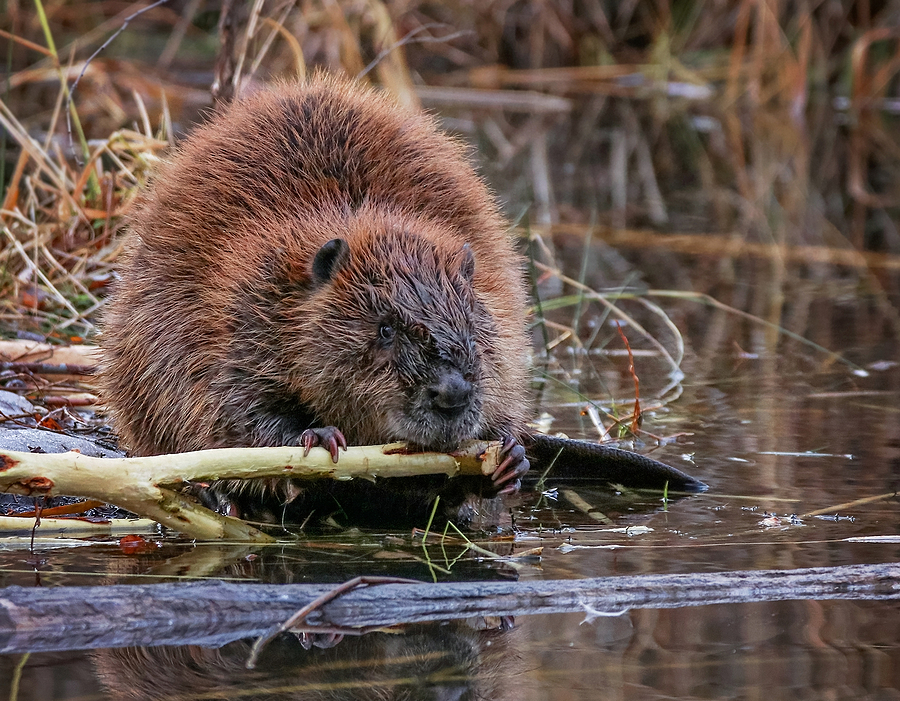
Understanding Beavers: Nature’s Ecosystem Engineers

Nature’s workings are intricate and fascinating, often hidden in the daily lives of creatures that we perceive to be ordinary. Among such creatures is the beaver, a remarkable animal blessed with the ability to significantly mold its habitat. Beavers are far more than just dam builders; they are pivotal contributors to environmental health and diversity, thus earning them the moniker of “Nature’s Ecosystem Engineers.”

This blog post dives deep into the world of beavers and their crucial role in our ecosystem, aiming to enlighten environmental enthusiasts, conservationists, and anyone enthralled by the wonders of nature.

Call 317-875-3099 for Licensed and Insured Beaver Control in Indianapolis Indiana

A Beaver’s Life

Beavers are primarily aquatic mammals known for their impressive ability to transform landscapes to suit their needs. Their natural habitat spans across the North American and Eurasian continents, close to rivers and streams. These intelligent creatures have bodily adaptations such as webbed feet, water-repellent fur, and powerful tails that aid them in their semi-aquatic lifestyles.

Much of a beaver’s life revolves around water. In addition to providing them with protection from predators, water bodies are the linchpins of their survival and engineering works. Beavers are architects of their own environment, building elaborate lodges and dams that introduce remarkable changes to their surroundings.

Beavers as Ecosystem Engineers

As ecosystem engineers, beavers play a transformative role in the environment. Their dam-building activities create wetlands—ecologically rich habitats that serve as the lifeblood for diverse species, from fish to birds to plants. These newly formed waterways and ponds provide essential resources for other wildlife and create niches for various organisms to thrive.

The beaver’s ability to manipulate their habitat epitomizes the keystone species concept, illustrating how one species’ way of life can have a disproportionate impact on the structure of communities and the functioning of ecosystems—often boosting overall biodiversity.

Ecological Benefits of Beavers

The benefits of beavers extend far beyond biodiversity. In wetland ecosystems, beavers contribute to:

Water Conservation: Beaver dams slow down water flow, enabling groundwater recharge and maintaining water levels in times of drought.

Flood Prevention: By creating natural water barriers, beaver dams can help mitigate the impact of flooding events.

Water Quality Improvement: The wetlands filter out sediments and pollutants, leading to cleaner waters downstream.

Carbon Sequestration: Beaver ponds lock away carbon, contributing to the mitigation of climate change on a local scale.

These contributions underline the beaver’s environmental significance and our need to champion their conservation.

Coexisting with Beavers

The relationship between beavers and humans can be complex. While beavers bring myriad ecological benefits, they sometimes clash with human activities, particularly in urban or agricultural areas. In places like Tualatin River National Wildlife Refuge in Oregon, USA, beaver dams have enhanced local wildlife habitats, showcasing the immense potential within successful beaver-human coexistence.

Implemented strategies like the use of beaver deceivers—flow devices that maintain water levels while allowing beaver habitation—exemplify sustainable solutions for managing beaver-human interactions. For homeowners, property managers, and building owners, adopting such solutions can turn potential conflicts into conservation opportunities.

How to Safely Deal With Nuisance Beavers

Beavers can cause problems in areas where they are unwanted. Their burrowing activities and dam-building can lead to property damage, flooding, or conflicts with other land uses. However, there are humane ways to address these issues without resorting to lethal methods like trapping or relocation.

Fencing: Installing fencing around trees and structures can protect them from beaver activity. A fence with a smooth or slippery surface will make it difficult for beavers to climb over.

Tree Wrapping: Protecting young trees with wire mesh or plastic barriers can prevent beavers from gnawing on their bark, which is a vital food source for them.

Flow Devices: As mentioned earlier, flow devices like beaver deceivers can help manage water levels while allowing beaver habitation in the area.

Utilizing Habitat Modification: Altering the environment to make it less appealing to beavers can also be effective, such as removing food sources like nearby trees or debris.

Hiring a Professional Beaver Removal Service: Licensed wildlife control operators are trained and equipped to deal with nuisance beavers.

Conclusion

Beavers are much more than just charming creatures with big front teeth. They are essential players in our ecosystem, shaping landscapes and providing crucial resources for other wildlife. By understanding their behaviors and adopting sustainable solutions, we can ensure successful coexistence with these amazing animals.

By using the right techniques and applying proper prevention methods, you can ensure that your home is safe from damage caused by beavers. Start by contacting Budget Animal Removal at 317-875-3099 for DNR licensed and insured beaver removal and control in Indianapolis, Indiana, and surrounding counties. Request a free estimate or advice, today!

Related Posts:

All You Need to Know about Beaver Removal and Control
Be On the Lookout for Beaver Dam Problems This Fall
The Basic Facts You Want to Know About Beavers

The Homeowner’s Guide to Chipmunk Control: Prevention, Solutions, and Security

Spunky and spirited, chipmunks are undeniably adorable creatures that bring to life the scenes of many a woodland story. However, when these little characters start calling your property home, they can quickly go from cute to concerning as they burrow and potentially damage your garden and home’s foundation.

In this guide, we’ll explore practical and humane approaches to chipmunk control that homeowners can employ. From understanding the behavior of these striped foragers to implementing effective prevention strategies, this is your go-to manual for coexisting peaceably with your tiny, unwelcome neighbors. Let’s dive into creating a serene outdoor environment, free from the worries of chipmunk-related chaos.

Call 317-875-3099 for Licensed and Insured Chipmunk Control Service in Indianapolis

The Behavior of Chipmunks

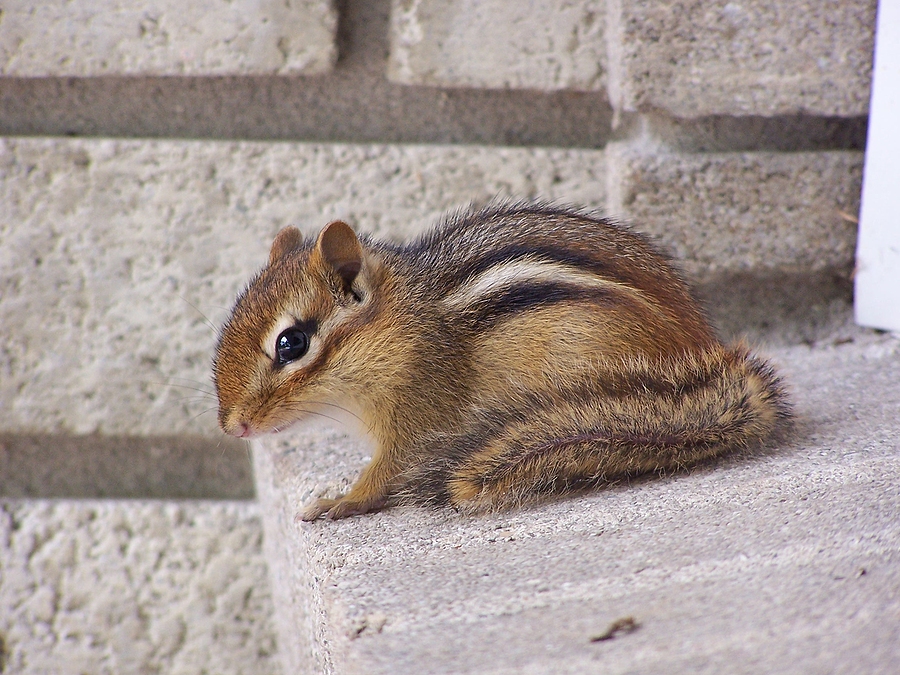
Before we delve into preventative measures and solutions, let’s start by understanding the behavior of chipmunks. These small rodents are a type of ground squirrel that are best known for their signature stripes – black, white, and brown markings that run down their bodies. They have rounded ears, fluffy tails, and distinctive cheeks designed for storing food, making them a beloved sight for many.

But while chipmunks are cute and harmless to humans, their digging habits can cause significant damage to lawns, gardens, and structures. By nature, chipmunks are burrowing animals that create intricate underground tunnel systems for nesting and storing food. They also have sharp teeth that they use to gnaw on wood and other materials, which can lead to costly repairs. Furthermore, their tendency to hoard seeds and nuts attracts other pests such as mice and rats, increasing the chances of infestations.

Chipmunk Proofing Strategies

Prevention is always better than a cure when it comes to chipmunk control. By implementing these environmental modification strategies, you can reduce the likelihood of chipmunks making your property their home:

Keep your yard clean and well-maintained to reduce hiding spots and potential food sources.

Regularly seal any holes or cracks in your home’s foundation, walls, and roof to prevent chipmunks from entering.

Use wire mesh or hardware cloth as a barrier around gardens, flower beds, and other areas you wish to protect from burrowing.

Place a layer of gravel or stones around the base of trees to prevent chipmunks from digging.

Consider using non-toxic repellents such as castor oil, putrescent egg, or predator urine. Use deterrents like motion-activated sprinklers to deter chipmunks.

Non-Lethal Trapping

If prevention isn’t enough and you still have an unwanted chipmunk on your property, trapping can be an effective solution. However, it’s essential to hire a licensed and insured animal removal company for the task. Look for technicians that use non-lethal methods of chipmunk trapping.

How licensed wildlife control operators trap chipmunks effectively:

They place bait such as nuts or seeds inside the trap and set it near known burrows or along their usual path.

They check the trap daily, and if a chipmunk is captured, they wear gloves to handle them, avoiding any bites or scratches.

They relocate or dispose of the chipmunk in accordance with state laws and EPA regulations.

Working with a Professional Animal Removal Service

For those who prefer not to handle trapping themselves, hiring a professional wildlife control service is another option. These experts have the knowledge and experience to safely remove any chipmunks from your property without harming them. They can also provide long-term solutions, such as sealing entry points and implementing prevention strategies.

Conclusion

Having chipmunks on your property may seem like a nuisance, but with the right preventative measures and humane solutions, you can coexist peacefully with these cute but potentially damaging rodents. By understanding their behavior and implementing effective strategies, you can create a harmonious environment for both you and your tiny, furry neighbors. And if all else fails, don’t hesitate to bring in the right wildlife removal professionals who specialize in humane chipmunk control. With these tips in mind, you can enjoy your beautiful outdoor space without worrying about any unexpected chipmunk chaos.

Ready to tackle your nuisance rodent problems with first-class solutions at a neighborhood price? Contact Budget Animal Removal at 317-875-3099 for DNR licensed and insured chipmunk removal and control in Indianapolis, Indiana you can afford. Request a free estimate or advice, today!

Related Posts:

How to Find and Remove a Chipmunk Nest on Your Property
Chipmunk Facts That Will Help You Protect Your Home and Garden
How to Get Rid of Nuisance Chipmunks