From Bat Cave to Your Garden: The Eco-Friendly Secret of Guano

Bat guano, a term derived from the Quechua language of the Andes, stands as one of nature’s oldest and most effective fertilizers. For centuries, cultures around the world have tapped into its potent benefits for agriculture and gardening. Long before synthetic fertilizers dominated the market, indigenous peoples in places like Peru recognized the power of bat guano to enrich their crops and sustain their communities.

The historical significance of bat guano extends beyond its use as a simple fertilizer. In the 19th century, it became a valuable global commodity, fueling agricultural revolutions and even sparking territorial conflicts. Its nutrient-rich composition made it a sought-after resource, elevating the fertility of fields and promoting healthier plant growth. This ancient practice of utilizing bat droppings continues today, blending tradition with modern agricultural methods.

For gardening enthusiasts, agriculture professionals, and homeowners alike, understanding the legacy and application of bat guano can unlock new potential in their green spaces. Whether you’re nurturing a backyard garden or overseeing vast agricultural lands, this natural substance offers a bridge between the wisdom of the past and the needs of the present.
Call 317-875-3099 for Licensed and Insured Bat Control Service

The Science Behind Bat Guano

At the heart of bat guano’s effectiveness lies its unique composition. Rich in essential nutrients like nitrogen, phosphorus, and potassium, it caters to the fundamental needs of plants. These elements are crucial for various stages of plant growth, from root development to fruit production. Nitrogen aids in leaf growth, phosphorus is vital for root and flower development, while potassium strengthens plants’ resilience against diseases.

The nutrient density in bat guano surpasses many other organic fertilizers, making it a powerhouse for any garden. Its nitrogen content is particularly beneficial for leafy vegetables, ensuring lush and vibrant growth. Meanwhile, the phosphorus in guano supports blooming and fruiting plants, enhancing both the quality and quantity of produce. The balanced nutrient profile makes it an ideal choice for diverse gardening needs.

Additionally, bat guano acts as a natural soil conditioner. Its application improves soil structure, enhances aeration, and boosts microbial activity. These benefits create an optimal environment for plants to thrive, promoting healthier crops and more abundant yields. For those seeking sustainable agriculture solutions, the science behind bat guano underscores its role as a critical component in Eco-friendly farming practices.

Diverse Applications of Bat Guano

The versatility of bat guano extends across various agricultural settings, from large-scale farming to cozy home gardens. In commercial agriculture, its concentrated nutrients offer an efficient means of boosting crop yields without resorting to synthetic chemicals. Farmers worldwide integrate it into their cultivation practices to improve soil health and support sustainable food production.

Home gardeners also find bat guano to be a valuable addition to their toolkit. When applied correctly, it can transform a humble vegetable patch into a thriving oasis. Whether you’re growing tomatoes, peppers, or ornamental flowers, guano fertilizer provides the necessary nourishment to support vigorous growth and vibrant blooms. Its organic nature aligns with the principles of organic gardening, reducing reliance on synthetic alternatives.

Beyond its role in direct soil application, bat guano can be brewed into a nutrient-rich “guano tea.” This liquid fertilizer serves as a quick-acting nutrient boost for plants, ensuring rapid absorption and immediate results. Whether used as a foliar spray or soil drench, guano tea empowers gardeners to respond effectively to their plants’ needs, promoting growth and resilience.

Bat Guano vs. Other Fertilizers

In the spectrum of fertilizers, bat guano stands out for several compelling reasons. Its organic nature aligns with growing consumer demand for natural and sustainable gardening solutions. Unlike synthetic fertilizers, which often introduce harmful chemicals into the environment, bat guano nourishes plants without leaving a toxic footprint. This makes it an appealing choice for environmentally conscious growers.

Compared to other organic fertilizers, bat guano offers a more concentrated source of essential nutrients. While options like compost and manure provide valuable organic matter, they may lack the nutrient density that guano delivers. This makes bat guano particularly effective for addressing specific nutrient deficiencies and achieving consistent plant health.

Furthermore, the benefits of bat guano extend beyond its nutritional value. Its application contributes to improved soil structure and increased microbial activity, setting it apart from many other fertilizers. By fostering a healthy soil ecosystem, bat guano promotes long-term soil vitality, ensuring sustainable productivity for years to come.

Eco-Friendly Benefits of Bat Guano

The production and use of bat guano align with sustainable agricultural practices, offering significant environmental benefits. Bats, as natural pest controllers, contribute to ecosystem balance by consuming insects that would otherwise harm crops. Their droppings, in turn, enrich the soil, creating a symbiotic relationship that benefits both wildlife and agriculture.

Using bat guano supports bat conservation efforts by recognizing and valuing their ecological contributions. Encouraging responsible guano harvesting practices ensures that bat populations remain healthy and their habitats are preserved. This aligns with broader protection goals, promoting biodiversity and ecological resilience.

For gardeners and farmers, choosing bat guano as a fertilizer represents a commitment to sustainability. Its application reduces reliance on chemical inputs and supports practices that protect soil health and water quality. By integrating bat guano into their routine, growers contribute to a healthier planet while enjoying the tangible benefits of enhanced plant growth.

Sourcing and Applying Bat Guano

For those interested in harnessing the power of bat guano, sourcing it is relatively straightforward. Many garden centers and online retailers offer high-quality guano products, often sourced from sustainable and ethical suppliers. It’s important to choose reputable brands that prioritize environmental responsibility and support bat conservation efforts.

When it comes to applying bat guano, best practices ensure optimal results. For direct soil application, work the guano into the soil before planting or use it as a top dressing during the growing season. This allows the nutrients to gradually leach into the soil, providing sustained nourishment to plants.

Creating guano tea is another effective method of application. Simply steep a small amount of guano in water for several days, then use the resulting liquid as a foliar spray or soil drench. This technique allows for precise nutrient delivery, especially beneficial for plants experiencing stress or nutrient deficiencies.

Recognizing Bat Droppings

Understanding what bat droppings look like can be helpful for those who encounter them in their surroundings. Bat guano looks like small, dark granules and they crumble easily when dry. They are often found in attics, caves, or other sheltered locations where bats roost.

While encountering bat droppings can indicate a potential bat infestation, it’s important to remember that bats play a valuable role in the ecosystem. If you suspect a bat presence, it’s advisable to contact a licensed wildlife removal company. These professionals can provide safe and humane bat control assistance, ensuring the protection of both your property and local bat populations.

Identifying bat droppings is also crucial for those interested in collecting guano for gardening purposes. Ensuring that the guano is sourced ethically and does not harm bat colonies is vital to preserving these important creatures and their habitats.

In Summary

Incorporating bat guano into your gardening or farming practices offers a multitude of benefits, from nourishing plants to supporting sustainable agriculture. Its rich nutrient content and Eco-friendly attributes make it a compelling choice for gardeners, farmers, and homeowners alike. By choosing bat guano, you’re not only enhancing your green spaces but also contributing to environmental conservation and bat protection.

To explore the potential of bat guano for your gardening needs, consider reaching out to local suppliers or garden centers. Many offer high-quality guano products that align with sustainable practices, ensuring that your gardening efforts are both effective and environmentally responsible. Additionally, engaging with a licensed wildlife removal company can provide peace of mind when dealing with bat infestations, ensuring that both your property and local bat populations remain protected.

Whether you’re a seasoned gardener or a novice plant enthusiast, the Eco-friendly secret of bat guano holds the potential to transform your green spaces and support a healthier planet.

If you have any questions about local bat populations around your homestead, we are here to help! Call Budget Animal Removal at 317-875-3099 for DNR licensed and insured bat removal and control in Indianapolis and its surrounding counties. Request a free estimate or advice, today!

Related Posts:

The Most Threatened Bat Species in Indiana
Are Bats Really Dangerous?
3 Reasons Why Bats are Great at Flying


Bats and Histoplasmosis: Understanding the Hidden Risks and Conservation Efforts

Histoplasmosis is a disease that many people have never heard of, but it can have significant impacts on public health. If you’re a homeowner or a wildlife enthusiast, understanding this disease and its connection with bats is essential. This blog aims to shed light on histoplasmosis, its transmission, and how you can protect yourself while preserving our bat populations.

Call 317-875-3099 for Safe and Insured Bat Removal in Indianapolis Indiana

What is Histoplasmosis?

Histoplasmosis is an infection caused by the fungus Histoplasma capsulatum. This fungus thrives in environments rich in bird or bat droppings, such as old buildings, caves, and even soil. When disturbed, the spores become airborne and can be inhaled by humans, leading to infection.

Transmission and Symptoms

Inhaling these fungal spores is the primary way humans contract histoplasmosis. It’s not spread from person to person, so direct human contact is not a concern. Symptoms vary widely; some people may experience mild flu-like symptoms, while others can develop severe respiratory issues. Common signs include fever, cough, fatigue, and chest pain.

Why It Matters

Understanding histoplasmosis is crucial because it can affect anyone who comes into contact with contaminated areas. Early diagnosis and treatment are vital for those experiencing severe symptoms to avoid complications.

Bats and Their Role in Histoplasmosis

Bats play a unique role in the ecosystem, but they also contribute to the spread of histoplasmosis. These nocturnal creatures often roost in large colonies, producing significant amounts of guano (bat droppings) that can harbor the Histoplasma fungus.

Bat Habitats and Behavior

Bats are found in various habitats, from caves and forests to urban areas. They typically seek out dark, secluded spaces for roosting, making attics and abandoned buildings prime locations. Understanding their behavior helps in identifying potential risks.

How Bats Spread Histoplasmosis

When bats roost in confined areas, their droppings accumulate, creating a breeding ground for the Histoplasma fungus. Activities that disturb these droppings, such as cleaning attics or exploring caves, can release spores into the air, increasing the risk of inhalation.

Benefits and Risks

While bats contribute to the spread of histoplasmosis, they also play essential roles in pollination, seed dispersal, and insect control. It’s essential to balance public health concerns with wildlife conservation efforts.

Risks to Homeowners and Public Health

Histoplasmosis poses significant risks, particularly for homeowners and the general public. Awareness and preventive measures are key to mitigating these risks.

Impact on Homeowners

For homeowners, bats in the attic are more than just a nuisance—they can be a health hazard. Bat guano can accumulate unnoticed, especially in rarely accessed areas like attics and basements. Regular inspections and maintenance are crucial to prevent infestations.

Community Health Concerns

Histoplasmosis can also affect communities, especially in areas where bats roost in large numbers. Public health initiatives should focus on educating residents about the risks and promoting safe practices when dealing with potential contamination sites.

Importance of Awareness

Raising awareness about histoplasmosis and its connection to bats is vital. Educating the public can help reduce panic and promote informed decisions regarding bat interactions and habitat management.

Wildlife Conservation and Bat Preservation

Despite their role in spreading histoplasmosis, bats are indispensable to ecosystems. Conservation efforts aim to protect these creatures while minimizing health risks.

The Ecological Significance of Bats

Bats contribute significantly to various ecosystems by controlling insect populations and pollinating plants. For instance, some bat species, like the Indiana Bat, are crucial for maintaining balanced ecosystems. Protecting bat populations ensures the health of these systems.

Conservation Initiatives

Various organizations are dedicated to bat conservation, working to protect habitats and promote coexistence. Initiatives include creating bat-friendly environments and educating the public on the ecological benefits of bats.

Balancing Health and Conservation

Efforts to conserve bats must balance public health concerns. By implementing safe bat removal and exclusion techniques, it’s possible to protect both humans and bats.

Bat Control and Bat Proofing

Preventing histoplasmosis involves a combination of public awareness, safe practices, and professional intervention. Here are practical tips for homeowners and the general public.

Safe Bat Removal

If you discover bats in your home, it’s essential to remove them safely and humanely. Contacting professional wildlife control services is recommended, as they have the expertise to handle the situation without harming the bats.

Exclusion Techniques

Preventing bats from entering your home is key. Seal entry points, such as gaps in roofs and walls, and install bat houses nearby to provide alternative roosting sites. These measures reduce the likelihood of bats taking up residence in your home.

Handling Guano Safely

If you need to clean areas contaminated with bat guano, take precautions. Wear protective gear, including masks and gloves, to avoid inhaling spores. Wetting the area beforehand can help minimize dust. For extensive contamination, professional cleaning services are advisable.

Conclusion

Understanding histoplasmosis and its connection to bats is crucial for homeowners, wildlife conservationists, and the general public. By balancing public health concerns with the importance of bat conservation, we can protect ourselves while preserving these vital creatures.

If you’re interested in learning more about safe bat removal or bat conservation efforts, consider reaching out to local wildlife organizations or professional services. Together, we can ensure the safety of our communities and the health of our ecosystems.

Hopefully this blog post has helped provide useful information. If you suspect a bat infestation on your property, act now. Contact Budget Animal Removal at 317-875-3099 for DNR licensed and insured bat removal and control in Indianapolis and its surrounding counties. Request a free estimate or advice, today!

Related Posts:

Safeguard Your Home: Bat Removal and Prevention Guide
How to Identify a Bat Problem Around Your Property
The Most Threatened Bat Species in Indiana

The Upside Down: Managing Bats in Your Attic

Imagine finding out that your attic has become a sanctuary for bats. While these little creatures are essential for our ecosystem, having them in your home can pose significant challenges. Bats play a crucial role in controlling insect populations and pollinating plants. However, when they roost in residential attics, the situation can quickly turn problematic.

In this blog post, we will explore the reasons why bats may choose your attic, how to identify their presence, the risks involved, and legal considerations. We will also discuss ethical and Eco-friendly solutions for managing bats and offer tips on preventing future infestations. By the end of this article, you’ll have a comprehensive understanding of how to handle bats in your attic responsibly and effectively.

Call 615-337-9165 for Bat Removal and Control in Nashville TN

Identifying Bats in the Attic

Typical Signs of a Bat Infestation

Before you can address a bat problem, you need to know if you have one. Bats are nocturnal creatures, making it difficult to catch them in the act. However, there are several telltale signs of a bat infestation. Here are the top clues to look for in and around your house:

  • Guano – Bat droppings, or guano, are often the most apparent sign. Guano resembles small, dark pellets and tends to accumulate in piles. If you find these droppings in your attic or around your home, it’s a strong indicator that bats are present.
  • Unusual Noises – Bats are generally quiet, but you might hear rustling or fluttering sounds coming from your attic at dusk or dawn. These noises are often a giveaway that bats are nesting above.
  • Entry Points – Bats can enter through surprisingly small openings. Inspect your home for tiny gaps or holes, especially around roof edges, vents, chimneys, and eaves. These entry points are likely how the bats are getting in and out of your attic.

Risks and Legal Considerations

Health and Safety Risks

While bats themselves are not typically aggressive, their presence in your home can pose health risks. Bat guano can harbor dangerous fungi that cause histoplasmosis, a respiratory disease. Additionally, bats can carry rabies, which is a serious concern for homeowners.

Legal Regulations

It’s essential to be aware of the laws surrounding bat removal. In many regions, bats are protected species due to their ecological importance. Removing or harming bats without proper permits can result in hefty fines. Always check local regulations before taking any action.

Ethical Considerations

Removing bats ethically is not just about following the law; it’s about respecting wildlife. Bats play a vital role in maintaining ecological balance. Therefore, any removal efforts should prioritize their well-being.

Ethical and Eco-Friendly Solutions

Humane Bat Houses

One way to manage bats humanely is by providing alternative roosting sites. Installing bat houses near your property can encourage bats to relocate from your attic. These structures mimic natural roosting spots, offering bats a safe place to live without invading your home.

Professional Bat Exclusion Services

Hiring a wildlife control company specializing in bat exclusion is another ethical option. These professionals use non-lethal methods to remove bats and seal entry points to prevent re-entry. This ensures that the bats are safely relocated, and your attic is bat-free.

Eco-Friendly Approaches

Using Eco-friendly repellents and deterrents can help keep bats away without harming them. Ultrasonic devices and natural repellents like peppermint oil can be effective in discouraging bats from entering your attic.

Bat Proofing Strategies

Sealing Entry Points

The best way to prevent future bat infestations is by sealing potential entry points. Use caulk, mesh, and other materials to close gaps and holes around your home. Pay special attention to areas like vents, chimneys, and roof edges.

Installing Chimney Caps

Chimneys are common entry points for bats. Installing chimney caps can block access while still allowing your chimney to function correctly. Ensure the caps are securely fitted to prevent any gaps.

Maintaining a Well-Ventilated Attic

Bats are attracted to warm, humid environments. Keeping your attic well-ventilated can make it less appealing to bats. Regularly check for signs of moisture and ensure your attic is dry and well-ventilated.

Conclusion

Managing bats in your attic can be challenging, but it’s important to approach the situation responsibly. By identifying the signs of an infestation, understanding the risks and legal considerations, and implementing ethical and Eco-friendly solutions, you can handle the issue effectively. Preventing future infestations through proper maintenance and sealing entry points is equally crucial. If you’re struggling to manage bats in your attic, consider contacting a professional wildlife control company for expert assistance.

When nothing seems to work against bats, you need professional animal removal service. Contact Budget Animal Removal at 615-337-9165 for TWRA licensed and insured Nashville, Tennessee critter control services you can afford. We use safe and humane methods of beaver dam removal and beaver control. Plus, we serve both residential and commercial customers.

Related Posts:

2 Zoonotic Bat Diseases That Can Be Spread to Humans and Pets
Common Signs That You Have Bats in the Attic
How to Protect Your House From Nuisance Wildlife in Tennessee

Safeguard Your Home: Bat Removal and Prevention Guide

Bats, often regarded as nightmarish creatures in popular media, can turn into a homeowner’s real-life horror story when they take shelter within our homes. With their silent flight and preference for dark, secluded spaces, bats are skilled at finding their way into unassuming homes, where they pose not only an inconvenience but potential health risks as well. In this comprehensive guide, we’ll explore how to keep your home bat-free and your family safe.

Call 317-875-3099 for Licensed and Insured Bat Removal Service in Indianapolis Indiana

Understanding Bat Behavior and Habitats

Before jumping into prevention tactics, it’s essential to understand bats. Contrary to their portrayal in horror movies, bats are not aggressive toward humans. They generally want to be left undisturbed in their preferred roosts, which are typically in quiet, dark spaces that mimic their cave-dwelling habitats.

Discovering Where Bats Lurk

Bats often roost in attics, wall voids, and other quiet, warm areas of a house. In warmer months, they might squeeze through small cracks and crevices to access these spaces, attracted to the comfort and safety they provide. To protect your home, you must understand the locations bats find appealing and what draws them in.

The Key to Keeping Bats at Bay

One of the main factors drawing bats to homes is the availability of food sources near their roosts. This could mean insects swarming around outdoor lights near the entry points bats use to get inside. By removing these attractions, you make your home a far less appealing destination.

Signs of a Bat Infestation

Recognizing the presence of bats in your home is the critical first step towards resolving the issue. Here’s how you can detect their presence and distinguish it from other pests.

Visible Sighting and Distinguishing Bat Activity

Directly seeing bats inside your home is an obvious sign of an infestation, but during the day, they’ll likely be roosting. Look for signs of bat guano, which can accumulate in piles near entry points or their roost, and listen for scratching or squeaking, which can indicate their activity during dusk and dawn.

Identifying Bat Guano and Associated Health Risks

Bat droppings can accumulate in your home’s corners, near walls, or under rafters. It’s crucial to identify and differentiate bat guano from other animal droppings as it poses a potential risk for a disease called histoplasmosis, especially if inhaled when cleaning up.

Safely Removing Bats from Your Home

Once you’ve confirmed a bat infestation, the next step is to take action, ensuring both the safety of your family and the welfare of the bats.

The Human Approach to Bat Relocation

It’s essential to handle bat removal humanely. Closing off their entry points when they’re not actively using them to roost is one effective method. This practice, called exclusion, often involves installing a one-way device near the bats’ entry which allows them to leave but not return.

DIY Removal Techniques

While some home remedies claim to eradicate bats, they can be unreliable and unsafe. Using repellents can drive bats deeper into your home or pose a smell and pollution hazard. Instead, focus on preventative measures against re-entry.

Bat Proofing Techniques

The key to long-term bat control is prevention. Implement these measures to stop bats from reentering your home.

The Integrity of Your Home as a Defense

Sealing any visible entry points is a straightforward way to prevent bats (and other unwanted critters) from entering your home. Pay close attention to areas around the roof, attic vents, and chimney, as these are common entry pathways for bats.

Habitat Modification

Consider how you can make the area around your home less hospitable for bats. Reducing moisture around the house, especially close to potential entry points, can deter bats seeking to prevent dehydration. Outdoor lighting can also be a deterrent by drawing insects away from your home.

When to Seek Professional Bat Removal and Control

In some cases, a bat infestation requires the expertise of a professional. When do-it-yourself methods fail, or if the infestation is too large to manage on your own, it’s time to call in the experts.

Choosing the Right Bat Removal Service

A reputable pest control service will have experience in humane bat removal, will understand the laws and regulations in your area regarding wildlife management, and can help you ensure the safety and health of your family and the bats.

Evaluating the Severity of the Infestation

Professional pest control services will assess the severity of a bat infestation and recommend the best course of action. They will help you with cleanup and repair after the bats have been removed, and provide guidance on how to prevent future infestations.

The Timeliness of Bat Removal

Delaying the removal of bats from your home can lead to further complications. Bats reproduce rapidly, so an infestation can grow quickly. Additionally, guano buildup can damage your home’s structure and pose health risks, making timely removal important.

In Conclusion

Bat infestations are a serious problem for homeowners. Understanding bat behavior, detecting their presence, and implementing humane measures to remove and prevent them are crucial steps to safeguard your home and family. By taking proactive steps and seeking professional assistance when needed, you can effectively manage bat infestations and ensure a safe, healthy living environment.

Have you encountered a bat infestation in your home? Contact Budget Animal Removal at 317-875-3099 for DNR licensed and insured bat removal and control services in Indianapolis and its surrounding counties. We guarantee to fit your budget for safe wildlife control. Request a free estimate or advice, today!

Related Posts:

FAQS About Bats in the House
The Importance of Humane Bat Removal and Control
Need Bat Removal? Here’s What You Need to Know

Keystone Species and their Crucial Role in Our Midwestern Ecosystem

When we picture the sprawling plains and leafy forests of the Midwest, charismatic megafauna like bison and black bears might come to mind. But there’s an invisible network of life, an ecosystem’s ‘glue’, if you will, that maintains the health and harmony of these diverse habitats. These are the keystone species, often small in number but monumental in their impacts. This post is a deep dive into the keystone species that anchor the ecosystems of the American Midwest and why they deserve our attention, admiration, and protection.

Call 317-875-3099 for Safe and Insured Nuisance Wildlife Control in Indianapolis Indiana

Keystone Species: The Cornerstones of Ecosystem Health

Keystone species play a disproportionately large role in their environment. Despite their low number, the impact they have on their ecosystem’s health and diversity is vast. Their significance was first described in the mid-20th century by the ecologist Robert T. Paine, and these species have since become a critical focus of conservation.

What Makes a Keystone Species?

Keystone species maintain the structure and function of an ecosystem, akin to the crucial stone at the top of an arch that prevents its collapse. When removed, the entire ecology in an area can change dramatically. Think of them as the engineers that create and maintain the environment many other species depend upon.

Keystone Predators

Top predators like wolves and cougars are classic examples of keystone species because they control the population of their prey, which in turn can shape the environment and influence the abundance and diversity of other organisms. Other examples of keystone predators include grizzly bears, sea otters, and crocodiles, but we don’t see those in the Midwest.

Keystone Engineers

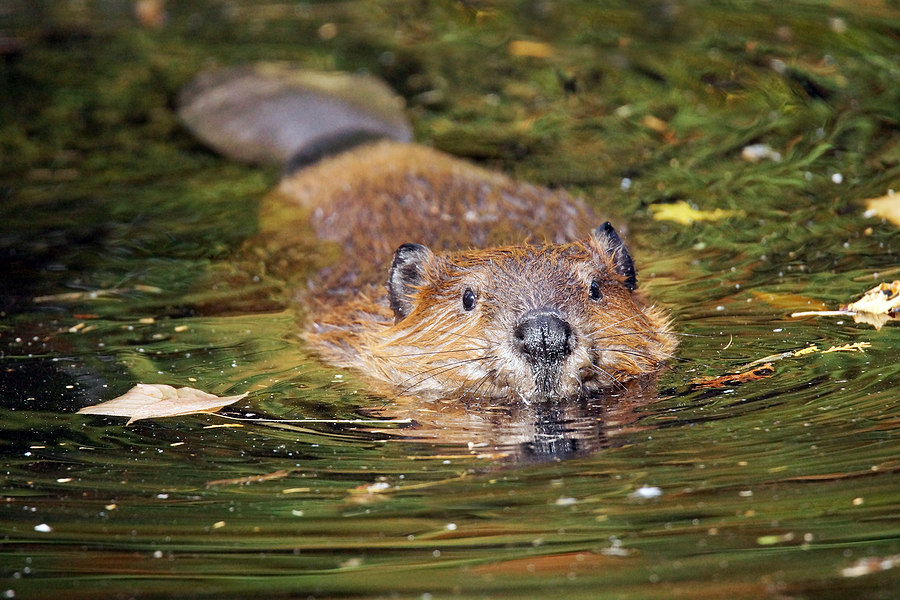
Animals such as beavers and prairie dogs are known as ‘ecosystem engineers’ because their activities literally reshape the environment, creating niches for other species to thrive. In the Midwest, the loss and recovery of keystone species have significantly altered ecological systems, affecting plant and animal communities. Bats too are a keystone species because of their role as pollinators and seed dispersers in forests. Without them, the forest’s health and diversity would significantly decline.

The Midwest’s Keystone Habitats

The Midwest, often characterized by its rich agricultural landscapes, is home to a variety of habitats that require specific keystone species to maintain balance.

Prairies and Grasslands

The iconic American prairie once roamed by bison owes much to the grazing habits of these large herbivores. Their routine feeding shaped the land and encouraged the growth of diverse species of grasses and wildflowers.

Wetlands

The beaver, once nearly extinct in the Midwest, is making a cautious comeback. Their dam-building activities create and maintain wetlands, which are critical for water purification and flood control, and provide isolated habitats for numerous species.

Forests

Bison aren’t the only keystone species of the Midwest; the white-tailed deer plays a significant role. Their browsing and predation trigger adaptations in plant populations, affecting biodiversity and forest health.

Threats and Conservation Efforts

Despite their importance, keystone species face many threats, including habitat loss, over-hunting, and climate change. However, there is hope in concerted conservation efforts across the region.

Habitat Loss – The conversion of native habitats for agriculture and urban development remains the primary threat to many keystone species.

Over-Exploitation – Despite legal protections, some keystone species like wolves continue to face persecution. Their populations are sensitive to human pressures, and careful management is crucial for their continued health.

Climate Change – As temperatures and weather patterns shift, the distribution and behavior of keystone species also change, often quicker than their prey and the ecosystem can adapt.

Conservation Strategies – Conservation organizations, and even local and state governments, are tackling these issues head-on through habitat restoration, captive breeding programs, and public education campaigns.

Impact Beyond Nature

Keystone species do more than maintain ecosystems; they can also have a significant impact on local economies and communities.

Tourism – Species like wolves and bears are major draws for ecotourism, bringing in significant revenue for the states that have managed to reintroduce them successfully.

Agriculture – In pest control and pollination, many often overlooked species are vital to the success of local crops and the broader agricultural economy.

Cultural Importance – Certain keystone species hold deep cultural significance for local indigenous tribes and communities, further underlining the importance of their preservation.

Nuisance Wildlife Control

While keystone species are essential for ecological health, sometimes interactions with them can lead to nuisance behaviors and infestations, especially in urban areas. The key is to approach these situations with respect for the animal and the environment.

Understanding the Behavior – Identifying the reasons behind nuisance behaviors is the crucial first step in addressing them. Often, it’s about food, shelter, or a safe place to raise their young.

Prevention Measures – Simple actions such as securing trash cans and using fencing can prevent many conflicts between people and wildlife.

Responsible Removal – If a keystone species becomes a true nuisance, it’s important to involve professionals who can safely and humanely relocate the animal while minimizing stress.

Take Action for the Midwest’s Keystone Species

Supporting conservation efforts and making informed choices in our daily lives are powerful ways to protect keystone species.

Get Involved in Conservation – Donations, volunteering, and even pursuing careers in ecology or conservation biology can make a significant impact.

Make Sustainable Choices – Whether it’s reducing your carbon footprint, or choosing wildlife-friendly products, your choices matter.

Advocate for Wildlife – Raise awareness of the importance of keystone species in conversations, social media, and with your local representatives.

Conclusion

Keystone species are the architects of our ecosystems, shaping the environment in ways that allow life to flourish in diversity and abundance. Their impact extends far beyond the natural world, influencing agriculture, local economies, and cultural heritage in profound ways. The challenges they face, from habitat loss to climate change, are significant but not insurmountable. Through dedicated conservation efforts, sustainable living choices, and a collective commitment to understanding and protecting these vital organisms, we can ensure that the Midwest—and indeed, ecosystems around the world—continue to thrive.

The duty to protect our keystone species is not just an ecological obligation; it’s a moral one, to future generations and the planet. Together, we can heed the call to safeguard these pillars of biodiversity, for in doing so, we secure our own well-being and the health of the earth.

Are you still concerned about the nuisance critter population around your home or business? Contact Budget Animal Removal at 317-875-3099 for DNR licensed and insured wildlife removal and control in Indianapolis, Indiana and surrounding counties. Request a free estimate or advice, today!

Related Posts:

Native Indiana Squirrel Species You Might See in Your Backyard
Raccoons in Indiana: An Environmental Impact Study
Is it Safe to Feed the Animals Around My House?

Need Bat Removal? Here’s What You Need to Know

Discovering bats in your attic can be a startling, and indeed, a worrying experience. These creatures, though largely harmless, can carry diseases and their droppings can cause significant damage to your property. Moreover, their nocturnal habits can disrupt your peace. If you find yourself in this predicament, don’t panic.

In this blog post, we’ll guide you through everything you need to know about bat removal, from identifying signs of a bat infestation to steps for humane and effective bat control. We aim to provide you with the essential knowledge to manage these unwelcome guests and restore tranquility in your home.

Call 317-875-3099 for Licensed and Insured Indianapolis Bat Removal Service

Most Common Signs of a Bat Infestation

The most obvious kinds of signs that you have bats living in your attic is the sound of their wings flapping and squeaking at night. Bats are nocturnal creatures, so they’ll be active during the night hours when you’re likely to be asleep. However, if you do happen to wake up or look outside during the evening, you might also see bats flying around your property.

In addition to these signs, you might also spot piles of guano (bat droppings) scattered in your attic or other parts of your house. Bat droppings can be hazardous and can cause respiratory illness and even blindness if inhaled. If you suspect that you have an infestation, make sure to take precautions by wearing a respirator and rubber gloves, and then call a professional for bat removal.

Humane Bat Control

The first step in effective bat control is sealing up your home to prevent the bats from entering. This can be done by inspecting your attic and exterior walls for gaps or cracks and then caulking them shut. Make sure to keep your doors and windows shut as well.

Once you’ve sealed off the entry points, you’ll need to set up a bat house near your home. This will provide the bats with an alternative place to live, thus discouraging them from returning to your property. The bat house should be placed at least 12 feet away from your home in order for the bats to feel safe.

Finally, you should consider calling in a wildlife removal specialist who can help with bat removal humanely and efficiently. They will be able to identify the species of bat and determine the extent of infestation as well as provide advice on how best to deal with it.

Restoring Tranquility

Now that you know what to do about bat removal, it’s time to get started. Remember that the best way to deal with a bat infestation is by taking preventive measures like sealing up your home and using a bat house. Additionally, you can call in specialist for assistance. With these tips, you’ll be able to restore tranquility in your home and enjoy peaceful nights once again.

If you have any questions about bat removal, contact us today for more information. We are here to help! Contact Budget Animal Removal at 317-875-3099 for DNR licensed and insured bat removal and control in Indianapolis and its surrounding counties. Request a free estimate or advice, today!

Related Posts:

Why Winter is the Best Time of Year for Bat Prevention
3 Animal Repellents That Will Get Rid of Bats
How to Identify a Bat Problem Around Your Property

What Are the Most Common Signs of Bats in Your Home?

If you have bats living in your home, it can be a real nuisance. Bats carry diseases, and their droppings can cause health issues for humans and pets alike. Not to mention the noise they make at night! But before you panic about having bats in your house, there are some signs that indicate whether or not you have an infestation on your hands.

Here are the most common signs of bats in your home—and how to deal with them if they become a problem.

Call 615-337-9165  for Licensed and Insured Bat Removal Services in Nashville, TN.
Call 615-337-9165 for Licensed and Insured Bat Removal Services in Nashville, TN.

Common Signs of Bats in the House

Bat Sounds

The first and most obvious sign of bats in your house is hearing them. Bats tend to be relatively loud creatures, so if you’re hearing squeaks and chirps coming from the attic or walls around dusk, you may have a bat problem. If this is the case, it’s important to take steps to remove them as soon as possible—bats can reproduce quickly and create an even bigger issue.

Urine Stains

Another tell-tale sign that bats are living in your home is noticing droppings or urine around the outside of your house or in your attic. Bat droppings are generally dark brown and crumble easily when touched. If you notice any of these signs near where bats might be living, you should call a bat removal specialist right away.

Guano

Finally, a third sign of bats in your home is the presence of guano (bat droppings) on windowsills or around air vents where bats could be entering and exiting your home. Guano is generally black or greenish-black in color and has a strong smell that can be identified from a distance. Once again, it’s best to call an expert for bat removal if you think this may be the case.

What To Do if You Have Bats in the House

If you notice any of these signs in your home, don’t panic! There are many ways to deal with a bat infestation safely and humanely. A qualified bat removal company in Nashville should be able to come out and assess the situation, determine which type of bat is living in your home, and recommend the best course of action for removal. Don’t wait too long—bats can reproduce quickly and cause more damage if left unchecked. Take action now to keep your home bat-free!

Get rid of bats fast with the help of our licensed and insured wildlife control operators. Contact us at 615-337-9165 for TWRA licensed and insured Nashville, TN critter control you can trust. We serve commercial clients, too!  

Related Posts:

Common Signs That You Have Bats in the Attic
2 Zoonotic Bat Diseases That Can Be Spread to Humans and Pets
Are You Searching for Nashville Tennessee Critter Control?

Why Winter is the Best Time of Year for Bat Prevention

Winter may be the most wonderful time of the year, but it’s also one of the best times to protect your home from unwanted bat guests. Bats are active during winter months, and now is an ideal time to take proactive steps towards bat control and prevention. From sealing entry points to installing bat proofing measures, there are many things you can do to ensure that bats don’t make a winter home in yours.

Read on for more information on why winter is the perfect time for bat prevention!

For Winter Bat Control in Indianapolis, Call 317-875-3099 Today.

Bat Activity in Winter

With the arrival of winter, bats become less visible and active. This is because bats hibernate during the coldest months and enter a state of torpor to conserve energy. Hibernation is an adaptation bats use to survive the winter when food is scarce. During this time, bats are not completely asleep and may occasionally wake up due to decreases in temperatures or to take an occasional sip of water. When spring approaches, bats emerge from hibernation, able to enjoy the warmer weather and feast on buzzing insects.

Top Benefits of Winter Bat Control and Proofing

The colder temperatures of winter can make it much easier to spot potential bat entry points around your home. For example, cracks in windows or door frames where bats could get in are often more visible during the cold months. This makes it much easier for you to identify and address those areas before the warmer weather arrives. Likewise, if you have any type of bat control system in place, it’s important to check and maintain it each winter season. This prevents any damage or deterioration that could leave your home vulnerable to bats.

Finally, installing bat proofing measures is most effective during the colder months as well. While this is an important step all year round, winter is when bats are most likely to be looking for shelter. If you can make your home less attractive to bats during this time, you’ll be more protected once the weather warms up. Bat control systems include physical barriers, such as bat-proof screens, bat cones, or bat houses, as well as chemical repellents to prevent bats from settling in or returning to an area. Strategies such as ultrasonic sound waves that mimic bat calls and strobe lights have been employed with varying levels of success. While a one-size-fits-all approach may not exist when it comes to bat control, a combination of these strategies can be utilized by property owners to discourage bat colonizing on their property.

Bat Proof Your Home or Business This Winter Season

In conclusion, winter is an excellent time of year for bat prevention and control. From identifying bat entry points to installing bat proofing measures, taking proactive steps now can help keep your home bat-free long-term. So don’t wait — start winterizing your home against bats today!

Is your property already dealing with the annoyance of bat activity this year? Contact Budget Animal Removal at 317-875-3099 for affordable winter animal proofing and bat control in Indianapolis, Indiana. We serve residential and commercial clients all throughout central Indiana.

Related Posts:

The Importance of Humane Bat Removal and Control
3 Animal Repellents That Will Get Rid of Bats
How to Identify a Bat Problem Around Your Property

The Importance of Humane Bat Removal and Control

Bats are truly an incredible species. This fact is the umbrella reason why safe and humane bat removal services are so vital. Here in the United States, more than 40 species of bat exist. Of those 40 species, many are threatened or endangered. If you are dealing with a nuisance bat population or infestation in Indiana, it is critical that you choose the safest and most humane strategies to abate the problem.

Continue below to learn some facts about bats that will explain why they are so important, plus what you can do to remedy your nuisance bat problem without causing them or the environment any harm.

Get Rid of Bats Indianapolis Indiana 317-875-3099

Bats are Beneficial to the Environment and Economy

Bats have a bad reputation, thanks mostly to movies, tall-tales, and television. Sure, they look scary, having a face only a mother (or bat enthusiast!) loves. But the truth is, bats are among the most fascinating and environmentally-impactful species on Earth. Did you know that bats are mammals? That means they carry and birth their young, called pups, and they raise them on mothers’ milk.

Even more fascinating and remarkable, bats are the ONLY mammal capable of flying. Other mammals, like Flying squirrels and similar critters, do not take “true flight”, meaning they do not fly like a bird. Instead, they soar or drift on wind currents. So, yes; bats are the only mammal on the planet that can fly. How fascinating!

How do bats help the environment and economy? Do you love chocolate? How about margaritas? Fruit? Crops of any kind? Well, you can thank bats for helping to pollinate those crops and more. In fact, more than 549 known plant species are either pollinated or dispersed by bats! Megabats, like Old World Fruit bats, also known as Flying Foxes, are top-pollinators of cacao, agave, mangoes, guava, bananas, and so much more.

Helpful Microbats

In the regions of the country that are not tropical or sub-tropical, you will find Microbats, or Microchiroptera. Opposite of Fruit bats, which eat nectar, sap, and syrups of flowers and crops, microbats are insectivores, and amazing ones at that. A single bat the size of your pinky finger can consume over 1,000 flying gnats, mosquitos, flies, moths, and more, in just a single night. Since they are not solitary, colonies usually present in numbers from a few dozen to a few hundred thousand. With all this built-in pest control, farmers have more successful harvests using less pesticides and chemicals, which is great for the environment and translates into economy stimulation.

In addition to crop protection, pollination, and economy boosting, bats are also helping with modern medicine, such as the creation of vaccines. They are also helping scientists innovate new technologies based on bat sonar, known as echolocation.

Getting Rid of Bats Safely

Just because bats are important for our environment and local economies does not mean we want them overtaking our properties, especially our attics and wall voids, where bat infestations tend to happen the most. Bats should never be harmed, trapped, or killed under any circumstances. In fact, you could be breaking state and federal laws if you do. For instance, the Indiana Bat is federally-endangered, and if you are caught tampering or killing one, you will face very serious criminal and civil penalties.

There are safe and humane ways to abate nuisance bat activity on your property, as well as extract bats from an interior infestation, support local populations, and more. The best place to start is with professional Indianapolis bat removal and control services. Licensed and insured wildlife protection and abatement companies have the required permits, resources, training, and technologies to get rid of bats and prevent them from becoming a threat to your property in the future.

Bat control includes mitigation techniques like sealing openings and gaps in the exterior of edifices, using mesh wire screening and bat valves, ultrasonic technologies, and more. To support your local bat populations while also diverting their attention away from the structures on your property, consider installing bat houses.

Are bats becoming a nuisance around your residential or commercial property in Indiana? Contact Budget Animal Removal at 317-875-3099 for DNR licensed and insured bat removal and control in Indianapolis and its surrounding counties. Request a free estimate or advice, today!

Related Posts:

The Most Threatened Bat Species in Indiana
How to Identify a Bat Problem Around Your Property
3 Reasons Why Bats are Great at Flying
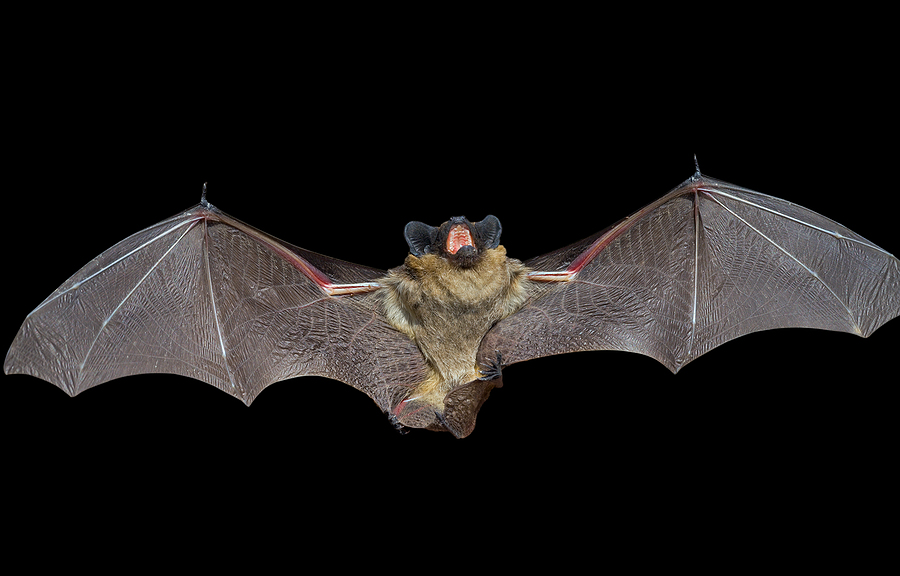
Common Signs That You Have Bats in the Attic

Your home is your sanctuary. You expect to be in full control of its overall structural integrity. So, when you suspect that bats are roosting in your attic quarters, it is important to act fast. The longer bats reside inside your house, the more damage they will cause. Not only do bats cause a massive amount of structural damage, but they also generate an unsanitary and unhygienic environment that can lead to serious health complications. If these risks weren’t bad enough, bats are also known carriers of several infectious diseases, including the Rabies virus.

Not sure if bats are an issue in your home? It is better to be on top of your animal-proofing than to be too late. Continue reading to learn the most common signs of bats in the attic so that you can catch an infestation early on and abate invasive repairs or threats to your health.

Bat Removal Nashville TN 615-337-9165

Bats are Dangerous and Destructive

You do not want bats as house guests. They are highly destructive, both inside and out. When bats are roosting in attics, they tend to rip away and soil all of the insulation, including insulation in wall voids. Their droppings will also saturate and soil floorboards and electrical wiring, which leads to ceiling and wall stains in the living areas of your home, lingering odors, and even fire hazards. Bats will also chew electrical wiring, which can pose all sorts of safety and structural catastrophes. If you store cherished belongings in your attic, they can destroy those too.

Additionally, bat poop, or guano, can grow fungal spores that can become airborne and travel through the home’s ductwork. This can cause a serious illness in both people and pets known as Histoplasmosis, an upper respiratory infection. Needless to say, you do not want a bat infestation anywhere near your home, especially inside your attic.  

What to Look For if You Suspect Bats in the Attic:

Strange Noises Overnight

Bats are nocturnal, so they are active from night until dawn. One of the most common signs of bats in the house is hearing strange noises inside the walls or ceiling. Such noises can be described as chattering, squeaking, squealing, or screeching. You may also hear shuffling as bats meander through the attic space.

Lingering Odors

As mentioned, bat droppings and urine can saturate the space they occupy. Once the accumulation has reached an absorbent amount, it can begin to leak through attic floorboards and into ceilings, walls, and even hanging artwork. Although the stains might not be apparent yet, a lingering odor usually is by this point. If you are detecting a foul smell in your home that you cannot identify, and it seems to be concentrated to one particular area, it could be bats in the attic.

Bat Droppings

Another common indicator of bats in the attic is guano sightings, typically around windowsills or near roof edges. If you notice guano around your attic vents or windows, on the roof, or even inside the attic, it could very well be from a localized bat infestation.

Do you think you might have bats in the attic or around your house? Contact Budget Animal Removal at 615-337-9165 for TWRA licensed and insured Nashville, Tennessee critter control for bats. We serve residential and commercial clients.

Related Posts:

2 Zoonotic Bat Diseases That Can Be Spread to Humans and Pets
What To Do if You Find a Dead Animal in the Yard
How to Protect Your House From Nuisance Wildlife in Tennessee

Tennessee Wildlife Removal and Control 615-337-9165