Frequently Asked Questions About Nuisance Skunks

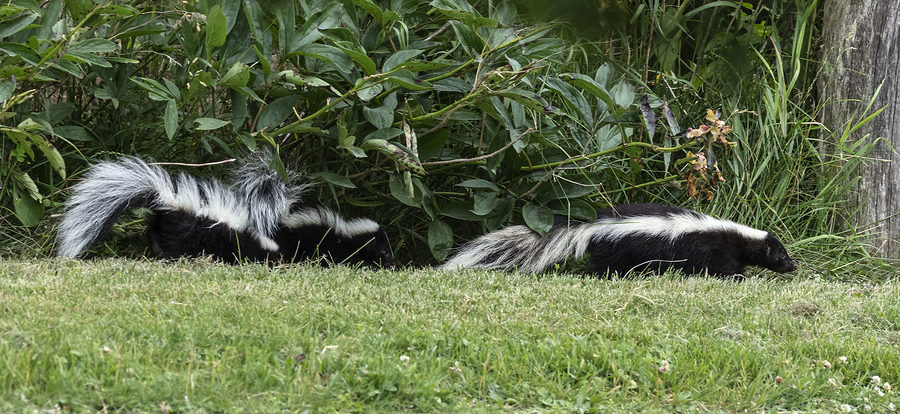
There are some incredible facts about skunks that you may have never known about. For example, the scientific name for skunks is mephitis mephitis, which is derived from the Roman goddess of poisonous vapors, and loosely translates to “bad odor bad odor.” Although skunks can surprise you with fun facts like this, they are highly destructive, as well as odorous, so it is important to protect your property from skunk wildlife damages and safety hazards.

Continue reading to review the most frequently asked questions about nuisance skunk prevention and protection.
Indianapolis Skunk Removal and Control 317-875-3099

Will Skunks Damage My Lawn?

Skunks are notorious for digging up lawns in search of juicy grubs and other underground larvae. Because their sense of smell is so heightened, they can sniff a lawn and instantly know where to start digging. The result is a lawn that looks more like a mud field. Getting rid of a lawn grub infestation is a good start to mitigating the damage they can do. Furthermore, skunks will also tear up and devour yields in gardens.

Will a Skunk Spray Me?

Skunks have anal scent glands that produce a mixture of sulfur-containing chemicals, which have an aggressive odor. They use these spray glands as a weapon for defense, which means they will only spray if they feel threatened. They are more prone to spray if they are nursing and protecting their young. Although they have a great sense of smell and can hear quite well, they have poor vision, which also contributes to them feeling threatened when approached. 

How Do I Remove Skunk Smell?

Skunk smell can be removed in a number of ways. Although tomato juice is the old-timer remedy for skunk smell, the easiest way is to use some common, household items like vinegar, dishwashing liquid, hydrogen peroxide, baking soda, and vanilla extract. The first remedy is a solution containing water and apple cider vinegar.

Just rinse the affected area thoroughly, and then generously scrub in the solution. Let it sit for 10 minutes, then rinse and repeat until the smell is controlled. Another remedy includes mixing 1 quart hydrogen peroxide, 1/4th cup of baking soda, and 1 teaspoon of dish-washing liquid. For dogs and cats, you can add in a cup of vanilla extract to mask any residual or lingering odors.

How Can I Repel Skunks?

The best way to stop skunks from trespassing onto your property is to take away the stuff they are looking for. This includes food, water, and shelter. Remove food sources like grubs, pet food, water fountains, koi ponds, and exposed garden yields. Things like log piles, openings under patios, and outdoor sheds are viable shelters that should be contained.

You can also make your own non-lethal, eco-friendly repellent from cayenne pepper, ground pepper, and water. Just spray around the perimeter of your garden beds, or directly on your fruits and vegetables, to keep them from coming back for more. If skunks are still a problem, you will require professional intervention. Contact a local and trusted wildlife removal and control company that is licensed by the Department of Natural Resources.

Indianapolis Skunk Removal and Control You Can Afford

Call Budget Animal Removal at 317-875-3099 for fast and affordable assistance with nuisance skunks in Indianapolis, Indiana. Our DNR licensed wildlife removal specialists offer wild animal abatement services, cleanup and minor restorations for animal damages, 24 hour emergency service, free estimates, and more! Request a free estimate, today.


Budget Animal Removal

Where to Get Affordable Animal Damage Cleanup and Restoration in Indianapolis

When you need your attic or other area of your property cleaned up, decontaminated, and restored after an animal infestation, Budget Animal Removal is the company to trust for exceptional service at a price you can afford!

Indianapolis Wildlife  Control 317-875-3099
Indianapolis Wildlife Control 317-875-3099

Indianapolis Wildlife Cleanup and Repair

Budget Animal Removal in Indianapolis is one of Indiana’s most trusted wildlife management services for both residential and commercial properties. With nearly 20 years in business, you can trust that our DNR licensed wildlife exclusion teams are experienced and knowledgeable in humane capture and release strategies. We are highly qualified and insured and work with nearly any type of critter known to Indiana.

However, we are more than just wildlife removal experts; we also provide solutions for animal damages left behind from infestations and tampering! Our Indianapolis wildlife cleanup and restoration services are the right option to get your home or building back to its original condition. Best of all, we can provide homeowners insurance claim work for attic and structural restorations needed to resolve animal damage.  We combine our years of hands-on training and knowledge with the most advanced technologies and resources on the market, to effectively and efficiency rid your property of animal waste, damage, and contamination.

Our cleanup and restoration services are quite comprehensive, involving a “start to finish” standard that includes animal waste removal, disinfection, deodorization, louse fumigation, drywall and insulation replacement, and more. Our remediation process even includes a final sanitizing treatment that we apply with an innovative atomizing mist machine, which produces a fog of enzyme-based hazardous waste cleanser to ensure your property is 100% decontaminated.

How to Get Started

Call our office today at 317-875-3099 to learn more about our affordable wildlife removal and control services we offer in Indianapolis and its surrounding counties. Our DNR licensed and insured wildlife rescue and control specialists offer nuisance wildlife abatement services, cleanup and minor restorations for animal damages, 24 hour emergency service, free estimates, and much more! Get started by requesting a free estimate or advice, today.

Budget Animal Removal

Is Your Home Vulnerable to Raccoon Intrusion?

Raccoons are known to find their way into our homes, garages, barns, and porch spaces; however, do we really know how vulnerable our house is to such intrusion?  How do you determine your home’s level of exposure? Continue reading to learn ways to inspect and animal proof your house from raccoon invasion this winter season.

Indianapolis Raccoon Removal and Control
Indianapolis Raccoon Removal and Control 317-875-3099

Home Inspections

To begin assessing how open your home is to the wild animal community, particularly raccoons, it is crucial to inspect the inside and outside of your house. Look for weak spots and pay close attention to dark, warm areas. These are ideal shelter spots for raccoons.  Indoors, try starting in your basement. If you do not have a basement, turn to your utility room, crawl space, or garage as an option in its place. 

In the basement or other areas, look in dark corners, and keep your eyes peeled for any open or exposed areas. These could be areas of access. If you do not see anything here, move on to the attic area. Attics are very popular spots for raccoons. They love the dark, warm shelter it provides. This is an ideal breeding ground for them too. If you do not have an attic, check under stairs and in closets.

Exterior of Your Home

Outside, raccoon access points are easier to spot. Look to your roof and try to observe any loose shingles or pried open areas. These are indications that raccoons have been breaking in. Check under porches and patios as well. These are also common areas of access and even areas of living for wild raccoons.

Hire a Pro for Comprehensive Inspections

Doing an interior and exterior inspection of your home is a tedious and difficult task.  Typically, it is recommended to hire a professional wildlife removal and control company to provide an inspection. They are highly trained and experienced professionals that know all the signs to look for, and how to remedy the disturbance within a convenient time frame. If you are having trouble, call a professional for advice. They can offer the best solutions and service. 

Animal-Proof Your Home

Once an inspection has been completed, it is important to move onto animal proofing your home right away. The areas that were labeled weak, exposed, and open should be sealed immediately. By closing off the areas of access, you can stop further intrusion. It is very crucial to have all existing raccoons removed from your home with the help of a professional company before sealing off these access points.

Indianapolis Raccoon Removal and Control Service

Call Budget Animal Removal at 317-875-3099 to get rid of raccoons in Indianapolis, Indiana and its surrounding areas. Our DNR licensed and insured wildlife rescue and control specialists offer nuisance wildlife abatement services, cleanup and minor restorations for animal damages, 24 hour emergency service, and free estimates. Get started by requesting a free estimate or advice, today.

Budget Animal Removal

10 Animals That Partner Up for Life

Perhaps humans are not the only species in the Animal Kingdom that will be celebrating Valentine’s Day this weekend. That is because there are various types of wildlife that find a mate and stick with them forever, or at least until death do them part. That’s right; there are 10 known species on the planet that are monogamous mates.

Continue reading to learn which ones, and then pass these interesting and fun facts along to your special Valentine this year!

Happy Valentines Day!

These Animals Team Up and Stick Together Forever:

French Angelfish

Not only do French Angelfish choose a mate and stay with them for life, together as a team they will fight to the death defending their territory against other Angelfish couples. This makes them a truly special species of fish.

Bald Eagles

Sure, Bald Eagles are known to be loners during winters and migration seasons, but they are actually a species that mates for life. Eagle will select their mate, and then together, they will build a permanent nest for roosting and raising their young; just like a husband and wife builds a home together for their family! In the case that a mate dies, a Bald Eagle will actually select a new mate before breeding season. Many monogamous species exhibit this same behavior.

Barn Owls

Barn owls are often spotted in twos because they commonly mate for life. Once an owl chooses their mate, the male will care for the female by supplying her with food so that she may lay her eggs. Now that is a new level of marital bliss!

Albatrosses

Albatrosses are unique birds in their own right, but adding on the fact that they are also a monogamous species puts them at the top of the interesting list. Just like Bald Eagles, Albatrosses will find a new mate if theirs dies, otherwise, they stay with the same partner, in the same nest, for life. Now since these birds can live as long as 50 years, they are truly a committed pair.

Penguins

Penguins are widely-known as being a monogamous species, however, not all penguins practice monogamy. For example, African and Magellanic, Gentoo, and Royal penguins are entirely monogamous for life. But the famous Emperor Penguin is somewhat monogamous, only keeping a mate for one single season, then choosing a new one the next season. This is referred to as serial monogamy.  

Mute Swans

Not all swan species mate for life, but Mute Swans do. And just like many other monogamous species, they will find a new mate if theirs dies. Interestingly though, if a male swan finds a younger female, they remain on his territory; but if he finds an older female, they stay on hers. Even more interesting is the fact that female widows will always go for a younger mate!

Beavers

Not only do beavers mate for life, both parents actively raise their young together. How sweet and inspiring is that! Furthermore, beaver families usually average around 6 or more individuals, so they love big families!

Gibbons

The nearest relative to us on this list are gibbons. They mate for life, unless one partner dies, in which case, they will find a new partner. Their family groups are small but very stable, and typically raise their young for up to 7 years, until their young reach sexual maturity. Just like French Angelfish, these couples are very territorial and will defend their pack by singing morning songs.

Wolves

Not only do wolves live in packs, they also mate for life! They stick together and raise their young until they reach sexual maturity, usually around 2 or 3 years old.

Shingleback Skinks

The Shingleback Skink is a lizard; a heavily armored lizard with a blue tongue to be exact. Perhaps these two elusive qualities help them attract their life mates! Native to western and southern Australia, these lizards are known to stay with the same mate for up to 20 years or more.

Experiencing Nuisance Wildlife Problems in Indianapolis?

Call Budget Animal Removal at 317-875-3099 for fast and affordable wildlife removal and control in Indianapolis, Indiana and its surrounding areas. Our DNR licensed and insured wildlife rescue and control specialists offer nuisance wildlife abatement services, cleanup and minor restorations for animal damages, 24 hour emergency service, free estimates, and much more! Get started by requesting a free estimate or advice, today.

Budget Animal Removal

The Different Species of Marmot Found Around the World

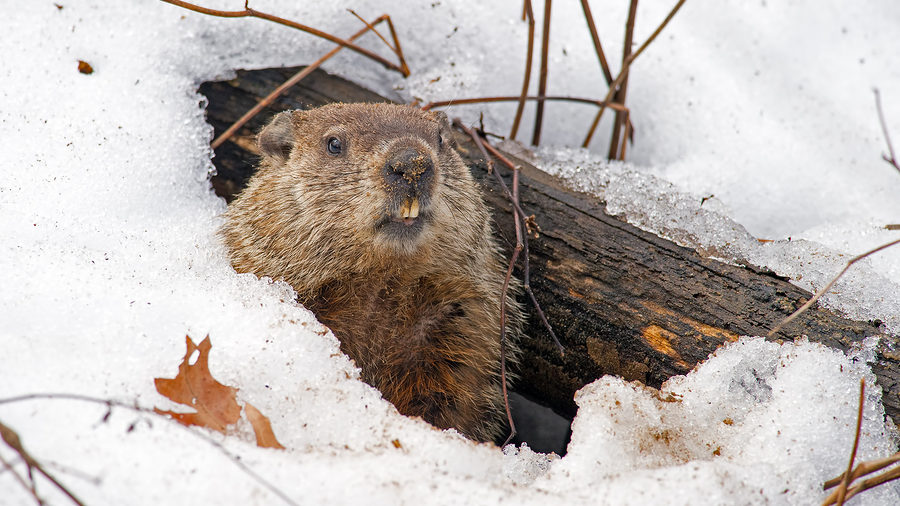
With Groundhog’s Day just around the corner, we thought it would be nice to give the little critters a bit of an honor. You may not know that groundhogs are marmots, but they are! In fact, there are several different species of marmots found all over the world, and groundhogs are just one of them. Continue below to learn some fun facts about Groundhog Day and groundhogs, as well as, the common species of marmot found all over the world!

Indianapolis Groundhog Removal and Control
Indianapolis Groundhog Removal and Control 317-875-3099

Groundhog Day

Groundhog Day is an annual tradition practiced in both Canada and the United States to predict when spring will arrive. Every year, on February 2nd, thousands of excited citizens gather around to see if the groundhog will emerge out of its burrow and cast a shadow of itself. If the groundhog has no shadow, it is said to signify 6 more weeks of winter. But if the groundhog casts a shadow, then spring is near! This tradition is derived from an old Pennsylvanian Dutch superstition that implies that if a groundhog comes out of its den and can see its own shadow, the skies are clear and the sun is shining, which indicates that spring is soon to come. Oppositely, if there is no groundhog shadow, it indicates a longer winter.

Groundhog Facts

Groundhogs are also known as woodchucks or whistlepigs. Scientifically, their species name is Marmota monax, and they are part of the Rodentia Order, Sciuridae family, and of course, Marmota genus. This makes them a species of marmot. The Sciuridae family also includes squirrels and chipmunks, while the Rodentia order retains rodents like mice and rats.

Indianapolis Groundhog Removal and Control

Marmots

Marmots are large-sized ground squirrels, and the heaviest rodent relative in the animal kingdom. There are 15 known species of marmot, including both old world and new world marmots. They are native to parts all over the globe, such as Asia, Europe and North America. In appearance, marmots have husky legs, large claws for digging, stoutly bodies, narrow heads, and sharp incisors that can quickly chew down all sorts of vegetation.

In the winter they hibernate in underground burrows and dens, so you do not see much of them. But once spring emerges, so do they, in search of food, water, and mates. They mainly eat mainly eat plants, as well as many types of grasses, berries, lichens, mosses, roots, and flowers. Most are very sociable, and even whistle to communicate with other marmots, especially when scared or in danger.

Old World Marmots – Eastern Hemisphere

🐾 Gray or Altai Marmot (Marmota baibacina)
🐾 Bobac or Steppe Marmot (Marmota bobac )
🐾 Black-Capped Marmot (Marmota camtschatica)
🐾 Long-Tailed Marmot (Marmota caudata)
🐾 Golden or Red Marmot (M. caudata aurea)
🐾 Himalayan Marmot (Marmota himalayana)
🐾 Alpine Marmot (Marmota marmota)
🐾 Menzbier’s Marmot (Marmota menzbieri)
🐾 Tarvaga, Tarbagan or Mongolian Marmot (Marmota sibirica)

New World Marmots – Western Hemisphere

🐾 Marmota broweri — Alaska, Brower’s or Brooks Range marmot
🐾 Marmota caligata — hoary marmot
🐾 Marmota flaviventris — yellow-bellied marmot
🐾 Marmota monax — woodchuck or groundhog
🐾 Marmota olympus — Olympic marmot
🐾 Marmota vancouverensis — Vancouver Island marmot

Stop Nuisance Groundhog Activity in Spring

If you live near a lake, river, stream, or pond, your home could be at risk of nuisance groundhog activity. Although they do not mean to, groundhogs are capable of causing an enormous amount of damage to properties, including lawns, dams, patios, docks, and more. If you have spotted groundhogs on your property in the past, now is the time to implement the necessary strategies to prevent them from interfering with your lot. Contact a local wildlife control company for expert advice and service you can trust.

Central Indiana Groundhog Removal and Control

Call Budget Animal Removal at 317-875-3099 for fast and affordable groundhog removal and control in Indianapolis, Indiana. Our DNR licensed wildlife removal specialists offer wild animal abatement services, cleanup and minor restorations for animal damages, 24 hour emergency service, free estimates, and more! Request a free estimate, today.
Budget Animal Removal

Today is National Squirrel Appreciation Day!

Did you know that today, January 21st, is the annual National Squirrel Appreciation Day? It’s True!

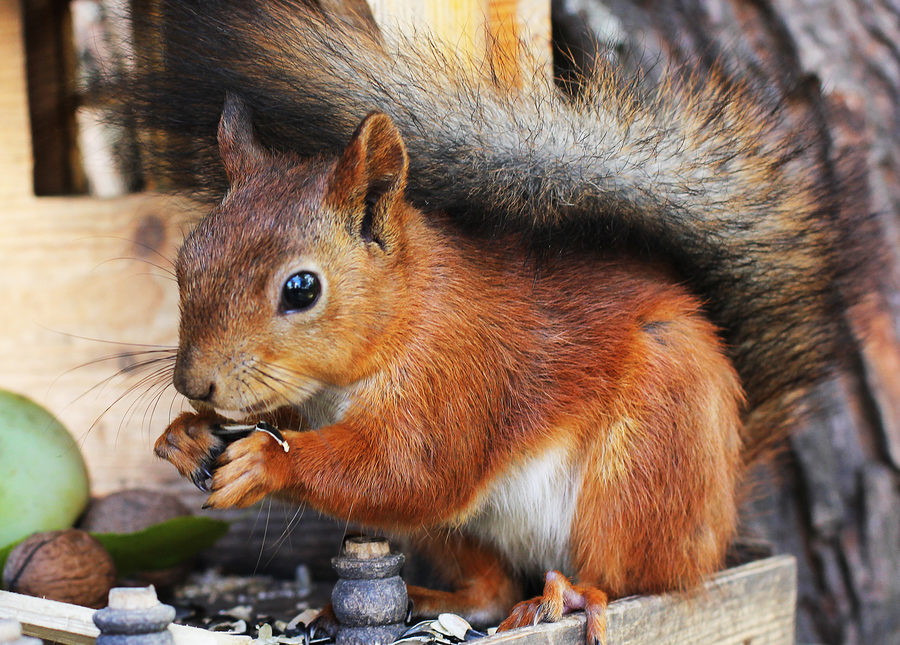
Americans all across the country celebrate this day by giving back a little more to the local squirrel populations within our communities. You too can do your part to support the neighborhood squirrels, all without posing any risk of animal damage to your property. Continue below to learn some fun facts about squirrels, as well as, some tips for showing your appreciation for these furry little critters this season!

Indianapolis Squirrel Removal and Control
National Squirrel Appreciation Day – January 21st

Fun Facts About Squirrels

Squirrels are small to medium-sized rodents that can fall under one or more of the three following categories: 1) Tree squirrel, 2) Ground squirrel, and 3) Flying squirrel. They belong to the Animalia family, Sciuridae, which also includes animals like chipmunks and prairie dogs, as well as, woodchucks, groundhogs, and other species of marmot.  

They are most known for their big bushy tails and tiny dexterous paws. They range in size, depending on species, gender, and basic genetics. For instance, the African pygmy squirrel can be as small as 7 to 10 centimeters and weigh less than half an ounce, whereas the Alpine marmot measures in at over 2 feet long and up to 18 pounds!

Squirrels live in wooded or forested areas where there is an abundance of trees, undergrowth, and plants, as well as a reliable water source. This is also due to their primary diet of nuts, seeds, flowers, mushrooms, and herbaceous plants.

Some squirrels prefer widely-spaced forests with oaks, pines, and mixed tree species, while others, like the Eastern grey, squirrel, prefers trees that are closer together in order to move from tree to tree between canopies. They either build their nests out of tree branches, leaves, and organic material, or they find a tree cavity for shelter.

Supporting Local Squirrel Colonies

To do your part and support your local neighborhood squirrels, you can hang squirrel houses and feeders on the perimeter of your property. You can also modify your outdoor environments to thwart squirrels from getting too close to your structures. Ultimately, such modifications will deliver protection to squirrels because it keeps them in their safe and natural habitat, rather than your chimney or attic.

Dealing With a Nuisance Squirrel Problem?

If you have a nuisance squirrel problem in or around your property, never poison, trap, or harm them under any circumstances. Instead, always use safe and humane methods to control nuisance squirrels, such as a natural repellent. See our blog, “Non-Toxic Repellent Recipe for Nuisance Wildlife” to learn how to make your very own at home. If your squirrel problem persists, please contact a licensed wildlife removal company that can provide non-lethal squirrel removal and control services.

Safe Squirrel Removal and Control for Indiana

Call Budget Animal Removal at 317-875-3099 for fast and affordable wildlife removal and control services for squirrels in Indianapolis, Indiana. Our DNR licensed wildlife removal specialists offer wild animal abatement services, cleanup and minor restorations for animal damages, 24 hour emergency service, free estimates, and more! We work with all species of Indiana wildlife, except dogs, cats, and waterfowl. Request a free estimate, today.

Budget Animal Removal

How to Protect Your Car From Animal Damages in Winter

Here in Indiana, not all species of wildlife migrate. Many animals, like skunks, raccoons, and squirrels like to stay right where they are for the winter. Unfortunately, this can cause problems with our own property since these species are looking for warm and reliable shelter that will protect them through the season and give them a space to breed their young come spring.

The most vulnerable assets targeted by animals in search of shelter are attics, barns, sheds, and play sets. However, they really love our cars too! That’s right; wild animals will use your vehicle during the winter as a place to stay until the climate is more forgiving. But you certainly won’t be forgiving once you discover that animals have damaged your ride.

Continue reading to learn how you can protect your vehicle from animal damages this winter, as well as, who to call for help if your property is already too far infested by nuisance wildlife.

Indianapolis Wildlife Control 317-875-3099

A Car is a Home for an Animal

It may seem very unsuspecting, but the undercarriages of vehicles can make a cozy little shelter for wildlife. Raccoons, opossums, squirrels, and chipmunks are common nuisance wildlife found nesting underneath an abandoned, stationary, or junk vehicle. When it comes to raccoons, gaining access inside vehicles is a very high possibility because they have human-like paws that allow them to open doors and windows just like us! Just be sure to take extra precaution when checking your vehicle for nesting animals.

Homemade Animal Repellent

An effective and humane approach to keep wild animals away from your house is to make a homemade non-toxic animal repellent. The best ingredients to use for your animal repellent include cayenne pepper, hot peppers, onions, cayenne pepper, cinnamon, black pepper, garlic, menthol, and eucalyptus oil. These spices and ingredients will irritate wild animal’s eyes and skin and thwart their interest in your property. But not to worry; it is safe and humane. Just be sure to keep your dog or cat away from any application areas.

To make your solution, start by mixing some of the mentioned ingredients together and transfer the liquid into a spray bottle. For raccoons, go heavy on the cayenne and cinnamon; they hate these smells, flavors, and sensations. For other wildlife, incorporate other pepper-based ingredients. Once you have concocted your solution, spray the perimeter of your property with this solution to prevent nuisance animal intrusions. These spices and ingredients will irritate wild animal’s eyes and skin and thwart their interest in your property. Raccoons have excellent memories, so they will certainly remember that your property is no fun. This solution works well against skunks, opossum, and squirrels too.

Additional Options:

☑ Install Automatic Sprinkler Systems
☑ Set Up Motion-Sensing Lighting
☑ Play a Radio Station Outside
☑ Call a Wildlife Abatement Professional

✨ The best approach to protecting your property from animal damage is professional wildlife abatement.

Indiana Animal Removal and Control

Call Budget Animal Removal at 317-875-3099 for fast and affordable wildlife removal and control in Indianapolis, Indiana and its surrounding areas. Our DNR licensed and insured wildlife rescue and control specialists offer nuisance wildlife abatement services, cleanup and minor restorations for animal damages, 24 hour emergency service, free estimates, and much more! Get started by requesting a free estimate or advice, today.

Budget Animal Removal

Current Efforts to Reduce Rabies in U.S. Racoon Populations

It used to be dogs that were among the biggest threat of spreading around the Rabies virus, but with the influx of modern innovation and awareness, canines are simply not affected as much here in the United States. As a result of these changes, scientists are now suggesting that the Rabies virus poses the most risk of spreading in the raccoon population. For this reason, they have come up with a fantastic way to reduce Rabies outbreaks in the U.S.

Indianapolis Raccoon Removal 317-875-3099

Rabies Vaccines for Raccoons

According to the field coordinator for the National Rabies Management Program, Jordona Kirby, “Annual statistics indicate that raccoons are one of the number one species in which we see rabies cases every year.” Since a widely-accepted public and animal health initiative in the 70’s, the U.S. government has been dispersing oral rabies vaccines through the National Rabies Management Program. In fact, this program has made history because it is the biggest organized effort to abate a zoonotic disease in wildlife ever in the United States.

Although this program is said to cost around $28 million annually to keep it running, it is predicted to save tax payers up to $60 million since Rabies control will reduce needs like public health investigations, rabies testing, and availability to post-exposure vaccines for people. Currently, a fish meal polymer block that looks similar to a ketchup packet is the key to broad-range Rabies vaccination among raccoons. These fishy oral rabies vaccines are scientifically developed to attract raccoon’s appetites; and when they bite into them, the packet splits open and releases the liquid vaccine in their mouths.

Rabies Vaccines for People and Pets      

All cases of rabies in humans were fatal until the vaccine was invented in the early 1900’s.  Now, if a person is ever infected with Rabies, they can go to the emergency room and receive effective treatment to stop the virus from multiplying. Rabies vaccinations for children and adults are inexpensive and can be outsourced at any local clinic or medical office. Families can also contact passport health clinics and speak with health travel medical specialists about receiving vaccinations for the rabies virus. Even after exposure, a rabies vaccination can be given to a human for added assurance and protection.

The Indiana Administrative Code statute states that all dogs, cats, and ferrets must be vaccinated at 4 months of age, and then re-vaccinated annually, and then re-vaccinated according to manufacturer’s instructions. Pet vaccinations must be administered by a licensed and accredited veterinarian.

How to Protect Yourself and Loved Ones

To best avoid potential exposure to the rabies virus, it is important to avoid contact with wild animals. This includes injured or orphaned ones. If you have raccoons on your property, contact a local animal control service to have them safely and humanely removed.

Safe Raccoon Removal and Control in Indianapolis

Call Budget Animal Removal at 317-875-3099 for fast and affordable removal and control for raccoons in Indianapolis, Indiana and its surrounding areas. Our DNR licensed and insured wildlife rescue and control specialists offer nuisance wildlife abatement services, cleanup and minor restorations for animal damages, 24 hour emergency service, free estimates, and much more! Get started by requesting a free estimate or advice, today.

Budget Animal Removal

Be On the Lookout for Beaver Dam Problems This Fall

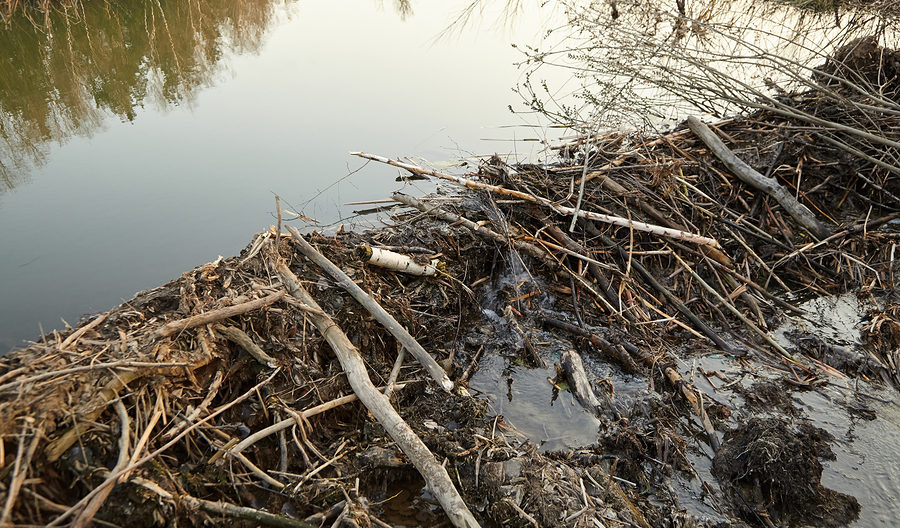
Beavers do not hibernate, and continue to build and maintain their dams and lodges all year long. Right now is a prime time for beaver dam maintenance and production to commence, as beavers are preparing for inclement weather and the conditions it causes.

Although beaver dams provide our Eco-system with several advantages, there are also several disadvantages that can lead to serious inconveniences, costly repairs, and even safety risks, for both residential and commercial properties. This time of year, you should be on the lookout for beaver dam problems, namely flooding, if you live in a beaver-populated area of Indiana.

Continue reading to learn more about the nuisances and risks surrounding beaver dams, and what you can do if you have a nuisance beaver problem around your home.

Indianapolis Beaver Removal and Control
Indianapolis Beaver Removal and Control 317-875-3099

Beaver Dam Flooding

Flooding is the most common consequence caused by beaver dams.  Flood water can be treacherous and destructive in many ways; from residential to commercial real estate, to land, plants, and timber.  Several natural and man-made structures are frequently harmed by floodwaters caused by local beaver dams.  Timber, agriculture, homes, buildings, roadways, and more can all be negatively affected by beaver obstructions. Continue reading to learn about some common areas negatively impacted by beaver dams.

Homes and Buildings

Flood water can cause a substantial amount of damage to commercial and residential real estate.  If beaver colonies live nearby, homes and buildings can all be at risk to structural damages from flooding.  Beaver dams create floodwaters that can overflow into backyards, parking lots, and even basements.  Sitting water can cause a long list of structural harm; everything from dry wall deterioration to mold growth.  Beavers are also known to gnaw on decks, patios, and other wooden structures around homes and buildings.  This reduces building value, as well as, the physical appearance and aesthetics of a property.

Streets and Walkways

Public roadways are another area affected by beaver dam construction and floodwaters.  Roadside ditches and drainage channels are perfect environments for beavers and dam building. Not only can dams flood the roads and obstruct traffic, they can cause asphalt erosion too. All these implications have caused auto accidents, closed roadways, culvert and bridge repair, and much more.

Farms and Crops

Agriculture can also be damaged by floodwaters.  Beaver dams can cause creeks, brooks, rivers, and streams to overflow on large acreage of cropland.  This makes it impossible for farm equipment to access the land.  Also, beavers will eat crops, or cut them down for dam building material.  All this can negatively affect the growth and health of plants and other crops on farmland.  Homes near beaver populations have also been victim to gardens and plants being picked off by local beavers.

Trees and Ornamental Plants

Trees play a very important role in nature; and play multiple roles in the lives of residential and commercial property owners.  Beavers are also fans of trees and plant life.  They gnaw them and use them to build their dams that flood our streets and lands.  Eventually, these trees die; then they become a safety hazard because they can weaken and fall over.  For commercial reasons, this can be costly if beavers are damaging high-grade hard woods.  For homeowners, dead trees look bad and can fall without notice.  Beavers can also harm trees by flooding the land.  If the water is not drained fast enough, it can kill the trees.

Ornamental plant damages are another trademark of nuisance beaver populations.  Decorative shrubs, plants, bushes, and small trees are common targets for beavers.  This can be a frustrating and expensive problem for commercial landscapes, gardening enthusiasts, local parks, and more.

Beaver Control Regulations

In most states, a person is required to have a license or permit for beaver control; or to trap beavers.  It is illegal in most jurisdictions to capture, kill, harm, or hunt beavers.  A legal approach to getting rid of a beaver problem is to hire a professional animal control company. A reputable animal removal business uses safe and humane capture and release strategies to get rid of nuisance beavers.  This is the best place to start when trying to eliminate a beaver issue.  Skilled trappers retain the proper equipment and training to quickly and effectively remove beavers from any property.

Indianapolis Beaver Removal And Control

Call Budget Animal Removal at 317-875-3099 to safely and quickly get rid of beavers in Indianapolis, Indiana and its surrounding areas. Our DNR licensed and insured wildlife rescue and control specialists offer nuisance wildlife abatement services, cleanup and minor restorations for animal damages, 24 hour emergency service, free estimates, and much more! Get started by requesting a free estimate or advice, today.

Budget Animal Removal

Non-Toxic Repellent Recipe for Nuisance Wildlife

If you have nuisance wildlife problems around your property, and you are at your wits’ end trying to abate their destructive activity, you might be considering a poisonous repellent. But please do not go that route! Not only are poisons and toxic repellents inhumane, they are also very bad for the environment. They can even pose health and safety risks to dogs, cats, and young children.

Rather than opting for something that is terrible, frowned upon, and really ineffective, simply make your own, homemade animal repellent instead! By using non-toxic, organic ingredients, most of which can be found right inside your own cupboards, you can make a safe and humane solution that will thwart all sorts of nuisance wildlife.

Continue reading for some recipe ideas!

Indianapolis Wildlife Removal and Control
Indianapolis Wildlife Removal and Control 317-875-3099

What You Will Need:

❧ Plastic Spray Bottle
❧ Clean Water
❧ Personal Protective Gear (optional)

Ingredients Options:

Choose 3 or more of these ingredients to concoct a safe, non-toxic solution you can use to abate nuisance animals!

❧ Cinnamon
❧ Hot Sauce
❧ Cayenne Pepper
❧ Black Pepper
❧ Chili Powder|
❧ Garlic Powder
❧ Eucalyptus Oil
❧ Menthol Oil
❧ Peppermint Oil
❧ Spearmint Oil

Simply mix the ingredients together in water, and then transfer them to a clean, plastic spray bottle. Spray the solution around the perimeter of your lawn, as well as, any areas you notice heightened animal activity.

Important Note: This solution is safe and non-toxic, so you won’t have to worry about damaging your lawn or garden, nor harming wildlife. However, be sure to make arrangements for children, as well as pets like cats and dogs, since the ingredients in the solution can irritate their skin, eyes, nose, and throat. Keep them away from treated areas for their own safety.

Indianapolis Wildlife Removal and Control

Call Budget Animal Removal at 317-875-3099 for fast and affordable wildlife removal and control services in Indianapolis, Indiana. Our DNR licensed wildlife removal specialists offer wild animal abatement services, cleanup and minor restorations for animal damages, 24 hour emergency service, free estimates, and more! Request a free estimate, today.

Budget Animal Removal