Learn More About Rabies Awareness to Honor World Rabies Day

Today, September 28th, is World Rabies Day! This day is brought to us by the Global Alliance for Rabies Control, which is an esteemed not-for-profit organization founded with the collective goal of bringing more Rabies awareness around the globe with the hopes of reducing canine fatalities caused by the virus.

To honor World Rabies Day, continue below to review some frequently asked questions about the Rabies virus, namely its link to wildlife management and control.

Wildlife Removal Indianapolis 317-875-3099
World Rabies Day – September 28th

World Rabies Day

September 28th

World Rabies Day is a worldwide awareness campaign aimed to spread knowledge and conscientiousness about Rabies protection and abatement. This is backed by various global human and veterinary health organizations, including the U.S. Centers for Disease Control and Prevention (CDC), World Health Organization (WHO), Pan American Health Organization (PAHO), and World Organisation for Animal Health (WOAH). It is even a United Nations Observance.  

The first effective Rabies vaccine was invented by Louis Pasteur and his colleagues. All cases of Rabies Lyssavirus in humans were fatal until the vaccine was invented in the early 1900’s.  Now, if a person is ever infected with Rabies, they can go to the emergency room and receive effective treatment to stop the virus from multiplying.

September 28th is reserved as World Rabies Day because it is the anniversary of Louis Pasteur’s death. This day honors his contribution to Rabies protection and abatement, plus works to bring more awareness, education, and advocacy surrounding the significant impact the Rabies virus has on both people and animals. Remember, Rabies is 99% fatal but 100% preventable. Do your part and get yourself, your loved ones, and your pets vaccinated!

FAQS About Rabies

Is Rabies Fatal?

Rabies Lyssavirus (RABV) is one of the deadliest infectious diseases in the world. Once signs and symptoms appear, 99% of the time it is fatal. According to Rabiesalliance.org, “More than 59,000 people die from rabies every year, 99% of which are a result of exposure to an infected domestic dog. This means that a person dies every 9 minutes from rabies.” According to the CDC, “about 60,000 Americans get Post-Exposure Prophylaxis (PEP) each year to prevent rabies infection after being bitten or scratched by an infected or suspected infected animal.”

Which Animal Spreads Rabies the Most?

Raccoons, skunks, bats, and foxes are most known for carrying the Rabies virus. But, according to the field coordinator for the National Rabies Management Program, Jordona Kirby, “Annual statistics indicate that raccoons are one of the number one species in which we see rabies cases every year.” Since a widely accepted public and animal health initiative in the 70’s, the U.S. government has been dispersing oral rabies vaccines through the National Rabies Management Program. In fact, this program has made history because it is the biggest organized effort to abate a zoonotic disease in wildlife ever in the United States.

Do I Have to Vaccinate My Pets Against the Rabies Virus?

The Indiana Administrative Code statute states that all dogs, cats, and ferrets must be vaccinated at 4 months of age, and then re-vaccinated annually, and then re-vaccinated according to manufacturer’s instructions. Pet vaccinations must be administered by a licensed and accredited veterinarian. According to the CDC, “Most pets get rabies from having contact with wildlife.” So, get your dogs and cats vaccinated annually and contact a local Indianapolis critter control company to protect your property from nuisance wildlife intrusions.

Are animals becoming a nuisance around your residential or commercial property in Indiana? Contact Budget Animal Removal at 317-875-3099 for DNR licensed and insured critter removal and control in Indianapolis and its surrounding counties. Request a free estimate or advice, today!

Related Posts:

Current Efforts to Reduce Rabies in U.S. Racoon Populations
Why You Should Never Adopt a Wild Animal
What to Do if You Find a Baby Animal in Your Yard
Frequently Asked Questions About Woodpecker Control

Woody Woodpecker didn’t give a true portrayal of woodpecker behavior. He was funny, entertaining, and quick-witted, but the woodpeckers in Tennessee can be a destructive nuisance to residential and commercial communities. If you have been wondering about an increase in woodpecker activity around your property, it is important to educate yourself on the various aspects of woodpecker abatement.

Continue reading to review some of the most frequently asked questions about woodpecker control, including what to do if you are at your wits’ end dealing with nuisance woodpeckers in Nashville.

Woodpecker Control Nashville Tennessee 615-337-9165

Woodpecker Control FAQS

What Kind of Woodpeckers Live in Nashville, Tennessee?

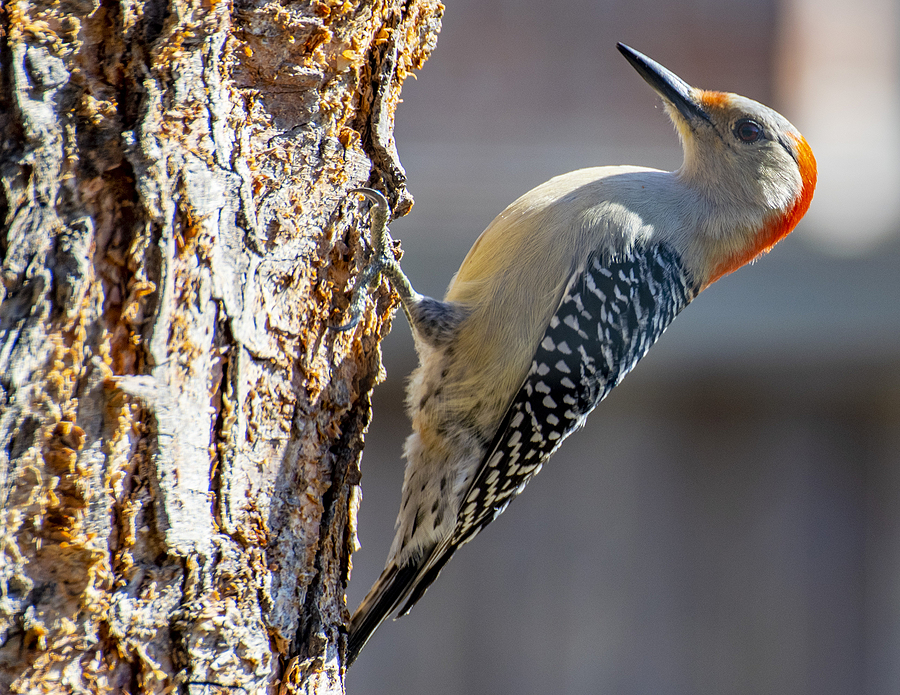
There are 7 prominent species of woodpeckers in the Tennessee region. These woodpecker species include the Downy Woodpecker, Northern Flicker, Hairy Woodpecker, Pileated Woodpecker, Red-bellied Woodpecker, Red-Headed Woodpecker, and Yellow-Bellied Sapsucker.

Why Do Woodpeckers Peck?

Arguably, woodpeckers are most known for their pecking. If you hear banging noises on the side of your house, it could be woodpeckers damaging your siding. We’ll get to that topic in a moment. For now, let’s talk about why woodpeckers Peck. Well, it’s instinctual. They peck to get to their food, mark their territory, communicate with other birds, and build nests.

Will Woodpeckers Damage My Property?

Woodpeckers are highly destructive to residential and commercial properties. Their pecking is forceful, and their beaks are sharp, which means anything they choose to peck on will endure structural damage. Common targets include fences, siding, roofing, and anything else made of wood, in particular. If you are preparing to renovate your home or building, such as the roof replacement or siding replacement, it’s recommended to go with this a material other than wood. If you have been experiencing severe nuisance woodpecker activity.

How Do I Get Rid of Woodpeckers?

Like most bird species in the United States, woodpeckers are likely federally protected under the Migratory Bird Treaty Act of 1918. This means it is against the law to touch, trap, harm, or kill a woodpecker or their nest/eggs on your property, or any property for that matter. Instead, if you find a dead or injured woodpecker on your property, contact a licensed wildlife removal company in Nashville. They have the proper permits to manage the situation safely and lawfully. They can further assist you with woodpecker control strategies and help protect your home from further woodpecker damage and activity.

Common strategies for woodpecker control involve both visual and auditory deterrents. You can place owl statues around the property to scare off woodpeckers because owls are a common predator. You can also hang reflecting streamers or balloons near the areas where woodpeckers frequent because the constant motion and flashing light scares them off.

It is also recommended to place a sound deterrent near their area activity, such as a predator bird call on a loop or a radio talk show. Woodpeckers will avoid both predators and people. The best way to get rid of woodpeckers without falling into any legal trouble is to call for professional bird removal and control service.

Are you ready for professional wildlife removal and control assistance for nuisance woodpeckers in Tennessee? Contact Budget Animal Removal at 615-337-9165 for TWRA licensed and insured Nashville, Tennessee animal removal for woodpeckers, pigeons, crows, starlings, grackles, and more. We serve commercial clients, too!

Related Posts:

How to Get Rid of Birds in the Chimney
3 Ways to Protect Your Bird Feeders From Squirrels and Chipmunks
How to Protect Your House From Nuisance Wildlife in Tennessee

Common Questions About Woodchuck Control

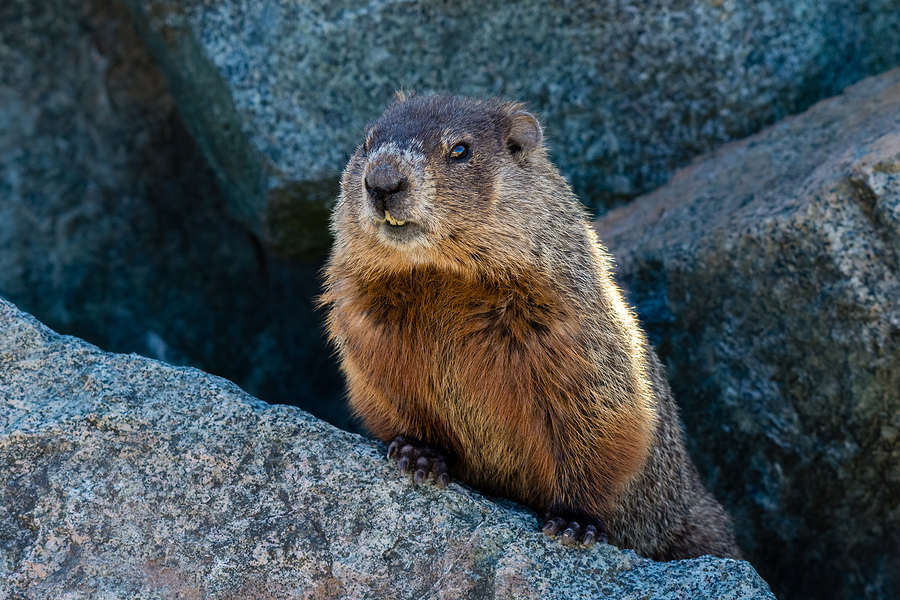
Whether you call them woodchucks or groundhogs, they are the same species of mammal that can wreak havoc on a home or property owner’s lot. If you have questions about nuisance groundhogs, you are in the right place. Continue below to review some frequently asked questions and answers about woodchuck control and abatement, including what you need to do if you are currently dealing with a localized population that is tampering with your property in Indianapolis.

Woodchuck Removal Indianapolis Indiana 317-875-3099

Woodchuck Removal and Control FAQS

Where Do Woodchucks Live in Indiana?

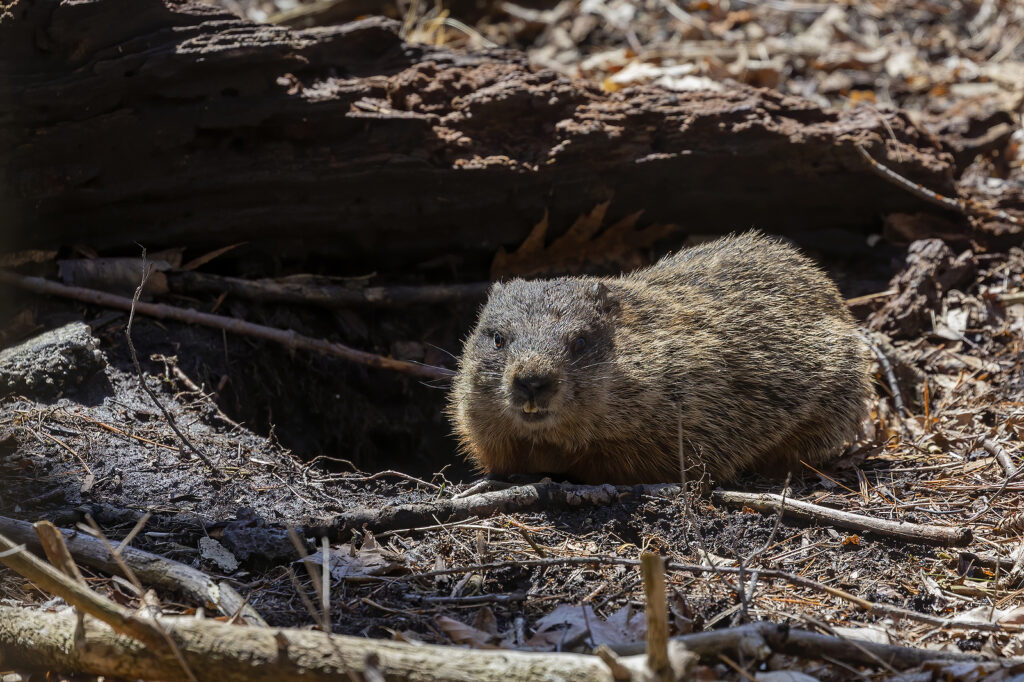
Woodchucks are woodland critters, and like many other species, have evolved over the years to adapt to more urban and suburban environments. Here in Indiana, you can find woodchucks just about anywhere, from the grassy edges and medians of highway exits to riverbanks, school yards, culverts, woody meadows, and of course, our own backyards and business lots. You see, groundhogs live underground in sophisticated tunnel systems that lead to their burrows. So, for the most part, you don’t even notice woodchuck populations around you, that is, until they began to tamper with your property.

Should I Be Afraid of Woodchucks on My Property?

Although woodchucks are not likely to approach humans, let alone attack them in any form or fashion, they are known to be destructive. Woodchucks are avid and fervent diggers. Because they live underground, they are incredibly gifted at burrowing deep into the soil and building elaborate den systems to rear their young. Their natural instinct to dig and burrow causes all sorts of serious problems for property owners.

Such digging can impact the integrity of your foundation and underground utility lines, as well as any other built structure on your lawn. Their burrowing can also cause other types of structural damages on your property if they choose to burrow beneath concrete slabs, driveways, patios, porches, and garages. They are known to tunnel areas of the property and cause extreme amounts of damage.

Woodchucks are also known for pillaging gardens and flower beds. Some of their favorite foods include dandelions, clovers, weeds, and a variety of grasses. However, they will eat the leaves and foliage of all sorts of other herbs, plants, vegetables, and flowers.

How Do I Remove a Woodchuck Under My Patio?

As mentioned earlier, woodchucks are known for burrowing beneath structures of a home or property, including patios, decks, and porches. If you suspect that you have woodchucks underneath your deck or porch, it is important that you take specific steps to ensure optimal safety for you and your loved ones, as well as the structural integrity of your patio. First, keep young children and pets away from the area. Next, contact in Indianapolis critter control company for safe woodchuck removal services.

Do Woodchucks Have Rabies?

Although it is possible for virtually any mammal to contract the rabies virus, rodents rarely do. Being part of the Sciuridae family and Rodentia order, woodchucks are technically a rodent species.

What Does it Mean if a Woodchuck is Walking in Circles and Seems Disoriented?

If you see a woodchuck walking in circles, seemingly disoriented, and appearing as if they’re drunk, you might immediately assume that they are rapid. However, as just mentioned, woodchucks rarely contract rabies virus. So, if you see this behavior, it could be due to the neurological effects of having a roundworm or similar parasitic infection. It may also be due to brain damage or serious injury from being hit by a car. Groundhogs often live underground within medians of highways and tall grasses on the sides of streets, so they are common roadside collateral.

How Can I Keep Woodchucks Out of My Gardens?

Woodchucks certainly enjoy an accessible garden or flower bed. The most popular and effective method for keeping woodchucks out of gardens is installing a chicken wire fence. Just be sure it’s deep enough so they cannot burrow underneath it. Homeowners and property owners have also had success with groundhog control using automated sprinkler systems around gardens.

What Should I Do If I Find a Nest of Baby Woodchucks?

Many people call in asking about baby groundhogs. Baby groundhogs, called pups, are born hairless and blind, so they are quite helpless until they reach 5 or 6 weeks of age. At this time, they are weaned from the den and begin venturing out on their own. So, during mid-summer months, it is common to spot a baby groundhog by themselves. Although they seem abandoned, they are probably just a little lost or far from their den.

If you find a nest of baby woodchucks, but you do not see the mother anywhere around, there are a few things you can do. First, do not touch the baby groundhogs. Not only do you want to avoid contracting any parasites or infectious diseases, but it is important for you to not pass along any germs to them as well. If you know where the burrow was located, try using baits like dandelions and clovers to lure them back to their burrow. If you don’t know where the den is, your best course of action is to contact an Indianapolis groundhog removal company for safe and humane relocation services.

Can I Use Poisons to Get Rid of Woodchucks?

No! Never use poisons! It is against all industry best practices and state and federal wildlife regulations to use any type of poison or fatal repellent to get rid of woodchucks. If you are dealing with nuisance groundhogs, you can make your own non-toxic animal repellent and apply it to the perimeter of your property, or in areas where woodchucks are the most active.

These repellents contain animal proofing ingredients like capsaicin oil and putrescent egg. Although non-toxic and nonfatal, these ingredients can cause nose, mouth, throat, and eye irritation. For this reason, be sure to keep treated areas blocked off from children and pets. Aside from a repellent, get rid of woodchucks by calling an Indianapolis animal removal company for licensed groundhog control services.

Are you worried about the groundhog population around your home or business? Contact Budget Animal Removal at 317-875-3099 for DNR licensed and insured woodchuck removal and control services in Indianapolis, Indiana and surrounding counties. Request a free estimate or advice, today!

Related Posts:

The Different Species of Marmot Found Around the World
3 Steps to Safe and Humane Groundhog Control
Top Nuisance Animals to Watch Out For in the Summer

Top Nuisance Animals to Watch Out For in the Summer

The Hoosier state is home to all sorts of wildlife. From water dwellers and land critters to flight takers, earthy burrowers, hide and seekers, and much more, Indiana is a place where the wildlife roam freely. Although nature is one of our most valuable and beloved assets, some animals are known to cross the line into nuisance territory. Common nuisance animals include bats, raccoons, skunks, squirrels, chipmunks, opossums, groundhogs, muskrats, coyotes, rabbits, and even birds. But in the summer, three of these known nuisance species are particularly bothersome to residential and commercial properties.

Continue reading to learn the top nuisance animals to watch out for in the summer, plus what you can do to protect your property against nuisance while activity and tampering.

Get Rid of Snakes Indianapolis Indiana 317-875-3099
The Common Gartersnake — Get Rid of Snakes Indianapolis Indiana 317-875-3099

Top 3 Summertime Nuisance Animals in Indiana

Raccoons

This should not surprise you if you know anything about raccoons. Not only are raccoons heavily populated in Indiana, but they are a highly intelligent species. In addition to being incredibly smart and clever, raccoons have human-like paws with long sharp claws capable of gripping, grasping, and manipulating objects around them. As a result, raccoons are very successful burglars.

Not only can they easily access vulnerable properties, commonly, but they can also do a lot of damage. No matter where they go. Raccoons are commonly found in addicts, crawlspaces, and beneath porches and patios. However, they also freely roam the wooded areas near sources of water. If you live near a pond, lake, river, or creek, you likely have a raccoon population close by.

Raccoons are more of a problem in the summer because the high heat waves tend to rot and decay garbage at a faster rate, causing a more intense odor. Not only does the pungency of food and garbage attract raccoons to properties, but the heat also motivates them to find cooler, shadier shelters, like attics and crawl spaces.

Snakes

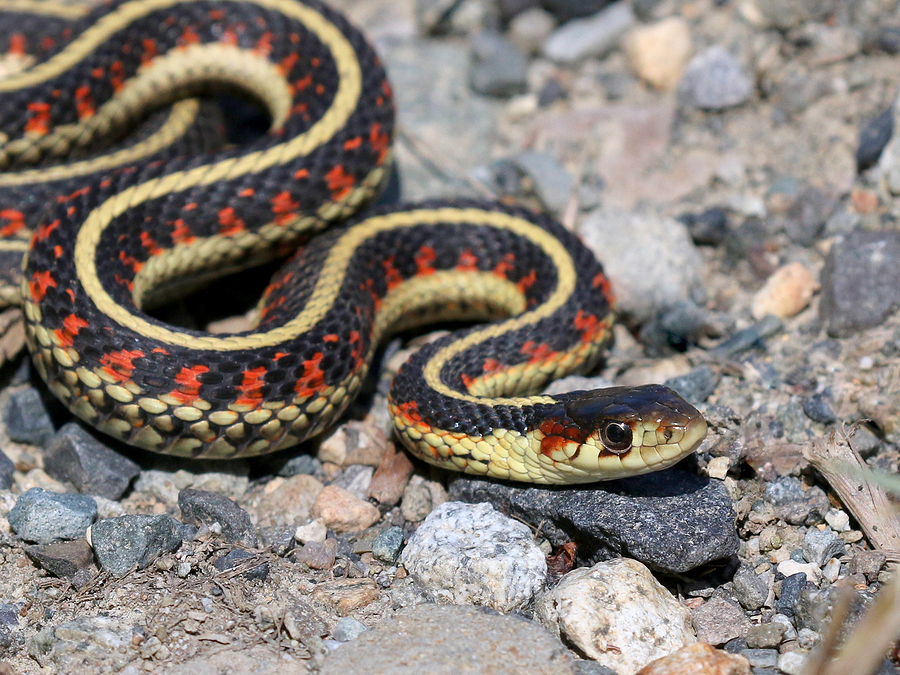
There are many species of non-venomous snakes in Indiana. Some of the more common species that you might find slithering through your lawn or gardens include Gartersnakes, Corn snakes, Ribbonsnakes, Brownsnakes, Red-Bellied snakes, and Kirtland’s snake. Although nonvenomous, they are known to be quite the nuisance in the summertime. Venomous snake species in Indiana include the Copperheads, Cottonmouths, Eastern Massasauga Rattlesnakes, and Timber Rattlesnakes.

Snakes are more of a problem in the summertime because they are not fond of the intense summer climate. As cold-blooded animals, snakes look for cool, shady areas to inhabit. If your lawn has tall grass, log piles, compost piles, or even trash, it will attract nuisance snakes in the summer. By mitigating these areas with snake fencing and lid locks, you can avoid a nuisance snake problem on your property.

Groundhogs

Although it might come as a surprise, groundhogs tend to increase their nuisance behavior in the summertime. First, groundhogs hibernate in the winter. So, when summertime comes around, they are ready to get moving and take full advantage of the ambient and fruitful weather conditions. that the season has to offer. One of their biggest priorities in the summertime is to find a mate, and they dig deep burrows to prepare for their lifelong partnership. Yes, groundhogs do mate for life. Their journey may cross paths with your property, especially if you live near a large body of water like a lake, river, pond, or stream.

Have you already experienced nuisance animal activity in your property this summer? Contact Budget Animal Removal at 317-875-3099 for fast and affordable animal removal and control services to get rid of raccoons, groundhogs, snakes, and more We serve all of Indianapolis, Indiana and its surrounding counties. Request a free estimate or advice, today!

Related Posts:

The Most Effective Strategies to Get Rid of Snakes
3 Steps to Safe and Humane Groundhog Control
Why You Need to Get Rid of Raccoons Right Now

What to Do if You Find a Baby Animal in Your Yard
Indiana is home to hundreds of species of wildlife, including squirrels, chipmunks, ducks, rabbits, birds, skunks, opossums, raccoons, bats, and more. Although many of these species are generally regarded as nuisance wildlife in adulthood, as babies they are irresistibly cute. For this reason, it is typically very hard for someone to resist the urge to help or even adopt an abandoned baby animal.

If you have just discovered an injured or abandoned baby animal in your yard, continue reading to learn exactly what you need to do to keep both you and the animals safe.

Chipmunk Removal Indianapolis Indiana 317-875-3099

Not All Lone Baby Animals are Abandoned

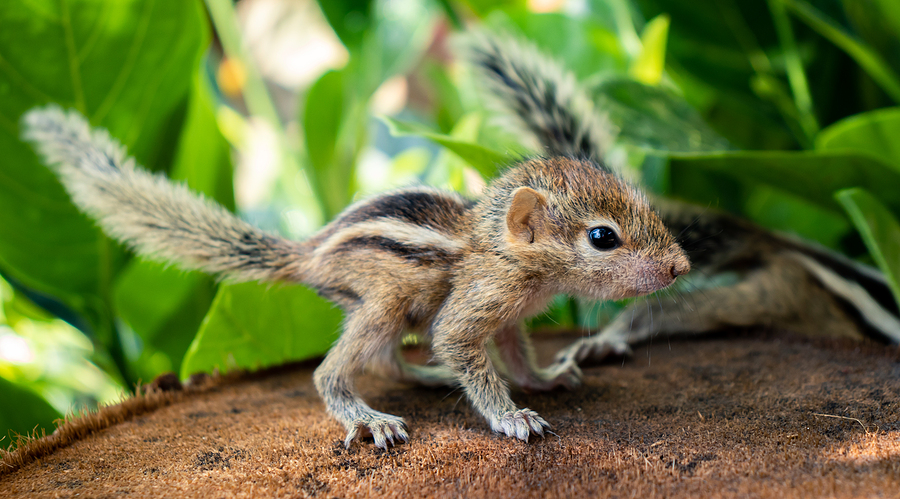
It is common for someone to find a baby animal and assume that it has been abandoned alone baby animal is not abandoned. The mother is simply out foraging for food or shelter. This is common among rabbits, birds, hares, deer, and foxes. If you discover one of these babies in your yard, they are probably not abandoned but rather just waiting for their mother to come back for them.

In this case, you should simply leave the baby animal alone and let nature take its course. However, if the baby is in the way of danger, like if you need to mow the lawn, you can use safe and humane methods to gently move the baby animal to a safer location that is still nearby the spot. It was left. You don’t want the mother to come back and not be able to find the baby.

Squirrels

If you find a baby squirrel in your yard, it has likely fallen out of its nest in the above tree. In this case, it is probably injured and needs medical attention. It is encouraged to contact an exotic wildlife rescue company or the local game warden to notify them of an injured animal on your property. They have the proper resources and permits to safely rehabilitate and re-acclimate the animal back into the wild.

How to Protect a Baby Animal on your Property

If you find any other species of animal on your property, here’s what you need to do:

Observe the baby animal for 24 to 36 hours. In this time, the mother may come back to retrieve its young. Do not touch the animal. As cute as they are, they can carry transmissible diseases and parasites that can be harmful to people and pets.

If the animal is still there, you may choose to move it to a safer location out of the any traffic that takes place on your property.

Put on some protective gloves, and if possible, a face mask or covering, and grab a shoe box.

Slowly approach gently set the shoe box down by its side. Tilt the box so that the opening is facing horizontal to the baby animal. Use the lid of the shoe box to gently scoot or encourage the baby to get inside the shoe box.

Move the baby animal to a safer location on or around your property where it can live out the remainder of its life as it should. You may also choose to contact the local animal rescue in your county to have the baby relocated to a proper habitat.

The Rule on Adopting a Baby Animal

You should never keep a stray or deserted baby animal as a pet. Not only is it inhumane, but wild animals carry dangerous infectious diseases, like Rabies. They also carry lice, mites, ticks, fleas, and several other types of parasites. Furthermore, it could be illegal without a proper permit or qualification in your state or county.

Are you experiencing problems with nuisance wildlife in Indiana? Contact Budget Animal Removal at 317-875-3099 for professional critter control in Indianapolis and its surrounding counties. We serve residential and commercial customers, plus offer insurance claim work for animal damage restoration.

Related Posts:

 Is it Safe to Feed the Animals Around My House?
Types of Wildlife That Will Destroy Your Roof
Non-Toxic Repellent Recipe for Nuisance Wildlife

How to Tell a Stray Dog From a Coyote

Coyotes are very common throughout Central Indiana, in both rural and urban areas. Keep this in mind the next time you bend down to pet that wandering canine in your community. In cases like this, always be sure that the canine is not, in fact, a coyote. Although coyotes have a natural fear of humans, they are still primitive and predatory, which means they are capable of attacking you. Not only can a coyote attack serious injure or maim a person or pet, but it can also transmit a plethora of infectious diseases, such as Rabies.

If you live in an area where coyote sightings are common, it is wise to learn exactly what one looks like so that you can always tell the difference. Continue reading to learn a basic physical description of a coyote, and what you can do if they are a nuisance animal around your property.

Coyote Control Indianapolis Indiana 317-875-3099

Facts About Coyotes

As members of the Canidae family, both dogs and coyotes can easily resemble one another. Fortunately, the common coyote spotted here in Indiana have distinct features and behaviors that will allow you to easily tell the difference between them and domesticated dogs.

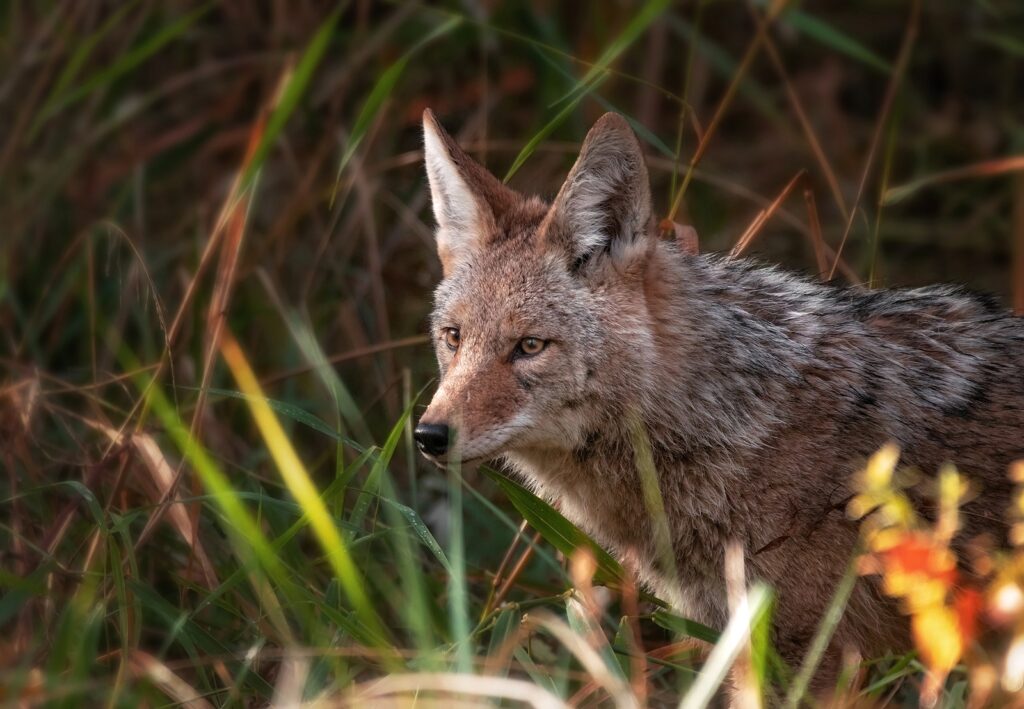
At first look, coyotes are covered in dense, thick fur, very similar to a dog’s coat, covering the neck and belly in full. The color of the fur coat is usually grayish-brown, but can vary between a light and dark gray, or warmer hues of brown.

In terms of size, coyotes tend to be slender and tall. Their fur makes them look much stockier than they really are. When fully grown, males can reach an average of 18 to 44 pounds, while females can grow to an average of 15 to 40 pounds.

Their faces are predator in style, with ears that point straight up and snouts that are slender and long. When they run or walk briskly, they carry their tails at the same level of their backs or lower. Dogs, and even gray wolves, carry their tails horizontally or vertically when running.

Coyotes are not necessarily nocturnal, but they are most active during sunset and sunrise, when people are usually not around. They are most populated in areas where there is an abundant source of food, water, and safe shelter. In countryside areas, they usually maintain an 8 to 12 square mile range. In urban areas they stay with a 2 to 5 mile range on average.

Breeding season in in late January, making March a time for newborn pups. Females generally give birth to more than one pup, usually between 4 and 7. They all stay in a den together until Fall, when pups emerge and care for themselves.

When coyotes are not scavenging on garbage and compost piles, they keep a carnivorous diet in nature. Their diet commonly consists of mice, voles, shrews, rabbits, hares, and squirrels. It may also include small amphibians, fish, insects, fruits, and seeds.

How to Get Rid of Coyotes in Indiana

If your property has a moderate to high level of coyote activity, it may be in your best interest to implement some safe and humane measures to protect your property and your loved ones, including your pets. Contact a local and trusted Indianapolis critter control company for prompt and professional coyote removal and control.

Do you have coyotes disturbing your property? Are they getting too close for comfort? Contact Budget Animal Removal at 317-875-3099 for professional coyote control in Indianapolis, Indiana. We provide residential and commercial services at the most competitive prices around.

Related Posts:

What to Do About Nuisance Coyotes in Indiana
Non-Toxic Repellent Recipe for Nuisance Wildlife
How to Protect Your Pets From Predator Birds

3 Steps to Safe and Humane Groundhog Control

Whether you call them groundhogs or woodchucks, these thrifty critters are commonly a nuisance to landowners. If you are dealing with a nuisance groundhog problem, it is necessary to find a solution that is both effective and non-lethal. Continue below to learn the 3 step process to safe and humane groundhog removal and control.

Groundhog Removal Indianapolis Indiana 317-875-3099

Groundhog Removal and Control Tips

The process of removing groundhogs from a property and mitigating any future activity can include a combination of methodologies and techniques. Overall, safe and humane groundhog removal and control can be accomplished in 3 key steps: identification, modification, and exclusion.

Identifying a Groundhog Problem

Your first step to getting rid of a groundhog problem is to identify where their activity is localized. Do some observation over the course of a few days or weeks to pinpoint where they are going, what they are after, and what kinds of damage they are leaving in their wake. By knowing where the groundhogs are hanging out, you can better put an end to their nuisance activity.

Groundhogs are after three things: food, water, and shelter. Gardens and crops are most at risk. If your gardens or crops look pillaged, you can safely assume the groundhogs are to blame. Other signs of groundhog tampering include nibbled grass and clovers, chewed tree bark, chewed up electrical wiring, and lawn burrowing. Groundhogs like to disguise their burrow entrances with leaves and sticks, so piles of such materials are a key indicator of groundhog activity.

Modifying the Environment

Now that you are sure you have a groundhog presence on or around your property, you can move forward by removing all the things that attract them to your yard. As mentioned, groundhogs want food, water, and shelter. They eat grasses and clovers, but especially love peas, melon, beans, and alfalfa sprouts. They may also eat stored pet food and livestock feed. Be sure these items are secured with fencing, barriers, or lids.

Groundhogs also like to chew on trees and woody plants to sharpen their teeth. Consider implementing barrier systems around vulnerable trees to prevent groundhog chewing. When it comes to their burrows, they love to make their homes in areas of the lawn that are covered with camouflage like stick piles, leaf piles, underbrush, and tall grasses. Eliminate these shelter covers to stop groundhogs from burrowing in your lawn.

Excluding Groundhogs

If you have groundhogs present on your property, you may need to have them physically extracted with the help of a licensed and qualified professional. Contact a local Indianapolis critter control company for humane groundhog removal and control service. They use live traps to catch groundhogs, so the methods are non-lethal and safe.

If you have groundhogs around your property, your final step is to choose an effective groundhog control plan to prevent future intrusions and tampering. Animal repellents work well because they provide a barrier around the perimeter of a property that works like an invisible fence. Groundhog repellents come in granular or liquid form, but you can also make your own at home. Use ingredients like spicy peppers, capsaicin, and putrescent egg for the most effective repellent solution.

Are groundhogs disturbing your Indiana property? Contact Budget Animal Removal at 317-875-3099 for fast and affordable animal removal and control services to get rid of groundhogs in Indianapolis, Indiana and its surrounding counties. Request a free estimate or advice, today!

Related Posts:

The Different Species of Marmot Found Around the World
What You Need to Know About Beavers
Non-Toxic Repellent Recipe for Nuisance Wildlife

The Importance of Humane Bat Removal and Control

Bats are truly an incredible species. This fact is the umbrella reason why safe and humane bat removal services are so vital. Here in the United States, more than 40 species of bat exist. Of those 40 species, many are threatened or endangered. If you are dealing with a nuisance bat population or infestation in Indiana, it is critical that you choose the safest and most humane strategies to abate the problem.

Continue below to learn some facts about bats that will explain why they are so important, plus what you can do to remedy your nuisance bat problem without causing them or the environment any harm.

Get Rid of Bats Indianapolis Indiana 317-875-3099

Bats are Beneficial to the Environment and Economy

Bats have a bad reputation, thanks mostly to movies, tall-tales, and television. Sure, they look scary, having a face only a mother (or bat enthusiast!) loves. But the truth is, bats are among the most fascinating and environmentally-impactful species on Earth. Did you know that bats are mammals? That means they carry and birth their young, called pups, and they raise them on mothers’ milk.

Even more fascinating and remarkable, bats are the ONLY mammal capable of flying. Other mammals, like Flying squirrels and similar critters, do not take “true flight”, meaning they do not fly like a bird. Instead, they soar or drift on wind currents. So, yes; bats are the only mammal on the planet that can fly. How fascinating!

How do bats help the environment and economy? Do you love chocolate? How about margaritas? Fruit? Crops of any kind? Well, you can thank bats for helping to pollinate those crops and more. In fact, more than 549 known plant species are either pollinated or dispersed by bats! Megabats, like Old World Fruit bats, also known as Flying Foxes, are top-pollinators of cacao, agave, mangoes, guava, bananas, and so much more.

Helpful Microbats

In the regions of the country that are not tropical or sub-tropical, you will find Microbats, or Microchiroptera. Opposite of Fruit bats, which eat nectar, sap, and syrups of flowers and crops, microbats are insectivores, and amazing ones at that. A single bat the size of your pinky finger can consume over 1,000 flying gnats, mosquitos, flies, moths, and more, in just a single night. Since they are not solitary, colonies usually present in numbers from a few dozen to a few hundred thousand. With all this built-in pest control, farmers have more successful harvests using less pesticides and chemicals, which is great for the environment and translates into economy stimulation.

In addition to crop protection, pollination, and economy boosting, bats are also helping with modern medicine, such as the creation of vaccines. They are also helping scientists innovate new technologies based on bat sonar, known as echolocation.

Getting Rid of Bats Safely

Just because bats are important for our environment and local economies does not mean we want them overtaking our properties, especially our attics and wall voids, where bat infestations tend to happen the most. Bats should never be harmed, trapped, or killed under any circumstances. In fact, you could be breaking state and federal laws if you do. For instance, the Indiana Bat is federally-endangered, and if you are caught tampering or killing one, you will face very serious criminal and civil penalties.

There are safe and humane ways to abate nuisance bat activity on your property, as well as extract bats from an interior infestation, support local populations, and more. The best place to start is with professional Indianapolis bat removal and control services. Licensed and insured wildlife protection and abatement companies have the required permits, resources, training, and technologies to get rid of bats and prevent them from becoming a threat to your property in the future.

Bat control includes mitigation techniques like sealing openings and gaps in the exterior of edifices, using mesh wire screening and bat valves, ultrasonic technologies, and more. To support your local bat populations while also diverting their attention away from the structures on your property, consider installing bat houses.

Are bats becoming a nuisance around your residential or commercial property in Indiana? Contact Budget Animal Removal at 317-875-3099 for DNR licensed and insured bat removal and control in Indianapolis and its surrounding counties. Request a free estimate or advice, today!

Related Posts:

The Most Threatened Bat Species in Indiana
How to Identify a Bat Problem Around Your Property
3 Reasons Why Bats are Great at Flying

What You Need to Know About Beaver Dam Removal

Beaver dams are quite impressive, but they are also a nuisance in many residential and commercial areas of Nashville. If you are a property owner who is dealing with a beaver population near your home or complex, it is in your best interest to equip yourself with the right critter control and wildlife abatement knowledge.

Continue reading to learn what you need to know about beaver dams, including how to remove a beaver dam that is damaging to your property in Tennessee.

Beaver Removal Nashville Tennessee 615-337-9165

Beaver Dams in Nashville Tennessee

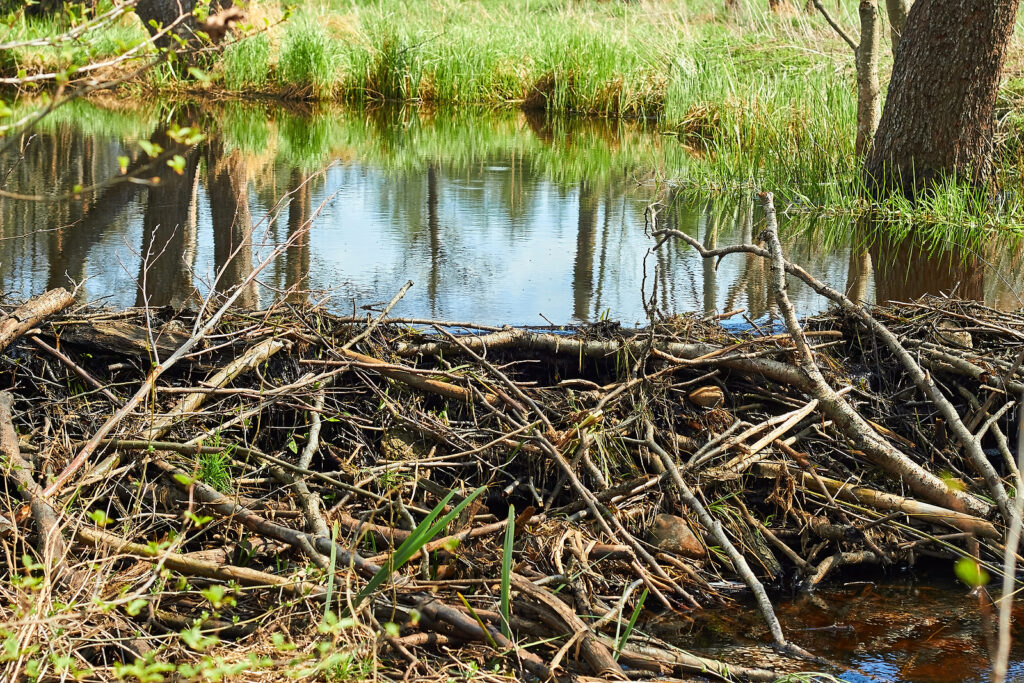
When you look at a beaver dam, you can see that beavers are skilled builders. With such skills comes durability, making it difficult to simply knock down and discard a beaver’s dam. Beaver dams are generally built from natural elements and materials like mud, logs, bark, twigs, stone, and really anything else they can find that will secure their structure to their liking.

They build these structures to reduce the flow rate of a streaming body of water, such as a river, stream, or creek. As a result, the dams create a stagnant pond or lake behind the flowing body of water, and they use this stagnant water to build their personal lodges. These lodges protect them from inclement weather, as well as predators like wild cats and coyotes.

Beaver Dam Removal Tips

So, you have a beaver dam on your property that is causing some destruction or inconvenience? You are not alone. Although beavers are Ecologically important, their dam structures aren’t always. However, you do not want to just go out there and start knocking down the dam. Here are some methods to consider for removing a beaver dam:

Manual Removal

You can just go out there and start taking down the dam by hand, but keep in mind that some beaver dams are more complex or bigger than they appear. Furthermore, the project can be dangerous, especially on turbulent or large bodies of water. If you do take this route, be sure you are equipped with shovels, wood cutting tools, and protective gear. You will need to approach the project in steps, starting off with making 6 inch notches in the dam until the water can flow over.

Backhoe

You can rent a backhoe to remove a beaver dam. This method is one of the most effective. But, if the backhoe cannot make it to the edge of the dam safely, it is not the method to use. More importantly, a backhoe should only be operated by a certified professional.

Wildlife Removal

The best and most effective method of getting rid of a beaver dam is professional wildlife removal services. A Nashville critter control company retains all the professional training, licensing, insurance, and equipment to safely take down a beaver dam, plus implement environmental modifications to keep beavers away for good. Additionally, they can relocate the beavers to a safe and faraway habitat.

Are you searching for licensed wildlife control professionals to get rid of nuisance beavers? Contact Budget Animal Removal at 615-337-9165 for TWRA licensed and insured Nashville, Tennessee beaver removal you can trust. We serve commercial and residential clients.

Related Posts:

What To Do if You Find a Dead Animal in the Yard
Common Household Ingredients That Will Repel Nuisance Wildlife
Are Woodchucks and Groundhogs the Same Species?

Tennessee Wildlife Removal and Control 615-337-9165

What You Need to Know About Beavers

Although you wouldn’t immediately think so, beavers are actually categorized as a common nuisance wildlife species here in Indiana. There are many land damages that can result from localized beaver activity, all of which can pose even more serious hazards and threats. Areas that are heavily populated with beavers should take extra precaution. This is especially true for homes and businesses located near moderately-large bodies of water, like streams and ponds.

Continue below to learn some important facts about beavers. Get to know them better so that you can better control their nuisance activities and behaviors.

Beaver Critter Control Indianapolis Indiana 317-875-3099

Facts About Beavers You Should Know

If you live in an area populated by beavers, these are the facts you need to know. Understanding beaver lifestyle and behavior can help you better protect your property from animal damages.

Beaver Biology

Are beavers rodents? Yes, they are! The American Beaver, scientifically called Castor canadensis, is actually the largest rodent in North America. In fact, they are the second largest rodent in the entire world! Beavers are indeed large, capable of reaching 70 pounds or more in adulthood. As semi-aquatic mammals, they spend the majority of their time in and around water.

Beaver Reproduction

A fun fact about beavers is that they mate for life. Once a male and female partner up, they stick together forever! They birth their young in the late spring, usually around May. Their offspring, called kits, are born with a full set of teeth, a coat of fur, and open eyes. In fact, they are swimming within the first 24 hours! Within two years, young beavers take on an adult role and venture out on their own.

Beaver Behavior

They are a family-oriented species, so if you see one, there are definitely more. Beavers tend to stick in pods of 8 to 10, but that number can fluctuate depending on the local regional conditions. As a family-friendly species, beavers are also protective and territorial, often marking local mud puddles with their urine.

Beavers are mostly nocturnal, meaning they are active between the hours of dusk and dawn. During this time, they forage for food, add onto their dams, and build underwater canal systems. Beavers are herbivores, meaning they only eat plant matter. They chew and gnaw down trees and take twigs back to their lodges for food storage.

Nuisance Beaver Control

Beavers are known for their dams, which they build in streams to make a pond. This can be a big problem in urban and metro areas. Their underwater canal systems can also do quite a bit of destruction to the local lands. Their dams can cause flooding, destroy creeks and streams, and even kill trees. How can you stop a nuisance beaver problem? Sometimes, beavers are too destructive, and must be trapped and relocated, but in most cases, beavers can be a beneficial asset with the right animal control and mitigation plan in place.

Are you ready to talk to a licensed wildlife professional about your beaver abatement options? Contact Budget Animal Removal at 317-875-3099 for trusted and affordable critter control for beavers in Indianapolis, Indiana. We serve residential and commercial clients. Request a free quote, anytime.

Related Posts:

The Basic Facts You Want to Know About Beavers
Be On the Lookout for Beaver Dam Problems This Fall
Where to Get Fast and Affordable Wildlife Removal in Indiana

Budget Animal Removal