Nuisance Beavers: Protecting Your Property from Flooding and Damage

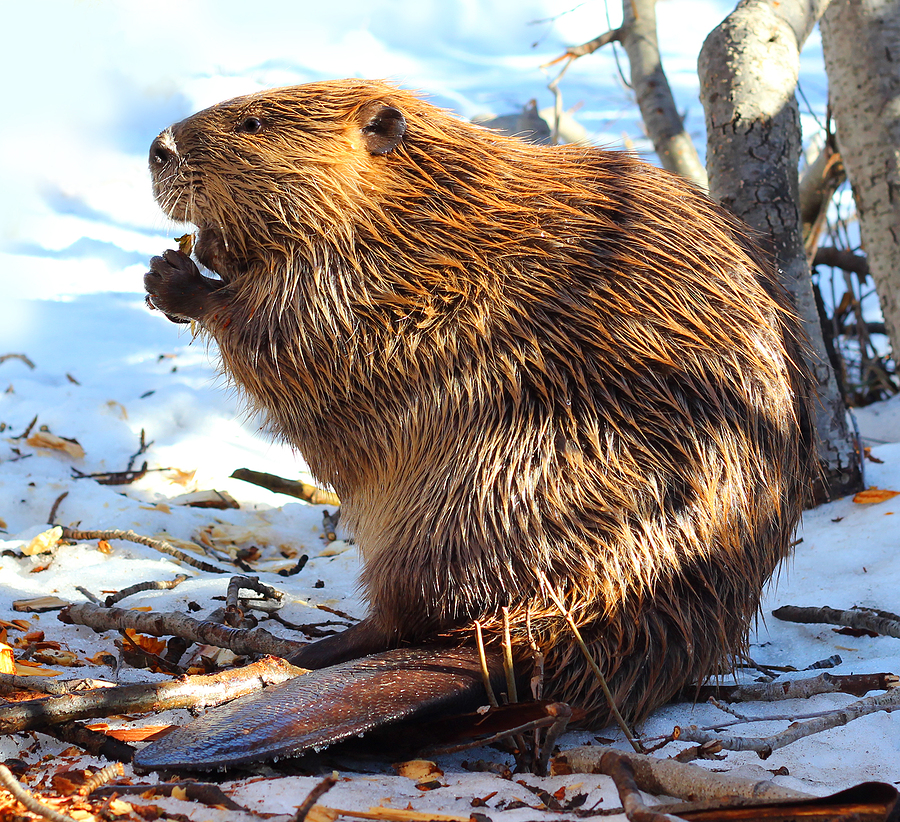
Beavers are often celebrated as “nature’s engineers.” Their ability to manipulate waterways and create wetland habitats is nothing short of remarkable. By building dams, they create ponds that support diverse ecosystems, filter water, and reduce soil erosion. However, when these engineering feats occur on private property, the results can be less than celebrated. What looks like a beneficial wetland to a conservationist might look like a flooded basement, destroyed timber, or a blocked culvert to a homeowner.

Finding the balance between appreciating the beaver’s ecological role and protecting your property is often challenging. Flooding caused by beaver dams can damage septic systems, drown expensive landscaping, and compromise the structural integrity of roads and driveways. Furthermore, their appetite for wood can turn prized ornamental trees into stumps overnight.

Dealing with nuisance beavers requires a strategic approach. It isn’t simply about removing the animal; it’s about managing the environment to discourage destructive behavior while respecting local regulations. This guide will walk you through identifying beaver activity, implementing non-lethal deterrents, and understanding when it is time to call in the professionals.

Call 317-875-3099 for Licensed Beaver Removal Service in Indianapolis

Identifying Signs of Beaver Activity

Before you can solve a beaver problem, you must confirm that beavers are indeed the culprits. While seeing the animal itself is the most obvious proof, beavers are primarily nocturnal and crepuscular (active at dawn and dusk), so you might spot the damage before you spot the rodent.

The most iconic sign of beaver activity is the dam. These structures are typically built across streams or creeks using sticks, mud, stones, and vegetation. The resulting backup of water creates a pond, which beavers use for safety and access to food. If you notice water levels rising inexplicably or new ponds forming on your land, a dam is likely the cause.

Felled trees are another unmistakable signature. Beavers have powerful, self-sharpening incisors that can slice through tree trunks with surprising speed. Look for stumps that appear to have been chiseled to a point, often surrounded by wood chips. You may also notice “beaver slides”—slick, muddy paths leading from the water up the bank where they drag timber and vegetation.

Finally, keep an eye out for lodges. These are dome-shaped structures made of sticks and mud, usually situated in the middle of the pond or burrowed into the bank. These serve as the beaver’s home.

Non-Lethal Deterrents: Protecting Your Land

If beavers have moved in, you don’t necessarily have to jump straight to removal. Several non-lethal methods can effectively discourage them or mitigate the damage they cause.

Fencing and Tree Protection

If the primary issue is the destruction of trees, physical barriers are the most effective solution. Wire mesh fencing, often called hardware cloth, can be wrapped around the trunks of individual trees. The wire should be heavy gauge (to prevent chewing) and extend at least 3 to 4 feet high to account for snow depth or the beaver standing on its hind legs.

For larger areas, installing low fences along the shoreline can prevent beavers from accessing the land. However, this requires diligent maintenance to ensure the animals don’t dig under or climb over the barriers.

Flow Devices and “Beaver Deceivers”

Flooding is often the most costly aspect of a beaver infestation. To combat this without destroying the dam, property owners can install flow devices, sometimes referred to as “beaver deceivers” or pond levelers.

These devices are essentially pipes installed through the dam. They allow water to flow through the dam freely, maintaining the pond at a level that doesn’t threaten property, while still leaving enough water for the beaver to feel safe. The intake of the pipe is protected by a cage so the beaver cannot block it. If the water level remains stable, the beaver often stops adding to the dam, solving the flooding issue without removing the animal.

Scent and Taste Repellents

For minor problems, chemical deterrents may offer relief. Taste-aversion repellents can be applied directly to trees and shrubs. These products make the vegetation unpalatable to the beaver. However, these require frequent reapplication, especially after rain, and are generally more effective for protecting specific plants rather than deterring beavers from an entire area.

Schedule a Beaver Removal Assessment in Indianapolis 📅

Knowing When to Call a Professional

While DIY methods can be effective, they require time, effort, and ongoing maintenance. There are situations where the damage is too severe, the flooding poses an immediate threat to infrastructure, or the beavers are simply too persistent for non-lethal deterrents to work.

Wildlife removal and control professionals possess the tools and expertise to handle these situations humanely and effectively. They can assess the specific dynamics of your property to determine the best course of action, whether that involves sophisticated flow devices, trapping, or relocation.

Furthermore, professionals understand beaver behavior. They know how to safely remove an established colony and, crucially, how to prevent new beavers from moving into the now-vacant territory. Without modifying the habitat, removing one family of beavers often just creates a vacancy for the next family to move in.

Legal Considerations for Property Owners

Before taking any action against nuisance beavers, it is critical to understand the legal landscape. Beavers are protected fur-bearing animals in many jurisdictions, meaning you cannot simply hunt or trap them without adhering to specific regulations.

Regulations in Indiana

For residents of Indiana, the Department of Natural Resources (DNR) sets specific guidelines. Generally, landowners or their designees can take beavers on their own property if the animals are causing damage or threatening property. However, this usually must be done within the legal trapping season or with a specific nuisance wild animal control permit if outside of the season.

It is illegal to use poisons or disturb beaver lodges and dams without proper authorization in many contexts, particularly if the waterway is public. Because laws can change and vary by county, consulting with a licensed wildlife control operator or checking the latest Indiana DNR regulations is essential before attempting removal or altering dams.

Balancing Ecological Impact with Property Rights

Managing nuisance wildlife is rarely black and white. It requires balancing the protection of your investment with environmental stewardship. Beavers are a keystone species; their ponds create habitats for fish, birds, amphibians, and other mammals. They improve water quality by trapping sediments and recycling nutrients.

When considering removal or deterrents, aim for the least invasive method that solves the problem. Installing a flow device, for example, preserves the wetland habitat the beaver created while eliminating the threat of flooding. This “coexistence” approach is often the most sustainable long-term solution. It allows the ecosystem to thrive without doing so at the expense of your property value.

However, coexistence isn’t always possible. In cases where public safety is at risk—such as flooding roads or weakening building foundations—removal becomes the responsible choice.

In Summary

Dealing with nuisance beavers is a complex challenge that blends engineering, biology, and law. Whether you choose to wrap your trees, install a pond leveler, or hire a professional for removal, the goal remains the same: protecting your property while respecting the natural world.

By identifying the signs early and understanding your options, you can manage these industrious rodents effectively. If you find yourself overwhelmed or unsure of the legalities, remember that professional help is available to guide you toward a solution that works for you and the environment.

If you’re in Indianapolis or the surrounding counties and need assistance with wildlife removal and control, don’t hesitate to reach out to our team of professionals. We specialize in humane and effective solutions tailored to protect your property while preserving the local ecosystem. Contact Us Today to schedule an assessment and take the first step toward resolving your wildlife concerns.

Call Now to Book Service

Related Post: Understanding Beavers: Nature’s Ecosystem Engineers

Indiana’s Hibernating Animals: A Guide to Winter Wildlife Control

Winter in Indiana brings a quiet stillness to the landscape. As temperatures drop, many of the state’s wild animals seem to vanish. This isn’t magic; it’s a remarkable survival strategy known as hibernation. Hibernation allows certain species to conserve energy and survive the harsh conditions when food is scarce and the weather is unforgiving. Understanding this process is key to appreciating Indiana’s unique wildlife and learning how to coexist peacefully with these creatures.

This guide explores the fascinating world of hibernating species in Indiana. We will look at which animals hibernate, how they prepare for their long winter slumber, and what you can do to prevent them from seeking shelter in your home. Protecting these animals is vital for maintaining Indiana’s rich biodiversity.

Call 317-875-3099 for Winter Wildlife Management & Control in Indianapolis IN

Common Hibernating Species in Indiana

Indiana’s diverse climate provides the perfect environment for many animals to hibernate. While you might picture a bear curled up in a cave, many other local creatures undergo this process. Here are a few common hibernating animals you might find in the Hoosier State.

Little Brown Bat

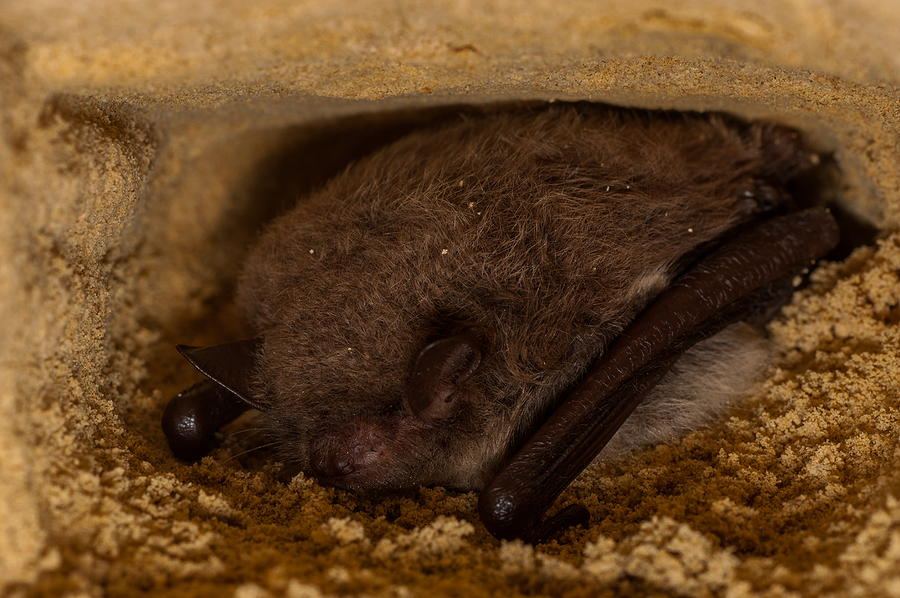
The Little Brown Bat is one of Indiana’s most dedicated hibernators. To survive the winter, it undergoes extreme physiological changes. Its body temperature can drop to near-freezing levels, and its heart rate slows dramatically to as few as four beats per minute. These bats often hibernate in large groups inside caves or abandoned mines, which are known as hibernacula.

Unfortunately, the Indiana Bat, a related species, is critically endangered due to habitat loss and white-nose syndrome, a fungal disease that disrupts hibernation. This makes conservation efforts for all bat species incredibly important.

Groundhog

Also known as the woodchuck, groundhogs are true hibernators. During its winter sleep, a groundhog’s body temperature can fall to as low as 37°F, and its heart rate can plummet to just two or three beats per minute. These solitary animals are famous for their extensive burrows, which they sometimes share with other animals like skunks or opossums for extra warmth during the cold months.

Common Garter Snake

Reptiles like the Common Garter Snake enter a state similar to hibernation called brumation. To survive the cold, snakes gather in large groups in underground dens or rock crevices, also known as hibernacula. This group behavior helps them conserve heat and moisture. Remarkably, these snakes can survive being partially frozen thanks to special antifreeze-like proteins in their blood, which prevent ice crystals from forming in their cells.

How Animals Prepare for Hibernation

Preparation for hibernation is a critical and intensive process that begins long before the first frost. Animals must ensure they have enough resources to survive months without food.

Food Storage

Some animals, like squirrels, are not true hibernators but enter a state of torpor. They spend the autumn months gathering and storing food, like nuts and acorns, in caches they can access during brief waking periods. True hibernators, like groundhogs, build up significant fat reserves by eating large amounts of food in late summer and fall. This fat provides the energy they need to survive the entire winter.

Shelter Selection

Finding a safe, insulated shelter is crucial. This shelter, or hibernaculum, must protect the animal from predators and extreme cold. Common hibernacula in Indiana include caves for bats, deep burrows for groundhogs, and underground dens for snakes.

Physiological Changes

As an animal enters hibernation, its body undergoes profound changes. Metabolism slows down drastically, heart rate and breathing decrease, and body temperature drops significantly. This state of suspended animation allows the animal to conserve an incredible amount of energy.

Contact Us for Expert Winter Wildlife Control Today!

Preventing Nuisance Wildlife in Winter

As animals search for a safe place to hibernate, they can sometimes find their way into our homes. Attics, basements, wall voids, garages, and crawl spaces can seem like ideal hibernacula. To prevent these unwanted intrusions, homeowners can take several proactive steps.

Animal-Proofing Your Home

Securing your home is the most effective way to prevent nuisance wildlife from entering.

  • Seal Cracks and Openings: Use steel wool and caulk to seal any cracks or holes in your foundation, walls, and roofline. Even small openings can be an entry point for bats or rodents.
  • Install Chimney Caps: A chimney cap can prevent squirrels, birds, and raccoons from nesting in your chimney.
  • Secure Vents: Cover any vents with durable wire mesh to block access while maintaining airflow.

Habitat Modification

Making your property less attractive to wildlife can also discourage them from settling in.

  • Trim Trees and Shrubs: Keep branches trimmed away from your house to eliminate easy access routes for climbing animals.
  • Remove Food Sources: Secure garbage can lids, bring in pet food at night, and clean up fallen fruit from your yard.
  • Use Fencing: Protect gardens and other vulnerable areas with fencing or netting to keep foraging animals out.

Frequently Asked Questions (FAQ)

What is the difference between hibernation, torpor, and brumation?

Hibernation is a long-term state of inactivity and metabolic depression in endotherms (warm-blooded animals). Torpor is a similar but shorter-term state that can occur daily. Brumation is the term used for dormancy in ectotherms (cold-blooded animals) like reptiles.

What should I do if I find a hibernating animal in my house?

If you find a hibernating animal, it’s best not to disturb it. Waking an animal from hibernation can be fatal, as it uses up precious energy reserves. Contact a professional wildlife removal service for safe and humane removal.

How does climate change affect hibernating species in Indiana?

Unpredictable winter weather, with warmer spells followed by sudden deep freezes, can cause animals to emerge from hibernation too early. This can lead to starvation if food is not yet available or cause them to freeze if they cannot find adequate shelter again.

Partner with a Professional for Wildlife Control

While taking preventative measures is essential, sometimes a professional is needed to handle a wildlife issue safely and effectively. Hiring a wildlife control service offers numerous benefits, including humane animal handling, compliance with local regulations, and long-term prevention strategies. The Indiana Department of Natural Resources (IDNR) has specific guidelines for handling protected species, and a professional service will have the expertise to ensure all actions are compliant and ethical.

Professionals can also repair damage caused by wildlife and offer peace of mind, knowing the problem has been resolved correctly. If you’re dealing with nuisance wildlife this winter, don’t hesitate to seek expert help.

Contact our local Indianapolis wildlife removal service today to ensure your home is secure and Indiana’s animals remain safe in their natural habitats. Our licensed and insured team combines effective solutions with respect for hibernating animals.

Call Now to Book Service

Related Post: How to Protect Your Car From Animal Damages in Winter

How to Control Indiana Wildlife During Breeding Season

Spring arrives in Indiana with blooming flowers, warmer temperatures, and increased activity from the state’s diverse wildlife population. While these animals play vital roles in local ecosystems, their breeding seasons often bring them into closer contact with human habitats, creating challenges for homeowners and property managers. Understanding when these animals reproduce and how their behavior changes during breeding season is essential for effective wildlife management and preventing costly property damage.

During breeding season, wildlife behavior becomes more predictable yet more problematic. Animals search for safe nesting sites, which often leads them to attics, crawl spaces, and other areas of your home. They become more territorial and protective, making removal more complex. Additionally, pregnant females and mothers with young require special handling considerations due to Indiana Department of Natural Resources (IDNR) regulations protecting certain species during vulnerable periods.

Recognizing the signs of wildlife infestations early can save you significant time, money, and stress. Common indicators include unusual noises such as scratching, scampering, or chirping in walls or attics, visual sightings of animals entering or exiting your property, droppings or urine stains around your home, damage to gardens and structures, and nests or nesting materials in attics, eaves, or under decks.

Contact Our Licensed & Insured Indiana Wildlife Control Service

Top Nuisance Wildlife in Indiana & Their Breeding Seasons

Birds: Peak Activity from March to August

Most nuisance birds in Indiana, including starlings, house sparrows, and pigeons, begin their breeding activities in early spring. These species often produce multiple broods per season, with peak nesting occurring from March through August. Migratory birds typically arrive in April and May, adding to the activity around residential properties.

Birds seek sheltered locations for nesting, making eaves, vents, and attic spaces particularly attractive. Once established, bird infestations can cause significant damage through nesting materials, droppings accumulation, and potential fire hazards from flammable nesting debris near electrical fixtures.

Management strategies include installing bird netting or bird spikes on structures where birds commonly perch or attempt to nest. Trim tree branches that provide easy access to your roof and remove accessible food sources such as unsecured garbage, pet food left outdoors, and overflowing bird feeders. These preventive measures work best when implemented before breeding season begins.

Squirrels: Two Breeding Seasons Annually

Gray squirrels, Indiana’s most common nuisance species, maintain two distinct breeding seasons each year. The first occurs from December through February, with births in late winter. The second breeding period runs from May through July, producing litters in mid to late summer. Fox squirrels follow similar patterns but may extend their breeding activities slightly longer.

Female squirrels require secure, warm locations for raising their young, making attics ideal nesting sites. Squirrel infestations often result in chewed wiring, damaged insulation, and structural damage from gnawing behaviors. Their persistent nature makes them particularly challenging to exclude once they’ve established a nesting site.

Prevention techniques focus on sealing entry points to buildings using durable materials that resist chewing. Install metal collars around tree trunks positioned at least six feet from the ground to prevent climbing access to roofs. Remove potential food sources by promptly cleaning up fallen nuts, seeds, and fruits from your property.

Schedule a Wildlife Control Inspection Today! 🔎

Raccoons: Spring Breeding with Summer Births

Raccoons typically mate in late winter to early spring, with most births occurring between April and June. Litters usually contain two to five kits, which remain dependent on their mother for several months. During this period, female raccoons become extremely protective and may exhibit aggressive behavior when threatened.

These intelligent animals excel at finding entry points into homes, particularly targeting chimneys, attics, and crawl spaces. Raccoon damage extends beyond structural issues to include significant contamination risks from their droppings, which can carry dangerous parasites and diseases.

Control measures include securing garbage cans with tight-fitting, locking lids and removing them from accessible areas until collection day. Trim tree branches that provide roof access and install chimney caps and screens over vents. Consider motion-activated lighting around potential den sites to discourage settlement.

Skunks: Early Spring Reproduction

Skunk breeding season begins in February and extends through March, with births typically occurring in May. Litters range from four to seven kits, and family groups remain together through the summer months. Skunks prefer denning under structures such as decks, porches, sheds, and mobile homes.

Beyond the obvious odor concerns, skunks can cause property damage through digging and may carry rabies, making professional skunk removal essential during breeding season when females are protective of their young.

Management approaches involve sealing openings under decks, porches, and sheds using hardware cloth or similar durable materials. Remove potential food sources including pet food, garbage, and fallen fruits. Install fencing around vulnerable areas, burying it several inches underground to prevent digging access.

Opossums: Extended Breeding Season

Virginia opossums, North America’s only native marsupial, have an extended breeding season from January through October, with peak activity in spring and fall. Females can produce up to three litters annually, though typically only one or two survive to maturity due to their short lifespan.

Opossums seek shelter in quiet, dark locations such as attics, crawl spaces, and abandoned structures. While generally less destructive than other wildlife, they can create sanitation issues and may carry various parasites and diseases.

Prevention strategies include clearing brush and debris from around your property to reduce available habitat. Secure garbage cans and compost piles with tight-fitting lids, and install fencing around gardens and yards where opossums commonly forage for food.

Additional Wildlife Species and Their Breeding Patterns

Several other species contribute to Indiana’s nuisance wildlife challenges during breeding season. Chipmunks breed twice yearly, in early spring and mid-summer, creating extensive burrow systems that can undermine foundations and walkways. Groundhogs emerge from hibernation in February to begin their breeding activities, with births occurring in April.

Red foxes mate in winter with births in March and April, often denning under porches or in abandoned burrows. Eastern cottontail rabbits have an extended breeding season from March through September, producing multiple litters that can quickly establish large populations in suitable habitat.

Aquatic species also present challenges during breeding season. Muskrats and beavers become more active in spring, potentially causing flooding or property damage near water sources. Yard moles, while not directly causing structural damage, create extensive tunnel systems that damage lawns and landscaping.

Legal Considerations and Professional Services

Indiana wildlife control operates under strict IDNR regulations that protect both wildlife and property owners. Many species receive protected status during breeding season, particularly when young are present. Professional wildlife removal services must maintain proper licensing and follow humane treatment standards established by state regulations.

Attempting to relocate wildlife without proper permits violates state law and often proves ineffective, as animals frequently return to established territories. Additionally, some species cannot be legally relocated, making exclusion and habitat modification the primary legal control methods.

Professional wildlife control services understand these regulations and possess the expertise to handle complex situations safely and legally. They can identify entry points, assess damage, and implement comprehensive exclusion strategies that address both immediate problems and long-term prevention.

RECAP

Understanding breeding seasons helps property owners anticipate and prevent wildlife conflicts before they become serious problems. Early intervention during pre-breeding periods proves more effective and less costly than addressing established infestations with dependent young.

Regular property inspections during peak breeding seasons allow for early detection of wildlife activity. Pay attention to unusual sounds, visible damage, and signs of animal presence around your property. Document any wildlife sightings and note their behavior patterns, as this information helps professionals develop targeted control strategies.

If you suspect wildlife activity on your property, schedule a professional inspection to assess potential entry points and existing damage. Professional wildlife removal services can provide comprehensive solutions that address immediate infestations while preventing future problems through exclusion techniques and habitat modification.

Don’t wait until minor wildlife issues become major problems. Schedule an inspection today to protect your property and learn more about animal damage repair services that can restore your home to its original condition.

Click Here to Call Now

Related Post: The Top 5 Nuisance Animals in the Fall Season

Stop Wildlife Tampering With Seasonal Property Inspections

As a homeowner or property manager, you likely have a seasonal checklist for maintaining your property. You might clean the gutters in the fall and check the air conditioning in the spring. But what about checking for unwanted guests? Wildlife tampering is a common, and often overlooked, issue that can lead to significant property damage and health concerns.

Seasonal inspections are essential for protecting your investment from nuisance wildlife. Animals seeking food or shelter can cause extensive problems, from chewing through electrical wires to compromising your home’s structural integrity. This guide will walk you through the importance of regular wildlife control inspections and provide actionable steps to safeguard your property.

Call 615-337-9165 to Schedule a Wildlife Control Inspection in Nashville Tennessee

Understanding Seasonal Wildlife Behavior in Tennessee

Wildlife activity changes with the seasons, and understanding these patterns is the first step toward effective prevention. In Tennessee and surrounding regions, different times of the year bring different threats to your property.

Spring

As temperatures rise, many animals begin their nesting and breeding seasons. This is when you’re most likely to find birds building nests in your gutters or vents. Squirrels and raccoons will also be searching for safe, secluded spots like attics and crawl spaces to raise their young.

Summer

With abundant food sources available, wildlife is highly active. Raccoons might rummage through gardens and trash cans, while other animals continue to seek out cool, sheltered areas within your home to escape the heat.

Fall

As the weather cools, animals start preparing for winter. They actively search for warm, secure places to wait out the colder months. This is a critical time for animal-proofing your home, as rodents, squirrels, and bats may try to gain entry into your attic, basement, or walls.

Winter

During the cold months, animals that don’t hibernate will seek warmth and shelter inside buildings. Rodents are a common problem, as they can squeeze through tiny openings to nest in your insulation. This is often when homeowners discover infestations that began in the fall.

Common nuisance wildlife in the Tennessee area includes squirrels, raccoons, birds, bats, and various rodents. Each poses unique risks to your property.

Why Seasonal Inspections Are Crucial

Regular, seasonal inspections are your first line of defense against animal damage. Catching signs of wildlife tampering early can save you from costly repairs and potential health hazards. Ignoring the issue allows minor problems to escalate quickly.

Potential damages from nuisance wildlife include:

  • Electrical Hazards: Squirrels and rodents often chew on electrical wiring, creating a serious fire risk.
  • Water Damage: Birds nesting in gutters can cause blockages, leading to water overflow that damages your roof, siding, and foundation.
  • Structural Issues: Rodents and other animals can burrow under foundations, weakening the structural integrity of your property over time.
  • Insulation Damage: Animals nesting in attics and walls will often shred insulation, reducing your home’s energy efficiency and leading to higher utility bills.
  • Health Risks: Wildlife can carry diseases, parasites, and bacteria. Droppings from bats and birds can create unsanitary conditions and lead to respiratory illnesses like histoplasmosis.

A proactive approach through a seasonal wildlife control inspection is far more effective and less expensive than dealing with a full-blown infestation and the resulting property damage.

Schedule a Wildlife Control Assessment Now

What to Look For During Inspections

Knowing what signs to look for is key to identifying a potential wildlife problem. When conducting an inspection, pay close attention to these common indicators of animal activity.

Common Signs of Wildlife Activity

  • Droppings or Urine Stains: These are often the most obvious signs of an infestation. Check attics, basements, and along walls for evidence.
  • Nests: Look for nests made of twigs, leaves, shredded paper, or insulation in quiet, hidden areas like attics, crawl spaces, chimneys, and vents.
  • Gnaw or Scratch Marks: Examine wooden beams, pipes, and electrical wires for marks. Rodents need to gnaw continuously to keep their teeth filed down.
  • Disturbed Insulation: Check for tunnels or flattened areas in your attic insulation.
  • Unusual Noises: Listen for scratching, scurrying, or chirping sounds coming from walls, ceilings, or the attic, especially at night.
  • Damaged Entry Points: Look for torn screens, chewed holes in siding, or damaged roof shingles where animals might be getting in.
  • Tracks or Footprints: Check dusty areas or soft soil around your property for animal tracks.

Key Areas to Inspect

  • Attic and Crawl Spaces: These are prime locations for squirrels, raccoons, and bats.
  • Roof and Chimney: Inspect for damaged shingles, flashing, and ensure your chimney cap is secure.
  • Vents: Dryer vents, gable vents, and attic fans are common entry points for birds and small rodents.
  • Gutters and Downspouts: Keep them clean to prevent birds from nesting and to ensure proper water drainage.
  • Foundation and Siding: Seal any cracks or holes to prevent rodents from burrowing or squeezing through.

DIY vs. Professional Wildlife Inspections

You might be tempted to conduct home inspections yourself, which can be a good starting point for regular monitoring. However, there are situations where calling a professional wildlife removal service is the safer and more effective option.

DIY Inspections

  • Pros: It’s cost-effective and helps you stay familiar with your property’s condition. You can perform visual checks of accessible areas monthly or seasonally.
  • Cons: You may not recognize subtle signs of an infestation or be able to safely access high-risk areas like the roof or a cramped attic. You also risk encountering a defensive animal.

Professional Inspections

  • Pros: Professionals have the training and equipment to conduct a thorough inspection of your entire property. They can identify entry points you might miss, assess the extent of any animal damage, and safely handle hazardous situations.
  • Cons: There is a cost associated with professional wildlife control services, but it is often a worthwhile investment to prevent larger expenses later.

You should always call a professional if you suspect the presence of a dangerous animal like a raccoon, find extensive damage, or are uncomfortable accessing certain areas of your property.

Preventative Measures for Animal-Proofing

Prevention is the most effective strategy for wildlife control. By making your property less attractive to animals, you can significantly reduce the risk of an infestation.

  • Seal Entry Points: Use caulk, steel wool, or wire mesh to seal any cracks and holes in your foundation, siding, and around utility pipes.
  • Secure Vents and Chimneys: Install sturdy vent covers and a chimney cap to block access.
  • Remove Food Sources: Keep trash cans tightly sealed, bring pet food indoors at night, and clean up fallen fruit or birdseed from your yard.
  • Maintain Your Landscaping: Trim tree branches that hang over your roof and keep shrubs away from the foundation to eliminate easy access routes for wildlife.
  • Keep Your Property Clean: Store firewood away from the house and keep your yard free of debris that could provide shelter for animals.

Protect Your Property Today

Seasonal inspections are not just another item on your home maintenance list; they are a vital practice for protecting the value, safety, and integrity of your property. By understanding wildlife behavior, knowing what to look for, and taking proactive animal-proofing measures, you can prevent nuisance wildlife from causing serious problems.

Don’t wait until you hear scratching in the walls. Taking action now can save you stress and significant expense down the road. If you’re concerned about potential wildlife tampering, it’s always best to consult with experts.

Schedule a professional wildlife control inspection today to ensure your property is secure and give yourself peace of mind. Contact us now to book your inspection and get personalized solutions tailored to your unique needs.

Related Post: Best Environmental Modifications for Nuisance Wildlife Control in Tennessee

Are Bat Houses a Good Idea? A Guide for Indiana Homeowners

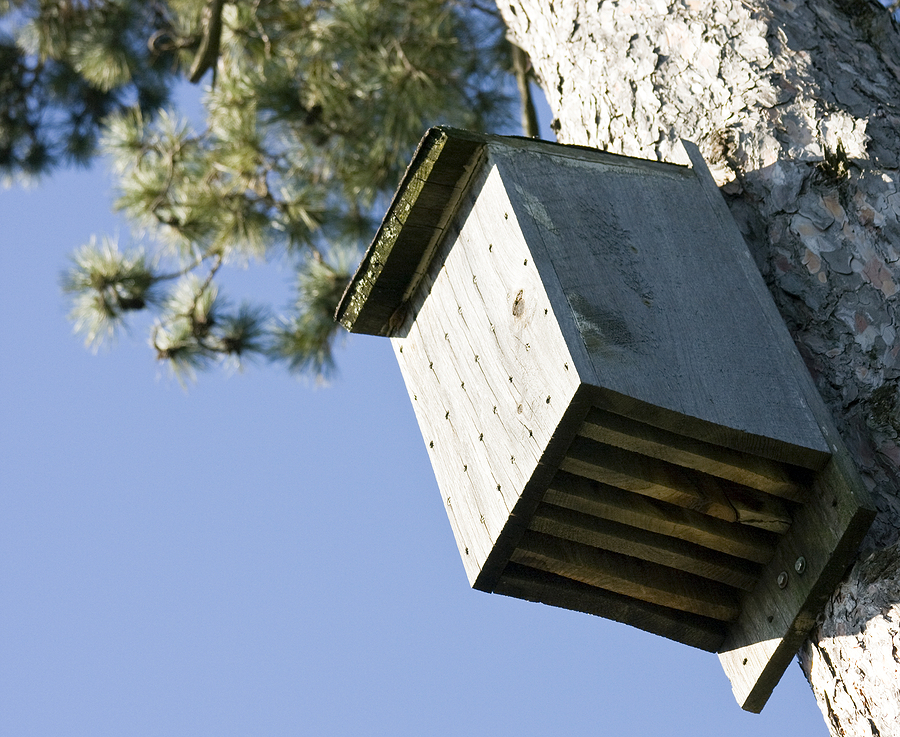
Have you noticed a small, wooden box mounted on a pole or the side of a building and wondered what it was? You might have been looking at a bat house. These structures are becoming increasingly popular among homeowners, gardeners, and conservationists, and for good reason. They offer a safe roosting spot for bats, which in turn provide a host of ecological benefits.

But what exactly are the advantages of inviting these winged mammals to your property? This guide will walk you through the benefits of bat houses, how to choose and install one, and what to do if you find a bat in the house or bats in the attic. By the end, you’ll understand why supporting local bat populations is a smart move for your garden and the broader Indiana ecosystem.

Call 615-337-9165 to Reach Our Licensed Bat Trappers in Indianapolis Indiana

The Ecological Power of Bats

Bats are often misunderstood creatures, but they play a vital role in maintaining a healthy environment. Far from being pests, they are crucial for pest control and pollination.

Natural Pest Control

One of the most significant benefits of having bats around is their voracious appetite for insects. A single bat can eat thousands of insects in one night, including mosquitoes, moths, and beetles that can damage crops and gardens. In Indiana, common species like the Little Brown Bat and Big Brown Bat are insect-eating powerhouses.

Their free pest control services are so effective that bats contribute an estimated $3 billion annually to the U.S. agriculture industry. For homeowners, this means fewer mosquito bites and less damage to your prize-winning tomatoes, all without the use of chemical pesticides.

Pollination and Seed Dispersal

While many of Indiana’s bats, like the Evening Bat and Hoary Bat, are insectivores, other bat species around the world are essential pollinators. They help pollinate over 500 species of plants, including fruits like bananas, mangoes, and avocados. By providing a safe haven for local bats, you contribute to a global network of bat conservation that supports healthy ecosystems and food production.

Choosing the Right Bat House

Ready to install a bat house? The first step is selecting the right one. Not all bat houses are created equal, and a well-designed house is more likely to be occupied. Look for models certified by Bat Conservation International (BCI). These houses meet specific criteria for size, ventilation, and material that are proven to be effective.

Here’s what to look for:

  • Durable Materials: Choose houses made from weather-resistant materials like cedar or exterior-grade plywood. These will withstand Indiana’s harsh winters and humid summers.
  • Multi-Chamber Design: Bat houses with multiple chambers can accommodate larger colonies and provide different temperature zones, which is especially important for mother bats raising their young.
  • Proper Dimensions: The chambers should be about ¾ to 1 inch wide, and the interior surfaces should be roughened or grooved to give bats a secure grip. The house should be at least two feet tall to create a good temperature gradient.

View Our Nuisance Bat Control Solutions! 🦇

Bat House Installation: Placement is Key

Where you install your bat house is just as important as the house itself. Proper placement will significantly increase the chances of attracting bats.

Follow these bat house installation tips for the best results:

  • Height: Mount the bat house at least 12 to 20 feet off the ground. This height protects bats from predators like cats and raccoons.
  • Sunlight: Bats need warmth. In Indiana, it’s best to place the house where it will receive at least six to eight hours of direct sunlight, preferably facing south or east. Painting the house a dark color can also help it absorb heat.
  • Clear Flight Path: Ensure there are no obstacles like tree branches or wires within 20 feet of the house’s entrance. Bats need a clear path to fly in and out.
  • Proximity to Water: Installing your bat house within a quarter-mile of a water source, like a pond or stream, can make it more attractive to bats.

Maintaining Your Bat House

Once your bat house is up, it requires very little maintenance. The main task is to ensure it remains in good condition and free from wasps or other unwanted guests. Check the house annually for any signs of damage or wasp nests, preferably during the late fall or winter when bats are not present.

Debunking Common Bat Myths

Many people have concerns about attracting bats to their property. Let’s address some common myths and set the record straight.

Myth: Bats are aggressive and attack humans.
Fact: Bats are naturally shy and prefer to avoid humans. A bat will only bite if it feels threatened or is handled. The best approach is to observe them from a distance and never attempt to touch one.

Myth: Bats are dirty and carry diseases.
Fact: While a small percentage of bats can carry rabies, the risk of transmission to humans is extremely low. As long as you don’t handle bats, the risk is minimal. Bats are actually meticulous groomers, much like cats.

Myth: Bat houses will attract bats to infest your home.
Fact: Providing a dedicated bat house actually reduces the likelihood of bats trying to roost in your home. They prefer the specific conditions of a well-designed bat house over your attic.

When You Need Bat Control and Removal

Even with the best intentions, you might sometimes find a bat in the house or discover a colony of bats in the attic. While bats are beneficial, you don’t want them sharing your living space.

If you find a bat indoors, it’s important to handle the situation safely:

  1. First, contain the bat in a single room by closing the doors.
  2. Open a window to give it an escape route. If this isn’t possible, or if you’re dealing with a larger colony, it’s time to call a professional.

Attempting DIY bat removal can be dangerous and is often illegal, as many bat species are protected. In Indiana, the Department of Natural Resources (DNR) has specific guidelines for bat control to ensure the animals are handled humanely. A professional wildlife control service like Budget Animal Removal in Indianapolis will have the expertise and equipment to safely remove the bats and help you seal up entry points to prevent them from returning.

Take Action for Bat Conservation

Installing a bat house is a simple yet powerful way to support local wildlife and reap the benefits of natural pest control. By providing a safe home for these fascinating creatures, you’re not just helping bats; you’re contributing to a healthier environment for your family and community.

If you’re dealing with a bat issue or need expert advice on bat removal, don’t hesitate to reach out. Our team is trained in safe, humane, and effective bat control methods that comply with all Indiana regulations. Contact us today for a consultation and let us help you manage your wildlife concerns responsibly.

Speak With a Bat Control Pro Now

Related Post: How Bats Use Echolocation to Navigate the Night

Recognizing the Signs of Nuisance Wildlife Trouble Near Your Property

The scurrying sounds in your attic at 2 AM. The garbage cans knocked over and trash scattered across your driveway. The mysterious holes appearing in your garden overnight. These aren’t just minor inconveniences—they’re warning signs that nuisance wildlife has discovered your property and decided to make themselves at home.

Nuisance wildlife refers to animals that cause property damage, pose health risks, or create safety concerns around residential areas. While these creatures play important roles in our ecosystem, problems arise when they venture too close to human habitation in search of food, water, and shelter. Common problematic wildlife includes raccoons, squirrels, rodents, birds, skunks, and bats, each bringing their own set of challenges to homeowners.

Identifying wildlife problems early is crucial for protecting your property and family’s health. The longer these animals remain undisturbed, the more extensive the damage becomes and the more difficult wildlife removal becomes. By recognizing the warning signs, you can take prompt action to address issues before they escalate into costly repairs or health hazards.

Call 317-875-3099 for Professional Animal Damage Inspection Service in Indianapolis

Common Nuisance Animals and Their Behaviors

Understanding which animals might be causing problems helps you identify the specific signs to look for around your property. Different species exhibit distinct behaviors that leave telltale evidence of their presence.

Raccoons are notorious for their intelligence and dexterity. These masked bandits typically raid garbage cans, pet food bowls, and bird feeders during nighttime hours. They’re excellent climbers and often establish dens in attics, chimneys, or crawl spaces. Raccoons can cause significant property damage while searching for food and nesting sites.

Squirrels are persistent climbers that frequently invade attics and wall cavities to build nests. They’re particularly active during daylight hours and can cause extensive damage by chewing through insulation, electrical wiring, and wooden structures. Tree squirrels also raid bird feeders and garden plants.

Rodents, including mice and rats, are among the most common household invaders. These prolific breeders seek warm, dark spaces with access to food and water. They contaminate stored food, damage property through gnawing, and pose serious health risks through disease transmission.

Birds can become problematic when they nest in inappropriate locations like gutters, vents, or attic spaces. Some species are aggressive during nesting season and may attack pets or humans who venture too close to their nests.

Skunks typically burrow under decks, sheds, or porches to create dens. While generally docile, they spray their infamous scent when threatened and can carry rabies. Their digging behavior damages lawns and gardens as they search for insects and grubs.

Warning Signs Inside Your Home

The interior of your home often provides the first clues that wildlife has gained entry. These signs typically indicate an established problem that requires immediate wildlife control measures.

Unusual Sounds

Strange noises are among the most common indicators of wildlife intrusion. Scratching, scurrying, or thumping sounds in walls, attics, or crawl spaces often signal the presence of squirrels, rodents, or bats. These sounds are typically most noticeable during dawn and dusk when many animals are most active.

Excrement

Droppings and urine stains provide clear evidence of animal presence. Rodent droppings appear as small, dark pellets scattered along walls or in storage areas. Larger animals like raccoons leave bigger droppings, often found near entry points or feeding areas. The size, shape, and location of droppings can help identify the specific animal involved.

Structural Harm

Property damage manifests in various ways depending on the intruder. Chewed food packaging in pantries indicates rodent activity, while damaged insulation or electrical wiring in attics suggests squirrel problems. Raccoons often leave muddy paw prints and torn materials around their entry points.

Lingering Smells

Foul odors can indicate several issues, from accumulated droppings and urine to deceased animals trapped within walls or ductwork. These odors often worsen over time and may pose health risks to occupants.

View Our Humane Wildlife Control Solutions! 🐾

Warning Signs Outside Your Home

Your property’s exterior often shows the first signs of wildlife activity before animals gain access to indoor spaces. Regular inspection of outdoor areas helps catch problems early.

Disturbed garbage cans are classic signs of raccoon activity. These clever animals can manipulate latches and remove lids, scattering contents across your yard. You might also notice paw prints around trash storage areas or greasy smudge marks where animals have climbed.

Damaged gardens and landscaping indicate various wildlife problems. Holes in lawns often signal skunks or raccoons digging for grubs, while nibbled plants and missing fruits suggest deer, rabbits, or birds. Damaged bird feeders or scattered seed typically points to squirrel activity.

Structural damage appears in many forms around your property’s exterior. Look for chewed siding, damaged roof materials, or torn screens. Animals often create entry points by enlarging existing gaps or weak spots in your home’s exterior.

Unusual pet behavior can signal wildlife presence before you notice other signs. Dogs and cats may bark excessively, refuse to go outside, or show signs of agitation when nuisance animals are nearby. Pets have keen senses that detect animal scents and sounds humans might miss.

Nesting materials scattered around your property indicate animals are establishing residence. Birds often drop twigs and debris while building nests, while mammals may gather leaves, insulation, or fabric for their dens.

Prevention Strategies That Work

Proactive prevention is far more cost-effective than dealing with established wildlife problems. These strategies help make your property less attractive to nuisance animals.

Wildlife Exclusion

Seal entry points by conducting thorough inspections of your home’s exterior. Close gaps in foundations, repair damaged screens, and install caps on chimneys and vents. Pay special attention to areas where utilities enter your home, as these often provide easy access for small animals.

Landscaping

Maintain your landscape by trimming trees and shrubs away from your home’s exterior. Overhanging branches provide highways for squirrels and other climbing animals to access your roof. Keep vegetation well-groomed to eliminate hiding spots for ground-dwelling animals.

Habitat Modification

Secure food sources by using garbage cans with tight-fitting lids and storing them in secure locations like garages or sheds. Remove fallen fruit from trees promptly, and avoid leaving pet food outside overnight. Consider removing bird feeders if wildlife problems persist, as these attract various animals beyond intended bird species.

Physical Barriers

Install appropriate fencing around vulnerable areas like gardens, compost bins, and outdoor dining spaces. Choose materials and heights appropriate for the specific animals in your area. Underground barriers may be necessary to prevent burrowing animals like skunks from accessing spaces beneath structures.

When Professional Wildlife Control Is Necessary

While homeowners can implement many prevention strategies independently, certain situations require professional wildlife inspection and removal services. Attempting to handle these scenarios without proper training and equipment can be dangerous and may violate local regulations.

Indiana’s wildlife laws require permits for trapping and relocating certain species. Professional wildlife control services understand these regulations and ensure all removal activities comply with state and local ordinances. They also follow humane treatment standards mandated by Indiana law.

Contact professional animal removal services when you discover large infestations, animals in difficult-to-reach locations, or potentially dangerous species like bats or skunks. Pregnant or nursing animals require special handling, as do situations involving structural damage that affects your home’s integrity.

Professional services provide comprehensive solutions including inspection, removal, exclusion work, and cleanup services. They can identify entry points you might miss and implement long-term prevention strategies tailored to your specific situation.

Take Action Before Problems Escalate

Nuisance wildlife problems rarely resolve themselves and typically worsen over time. The animals causing minor inconveniences today can create significant property damage and health hazards if left unaddressed. Regular property inspections help you catch warning signs early, when solutions are most effective and least expensive.

Remember that wildlife control requires ongoing vigilance. Seasonal changes bring different challenges as animals seek shelter, food, and breeding sites. Stay alert to the warning signs discussed in this guide and maintain the prevention strategies that work best for your property.

Schedule a wildlife inspection today with Budget Animal Removal to identify potential problems before they become costly repairs. Our wildlife control specialists can assess your property’s vulnerability and recommend targeted solutions to keep nuisance animals where they belong—in their natural habitat, not your home.

Call Now for a Free Quote

Related Post: 7 Steps to Prevent Wildlife Infestations on Your Property

Wildlife-Resistant Landscaping Strategies

Creating a beautiful outdoor space while protecting it from unwanted animal visitors presents unique challenges for homeowners. When raccoons raid your garden, moles tunnel through your pristine lawn, or squirrels destroy your carefully planted flower beds, maintaining an attractive landscape becomes an uphill battle. Understanding effective animal-proofing strategies can help you enjoy your property without constant interference from nuisance wildlife.

Wildlife control isn’t about eliminating animals entirely—it’s about creating boundaries that protect your investment while respecting the natural environment. The key lies in implementing comprehensive landscaping strategies that address multiple entry points and attractants. From selecting the right plants to installing proper barriers, every decision contributes to creating an animal-proof property that thrives season after season.

Call 317-875-3099 for Nashville Wildlife Control Services
Call 317-875-3099 for Nashville Wildlife Control Service

Animal-Proofing Your Landscape With Safety in Mind

Fencing and Barriers

Effective barriers form the foundation of any wildlife control strategy. Installing the right type of fencing depends on which animals pose the greatest threat to your property. For rabbits and small mammals, a fence should extend at least 18 inches underground and stand 2-3 feet above ground to prevent both digging and jumping.

Hardware cloth proves more effective than chicken wire for serious animal-proofing, as determined creatures like raccoons can easily tear through weaker materials. The mesh should be no larger than 1/4 inch to keep out chipmunks and other small rodents. For added protection against climbing animals, consider adding a 45-degree outward angle at the top of your fence.

Underground barriers require special attention when dealing with burrowing animals like moles and muskrats. Installing underground mesh barriers around valuable plants or garden areas creates an impenetrable boundary. These barriers should extend 12-18 inches deep and can be made from hardware cloth or specially designed root barriers.

Tree Maintenance

Proper tree care plays a crucial role in wildlife control by eliminating pathways animals use to access roofs, upper-level windows, and garden areas. Tree trimming should maintain at least 6-8 feet of clearance between branches and structures to prevent squirrels and raccoons from making the leap.

Regular pruning also removes dead or damaged branches that might attract insects, which in turn draw woodpeckers and other birds. Focus on maintaining healthy tree structure while eliminating low-hanging branches that provide easy access for climbing animals. Professional tree trimming ensures cuts are made correctly to promote healthy growth while achieving your wildlife control goals.

Fruit trees require special attention, as fallen fruit attracts numerous animal species. Harvest fruit promptly when ripe, and clean up any dropped fruit immediately. Consider installing tree guards around the base of young trees to prevent bark damage from rabbits and other gnawing animals.

Lawn Care

Maintaining a healthy lawn reduces the likelihood of animal damage while eliminating conditions that attract problematic wildlife. Proper lawn maintenance includes regular mowing, watering, and fertilization to create dense turf that’s less susceptible to digging and burrowing.

Overwatering creates soft soil conditions that make digging easier for moles and other burrowing animals. Instead, water deeply but less frequently to encourage deep root growth and firmer soil conditions. Address drainage issues promptly, as standing water attracts various wildlife species and creates muddy conditions that show animal tracks and damage more readily.

Grub control forms an essential component of mole and skunk prevention. These animals dig up lawns searching for insects and larvae, so eliminating their food source reduces the attraction. Apply beneficial nematodes or appropriate grub control products according to manufacturer instructions to break the cycle of lawn damage.

Garden Flowers and Plant Selection

Choosing plants that naturally repel animals eliminates many wildlife problems before they start. Marigolds, daffodils, and other strongly scented flowers deter many common garden pests through their natural oils and fragrances. Rabbits and deer typically avoid these plants, making them excellent choices for vulnerable garden areas.

Herb gardens featuring mint, lavender, and rosemary serve dual purposes by providing culinary ingredients while repelling unwanted visitors. These aromatic plants create natural barriers when planted around more vulnerable species. However, be aware that mint can become invasive, so consider planting it in containers or designated areas.

Thorny or spiky plants create physical barriers that most animals prefer to avoid. Barberry, holly, and rose bushes planted strategically can direct animal traffic away from sensitive areas while adding beauty to your landscape. Position these plants near known animal pathways or around vulnerable garden sections.

View Our Nashville Wildlife Control Solutions! 🦝

Mulch and Ground Cover

The type of mulch you choose can either attract or repel various animal species. Avoid using materials like straw or hay that provide nesting opportunities for small mammals. Instead, opt for cedar mulch, which naturally repels many insects and small animals through its aromatic properties.

Gravel or stone mulch around plant bases creates an uncomfortable surface for digging animals while providing excellent drainage and a neat appearance. This approach works particularly well around valuable shrubs or in formal garden settings where you want to discourage both weeds and animal disturbance.

Keep mulch layers relatively thin (2-3 inches) to prevent creating hiding spots for small mammals. Thick mulch layers can harbor rodents and provide cover for animals moving through your landscape. Regular mulch maintenance includes refreshing materials and removing any debris that might attract wildlife.

Hardscaping Solutions

Incorporating hardscaping elements reduces maintenance while creating areas that animals naturally avoid. Patios, walkways, and decorative stone features provide functional outdoor spaces that don’t require the ongoing care that attracts wildlife through watering, fertilizing, and other maintenance activities.

Raised beds offer multiple advantages for animal-proofing your garden areas. The elevated structure makes it more difficult for ground-dwelling animals to access plants, while the defined boundaries make it easier to install targeted barriers or repellents. Line raised bed bottoms with hardware cloth to prevent underground access.

Water features require careful consideration in wildlife control planning. While attractive, they can draw animals seeking drinking water. If you choose to include water elements, position them away from vulnerable garden areas and consider adding motion-activated components that startle approaching animals.

Animal Repellents

Understanding different types of repellent helps you choose the most appropriate solutions for your specific animal challenges. Each type works through different mechanisms and proves more effective against certain species.

Scent-Based Repellents: Repellents containing ingredients like garlic, pepper, or predator urine can deter animals through their sense of smell. These work well against rabbits, deer, and many small mammals but require regular reapplication, especially after rain or watering.

Taste-Based Repellents: Bitter-tasting sprays or granules can discourage animals from chewing or nibbling on plants. These prove particularly effective against rabbits and other animals that sample plants before consuming them.

Electronic Repellents: Motion-activated sprinklers or ultrasonic devices can startle animals and discourage them from entering the area. These high-tech solutions work well for larger animals like raccoons and skunks but may be less effective against smaller species.

Physical Barriers: Netting, fencing, or mesh can physically prevent animals from accessing plants or garden areas. While requiring more initial investment, physical barriers often provide the most reliable long-term protection.

When Professional Help is Necessary

Recognizing when to seek professional assistance can save time, money, and frustration in your wildlife control efforts. Consider professional landscaping services when dealing with large-scale installations or specialized barrier systems that require expertise to implement effectively.

Installation of custom fencing and barrier solutions tailored to specific animal types and property layouts ensures optimal protection while maintaining aesthetic appeal. Professional installers understand local wildlife patterns and can recommend solutions based on regional animal behavior.

Humane wildlife removal and relocation services to safely remove nuisance animals without harm address immediate problems while you implement long-term landscaping solutions. This approach prevents ongoing damage while giving your new strategies time to take effect.

Application of professional-grade animal repellents and deterrents for long-lasting protection provides access to commercial-strength products not available to homeowners. Professional application ensures proper coverage and timing for maximum effectiveness.

Maintaining Your Wildlife-Resistant Landscape

Consistent maintenance ensures your animal-proofing strategies remain effective over time. Trim trees and shrubs regularly to prevent animals from using them to access roofs or fences. This ongoing tree care maintains the barriers you’ve established while promoting healthy plant growth.

Routinely check and repair any damage to fences or barriers, as small openings quickly become larger problems when animals discover them. Address damage promptly to prevent animals from establishing new access routes or territories within your protected areas.

Rake leaves and clear debris promptly to eliminate potential hiding spots for small mammals and insects that attract larger predators. This simple lawn maintenance step reduces cover for unwanted wildlife while keeping your property neat and attractive.

Reapply animal-repellent sprays or granules after rain or snow, as weather conditions reduce their effectiveness. Maintaining a regular application schedule ensures continuous protection throughout changing seasons and weather patterns.

Conclusion

Creating and maintaining an animal-proof property requires dedication and the right combination of strategies. By implementing comprehensive barriers, selecting appropriate plants, and maintaining consistent care practices, you can enjoy a beautiful landscape without constant wildlife interference. The investment in proper animal-proofing pays dividends through reduced damage, lower maintenance costs, and the satisfaction of a thriving outdoor space.

Ready to protect your landscape investment? Get a free wildlife control quote from Budget Animal Removal and discover customized solutions for your property’s specific challenges.

Speak With a Wildlife Control Pro Now

Related Post: Preventing Animal Infestations on Your Property: A Homeowner’s Guide

7 Warning Signs Animals Are Living in Your Chimney

Strange sounds from above your fireplace can send chills down any homeowner’s spine. While these noises might seem mysterious at first, they often signal a very real problem: animals in your chimney. From squirrels scratching at dawn to raccoons wreaking havoc at midnight, wildlife can turn your cozy fireplace into their personal apartment complex.

Understanding the signs of a chimney infestation is crucial for protecting both your home and the animals themselves. Early detection can prevent costly structural damage, eliminate fire hazards, and ensure the safe removal of unwanted guests. The sooner you identify these warning signs, the more effectively you can address the situation before it escalates into a major problem.

This guide will help you recognize the telltale indicators that wildlife has moved into your chimney, explore the risks these animals pose, and provide actionable steps to reclaim your home safely and humanely.

Call 317-875-3099 for Chimney Animal Removal in Indianapolis Indiana

Common Animals That Make Chimneys Their Home

Several species find chimneys particularly appealing as nesting sites, each bringing their own set of challenges and behaviors.

Squirrels

Squirrels are among the most frequent chimney invaders, especially during early spring and fall nesting seasons. These agile climbers use leaves, twigs, and other debris to construct elaborate nests. Their constant chewing habits can damage chimney structures, particularly in prefabricated chimneys that are more vulnerable to their persistent gnawing.

Birds

Birds often choose chimneys during spring nesting season, creating significant fire hazards with their twig nests. Different bird species may be more common depending on your location, but most construct nests that can block proper ventilation and ignite easily when exposed to heat or sparks.

Raccoons

Raccoons present perhaps the greatest challenge, as they can become year-round residents once they discover a warm, safe space. These intelligent animals possess the strength and dexterity to dismantle chimney structures, creating more room for themselves and potentially causing extensive damage to both masonry and metal chimneys.

Bats

Bats frequently colonize chimneys, particularly in older buildings with ample roosting space. They typically roost in groups, and their guano accumulation creates serious health hazards while producing distinctive odors that permeate throughout the home.

Rodents

Rodents, including rats and mice, often climb into chimneys seeking refuge from predators or harsh weather. These disease-carrying pests can contaminate your home and create additional health risks beyond the immediate chimney problem.

Recognizing the Warning Signs

Unusual Sounds

The most obvious indicator of animals in your chimney is sound. Scratching, scurrying, or thumping noises, especially during dawn or dusk hours, typically indicate wildlife activity. Squirrels are particularly active during daylight hours, while raccoons tend to create disturbances at night. Bird activity often includes chirping or fluttering sounds, particularly noticeable during quiet morning hours.

Distinctive Odors

Animal infestations produce unmistakable smells that can permeate your living space. These odors range from musky scents left by raccoons to the sharp, ammonia-like smell of bat guano. Dead animals trapped in your chimney create particularly unpleasant odors that intensify over time and may attract additional pests.

Physical Evidence

Visual confirmation often provides the clearest evidence of chimney infestation. Look for nesting materials like twigs, leaves, or fabric visible from below. Animal droppings around your fireplace or hearth area indicate active wildlife presence. You might also notice torn or displaced chimney caps, damaged flashing, or debris scattered around your fireplace.

Blocked Airflow

Poor ventilation or unusual drafts can signal that nesting materials are obstructing your chimney. If you notice smoke entering your room instead of properly venting outside, animals or their nests may be blocking the flue.

Visible Damage

Inspect your chimney exterior for signs of animal activity. Scratches on metal surfaces, damaged mortar in masonry chimneys, or bent chimney caps often indicate wildlife attempts to enter or expand their living space.

Request Affordable Wildlife Control Today! 🛡

Understanding the Risks and Dangers

Fire Hazards

Animals in your chimney create multiple hazards that extend far beyond simple inconvenience. Fire hazards top the list of concerns, as nesting materials can easily ignite and cause chimney fires or house fires. Bird nests constructed from dry twigs and leaves are particularly combustible, while accumulated debris can block proper ventilation and cause dangerous gas buildup.

Property Damage

Structural damage often accompanies wildlife infestations. Raccoons can dismantle masonry work, while squirrels gnaw through metal components and prefabricated chimney materials. These damages compromise your chimney’s integrity and can lead to expensive repairs if left untreated.

Health Risks

Health risks multiply when animals take up residence in your chimney. Bat guano carries histoplasmosis spores, while rodent droppings can transmit various diseases. Even seemingly harmless bird nests can harbor parasites and create respiratory issues for sensitive individuals.

Seasonal Breaches

Extreme temperature variations in the Midwest can exacerbate these problems, as animals seek warmer shelter during harsh winters and may cause additional structural stress to already compromised chimneys.

Prevention Methods That Work

Install a Sturdy Chimney Cap

A high-quality chimney cap serves as your first line of defense against wildlife intrusion. Choose caps made from durable materials like stainless steel, ensuring they fit securely without gaps that animals can exploit. Different chimney types require specific cap designs—metal chimneys need caps that maintain proper ventilation, while masonry chimneys can accommodate heavier, more robust protection.

Schedule Regular Inspections

Annual professional inspections help identify potential entry points before they become major problems. Lined chimneys offer better protection than unlined versions, but both require regular monitoring for gaps or deterioration that animals might exploit.

Maintain Your Property

Trim tree branches that overhang or touch your chimney, eliminating easy access routes for squirrels and raccoons. These agile climbers use nearby vegetation as highways to your roof, making proper landscaping an essential prevention strategy.

Seal Structural Weaknesses

Address any cracks or openings in your chimney structure immediately. Even small gaps can provide entry points for mice and rats, while larger openings invite bigger animals. Masonry chimneys require particular attention to mortar joints and crown integrity.

Professional Chimney Cleaning

Regular cleaning removes nesting materials and scent trails that attract animals to your chimney. Professional cleaning also eliminates debris that could serve as building materials for future nests.

When to Call Professional Wildlife Removal Services

While some homeowners consider DIY removal methods, professional wildlife removal offers the safest and most effective solution for chimney infestations. Wildlife removal experts possess specialized tools and techniques for safely extracting animals without harm to either the creatures or your chimney structure.

Professional services typically begin with a thorough assessment of your situation, identifying the species involved and the extent of the infestation. One-way exclusion devices allow animals to exit safely while preventing re-entry, ensuring humane removal that complies with local wildlife protection laws.

Following animal removal, professionals perform comprehensive chimney cleaning to eliminate nesting materials, droppings, and scent trails. This crucial step prevents attracting new wildlife to the same location.

Many professional services also address necessary chimney repairs, fixing structural damage caused by the infestation. This comprehensive approach ensures your chimney returns to proper working condition while preventing future wildlife problems.

Key Points

Recognizing the signs of animals in your chimney empowers you to address problems before they escalate into expensive repairs or dangerous situations. Strange sounds, unusual odors, and visible evidence all point to wildlife activity that requires prompt attention.

Professional wildlife removal services provide the expertise needed to safely and humanely resolve chimney infestations while protecting your home from further damage. Combined with proper prevention measures like chimney caps and regular inspections, professional intervention can restore your peace of mind and your fireplace’s functionality.

Don’t let wildlife turn your chimney into their permanent residence. Contact Budget Animal Removal today for a comprehensive assessment and humane solution to your chimney infestation concerns in Indianapolis.

Get a Free Quote Now

Related Post: Long-Term Solutions for Indiana Wildlife Intrusions

Your Guide to Effective Bat Control Strategies in Nashville

Discovering bats in your Nashville home can be both startling and concerning. While these nocturnal creatures play a vital role in our ecosystem by controlling insect populations, their presence in residential spaces poses health risks and structural concerns that require immediate attention. Understanding proper bat exclusion methods and knowing when to call professionals can save you time, money, and potential health complications.

Nashville’s warm climate and abundant insect population create ideal conditions for various bat species, making residential bat infestations more common than many homeowners realize. The key to successful bat control lies in identifying the problem early, understanding the legal requirements, and implementing humane removal strategies that protect both your family and these protected animals.

Call 615-337-9165 to Reach Our Licensed Nashville Bat Control Service

Recognizing the Signs: Is Your Home Harboring Bats?

Identifying bat presence early can prevent a minor issue from becoming a major infestation. Bats in the attic often leave telltale signs that alert homeowners to their unwelcome guests.

Audio and Visual Clues

The most obvious indicator is hearing scratching, chittering, or fluttering sounds, particularly during dawn and dusk when bats are most active. You might notice dark shapes flying around your roofline or see bats entering and exiting small openings in your home’s exterior.

Physical Evidence

Bat droppings, known as guano, accumulate near entry points and roosting areas. Unlike rodent droppings, bat guano crumbles easily and contains visible insect fragments. You may also notice brown or black staining around entry points caused by oils from bat fur, along with a distinctive ammonia-like odor from urine accumulation.

Health and Safety Risks

A bat infestation presents serious health concerns beyond the nuisance factor. Bats can carry rabies, and their droppings may harbor histoplasma, a fungus that causes respiratory illness. Additionally, bat urine and guano can damage insulation, create unpleasant odors, and attract other pests to your home.

Why Professional Bat Removal Makes the Difference

While the DIY approach might seem tempting, safe bat removal requires specialized knowledge and equipment that most homeowners lack. Professional bat removal services understand bat behavior patterns, legal requirements, and proper safety protocols.

Safety First

Handling bats without proper protection puts you at risk of bites and disease transmission. Professional bat control companies use appropriate safety gear and follow established protocols to minimize health risks during the removal process.

Legal Compliance

Many bat species are protected by federal and state laws, making certain removal methods illegal. Professionals understand these regulations and ensure all removal activities comply with local wildlife protection statutes.

Long-term Effectiveness

Experienced bat removal specialists identify all entry points, understand seasonal bat behavior, and implement comprehensive exclusion strategies that prevent future infestations. This thorough approach proves more cost-effective than repeated DIY attempts.

Humane Bat Exclusion: The Gold Standard

Modern bat control focuses on exclusion rather than extermination, allowing bats to leave naturally while preventing their return. This approach respects wildlife protection laws while effectively solving your bat problem.

One-Way Exclusion Devices

The most effective humane method involves installing one-way exclusion devices at entry points. These allow bats to exit during their nightly feeding but prevent re-entry. Professional bat control companies typically leave these devices in place for several days to ensure all bats have departed.

Timing Considerations

Successful bat exclusion requires careful timing. The process should avoid maternity seasons when flightless young bats may be present. In Nashville, this typically means avoiding exclusion work from May through August when female bats are raising their pups.

Multi-Point Strategy

Effective exclusion addresses all potential entry points simultaneously. Sealing some openings while leaving others accessible simply redirects bats to alternative entrances, making the problem more difficult to resolve.

Sealing Entry Points: Fortifying Your Home

Once bats have been excluded, preventing their return requires identifying and sealing all potential entry points. Bats can squeeze through openings as small as half an inch, making thorough inspection crucial.

Common Entry Points

Bats typically enter homes through gaps in rooflines, damaged vents, loose siding, and openings around chimneys. They also exploit spaces where different building materials meet, such as where brick meets wood siding.

Appropriate Materials

Professional-grade exclusion uses materials that withstand weather and animal pressure. Steel wool, hardware cloth, and specialized sealants provide long-lasting barriers when properly installed. Avoid materials like spray foam alone, which bats can easily tear through.

Professional Assessment

A comprehensive inspection by a bat control company identifies entry points that untrained eyes might miss. Professionals also recognize signs of structural damage that may require repair before effective sealing can occur.

Legal Considerations: Navigating Nashville Regulations

Tennessee wildlife laws protect most bat species, making illegal removal methods a costly mistake. Understanding these regulations helps homeowners make informed decisions about bat control strategies.

  • Protected Species – Several bat species common to Nashville area are protected under state and federal laws. These protections make lethal removal methods illegal and require specific approaches to exclusion timing and methods.
  • Permit Requirements – Certain bat removal activities may require permits or must be performed by licensed professionals. Working with a reputable bat control company ensures compliance with all applicable regulations.
  • Seasonal Restrictions – Legal restrictions often coincide with biological necessities, particularly regarding maternity colonies. Professional services understand these timing requirements and plan exclusion work accordingly.

Selecting the Right Bat Removal Service

Choosing a qualified bat control company requires evaluating experience, methods, and credentials. The right professional makes the difference between effective, lasting results and repeated problems.

  • Essential Qualifications – Look for companies with specific bat removal experience, proper licensing, and insurance coverage. Ask about their exclusion methods, warranty policies, and follow-up services.
  • Red Flags to Avoid – Be wary of services that promise immediate results, suggest killing bats, or offer unusually low prices. Reputable companies provide detailed assessments, explain their methods, and offer realistic timelines.
  • Questions to Ask – Inquire about their exclusion process, cleanup services, and prevention guarantees. A professional bat control company should willingly explain their methods and provide references from previous customers.

Post-Removal: Cleanup and Prevention

Successful bat control extends beyond removal to include proper cleanup and ongoing prevention measures. These final steps ensure your home remains safe and bat-free.

  1. Guano Cleanup – Professional cleanup removes health hazards associated with bat droppings and urine. This process requires specialized equipment and safety procedures to prevent disease transmission during removal.
  2. Damage Repair – Bat infestations often damage insulation, create odor problems, and stain building materials. Addressing these issues prevents secondary problems and restores your home’s comfort and value.
  3. Ongoing Monitoring – Regular inspections help identify potential problems before they become major infestations. Many professional services include follow-up visits to ensure exclusion measures remain effective.

In Summary

Effective bat control combines professional removal with ongoing vigilance and maintenance. Taking proactive steps protects your investment and keeps your family safe from future bat problems.

Regular exterior inspections, prompt repair of potential entry points, and maintaining professional relationships with qualified bat control companies provide the best long-term protection. Remember that successful bat exclusion requires expertise, proper timing, and comprehensive approach that addresses both immediate problems and future prevention.

If you suspect bats have taken up residence in your Nashville home, don’t wait for the problem to worsen. Contact Budget Animal Removal at 615-337-9165 today for a thorough assessment and safe, humane exclusion that protects both your family and these important native species.

Book a Bat Control Inspection Now

Related Post: The Upside Down: Managing Bats in Your Attic

7 Steps to Prevent Wildlife Infestations on Your Property

Wildlife encounters can be charming when they happen from a distance, but when animals decide to make your home their home, the situation quickly becomes problematic. A raccoon family in your attic or squirrels chewing through your electrical wiring can cause thousands of dollars in damage and create serious safety hazards for your family.

Prevention is significantly more cost-effective than dealing with an active wildlife infestation. While professional wildlife removal services can cost hundreds or even thousands of dollars, implementing preventive measures typically costs a fraction of that amount. More importantly, preventing wildlife infestations protects your property from structural damage, reduces health risks, and saves you from the stress and disruption of dealing with unwanted animal guests.

This comprehensive guide will walk you through the essential steps to protect your Indianapolis home from common wildlife pests, including raccoons, squirrels, bats, and other animals that frequently cause problems for homeowners in our area.

Call 317-875-3099 for Licensed Wildlife Infestation Removal & Cleanup in Indianapolis

7 Steps Towards an Infestation-Free Property

Identify Common Wildlife Pests in Indianapolis

Understanding which animals pose the greatest threat to your property is the first step in effective prevention. Indianapolis homeowners commonly encounter several wildlife species that can cause significant problems when they take up residence on your property.

Squirrels

Squirrels are among the most common wildlife pests in Indianapolis. These agile creatures excel at finding ways into attics, where they build nests and raise their young. Squirrels in attics cause extensive damage to insulation and wiring, creating fire hazards and requiring costly repairs. Their constant gnawing can damage wooden structures, and their droppings create unsanitary conditions.

Raccoons

Raccoons are intelligent and adaptable animals that frequently cause problems for homeowners. These masked bandits are notorious for tipping over garbage cans and spreading waste across yards, but their damage extends far beyond messy lawns. Raccoons often establish dens in attics, chimneys, and crawl spaces, where they can cause structural damage and create health hazards through their waste.

Bats

Bats roosting in chimneys and attics create unique challenges for homeowners. While bats provide valuable ecological contributions, like natural pest control, their presence in homes creates health risks due to guano accumulation and potential rabies exposure. Bat colonies can grow quickly, making early prevention crucial.

Other Common Pests

Indianapolis residents also frequently deal with opossums creating dens under decks and porches, birds building nests in gutters that lead to water damage, snakes entering homes through foundation cracks, and rabbits nesting in lawns and bushes. Each species requires specific prevention strategies to effectively keep them away from your property.

Seal Entry Points Throughout Your Property

Sealing entry points is the most crucial step in long-term wildlife prevention. Animals are remarkably skilled at finding small openings and expanding them to gain access to your home. A comprehensive inspection and sealing process can prevent most wildlife infestations before they begin.

Foundation and Basement Inspection

Start your inspection at ground level by examining your home’s foundation thoroughly. Look for cracks, gaps, or holes that could allow animals to enter. Even small openings can be problematic—mice can squeeze through gaps as small as a dime, while rats can fit through quarter-sized holes. Use steel wool and caulk to seal smaller gaps, and consider professional repair for larger foundation issues.

Pay special attention to areas where utilities enter your home, such as cable lines, water pipes, and electrical conduits. These entry points are often overlooked but frequently used by wildlife to gain access to your property.

Roof and Attic Vulnerabilities

Examine your roof carefully for damaged or missing shingles, gaps around vents, and openings near the roofline. Squirrels and raccoons are excellent climbers that can exploit even small roof vulnerabilities. Install mesh screens over vents and chimneys, and repair any damaged roofing materials promptly.

Check soffit and fascia boards for gaps or damage. These areas are common entry points for bats and squirrels seeking access to attics. Use appropriate materials like hardware cloth or metal flashing to seal these openings permanently.

Windows and Doors

Inspect all windows and doors for gaps that could allow wildlife entry. Replace worn weatherstripping and ensure screens are intact and properly secured. Consider installing door sweeps on exterior doors to eliminate gaps at the bottom.

Manage Vegetation Around Your Home

Proper vegetation management creates a natural barrier that deters animals from approaching your home. Overgrown landscaping provides cover for wildlife and creates pathways that lead directly to your house.

Tree and Shrub Maintenance

Trim trees and shrubs away from your home, maintaining at least a six-foot clearance between vegetation and your house. This distance prevents animals from using branches as bridges to reach your roof or upper floors. Remove dead branches and thin overgrown areas to eliminate potential nesting sites.

Focus particular attention on trees that overhang your roof. Squirrels can easily jump from tree branches to rooftops, making roof access a simple matter once they’re in the canopy above your home.

Ground-Level Landscaping

Keep grass and ground cover well-maintained and avoid creating dense vegetation areas near your home’s foundation. Remove brush piles, fallen logs, and other debris that could provide shelter for wildlife. Consider using gravel or mulch barriers around your home’s perimeter to create an open zone that discourages animal activity.

Contact Us Today for Animal Removal Service 📞

Secure Food Sources Effectively

Eliminating food sources is essential for preventing wildlife infestations. Animals are drawn to properties that provide easy access to food, and removing these attractions significantly reduces the likelihood of wildlife problems.

Garbage Management

Store garbage in sealed containers with tight-fitting lids. Metal or heavy-duty plastic containers work best, as they’re more difficult for animals to damage or tip over. Avoid leaving garbage bags outside overnight, and consider using bungee cords or weights to secure container lids.

Place garbage containers in a secure location, such as a garage or shed, until collection day. If outdoor storage is necessary, position containers on a hard surface away from fences or structures that animals might use for leverage.

Pet Food Storage

Never leave pet food outside overnight, as it attracts a wide variety of wildlife. Store pet food in sealed containers inside your home or garage. If you must feed pets outdoors, remove food bowls immediately after feeding and clean up any spilled food.

Consider feeding pets indoors whenever possible. This practice eliminates the food source entirely and reduces the risk of wildlife encounters during feeding times.

Bird Feeders and Gardens

While bird feeders can provide enjoyment, they also attract unwanted wildlife. If you choose to maintain bird feeders, position them away from your home and clean up spilled seed regularly. Consider using wildlife-resistant feeder designs that make it difficult for larger animals to access the food.

Harvest garden produce promptly and remove fallen fruit from trees. Compost piles should be properly maintained and enclosed to prevent wildlife access.

Implement Seasonal Prevention Strategies

Indianapolis experiences distinct seasons that create different wildlife challenges throughout the year. Adapting your prevention strategies to seasonal patterns improves their effectiveness and helps you stay ahead of potential problems.

Spring Prevention Focus

Spring marks the beginning of breeding season for many wildlife species. Focus on sealing entry points before animals begin seeking nesting locations. Inspect your property thoroughly after winter weather, as freeze-thaw cycles can create new gaps and openings.

This season is ideal for major prevention projects, such as installing chimney caps, repairing roof damage, and upgrading exclusion materials. Spring cleaning should include removing debris that accumulated over winter and trimming vegetation that grew too close to your home.

Summer Management

Summer heat drives many animals to seek cool, shaded areas for shelter. Ensure your vegetation management is current, as overgrown landscaping provides attractive shelter from heat. Maintain proper ventilation in attics and crawl spaces to reduce their appeal as cooling retreats.

Monitor your property regularly during summer months, as this is when many wildlife species are most active. Look for signs of animal activity, such as droppings, gnaw marks, or disturbed vegetation.

Fall Preparation

Fall is critical for wildlife prevention, as animals prepare for winter by seeking secure shelter and food sources. Conduct a comprehensive property inspection and address any vulnerabilities before winter weather arrives.

This season is particularly important for food source management. Remove fallen fruit, secure garbage more carefully, and clean up any outdoor food sources that might attract animals seeking to build fat reserves for winter.

Winter Monitoring

Winter weather forces many animals to seek warm shelter, making your home particularly attractive. Inspect for existing infestations and monitor for signs of animal activity. Look for tracks in snow, listen for sounds in walls or attics, and watch for animal sightings during daylight hours, which might indicate overcrowded natural shelters.

Know When Professional Wildlife Control Is Necessary

While prevention measures are highly effective, there are situations where professional wildlife control services become necessary. Understanding when to call experts can save you time, money, and potential safety risks.

Signs You Need Professional Help

Contact a professional wildlife control service if you notice persistent animal sounds in walls or attics, discover animal droppings in your home, observe animals entering or exiting your property, or find damage that suggests ongoing wildlife activity. Strong odors, particularly those that might indicate animal death or large accumulations of waste, also warrant professional attention.

Legal Considerations

Indianapolis follows Indiana state laws regarding wildlife protection and removal. It is illegal to trap and relocate certain species without proper permits, and some animals are protected during specific seasons. Professional wildlife control services understand these regulations and ensure all removal activities comply with local and state laws.

Benefits of Professional Services

Professional wildlife removal services offer humane and effective solutions that address both immediate problems and long-term prevention. These experts have specialized equipment, knowledge of animal behavior, and experience with various species that enable them to handle complex situations safely and effectively.

Professional services also provide infestation cleanup, which is crucial for health and safety. Animal waste can carry diseases and create ongoing health risks if not properly removed and sanitized.

Maintain Long-Term Success Through Regular Inspections

Prevention is an ongoing process that requires regular attention and maintenance. Establishing a routine inspection schedule helps you identify potential issues before they become major problems.

Monthly Inspections

Conduct brief monthly inspections of your property, focusing on areas where you’ve implemented prevention measures. Check that exclusion materials remain in good condition, vegetation hasn’t grown too close to your home, and food sources remain properly secured.

Seasonal Deep Inspections

Perform comprehensive inspections at the beginning of each season, paying particular attention to areas where weather changes might have created new vulnerabilities. Document any changes or concerns, and address issues promptly.

Professional Assessments

Consider scheduling annual professional assessments, especially if you’ve had wildlife problems in the past. Professional wildlife control experts can identify potential issues that might not be apparent to homeowners and recommend updated prevention strategies.

Conclusion

Wildlife infestations can cause extensive property damage, create health hazards, and disrupt your family’s peace of mind. The seven steps outlined in this guide provide a comprehensive approach to protecting your Indianapolis home from common wildlife pests.

However, wildlife behavior can be unpredictable, and there is no one-size-fits-all solution to preventing infestations. Therefore, it is essential to stay vigilant year-round and take proactive measures to safeguard your property.

If you’re experiencing issues with wildlife or want to ensure your home remains protected, trust the experts to help. Contact Budget Animal Removal for professional wildlife removal and control services in Central Indiana, today. With our experienced team, humane practices, and commitment to safety, we’ll provide effective solutions tailored to your needs.

Book a Free Assessment Now

Related Post: The Crucial Role of Home Inspections for Wildlife Infestation Removal and Prevention