Indiana Wildlife Laws and Regulations: What You Need to Know 

Indiana is home to a stunning variety of wildlife, from the majestic white-tailed deer to chirping songbirds and elusive river otters. This rich biodiversity not only makes the state a paradise for nature lovers but also underlines the importance of preserving and protecting these species for future generations. 

For residents, it’s crucial to understand Indiana’s wildlife laws and regulations when it comes to animal trapping, wildlife control, and domesticating wild animals. Whether you’re managing nuisance animals on your property or curious about keeping a wild animal as a pet, this guide will provide a comprehensive overview of what you need to know to stay informed and compliant. 
Call 615-337-9165 to Reach Our Licensed Indiana Wildlife Control Company

Understanding Indiana’s Wildlife Laws 

Before handling or interacting with local wildlife, it’s essential to understand the legal framework that governs such activities. Indiana’s wildlife laws are primarily enforced by the Indiana Department of Natural Resources (DNR), which is responsible for ensuring the protection, management, and sustainable use of the state’s animal populations. 

Key Points About Indiana’s Wildlife Laws 

Animal Protection and Conservation Regulations 

Many of Indiana’s wildlife laws focus on protecting non-game species, migratory birds, and endangered animals. Actions like hunting, capturing, or harming these species are prohibited unless explicitly permitted under special licenses or circumstances. 

Animal Trapping and Wildlife Control 

Residents seeking to trap or remove nuisance wildlife must adhere to strict guidelines to ensure humane and legal methods are used. Some situations may require hiring a licensed wildlife control professional. 

Domestication of Wild Animals 

Indiana has specific laws regulating the domestication of wild animals, detailing the types of animals that can and cannot be kept as pets. Obtaining the correct permits is a mandatory step in the process. 

Rules for Wildlife Trapping and Pest Control 

Wild animals sometimes invade private property, becoming a nuisance or even a hazard. However, the removal or trapping of these animals is strictly controlled to ensure their humane treatment. 

Legal Guidelines for Trapping Animals 

  • Licensed Trapping: According to the Indiana DNR, any trapping of wild animals requires the approval of a licensed wildlife control professional unless it involves certain exempt species. 
  • Humane Trapping Methods: It’s illegal to use inhumane or harmful traps. Traps must minimize harm and comply with ethical wildlife removal standards. 

When to Call a Professional 

If you’re dealing with larger wildlife like raccoons or coyotes, working with a DNR licensed wildlife control company is often necessary. These professionals are trained in safe, legal, and effective wildlife management. 

Exemptions for Pest Control 

For certain species categorized as pests, including mice and rats, trapping can generally be done without a license. However, it’s recommended to verify specific regulations to avoid legal complications. 

Domesticating Wild Animals in Indiana 

The idea of having a wild animal as a pet may seem thrilling, but it’s governed by strict rules in Indiana. Although exotic animals, like llamas, elephants, tigers, and armadillos are strictly prohibited, some less-threatening species are accepted with the right permits. Endangered or threatened species are also strictly off-limits, such as Indiana bats and Chimney Swifts.

Wild Animals Allowed as Pets 

Indiana law requires permits for keeping certain wild animals as pets. These permits are issued by the DNR and are only granted under specific circumstances. Wild animals must be bred in captivity and cannot be removed directly from the wild. 

Class I Permits: Necessary for eastern cottontail rabbits, gray squirrels, fox squirrels, and southern flying squirrels.

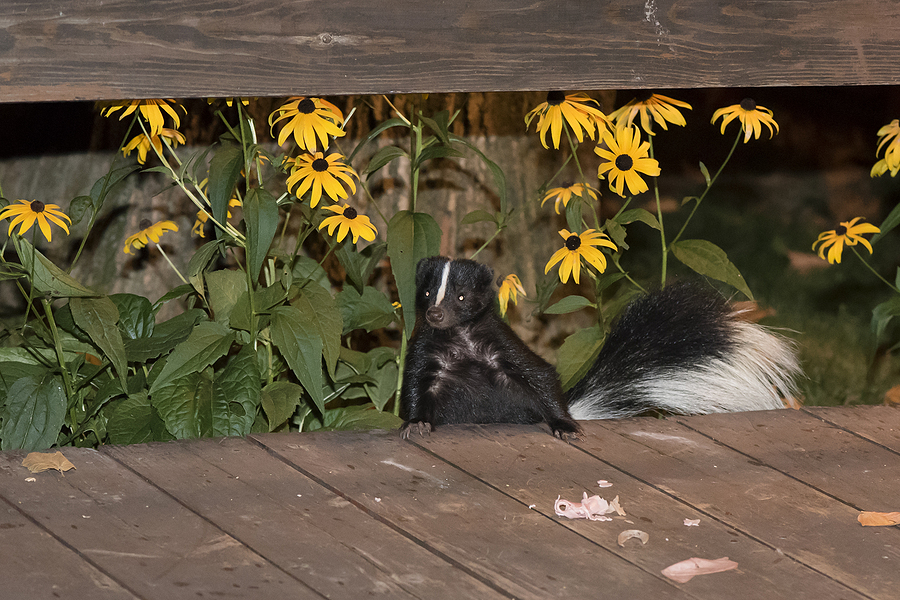
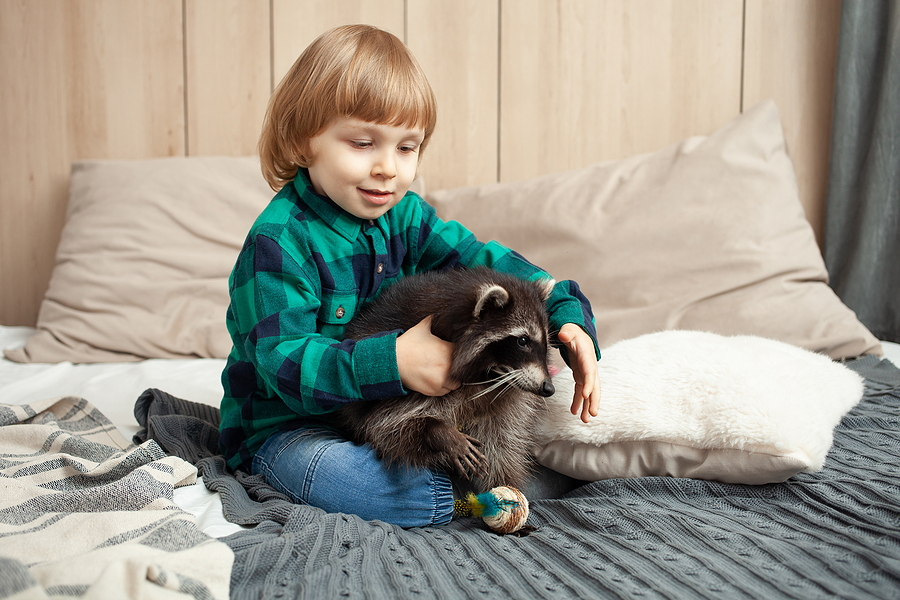
Class II Permits: Necessary for beavers, coyotes, gray foxes, red foxes, mink, muskrats, opossums, raccoons, skunks, and weasels.

Class III Permits: Necessary for wolves (must be purebred), venomous snakes, wild cats (excluding feral ones), and crocodiles at least 5 feet long.

Prohibited Species 

Certain animals are strictly off-limits for domestication, including but not limited to:

  • Wild dogs
  • Jackals
  • Big cats (e.g., lions, tigers)
  • Crocodiles/alligators 
  • Threatened and endangered species
  • Giraffes
  • Tree Sloths
  • Camels
  • Marmosets
  • Wild horses
  • Zebras 

Permitting Process 

To domesticate a legal exotic animal, you need to complete an application process with the DNR. The department may inspect your property to ensure it provides appropriate facilities and care for the animal. 

Ethical and Safety Considerations 

Aside from legalities, it’s essential to consider the ethical and safety implications of keeping wild animals in domestic settings. The welfare of the animal and the safety of those living near it should be top priorities. 

Indiana’s Fishing Guidelines

In addition to wildlife laws, the DNR enforces regulations for fishing in Indiana’s lakes and rivers. These guidelines help ensure sustainable use of natural resources while protecting aquatic ecosystems.

Fishing Licenses

Anyone over the age of 17 must obtain a valid fishing license before participating in recreational fishing activities. Licenses can be purchased online or at designated retailers.

Special Regulations

Certain bodies of water have specific regulations, such as size and creel limits for certain fish species. It’s important to research and adhere to these rules to avoid penalties.

Consequences of Violating Wildlife Laws 

Violating Indiana’s wildlife laws can have serious legal and ethical consequences. 

Legal Penalties 

  • Fines: Individuals caught violating wildlife regulations may face fines ranging from $50 to thousands of dollars, depending on the severity of the infraction. 
  • License Revocation: Repeat offenders may lose hunting, trapping, or wildlife control privileges. 
  • Criminal Charges: Certain violations may result in misdemeanor or felony charges. 

Ethical Implications 

Ignoring wildlife laws not only harms animal populations but also disrupts ecosystems. Responsible and lawful practices go a long way toward maintaining the balance of nature. 

Conclusion

Understanding and adhering to Indiana’s wildlife laws isn’t just about avoiding penalties—it’s about contributing to the preservation of the state’s natural wonders. Whether you’re managing wildlife on your property or considering adding an exotic pet to your home, compliance and ethical behavior ensure these animals continue to thrive in their habitats. 

Looking for guidance? If you’re unsure how to handle a wildlife issue or need help interpreting the rules, it’s always best to consult professionals. Licensed wildlife control operators and the Indiana DNR are excellent resources for guidance.

If you’re uncertain about managing a wildlife issue or need clarification on the rules, consulting professionals is always the best approach. Contact Budget Animal Removal at 317-875-3099 for DNR licensed and insured wildlife removal and control in Indianapolis, Indiana and surrounding counties. Request a free estimate or advice, today!

Related Posts:

Protect Your Indiana Home: Recognizing and Dealing with Nuisance Wildlife
Humane and Safe Animal Proofing for Mid-Western Homeowners
Non-Toxic Repellent Recipe for Nuisance Wildlife


Keep Wildlife Out of Your Garden with Companion Planting 

Mid-west homeowners know the joy of tending to a lush, thriving garden—but nothing spoils your hard work faster than nuisance wildlife. From rabbits devouring your lettuce to deer turning your flower beds into a buffet, keeping your plants safe can feel like an uphill battle. While chemical repellents and barriers are common, many gardeners are turning to a more natural solution—companion planting.

By planting specific crops, flowers, or herbs together, you can deter unwanted visitors while fostering healthy plant growth. This blog will explore how you can protect your flowerbeds and gardens using companion planting with Eco-friendly, natural methods.

Call 317-875-3099 for Licensed and Insured Indianapolis Wildlife Control and Animal-Proofing Service

What is Companion Planting? 

Companion planting is the strategic pairing of plants to support mutual growth and protection. Whether it’s one plant repelling pests or another providing shade for sensitive neighbors, companion plants create a thriving symbiotic relationship. But what really makes this technique shine is its Eco-friendly approach. Companion planting reduces the need for harmful chemical pesticides and helps maintain a balanced ecosystem. 

Here’s how it works when used as a wildlife control measure:

  • Wildlife Repellent: Some plants release natural scents or oils that deter animals. For example, marigolds are loved by gardeners because their pungent smell keeps many pests at bay. 
  • Camouflage: Certain species can hide or protect more vulnerable plants. Tall, hardy sunflowers, for instance, can obscure leafy greens from deer. 
  • Diversion: Instead of fighting wildlife, you can redirect them with plants they prefer—leaving your prized vegetables untouched. 

Companion planting also has wider benefits, like reducing soil erosion, attracting beneficial pollinators, and improving yields—all reasons to get started. 

Common Wildlife Challenges in Gardens 

Before we get into what to plant, it’s essential to understand the most common troublemakers in flowerbeds and gardens. Each pest has different preferences, so targeting the right plants is key to success.

Typical Nuisance Wildlife in the Mid-West:

  • Deer: Known for munching on soft-leafy greens, flowers, and fruits. 
  • Rabbits: Fond of young shoots and vegetables, especially lettuce and beans. 
  • Raccoons: Often raid corn crops and gardens with ripe fruits like melons. 
  • Groundhogs: Love leafy greens like cabbage and zucchini. 
  • Squirrels: While known for digging up bulbs, they also nibble on fruits and cucumbers
  • Chipmunks: Prefer seeds and small garden plants. 

Understanding the wildlife in your area will help you choose the right companion plants and strategies to safeguard your garden. 

Best Companion Plants for Repelling Wildlife 

Not sure where to start? Here’s a guide to plants known for their pest-repelling properties that will help shield your Mid-west garden. 

Marigolds 

  • What They Repel: Rabbits, squirrels, and deer 
  • Why They Work: Marigolds emit a strong scent that many nuisance animals find unpleasant. 
  • Planting Tips: Thrives in full sun. Plant them around flower beds or vegetable patches to create a natural barrier. 

Garlic 

  • What It Repels: Deer, rabbits, and raccoons 
  • Why It Works: Garlic’s pungent aroma is a natural deterrent for herbivores. 
  • Planting Tips: Easy to grow; place between rows of vegetables for added protection. 

Lavender 

  • What It Repels: Deer and rabbits 
  • Why It Works: The soothing smell we love is overwhelming to wildlife. 
  • Planting Tips: Prefers full sun and well-drained soil. Use as decorative hedging near vulnerable crops. 

Mint 

  • What It Repels: Raccoons and rodents 
  • Why It Works: Animals dislike mint’s sharp, fresh scent. 
  • Planting Tips: Mint is invasive, so plant in containers near garden borders. 

Sunflowers 

  • What They Repel: Noisy wildlife deterrent due to height and concealment benefits. 
  • Why They Work: Acts as a visual barrier to hide vulnerable garden spots from deer and rabbits. 
  • Planting Tips: Grow in clusters for full coverage; requires good sunlight. 

Nasturtiums 

  • What They Repel: Aphids, squash bugs, and some wildlife 
  • Why They Work: Nasturtiums are both a deterrent and attract beneficial insects to fight against larger garden pests. 
  • Planting Tips: Perfect for hanging baskets or as ground cover around vegetable gardens. 

Onions 

  • What They Repel: Rabbits, squirrels, and chipmunks 
  • Why They Work: The sulfur compounds in plants like onions make your garden less appetizing. 
  • Planting Tips: Use onions to line vegetable patches or mix into other crops. 

How to Plan Your Companion Planting Garden 

To make the most of companion planting, you’ll need a thoughtful approach. Here’s a step-by-step guide to get started:

1. Survey Your Problem Areas 

Take note of wildlife activity in your garden. Which plants or spots are most at risk? Understanding the trouble zones will help you strategize your planting layout.

2. Choose the Right Plants 

Pick companion plants based on the nuisances you’re facing. If rabbits are plaguing your vegetable garden, line the area with marigolds or garlic. For squirrel-heavy spaces, a mint border works wonders.

3. Layer Your Plants 

Mix tall, hardy plants like sunflowers with low-spreading options like nasturtiums to create a diverse landscape. This not only confuses wildlife but also makes your garden visually dynamic.

4. Rotate Your Crops 

Keep your garden unpredictable. Some animals are smart enough to remember where they found food last season. Rotating your crops and companion plants to new areas keeps pests guessing.

5. Add Mulch and Barriers 

Complement your companion plants with good mulching practices. This helps with plant health and reduces scent trails that lead wildlife to your garden. 

In Summary

Companion planting is a practical, Eco-friendly solution for managing wildlife in your gardens and mulch beds while promoting a thriving ecosystem. By carefully selecting pest-repelling plants like marigolds, garlic, and mint, you can protect your crops and flowers without resorting to harmful chemicals. This approach not only deters unwanted visitors but also invites beneficial pollinators and improves the overall health and yield of your garden.

With thoughtful planning, layering, and crop rotation, you can create a harmonious space that balances nature’s challenges with its rewards. Whether you’re a seasoned gardener or just starting, companion planting offers a sustainable way to cultivate a lush, wildlife-resistant garden. Start integrating these strategies today, and enjoy the benefits of a flourishing, protected outdoor sanctuary!

Are your pest problems getting out of hand? Even with the best companion planting strategies, your garden might need an extra layer of defense. Contact Budget Animal Removal at 317-875-3099 to learn about our professional, humane wildlife control services in Indianapolis, Indiana. Together, we can keep your garden beautiful, pest-free, and inviting.

Related Posts:

3 Animal Repellents That Will Get Rid of Bats
Non-Toxic Repellent Recipe for Nuisance Wildlife
Chipmunk Facts That Will Help You Protect Your Home and Garden

National Squirrel Appreciation Day: What You Should Know About These Critters

Today is National Squirrel Appreciation Day!

Every year on January 21, nature lovers across the United States celebrate National Squirrel Appreciation Day. Organized in 2001 by wildlife rehabilitator Christy Hargrove, this day serves as a gentle reminder of how vital squirrels are to our ecosystems and how we can coexist with them peacefully. Whether you’re a fan of observing their acrobatics or simply want to support your local wildlife, there’s so much to discover about these furry critters. 

This post dives into why squirrels matter, the fascinating facts about them, and how to make the most of National Squirrel Appreciation Day—all while emphasizing safe and humane ways to deal with nuisance squirrels. 

Call 615-337-9165 for Professional Wildlife Control Services in Nashville Tennessee
National Squirrel Appreciation Day 2025

The Importance of Squirrels Among Earth’s Ecosystems 

Though they might seem like everyday backyard visitors, squirrels play an essential role in maintaining healthy ecosystems. One of their most notable contributions is their role as accidental tree planters. When squirrels bury nuts and seeds to save for later, they often forget about some of their stashes. These forgotten seeds germinate into trees, helping forests regenerate naturally. 

Other ecological contributions include:

  • Dispersing seeds and spreading biodiversity. 
  • Acting as prey for predators like owls, hawks, and foxes, helping maintain balance in the food chain. 
  • Aerating soil as they dig holes for burying and retrieving nuts. 

Without squirrels, the balance in many ecosystems would suffer. 

Squirrel Species Found in Tennessee 

If you’re in Tennessee, you’re lucky enough to encounter a variety of squirrel species. Each comes with its own unique features and quirks. Here are four species you’re likely to find in the Volunteer State: 

1. Eastern Gray Squirrels 

The most commonly spotted species in Tennessee, Eastern Gray Squirrels, are known for their agility and playful nature. They’re excellent climbers and are a delight to watch during their daily scurrying. 

2. Fox Squirrels 

Larger than Eastern Grays, Fox Squirrels are often reddish-brown and favor open woodlands over urban parks. 

3. Southern Flying Squirrels 

Not often seen due to their nocturnal habits, these tiny, wide-eyed squirrels glide from tree to tree using a membrane between their limbs. 

4. Red Squirrels 

Known for their territorial behavior, these squirrels have a striking reddish coat and are slightly smaller than their gray and fox counterparts. 

Now that you know who’s hiding in your trees, it’s time to look at some fascinating tidbits about them. 

Interesting Facts About Squirrels 

  • Squirrels have exceptional memory, which helps them retrieve buried food. 
  • Their teeth never stop growing, so they chew on hard objects like tree bark to keep their incisors in shape. 
  • Flying squirrels don’t actually fly—they glide using a cartilage-supported membrane called a patagium
  • A group of squirrels is called a scurry
  • Squirrels can leap up to 10 times their body length in a single bound! 

Fascinated yet? There’s even more to appreciate, especially on National Squirrel Appreciation Day. 

How to Celebrate National Squirrel Appreciation Day 

Looking to make January 21 special? Here are some fun and thoughtful ways to celebrate the day and support your local squirrel population. 

  • Set Up Squirrel Feeders: Fill feeders with healthy squirrel snacks like unsalted nuts, chopped apples, and sunflower seeds. 
  • Start a Squirrel Watching Guide: Grab a notebook and document the behaviors, species, and feeding habits of the squirrels in your area. 
  • Plant Trees: Help squirrels—and the planet—by planting native trees that provide shelter and food. 
  • Visit a Nature Reserve: Spend the day observing squirrels in their natural habitats. 

Squirrel Watching and Feeding: A Beginner’s Guide 

Squirrel feeding and watching can bring you closer to these tiny creatures, but here are some tips to ensure it’s beneficial for you and them. 

Feeding Tips 

  • Choose Nutritious Foods: Stick to squirrel-healthy options like acorns, pecans, or pumpkin seeds. Avoid processed foods like bread or salted nuts. 
  • Don’t Overfeed: Balance is key to avoid disrupting their natural foraging habits. 

Watching Tips 

Find a cozy spot in your backyard or a nearby park with plenty of squirrel activity. With a little patience, you can observe fascinating behaviors like burying nuts or chasing each other. 

Safe and Humane Squirrel Control Efforts 

Love them or not, squirrels sometimes become uninvited guests in attics or gardens. If you’re dealing with nuisance squirrels, it’s essential to handle the situation humanely. 

  • Seal Entry Points: Inspect your home to ensure there are no gaps or holes where squirrels can sneak in. 
  • Use Squirrel Repellents: Natural deterrents like cayenne pepper can keep them out of gardens without harm. 
  • Install Squirrel-Proof Bird Feeders: Invest in bird feeders that prevent squirrels from snatching birdseed. 
  • Trust the Pros: Call a licensed and insured wildlife control professional for persistent issues to handle the situation ethically. 

Remember, there are ways to coexist with these critters without causing harm. 

Final Thoughts

National Squirrel Appreciation Day isn’t just about celebrating these nutty animals; it’s about fostering appreciation for nature and supporting the ecosystems we share with wildlife. By taking steps like setting up squirrel feeders, engaging in humane squirrel control, or even planting a tree, you’re contributing to a healthier and more harmonious planet. 

Want to do more? Consider joining a local wildlife association or supporting conservation efforts in your community. Even small actions make a big difference. 

Are you dealing with some nuisance squirrels around your Tennessee property? Contact Budget Animal Removal at 615-337-9165 for TWRA licensed and insured Nashville, Tennessee animal removal for squirrels, chipmunks, and more. We serve commercial clients too.

Related Posts:

Say Goodbye to Those Agile Critters with These Effective Squirrel Control Tips
Winning the War Against Garden Squirrels: Proven Tactics
Common Household Ingredients That Will Repel Nuisance Wildlife

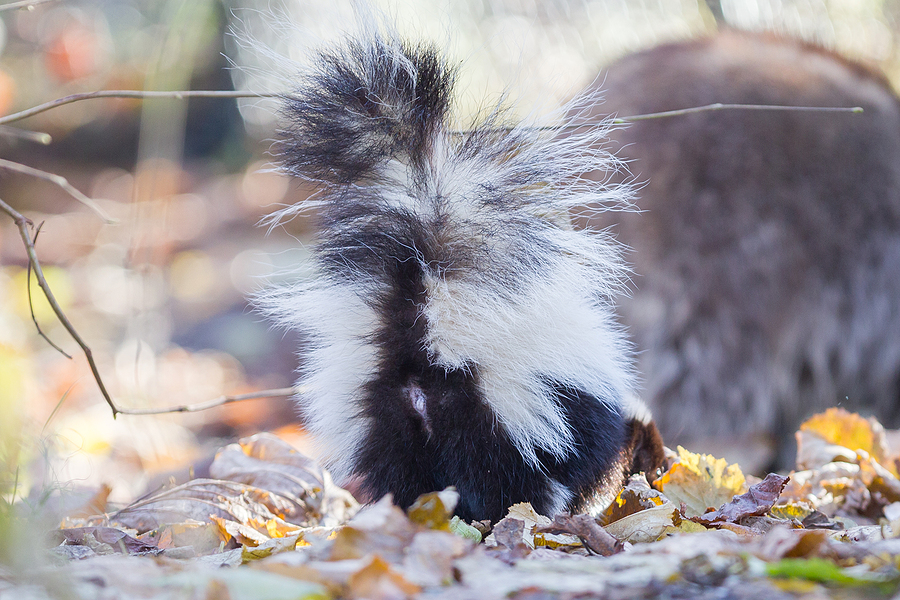
Defeating the Stink: Ultimate Skunk Odor Removal Tips

Accidents happen, and if your furry companion or you have had an unfortunate run-in with a skunk, you’re probably wondering how to rid yourself of that infamously pungent odor. Skunk spray removal can feel overwhelming, not only because of the stink but also because the spray itself is notoriously stubborn to eliminate.

Whether you’re a pet owner, wildlife control seeker, or just someone caught off guard by a skunk, this step-by-step guide will walk you through understanding, addressing, and preventing skunk spray issues. By the end, you’ll not only know how to combat the odor but also how to keep future encounters at bay.

Call 317-875-3099 for Professional Skunk Control Services in Indianapolis Indiana

Understanding Skunk Spray and Odor

What is Skunk Spray? 

Skunk spray is a sulfur-based compound made of thiols and thioacetates, chemicals famous for their strong, lingering odor. Thiols are immediately noticeable, while thioacetates become more potent over time, ensuring that the smell intensifies when exposed to water or moisture. This chemical makeup is why the stench is so persistent and challenging to fully eliminate without proper treatment. 

Why is it so Difficult to Remove? 

The molecules in skunk spray are hydrophobic, meaning they don’t mix well with water. Simply washing off skunk spray with soap and water won’t work. Instead, it requires breaking down the thiols using specific chemical reactions, which we’ll discuss in the remedies section.

Immediate Steps to Take After Being Sprayed by a Skunk

If Your Pet is Sprayed 

Time is crucial. The longer the spray sits, the harder it is to remove. Follow these steps right away:

  1. Keep Them Outside: Prevent the odor from spreading indoors by keeping your pet outside. 
  2. Wear Gloves: Skunk spray can transfer to your skin, so protect yourself. 
  3. Check Their Eyes: Skunk spray can irritate pets’ eyes. If they appear red or watery, rinse them gently with clean water or saline solution. 
  4. Prepare a Solution: Make a skunk odor removal concoction (details below) to neutralize the spray before bathing your pet. 

If You Are Sprayed 

  1. Step outdoors immediately remove affected clothing and keep it outside to prevent spreading the smell. 
  2. Flush your eyes if necessary, similar to how you would for pets. 
  3. Start the cleaning process quickly with effective remedies to neutralize odor. 

Why Acting Quickly Matters 

Skunk spray adheres to fur, fabric, and skin quickly, and without immediate action, the odor will only worsen. By reacting promptly, you can limit its spread and improve your chances of completely removing the smell.

Home Remedies and Store-Bought Products for Skunk Odor Removal

Effective Home Remedies 

The following solutions are widely recommended for their effectiveness against skunk spray odor:

1. Baking Soda & Hydrogen Peroxide Solution 

Ingredients:
  • 4 cups of hydrogen peroxide (3%)
  • 1/4 cup of baking soda
  • 1 teaspoon of liquid dish soap 
Instructions:

Mix the ingredients in an open container and apply immediately to the affected areas (avoid the eyes). Leave it on for 5–10 minutes, then rinse thoroughly with water. Avoid storing this mixture as it can produce gas and potentially explode.

  • Pros: Fast-acting and inexpensive. 
  • Cons: Can dry out fur and skin if left on too long.

2. White Vinegar Solution 

Mix equal parts of white vinegar and water, then apply to the affected area. Rinse well. 

  • Pros: Safe for pets’ skin. 
  • Cons: Less effective on extreme odors.

3. Tomato Juice Myth 

While some believe tomato juice masks odors, it doesn’t break down the thiols. Use it as a last resort to minimize odor temporarily.

Commercial Skunk Odor Removal Products 

Several products are specifically designed for skunk odor removal. Some of the best include:

1. Nature’s Miracle Skunk Odor Remover 

  • Pros: Pet-safe, enzymatic formula designed for breaking down skunk spray. 
  • Cons: Higher cost.

2. Skunk-Off® 

Highly rated for effectiveness on both pets and clothing. 

  • Pros: Quick and easy application. 
  • Cons: May require multiple applications for severe sprays.

3. Thornell Skunk Odor Eliminator 

A professional-grade product often used by veterinarians. 

  • Pros: Strong formula designed for stubborn odors. 
  • Cons: Can be harsh on certain fabrics. 

Choosing the Right Remedy 

For immediate DIY solutions, the baking soda and hydrogen peroxide mixture is the most reliable. However, for pets with sensitive skin or fur, consider commercial products specially formulated for animal safety.

Professional Skunk Control and Removal Services

When Should You Call a Professional? 

If skunks frequently visit your property, it might be time to contact a professional skunk removal service. Experts not only remove skunks humanely but also identify entry points and risky areas that need fortification. 

Benefits of Professional Services 

  • Safe and Humane Practices: Many reputable services use live traps to relocate skunks without harming them. 
  • Long-Term Solutions: Professionals can introduce deterrence strategies to reduce future encounters. 

Finding a Reputable Service 

  • Look for providers specializing in wildlife control or skunk control and check their reviews. 
  • Ensure they follow humane practices in compliance with local regulations.

Preventing Future Encounters 

Tips to Skunk-Proof Your Property 

  • Eliminate Food Sources: Secure garbage bins and remove outdoor pet food. 
  • Seal Holes and Entry Points: Skunks often shelter under decks or sheds. Use metal mesh to block access points. 
  • Use Skunk Deterrents: Sprinkle natural deterrents (like cayenne pepper or citrus peels) around your yard. Commercial skunk repellents are also effective for larger areas. 
  • Install Motion-Activated Lights: Skunks are nocturnal and avoid well-lit areas. 

Building Awareness 

Educating your family and neighbors on spotting early signs of skunks can go a long way in preventing problems. So be sure to spread the word!

In Summary

Dealing with skunk spray may seem daunting, but understanding the science behind it and acting quickly can make all the difference. Whether it’s your pet, yourself, or your property that’s been affected, the right steps and products can help you rid yourself of the smell and prevent future encounters.

At the same time, if skunks are a recurring issue, don’t hesitate to call in professional wildlife control services for long-term solutions. The goal is not just to eliminate the smell but also to create a safer and cleaner environment for you, your pets, and your neighbors.

Got a skunk-related question or need expert help? Reach out to a local skunk removal service today! Contact Budget Animal Removal at 317-875-3099 for DNR licensed and insured skunk removal and control in Indianapolis and its surrounding counties. Request a free estimate or advice, today!

Related Posts:

Trashcan Tactics: Preventing Raccoons, Skunks, and More from Raiding Your Bins
Smell No More: Your Comprehensive Guide to Skunk Removal
Are Skunks Dangerous?

Humane and Safe Animal Proofing for Mid-Western Homeowners 

Mid-Western homes are no strangers to unexpected furry, feathery, or scaly visitors. From raccoons rummaging through garbage bins to mice scurrying in attics, animal intrusions are a common challenge for homeowners in this region. While the presence of wildlife can be a charming aspect of living in the Midwest, it can quickly become problematic when animals make themselves comfortable in your living spaces. 

This post explores safe, humane, and effective animal-proofing strategies for Mid-Western homeowners. By understanding why animals enter homes and learning approachable solutions, you’ll protect your property while respecting local wildlife. 

Call 317-875-3099 for Professional Indianapolis Wildlife Control Service

The Problem With Nuisance Animals

Common Nuisance Wildlife in the Midwest 

The Midwest is home to a vibrant variety of wildlife, but some species can become unwelcome house guests. Common culprits include raccoons, squirrels, bats, skunks, and even birds like pigeons or sparrows. These animals often seek shelter, food, or water, and your home might offer an irresistible invitation. 

Key entry points include:

  • Roof gaps, attic vents, and chimneys. 
  • Cracks in foundations or walls. 
  • Doors, windows, and garage openings improperly sealed. 
  • Crawl spaces and vents. 

Why Animal Intrusions Are Problematic 

Animal intrusions aren’t just inconvenient; they come with real risks:

  • Property Damage: Squirrels, rodents, and raccoons can chew through wires, insulation, or wooden beams, leading to costly repairs. 
  • Health Hazards: Animals can carry diseases, like Rabies, salmonella, or histoplasmosis. They can also introduce pests like ticks, lice, and fleas. 
  • Unintended Consequences: If trapped inside, some animals may create strong odors or cause further damage while trying to escape. 

Understanding the risks is the first step toward mitigating them effectively and compassionately. 

Safe and Humane Animal-Proofing Strategies 

When it comes to animal proofing, preventing an issue is always easier than managing an active infestation. Below are proven approaches to protect your home while keeping local wildlife in mind. 

▷ PHYSICAL BARRIERs: 

Physical barriers are among the most effective defenses against animal intrusion. These solutions ensure that even determined critters can’t access your home. 

Seal Entry Points 

Inspect your home for gaps or holes where animals (even the smallest, like mice) could enter. Use caulk, durable wire mesh, or hardware cloth to seal them. Don’t forget attic vents, exhaust vents, and chimney caps; these hotspots are especially irresistible to raccoons and birds. 

Protective Screens and Barriers 

Install mesh screens over vents, chimneys, and drains. This adds an extra layer of security while allowing airflow. Well-placed fencing can also create a boundary that larger animals, like deer or skunks, cannot easily cross. 

Secure Trash and Compost Areas 

Consider animal-proof garbage bins if raccoons or others are tampering with your waste. Compost piles should also be covered securely. 

▷ ENVIRONMENTAL MODIFICATIONS: 

Wildlife tends to gravitate toward homes because of food, water, or shelter. You can make subtle changes to your yard to make it less inviting. 

Eliminate Attractants 

Ensure pet food, bird seeds, and garden produce are stored in sealed containers. Regularly clean grills and food prep areas to avoid leaving behind scented temptations. 

Yard Maintenance 

Trim tree branches at least 10 feet away from your roof to deter squirrels and raccoons. Remove leaf piles, tall grass, or wood stacks that can create hiding spots for smaller critters. 

Water Control 

Standing water in your yard attracts thirsty wildlife, from deer to mosquitoes. Fix leaks, ensure proper drainage, and cover any open containers, like rain barrels. 

▷ SAFE REPELLENTS AND DETERRENTS: 

Repellents provide an additional safeguard for keeping wildlife at bay. Opt for humane, non-harmful methods to coexist peacefully with the animals in your area. 

Natural Repellents 

Plants like peppermint, lavender, cucumbers, or marigolds can deter certain species, like mice or deer, without the use of chemicals. Spread strong-smelling substances (like vinegar-soaked cotton balls) in areas animals frequent. 

Motion-Activated Deterrents 

Water sprays, lights, or sound systems activate when an animal approaches, scaring them off without causing harm. 

Ultrasonic Devices 

Ultrasound emitters are designed to keep pests, especially rodents, away from your property. Ensure these devices are appropriate and non-disruptive for wildlife in your area. 

▷ PROFESSIONAL ANIMAL-PROOFING SERVICES: 

If the problem becomes too complex or invasive, never hesitate to call in wildlife professionals. Certified wildlife control experts specialize in humane removal and can also offer customized recommendations for long-term prevention, such as structural changes or advanced barrier systems. While hiring professionals may be costlier than DIY methods upfront, their services can save you time, stress, and money in the long term. 

The Importance of Regular Maintenance 

Once you’ve taken steps to animal-proof your home, consistent maintenance is key to preventing future problems. Here are tips to ensure your efforts stay effective over time. 

  • Schedule Seasonal Inspections – Inspect your home for any new entry points or signs of animal tampering, especially after winter storms when critters are seeking warmth. 
  • Reinforce Repairs – Over time, materials like caulk or mesh may weaken. Check periodically to ensure your barriers remain strong and intact. 
  • Monitor Landscaping – Regularly trim foliage, maintain fencing, and clean up debris to stay one step ahead of adaptable wildlife. 
  • Store Food Properly – Reinforce habits like keeping trash covered, sealing pet food, and cleaning up food or drink spills outdoors. 

Implementing these regular checkups ensures the longevity of your prevention strategies. 

In Summary

Mid-Western homeowners face unique challenges when it comes to living alongside local wildlife. But with careful planning and the right strategies, you can protect your home without compromising the well-being of the animals around you. Whether it’s sealing entry points, using safe repellents, or calling in expert help, proactive animal-proofing measures create a healthier, safer environment for everyone involved. 

Looking for further guidance? A professional wildlife control company can make all the difference. Schedule a consultation today to create a personalized plan for all your animal-proofing needs—and enjoy the peace of mind that comes with knowing your home is secure and humane. 

Are animals like squirrels, skunks, birds, and raccoons becoming a nuisance around your residential or commercial property? Contact Budget Animal Removal at 317-875-3099 for DNR licensed and insured wildlife control services in Indianapolis and its surrounding counties. We guarantee to fit your budget for safe wildlife control. Request a free estimate or advice, today!

Related Posts:

Reasons Why You Should Hire a Professional for Animal Removal Services
Is it Safe to Feed the Animals Around My House?
Why are There So Many Birds on My Lawn?

Safeguarding Your Sanctuary: A Guide to Animal-Proofing Your Home 

Your home is your sanctuary—a place of comfort, safety, and peace. But when nuisance wildlife like raccoons, squirrels, skunks, and birds invade, your serene haven can quickly turn into a source of stress and damage. These uninvited guests don’t just disrupt your space; they can also bring health risks, cause structural harm, and rack up expensive repairs. 

If you’re a homeowner trying to protect your home from wildlife infestations, you’re in the right place. This guide will walk you through everything you need to know about wildlife-proofing your home, helping you maintain a safe and stress-free environment. 

Call 317-875-3099 for  Animal Proofing Services in Nashville Tennessee
Call 317-875-3099 for Animal Proofing Services in Nashville Tennessee

What is Nuisance Wildlife, and Why Should You Care? 

Nuisance wildlife refers to animals that trespass into residential areas, causing trouble for homeowners. Unlike domestic animals or harmless garden critters, nuisance wildlife can wreak havoc by damaging property, posing health hazards, and disrupting your daily life. 

Whether it’s squirrels in your attic, raccoons rummaging through your garbage, or birds nesting in your chimney, animal-proofing your home is an essential step to keep these problems at bay. 

Why Should Homeowners Act? 

Ignoring signs of wildlife presence can lead to major issues like chewed wiring, contaminated insulation, and even disease transmission. The good news? With preventative measures, you can protect your home while coexisting ethically with local wildlife. 

Identifying Nuisance Wildlife 

Before you begin wildlife-proofing, it’s crucial to know which species you’re dealing with. Some critters are notorious repeat offenders when it comes to sneaking into homes. 

Common Invaders 

Here are the usual culprits to watch for:

  • Squirrels/Chipmunks: Known for chewing through roofs and wiring, these agile creatures often target attics for nesting. 
  • Raccoons: Highly intelligent and dexterous, raccoons are experts at opening trash bins and invading crawl spaces. 
  • Skunks: Typically found in yards, skunks dig under porches and cause unpleasant odor problems. 
  • Nuisance Birds (e.g., pigeons, starlings): Birds often nest in vents, chimneys, or gutters, leading to blockages and messes.   

Signs of Wildlife Presence 

Look out for these telltale signs:

  • Unusual Noises: Scratching, chirping, or scurrying, especially in walls or ceilings. 
  • Droppings: Feces from animals like raccoons or squirrels near entry points. 
  • Damaged Exterior: Chewed wood, torn screens, or holes in your roof or vents. 
  • Tracks or Debris: Muddy prints, nests, food scraps, or garbage strewn around your yard. 

If you spot these signs, it’s time to take action. 

Assessing Vulnerabilities in Your Home 

Nuisance wildlife often enters homes through small vulnerabilities in the structure. A thorough inspection can help you identify and address these weak spots. 

Entry Points Wildlife Exploit 

Animals are resourceful and can squeeze through surprisingly tiny gaps. Common entry points include:

  • Attic Vents and Chimneys 
  • Gaps in Roofing or Eave-Soffit Connections 
  • Broken Screens on Windows and Doors 
  • Cracks in Foundations or Crawl Spaces 

By identifying these entry points, you can close up the gaps to keep creatures out. 

Exterior Weaknesses 

Inspect for:

  • Unsecured trash bins 
  • Overgrown trees and shrubs near your home 
  • Missing or damaged siding and loose shingles 

Knowing the vulnerabilities of your property will guide your animal-proofing efforts. 

Practical Animal-Proofing Techniques 

Once you’ve assessed your home’s vulnerabilities, it’s time to take steps to secure your property. 

1. Seal Entry Points 

  • Use steel mesh to cover attic vents and chimneys. 
  • Apply caulking or foam sealant to small cracks and gaps. 
  • Install sturdy door sweeps for gaps under doors. 
  • Repair any broken windows or screens. 

2. Install Deterrents and Barriers 

  • Use motion-activated lights or sprinklers to scare away skunks and raccoons. 
  • Cover trash bins with animal-proof lids. 
  • Install spike strips or bird netting to deter nuisance birds from perching on your roof or gutters. 

3. Landscaping Tips to Deter Wildlife 

Your yard plays a significant role in attracting or repelling wildlife. Here’s how to use landscaping to your advantage:

  • Trim tree branches so they don’t touch or overhang your roof. 
  • Remove food sources by covering compost piles and collecting fallen fruits. 
  • Consider planting wildlife-repellent plants like cucumbers, lavender, or marigolds. 

These measures will help create a less inviting environment for intrusive critters. 

The Importance of Humane Removal 

While prevention is key, ethically managing animals that have already entered your home is equally important. 

Ethical Considerations 

Trapping and relocating animals may seem like the quickest solution, but it can be harmful to the critters and disrupt their ecosystems. Wildlife-proofing should always emphasize humane methods that protect both your home and the animals. 

Professional Wildlife Removal Services 

For infestations that are too challenging to handle yourself, hiring experienced wildlife control professionals is the best option. They can safely and humanely remove animals without causing harm, ensuring you comply with local regulations. 

How to Keep Your Home Wildlife-Proof 

Wildlife-proofing is not a one-and-done task—it requires ongoing attention. 

Regular Inspections and Maintenance 

  • Check your home’s perimeter every few months for new vulnerabilities. 
  • Keep vents, chimneys, and other vulnerable spots sealed. 
  • Ensure your landscaping stays tidy and free of inviting food sources. 

What to Do if Wildlife Returns 

Even the best-laid plans can lead to occasional encounters. Should nuisance wildlife return:

  • Call a professional wildlife control service for advice or assistance. 
  • Revisit your exterior inspection to patch up any new entry points. 
  • Consider upgrading deterrents or barriers if needed. 

Conclusion

Nuisance wildlife doesn’t have to disrupt your sanctuary. By identifying vulnerabilities, taking proactive measures, and prioritizing humane removal, you can protect your home—and rest easy at night. 

If you’re unsure where to start or need expert help, we can help. A safer, wildlife-proof home is within your reach!  Contact Budget Animal Removal at 615-337-9165 for TWRA licensed and insured wildlife removal and control services in Nashville, Tennessee. We also work with commercial properties and provide infestation cleanup and repair.

Related Posts:

How to Protect Your House From Nuisance Wildlife in Tennessee
Common Household Ingredients That Will Repel Nuisance Wildlife
What To Do if You Find a Dead Animal in the Yard

Protect Your Indiana Home: Recognizing and Dealing with Nuisance Wildlife

Wildlife can be a beautiful part of Indiana’s natural landscape. However, when curious critters find their way into your home or property, they can become more than a minor inconvenience—they can pose significant risks to your safety, property, and well-being. It’s essential for homeowners in Indiana to be proactive in recognizing and addressing nuisance wildlife problems before they escalate.

This blog will cover how to spot the signs of nuisance wildlife activity, identify common species that cause issues, understand the associated risks, and learn key tips for prevention and control. Additionally, we’ll touch on local wildlife regulations and when it’s time to seek professional help.

Call 615-337-9165 For Licensed and Insured Nuisance Wildlife Removal in Indianapolis

Signs of Nuisance Wildlife on Your Property

Wild animals rarely make their presence obvious right away. However, certain warning signs can indicate that you may have a wildlife problem to address. Here’s what to look for:

Animal Droppings

One of the most telltale signs is the presence of animal droppings or urine. These may appear in areas such as attics, basements, or even near outdoor sheds. Droppings can help you identify the specific wildlife intruder, though they also carry harmful bacteria or parasites that can pose a health hazard.

Unusual Noises

Hearing scratching, scurrying, or squeaking noises is a common indication of wildlife activity, particularly at night. These sounds are often heard coming from walls, ceilings, or attics and could suggest the presence of animals like mice, squirrels, or bats.

Damage to Property

Keep an eye out for signs of physical damage, such as:

  • Chewed wires or insulation.
  • Holes in siding, soffits, or roofing.
  • Gnawed wood or furniture.
  • Torn trash bags or disturbed outdoor garbage bins.

Nesting Materials

Wildlife often gather materials like twigs, leaves, fabric, or insulation to build nests. If you notice unusual collections of such materials, it may be a sign of an animal’s temporary home.

Tracks or Markings

Footprints, claw marks, or grease stains along walls can indicate where wildlife is entering or traveling through your property. Identifying entry points is key to addressing the problem.

Indiana Wildlife Species to Watch For

Indiana is home to a variety of wildlife, but some species are more prone to causing problems for residents. Here are the top culprits:

Raccoons

Known for their dexterous paws and intelligence, raccoons are notorious for raiding trash cans and squeezing through small holes to access attics or crawl spaces. They can carry diseases such as rabies and roundworm.

Squirrels

Squirrels may look harmless, but these fuzzy-tailed rodents can cause significant damage if they chew through wires, wood, or insulation in attics.

Bats

Bats often roost in dark, hidden areas like attics. While great for natural pest control, their droppings (guano) can lead to harmful conditions such as histoplasmosis—a serious respiratory disease.

Skunks

Skunks are usually more of a nuisance outdoors, digging up lawns or gardens in search of food. However, their infamous spray and risk of rabies make them a concern when they nest near homes.

Mice and Rats

These small rodents are prolific breeders, making infestations grow quickly. They contaminate food sources, gnaw on structures, and can transport fleas and diseases.

Risks and Dangers of Nuisance Wildlife

Having nuisance wildlife on your property isn’t just inconvenient—it can also be dangerous. Here are some of the primary risks associated with a wildlife infestation:

Health Hazards

Many wild animals carry diseases that can be transmitted to humans or pets, such as rabies, salmonella, or hantavirus. Additionally, their droppings and nesting materials can trigger respiratory conditions or allergies.

Structural Damage

Animals like raccoons, squirrels, and rodents chew through wiring, insulation, wood, and drywall, potentially creating fire hazards or compromising your home’s structural integrity.

Contaminated Spaces

Wildlife often leaves behind nests, droppings, or carcasses, making cleanup both hazardous and challenging.

Aggressive Encounters

Cornered or frightened wildlife can act defensively and cause injuries through bites or scratches. It’s crucial never to approach or provoke wild animals.

Nuisance Animal Prevention and Control Measures

Taking steps to prevent wildlife from entering your property is much easier and safer than addressing an infestation. Here are some practical tips for wildlife control in Indiana:

  • Secure Entry Points – Inspect your property for potential entry points such as gaps in rooftops, cracks in foundations, or open vents. Seal these openings with durable materials like metal mesh or caulk.
  • Store Food Properly – Keep outdoor trash bins tightly sealed and store pet food or birdseed in rodent-proof containers. Avoid leaving food scraps outside.
  • Trim Trees and Shrubs – Wildlife like squirrels and raccoons can use overhanging branches to access your roof. Trim trees and shrubs to prevent easy access.
  • Install Barriers – Use physical barriers such as fences, chimney caps, and gutter guards to deter animals from nesting or invading your property.
  • Maintain Clean Spaces – Clear clutter, debris, or leaf piles from your yard, which may serve as nesting sites.
  • Act Quickly – If you spot early warning signs, don’t delay. Tackling a problem early can prevent larger infestations.

Local Regulations and Seeking Professional Help

Wildlife removal in Indiana is governed by specific regulations aimed at protecting both residents and animals. For instance:

  • It’s illegal to harm or relocate certain wildlife species without proper permits.
  • Some species, like bats and Chimney swifts, are federally protected and require special handling.

For these reasons, seeking professional help is often the best course of action. Licensed wildlife removal services provide humane and efficient solutions, from live trapping to infestation cleanup. Experts also have the knowledge to ensure compliance with local and state laws.

Conclusion

Nuisance wildlife can cause headaches, damage, and even pose health risks to residents in Indiana. By understanding the common signs of infestation, knowing which species to watch for, and implementing proactive prevention techniques, you can protect your home and loved ones.

If you suspect a wildlife issue on your property, don’t wait—act now before it worsens. For safe and professional wildlife removal services, reach out to your local expert or contact Indiana’s licensed professionals to get the help you need.

Are you dealing with some herbivorous animals that are tampering with or coming too close to your Indiana property? Contact Budget Animal Removal at 317-875-3099 for professional critter control in Indianapolis and its surrounding counties. We serve residential and commercial customers, plus offer insurance claim work for animal damage restoration.

Related Posts:

Is it Safe to Feed the Animals Around My House?
Types of Wildlife That Will Destroy Your Roof
Non-Toxic Repellent Recipe for Nuisance Wildlife
Nightly Visitors: Common Nocturnal Wildlife in Indiana

Indiana’s nights come alive with the soft rustling of leaves, the whispering of wings, and the quiet steps of creatures that thrive under the moonlight. While the majority of us rest, a unique world of nocturnal animals in Indiana buzzes with life. These creatures, from bats to raccoons, play a vital role in maintaining our ecosystem’s balance.

This post takes wildlife enthusiasts, nature lovers, and educators on a nocturnal adventure, exploring the harsh world these animals flourish within. Prepare to learn about their habits, adaptations, and importance within Indiana’s ecosystems.

Call 317-875-3099 for Licensed and Insured Wildlife Management Services in Indianapolis Indiana

Understanding Nocturnal Animals in Indiana

Nocturnal wildlife refers to animals that are most active during the night. But what draws these creatures to the moonlit hours? For many, it’s about survival. The protection darkness offers from predators, combined with cooler temperatures and quieter environments, provides certain advantages.

Indiana’s ecosystem is rich in nocturnal life, offering a unique blend of species that add to its natural allure. From arboreal opossums to the elusive bobcats prowling the forest floors, these animals not only enliven our night landscapes but serve essential functions that ensure ecosystem productivity and health.

The world of nocturnal animals is teeming with secrets. For one, they often have keener senses to capitalize on their environment. Adaptations like enhanced night vision, acute hearing, and amplified smell play a crucial role in how they interact with their surroundings and find food. This tactical dominance renders them invaluable players in the food chain and ecosystem management.

Common Nocturnal Wildlife in Indiana

Indiana is home to a fascinating variety of nocturnal wildlife, the most ubiquitous of which include opossums, raccoons, skunks, bats, and even coyotes.

Opossums

Opossums—these marsupials owe their notoriety to their ability to “play dead” when threatened. However, their nocturnal activity allows them to avoid predators during high alert night hours. Scavenging across Indiana, opossums help keep environments clean by feasting on carcasses and other organic matter. Yet, they are more than mere cleanup crews.

Opossums are uniquely adapted to urban landscapes. They thrive around human neighborhoods, rooting through garbage and foraging for food, showcasing their remarkable ability to adapt to various settings.

Raccoons

Raccoons are nocturnal opportunists gifted with dexterous paws and high intelligence. While they often raid trash cans, these masked bandits play vital roles in pest control and seed dispersal, showcasing the multi-beneficial roles they serve in ecosystems.

With their notorious curiosity and problem-solving acumen, raccoons have learned to bypass obstacles created by humans, prompting solutions for harmonious coexistence without harming them.

Bats

Bats, with their silent wings and echolocation prowess, are magical creatures of the night sky. Bat colonies, such as those seen in caves and old buildings, become lively at dusk when these creatures commence their hunt for insects. Consuming thousands of bugs per night, bats perform essential ecosystem services, reducing pest populations and mitigating disease spread.

Despite society’s age-old fears, bats in Indiana contribute positively to human health and well-being, driving the importance of their protection and the dispelling of myths regarding their danger to humans.

Skunks, Coyotes, and More

The list of nocturnal animals in Indiana goes on. Skunks, with their potent defensive spray and omnivorous diet; coyotes, who have adapted to human expansion and continue to thrive; and foxes, known for their agility and diverse diet—they all contribute immensely to the intricacies of Indiana’s ecosystems.

Natural Adaptations That Aid Their Nighttime Lifestyle

Nocturnal animals possess specialized adaptations that allow them to make the most of the night. Their keen senses of hearing and smell, alongside specialized night vision, make them formidable hunters and survivors in the darkness.

Sensory Enhancements

You might wonder why some nocturnal animals “see” better at night than we do. This is partly due to a larger proportion of rod cells in their retinas, accentuating their night vision. Combined with exceptional auditory and olfactory senses, these creatures masterfully hunt and collect food with a precision that seems supernatural.

Covert Camouflage

Camouflage is another vital adaptation that aids in their stealthy nighttime activities. Many nocturnal creatures, such as the Noctule bats, have fur or feathers that blend seamlessly with their environment, enhancing their ability to avoid predators and effectively surprise prey.

Echolocation and Beyond

For some, like Indiana’s diverse bat species, echolocation serves as a natural sonar system, helping them skillfully pinpoint insects in flight. This advanced skill grants nocturnal animals unparalleled navigation capabilities in the darkest of nights.

Benefits of Nocturnal Animal Species

Nocturnal animals are crucial players within the ecosystem, effectively managing insect populations and facilitating seed dispersion, ensuring biodiversity.

Pest Management

Predators such as bats and owls maintain insect populations. By controlling pests, they indirectly protect crops and reduce the need for pesticides. This balance also keeps disease vectors low, promoting healthier ecosystems.

Seed Dispersal and Plant Growth

Fruit-eating bats and other foraging animals assist in spreading seeds, promoting vegetation growth throughout Indiana. This natural reforestation supports a healthy ecosystem structure crucial for other species’ survival.

Ecosystem Equilibrium

Ultimately, nocturnal animals contribute to the broader food web, sustaining the circle of life. Without them, there could be significant disruptions in food availability and habitat dynamics, demonstrating their unwavering importance.

Common Threats to Local Wildlife

Despite their contributions, Indiana’s nocturnal animals face numerous threats, primarily habitat loss and negative human interactions.

Habitat Degradation

Urban expansion strips natural habitats, leading to declines in population and biodiversity. Addressing land management and promoting ecosystem conservation help secure spaces where nocturnal wildlife can thrive away from human disturbances.

Human Interference

Excessive light pollution disrupts natural night rhythms, impacting feeding, migration, and reproduction cycles. Encouraging responsible lighting solutions and minimal disruption can alleviate stress on these animals.

Conservation to the Rescue

A growing number of conservation initiatives aim to protect these creatures. Awareness campaigns promote coexistence, while wildlife corridors and habitat sanctuaries provide safe havens. Supporting these efforts should be a priority, ensuring the preservation of these captivating creatures.

Managing Nuisance Wildlife Around Your Property

While nocturnal creatures play an important role in the ecosystem, some like raccoons, skunks, or opossums might become unwelcome visitors on your property, potentially causing disturbances or damage. To discourage these animals, you can adopt a few strategic practices. Start by securing trash cans tightly to prevent them from rummaging for food. Additionally, bring pet food indoors at night to eliminate another easy food source. Inspect your home and outbuildings for potential entry points, such as gaps or holes, and seal them to block access.

You may also consider using repellents specifically designed for certain species, which can be found at most home and garden stores, to help deter these animals from returning. By implementing these measures, you can coexist with wildlife while protecting your home. For persistent issues, seeking assistance from professional wildlife control services ensures safe, humane resolutions while adhering to local regulations.

In Summary

The majestic tapestry of Indiana’s nocturnal wildlife is one woven with beauty, mystery, and unparalleled importance. From opossums scavenging for leftovers to bats orchestrating insect control, each creature serves an irreplaceable role in maintaining natural harmony.

Recognizing the value of their presence and advocating for their protection is key to preserving Indiana’s vibrant ecosystems for generations to come. Educators and wildlife enthusiasts can continue to spread awareness, fostering appreciation and collaboration in conservation efforts.

If you’re inspired to explore more on how you can make a difference, reach out to local wildlife groups or community initiatives and offer your support. Together, we can ensure that the wonders of Indiana’s nocturnal world remain not just tolerated but celebrated.

Do you love animals but can no longer deal with the persistent threat of nuisance tampering and damage on your property? Or perhaps you already suspect an infestation? Contact Budget Animal Removal at 317-875-3099 for DNR licensed and insured wildlife removal and control service in Indianapolis, Indiana. Request a free estimate or advice, today!

Related Posts:

Keystone Species and their Crucial Role in Our Midwestern Ecosystem
The Crucial Role of Home Inspections for Wildlife Infestation Removal and Prevention
Exploring Indiana’s Nuisance Wildlife: Animals That Burrow Underground

How Pet Vaccination Helps Prevent the Spread of Wildlife Diseases

In the heart of every animal lover lies a deep sense of responsibility not just for their pets, but for the wildlife that shares their world. While most pet owners understand the basics of keeping their furry friends healthy, few realize how important pet vaccinations are for protecting wildlife from diseases and parasites. Vaccinating your pets doesn’t just save them from harmful ailments; it plays a crucial role in safeguarding the health of our planet’s wild inhabitants.

This blog explores the significance of vaccinating pets, the types of diseases that can spread without it, and the proactive measures animal lovers can take to contribute to wildlife conservation efforts. Join us in understanding how small actions, like regular vaccinations, make a big difference in safeguarding the natural world.

Call 317-875-3099 for Licensed and Insured Wildlife Control Service in Nashville

Understanding the Importance of Pet Vaccinations

Vaccinations are a critical tool in the fight against wildlife diseases. Unvaccinated pets can serve as carriers of diseases that can easily spread to wildlife, often with devastating effects. This connection underlines the importance of pet vaccinations, not only for individual pet health but for the broader ecosystem as well.

Wildlife and domestic animals often share the same environments, leading to potential disease transmission. For instance, when pets roam outdoors, they may encounter various wildlife species. Without proper vaccinations, pets could contract and then pass on diseases to these animals. This cross-species transmission can significantly impact wildlife health, leading to increased mortality rates and disrupted ecosystems.

Common Wildlife Diseases and Parasites

Unvaccinated pets can play host to numerous diseases and parasites that affect wildlife. Rabies is a prime example; a virus that affects the central nervous system, it’s almost always fatal once symptoms appear. Wildlife such as raccoons, foxes, and bats can contract rabies from unvaccinated pets, and vice versa, leading to outbreaks that can decimate local populations.

Distemper is another concern. This viral disease affects multiple carnivorous species, and outbreaks in wildlife can often be traced back to unvaccinated domestic animals. Symptoms include fever, nasal discharge, and neurological issues, frequently leading to death.

Leptospirosis and Lyme Disease are two bacterial diseases that can be transmitted from pets to wildlife. Leptospirosis affects kidneys and liver, while Lyme Disease is transmitted by ticks and can cause joint pain and neurological issues. Both diseases can have dire consequences for wildlife, leading to severe illness or death.

The Role of Pet Owners in Wildlife Conservation

Pet owners play an indispensable role in protecting wildlife through responsible vaccination practices. By ensuring their pets are up-to-date on vaccinations, owners act as stewards of both domestic and wild animal health. This proactive approach helps prevent the spread of wildlife diseases and supports conservation efforts by maintaining balanced ecosystems.

Responsible pet ownership also involves understanding the specific vaccination needs of your pets, which may vary based on lifestyle, location, and exposure to wildlife. By consulting with veterinarians, pet owners can develop a vaccination plan that protects both their pets and the wildlife in their area.

Overcoming Vaccine Hesitancy

Despite the clear benefits, vaccine hesitancy remains a barrier for some pet owners. Concerns about side effects, vaccine efficacy, and costs can deter individuals from vaccinating their pets. However, it’s crucial to address these misconceptions with factual information.

Vaccines undergo rigorous testing to ensure safety and effectiveness, and serious side effects are rare. The cost of vaccination is minimal compared to the potential expense of treating diseases that could have been prevented. Additionally, the risk of disease outbreaks, like those caused by Lyme Disease or Distemper, far outweighs the perceived drawbacks.

Educating pet owners about the benefits of vaccines for wildlife health can also help reduce hesitancy. By understanding the broader impact of their actions, individuals may feel more compelled to participate in vaccination efforts.

Dealing With Nuisance Wildlife Threats Around Your Home

While vaccinations are crucial for protecting pets and wildlife from diseases, there are also steps pet owners can take to reduce the risk of encounters with nuisance wildlife. This is especially important for those living in areas where interactions between domestic and wild animals are common.

Some simple measures pet owners can take include keeping pets indoors or on a leash when outdoors, securing garbage cans, and sealing off potential entry points into homes. These actions not only protect pets from potential attacks or run-ins with aggressive wildlife, but they also help prevent the spread of diseases.

Additionally, it’s essential to ensure that your pets’ outdoor environments are free from any toxic substances. Many household products such as pesticides and fertilizers can be harmful if ingested by pets or passed on to wildlife. Using natural and pet-safe alternatives can help minimize the risk of exposure to harmful chemicals.

Final Thoughts

As pet owners, we have a responsibility not just to our furry companions but also to the wildlife that shares our environment. By staying up-to-date on pet vaccinations and taking proactive measures to prevent encounters with nuisance wildlife, we can help protect both domestic and wild animal health. By doing so, we contribute to preserving the delicate balance of our planet’s ecosystems, ensuring a healthy future for all animals.

So, let’s continue spreading awareness about the importance of pet vaccinations and responsible pet ownership in safeguarding the health of our beloved pets as well as the majestic creatures that share our planet with us!

Looking for help with nuisance animals around your property? We can help keep your curious pets protected. Contact Budget Animal Removal at 615-337-9165 for TWRA licensed and insured wildlife control service in Nashville, Tennessee. We serve commercial clients too.

Related Posts:

2 Zoonotic Bat Diseases That Can Be Spread to Humans and Pets
Types of Dangerous Parasites Found in Raccoons
Can I Contract an Infection From a Raccoon?

What to Do if You Think You Have Bats in the Attic

Bats are often depicted as creatures of the night, lurking in caves or abandoned buildings. However, for many homeowners, these winged mammals can make unexpected appearances in their very own attics. While bats play a crucial role in our ecosystem by controlling insect populations, having them take up residence in your home can pose significant challenges.

If you’ve noticed strange rustling sounds or peculiar droppings, it might be time to investigate the possibility of bats in your attic. This blog post will guide you through identifying, managing, and preventing bat infestations, all while ensuring humane treatment of these remarkable creatures.

Bat Guano
Call 317-875-3099 for Professional Help Removing Bats in the Attic in Indianapolis Indiana

Common Signs of Bats in the Attic

Recognizing the early signs of a bat infestation can save homeowners from extensive damage and potential health risks. One telltale sign is the presence of bat guano—small, dark droppings that resemble grains of rice and are often found around entry points or in attic spaces. In addition to guano, you might notice a musky odor caused by bat urine. Scratching or squeaking noises, especially at dusk or dawn, are another indication that bats have made their way into your attic.

Differentiating bat signs from other common nuisance wildlife is crucial for proper management. Unlike squirrels and chipmunks, bats don’t chew on wires or insulation. Plus, bat droppings are smaller and crumblier than theirs. If you’re uncertain, a professional inspection can provide clarity and ensure that bats, not another pest, are your attic’s new residents.

Risks and Health Concerns

While bats are generally harmless to humans, their presence in your home can lead to various health concerns. Bat guano and urine can pose serious risks, including respiratory problems caused by histoplasmosis—a fungal infection that can develop from inhaling spores found in bat droppings. Additionally, accumulated guano can lead to structural damage and unpleasant odors.

Another health risk associated with bat infestations is rabies. Although only a small percentage of bats carry rabies, it’s crucial to avoid direct contact and ensure that your pets are vaccinated. By addressing an active bat infestation promptly, homeowners can mitigate these risks and protect their household’s well-being.

Legal and Ethical Considerations

Before taking any action, it’s essential to understand the legal and ethical implications of bat removal. In many regions, bats are protected by law due to their ecological importance. For example, it may be illegal to disturb bats during their breeding season or tamper with endangered bat species. It’s vital to familiarize yourself with local regulations to avoid hefty fines and ensure compliance with wildlife protection laws.

Ethical treatment of bats is equally important. While they may be unwelcome guests in your attic, bats are beneficial creatures that deserve humane handling. Using safe and non-lethal methods for removal is crucial, as is ensuring that no bats are trapped or harmed during eviction.

Steps to Confirming a Bat Infestation in the Attic

If you suspect bats in your attic, confirming their presence is the next step. Begin by conducting a visual inspection at dusk or dawn when bats are most active. Look for flying bats near potential entry points, such as vents, soffits, or eaves. Binoculars can aid in observing these areas from a safe distance.

For homeowners who prefer professional assistance, hiring a licensed wildlife removal expert can provide a thorough assessment. These professionals have the experience and tools necessary to identify infestations and recommend appropriate action. A professional inspection ensures accuracy and offers peace of mind, especially if you’re uncertain about identifying bat signs.

Bat Removal and Exclusion

Once bat presence is confirmed, it’s time to consider removal and exclusion methods. Humane removal involves allowing bats to exit the attic on their own while preventing re-entry. This often requires installing one-way exclusion devices over entry points, which permit bats to leave but not return.

Sealing entry points after all bats have vacated is crucial to preventing future infestations. Common entry points include loose shingles, damaged soffits, and gaps around vents or chimneys. Using durable materials like hardware cloth or metal flashing can effectively seal these openings, ensuring bats won’t find their way back into your home.

Cleanup and Restoration

After successful removal, addressing the aftermath is essential. Bat guano can harbor harmful pathogens, so proper cleanup is critical. It’s recommended to wear protective gear, including gloves and masks, during the cleaning process. Carefully remove guano and dispose of it in sealed bags.

Restoring your attic space involves repairing any damage caused by bats and ensuring insulation remains intact. Depending on the extent of the infestation, professional restoration services may be necessary to restore your attic to its original condition.

Preventing Future Infestations

Prevention is key to avoiding future bat infestations. Regular inspections of your home, especially the roof and attic, can help identify potential vulnerabilities. Ensure that all gaps, vents, and entry points are securely sealed, and consider installing chimney caps or vent covers for added protection.

Maintaining a bat-resistant home also involves reducing attractants. Outdoor lighting can lure flying insects, which in turn attract bats. Using motion-activated or downward-facing lights can minimize insect activity around your home.

In Summary

Navigating a bat infestation in your attic can be a daunting task, but taking prompt and informed action is crucial for protecting your home and health. By recognizing signs, understanding risks, and employing humane removal methods, homeowners can effectively manage bat infestations while respecting these vital creatures.

Remember, professional assistance is always an option for those seeking guidance or assurance. Wildlife removal experts can provide tailored solutions, ensuring a seamless and stress-free process. With the right approach, you can regain control of your attic space and enjoy a bat-free home.

If you have any questions about bat removal, contact us today for more information. We are here to help! Contact Budget Animal Removal at 317-875-3099 for DNR licensed and insured bat removal and control in Indianapolis and its surrounding counties. Request a free estimate or advice, today!

Related Posts:

Information About Attic Restoration After an Animal Infestation
Safeguard Your Home: Bat Removal and Prevention Guide
Need Bat Removal? Here’s What You Need to Know