Frequently Asked Questions About Woodpecker Control

Woody Woodpecker didn’t give a true portrayal of woodpecker behavior. He was funny, entertaining, and quick-witted, but the woodpeckers in Tennessee can be a destructive nuisance to residential and commercial communities. If you have been wondering about an increase in woodpecker activity around your property, it is important to educate yourself on the various aspects of woodpecker abatement.

Continue reading to review some of the most frequently asked questions about woodpecker control, including what to do if you are at your wits’ end dealing with nuisance woodpeckers in Nashville.
Woodpecker Control Nashville Tennessee 615-337-9165

Woodpecker Control FAQS

What Kind of Woodpeckers Live in Nashville, Tennessee?

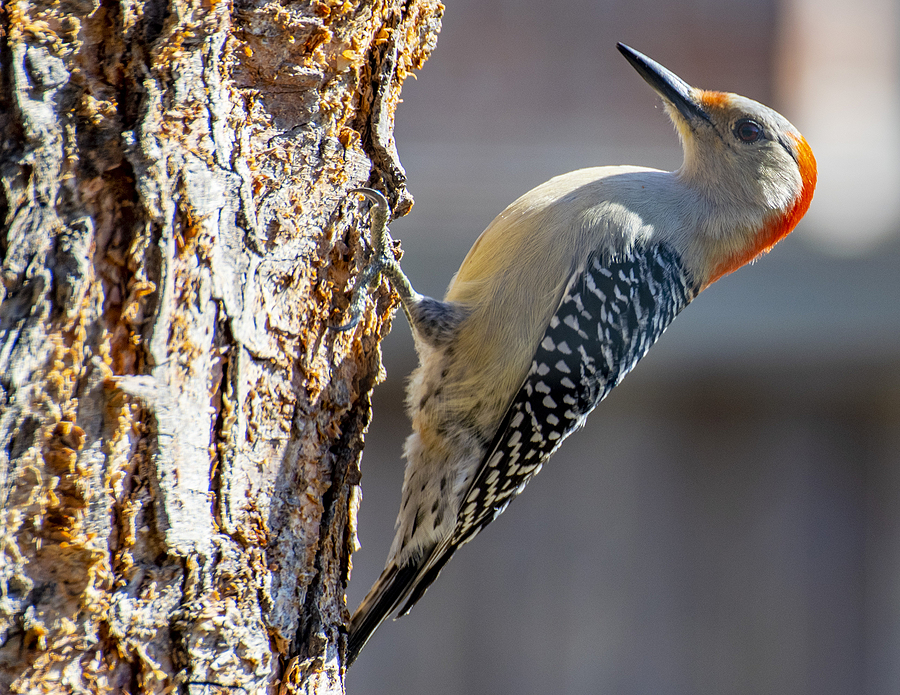
There are 7 prominent species of woodpeckers in the Tennessee region. These woodpecker species include the Downy Woodpecker, Northern Flicker, Hairy Woodpecker, Pileated Woodpecker, Red-bellied Woodpecker, Red-Headed Woodpecker, and Yellow-Bellied Sapsucker.

Why Do Woodpeckers Peck?

Arguably, woodpeckers are most known for their pecking. If you hear banging noises on the side of your house, it could be woodpeckers damaging your siding. We’ll get to that topic in a moment. For now, let’s talk about why woodpeckers Peck. Well, it’s instinctual. They peck to get to their food, mark their territory, communicate with other birds, and build nests.

Will Woodpeckers Damage My Property?

Woodpeckers are highly destructive to residential and commercial properties. Their pecking is forceful, and their beaks are sharp, which means anything they choose to peck on will endure structural damage. Common targets include fences, siding, roofing, and anything else made of wood, in particular. If you are preparing to renovate your home or building, such as the roof replacement or siding replacement, it’s recommended to go with this a material other than wood. If you have been experiencing severe nuisance woodpecker activity.

How Do I Get Rid of Woodpeckers?

Like most bird species in the United States, woodpeckers are likely federally protected under the Migratory Bird Treaty Act of 1918. This means it is against the law to touch, trap, harm, or kill a woodpecker or their nest/eggs on your property, or any property for that matter. Instead, if you find a dead or injured woodpecker on your property, contact a licensed wildlife removal company in Nashville. They have the proper permits to manage the situation safely and lawfully. They can further assist you with woodpecker control strategies and help protect your home from further woodpecker damage and activity.

Common strategies for woodpecker control involve both visual and auditory deterrents. You can place owl statues around the property to scare off woodpeckers because owls are a common predator. You can also hang reflecting streamers or balloons near the areas where woodpeckers frequent because the constant motion and flashing light scares them off.

It is also recommended to place a sound deterrent near their area activity, such as a predator bird call on a loop or a radio talk show. Woodpeckers will avoid both predators and people. The best way to get rid of woodpeckers without falling into any legal trouble is to call for professional bird removal and control service.

Are you ready for professional wildlife removal and control assistance for nuisance woodpeckers in Tennessee? Contact Budget Animal Removal at 615-337-9165 for TWRA licensed and insured Nashville, Tennessee animal removal for woodpeckers, pigeons, crows, starlings, grackles, and more. We serve commercial clients, too!

Related Posts:

How to Get Rid of Birds in the Chimney
3 Ways to Protect Your Bird Feeders From Squirrels and Chipmunks
How to Protect Your House From Nuisance Wildlife in Tennessee
Is it Raccoon Breeding Season?

Have you spotted an increase in raccoon activity on or around your property? There is always a good explanation as to why. Your backyard might be grub-rich, enticing raccoons to dig up lawns and turf. You might have accessible food options, like unlocked trashcans or pet food. Or it could just be prime raccoon breeding season.

Continue below to learn which times of the year are breeding seasons for raccoons, plus what you can do to protect your home or business against raccoon tampering and intrusions.

Raccoon Control Service Indianapolis Indiana 317-875-3099

Raccoons are a Unique Species

Raccoon mating, breeding, and reproduction are pretty standard in terms of mammals. But there are some interesting facts surrounding raccoon breeding that sets them apart from other species. In fact, raccoons are fascinating mammals to learn about because they are so intelligent and curious. They exhibit strange and intelligent mannerisms and behaviors that still have us humans scratching our own heads! Learning about raccoons is fun and will give you a deeper appreciate for these smart wild animals. As for breeding, there is much you should know if you’ve seen raccoons on your property.  

Breeding Seasons

Raccoons generally breed in early spring, usually around February or March, but also in early fall around September and October. However, mothers only raise one litter per year, so their breeding season depends on the region in which they live. Babies are born in April and May since mother raccoons have a 65-day gestation period, give or take a few days. When they breed in the fall, babies are born in November or early December, right before they shelter-up for the winter. 

Raccoon Litters

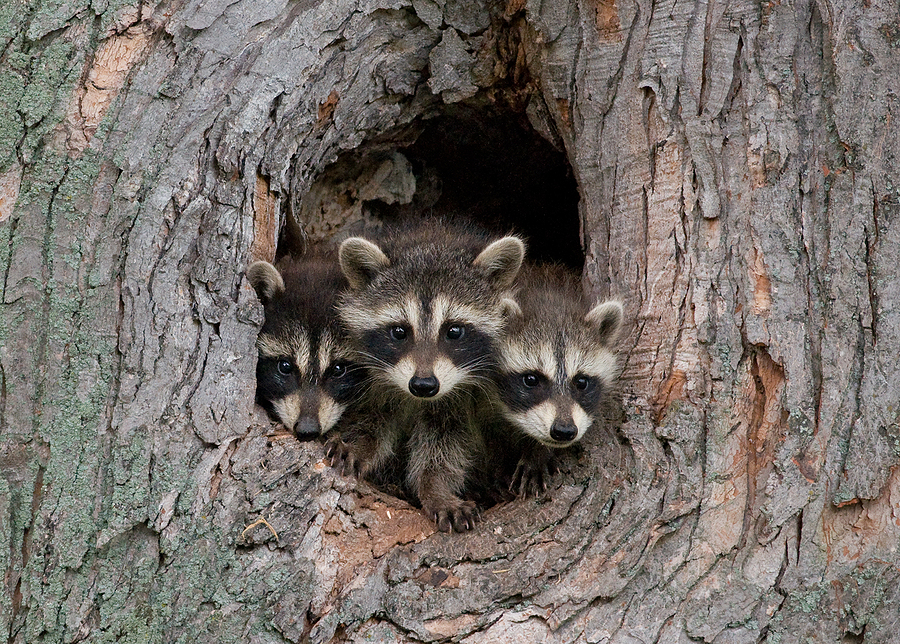
Depending on the region and climate, litter sizes will vary. Most mother raccoons give birth to 2 to 5 kits, but sometimes just a single one. Litter sizes are typically larger in areas where raccoon mortality rates are higher. Raccoon babies are called “kits” or “cubs”, and are actually born blind, deaf, and without teeth! But they are born with their trademark black mask around the eyes. After 3 weeks or so, their eyes and ear canals will start to open. Once they are 2 lbs. or so, they will begin exploring their surroundings on their own. By 6 to 9 weeks, they are eating solid foods, and by 4 months old, they are completely weaned from their mother’s milk and hunting on their own. At this point juveniles split up for fall and winter since mother raccoons have already shown them to dens and food sources.

Mothers and Fathers

Male raccoons have no part in raising their young. It’s not personal, it’s just nature. Mother raccoons, on the other hand, are very protective of their litters. In fact, it is common for dogs and humans to be bitten or attacked by a mother raccoon trying to protect her young. For this reason, it is vital to never attempt to touch or instigate a raccoon if you see her with her young! Mother raccoons are great moms too. They show their kits how to hunt, climb trees, and protect themselves.

Do you have raccoons in the attic or raccoons disturbing your property? Contact Budget Animal Removal at 317-875-3099 for professional raccoon removal and raccoon control in Indianapolis, Indiana. We provide residential and commercial services at the most competitive prices around.

Related Posts:

Why You Need to Get Rid of Raccoons Right Now
Advice That Will Keep Pesky Raccoons Out of Your Garbage
How to Stop Raccoons From Digging Up Your Potted Plants

Common Questions About Woodchuck Control

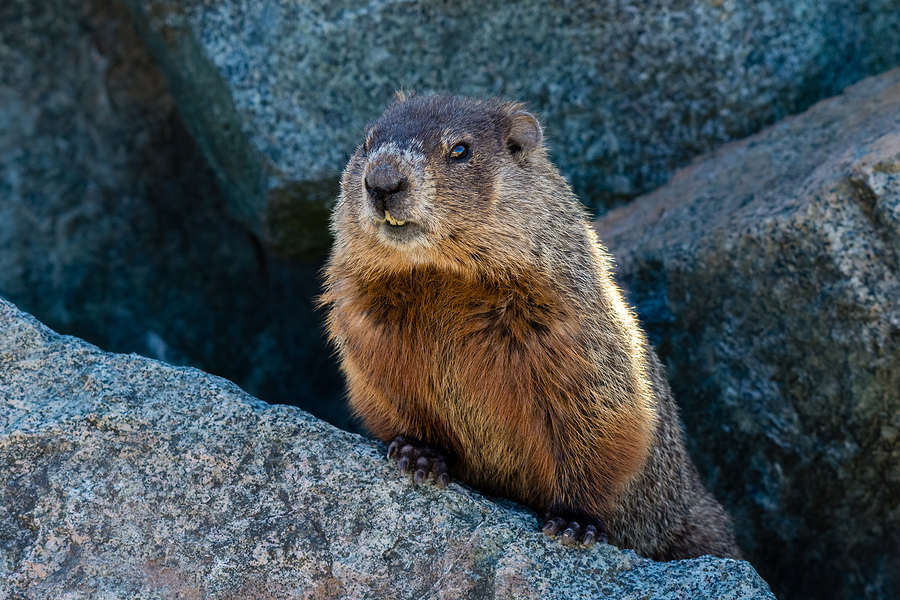
Whether you call them woodchucks or groundhogs, they are the same species of mammal that can wreak havoc on a home or property owner’s lot. If you have questions about nuisance groundhogs, you are in the right place. Continue below to review some frequently asked questions and answers about woodchuck control and abatement, including what you need to do if you are currently dealing with a localized population that is tampering with your property in Indianapolis.

Woodchuck Removal Indianapolis Indiana 317-875-3099

Woodchuck Removal and Control FAQS

Where Do Woodchucks Live in Indiana?

Woodchucks are woodland critters, and like many other species, have evolved over the years to adapt to more urban and suburban environments. Here in Indiana, you can find woodchucks just about anywhere, from the grassy edges and medians of highway exits to riverbanks, school yards, culverts, woody meadows, and of course, our own backyards and business lots. You see, groundhogs live underground in sophisticated tunnel systems that lead to their burrows. So, for the most part, you don’t even notice woodchuck populations around you, that is, until they began to tamper with your property.

Should I Be Afraid of Woodchucks on My Property?

Although woodchucks are not likely to approach humans, let alone attack them in any form or fashion, they are known to be destructive. Woodchucks are avid and fervent diggers. Because they live underground, they are incredibly gifted at burrowing deep into the soil and building elaborate den systems to rear their young. Their natural instinct to dig and burrow causes all sorts of serious problems for property owners.

Such digging can impact the integrity of your foundation and underground utility lines, as well as any other built structure on your lawn. Their burrowing can also cause other types of structural damages on your property if they choose to burrow beneath concrete slabs, driveways, patios, porches, and garages. They are known to tunnel areas of the property and cause extreme amounts of damage.

Woodchucks are also known for pillaging gardens and flower beds. Some of their favorite foods include dandelions, clovers, weeds, and a variety of grasses. However, they will eat the leaves and foliage of all sorts of other herbs, plants, vegetables, and flowers.

How Do I Remove a Woodchuck Under My Patio?

As mentioned earlier, woodchucks are known for burrowing beneath structures of a home or property, including patios, decks, and porches. If you suspect that you have woodchucks underneath your deck or porch, it is important that you take specific steps to ensure optimal safety for you and your loved ones, as well as the structural integrity of your patio. First, keep young children and pets away from the area. Next, contact in Indianapolis critter control company for safe woodchuck removal services.

Do Woodchucks Have Rabies?

Although it is possible for virtually any mammal to contract the rabies virus, rodents rarely do. Being part of the Sciuridae family and Rodentia order, woodchucks are technically a rodent species.

What Does it Mean if a Woodchuck is Walking in Circles and Seems Disoriented?

If you see a woodchuck walking in circles, seemingly disoriented, and appearing as if they’re drunk, you might immediately assume that they are rapid. However, as just mentioned, woodchucks rarely contract rabies virus. So, if you see this behavior, it could be due to the neurological effects of having a roundworm or similar parasitic infection. It may also be due to brain damage or serious injury from being hit by a car. Groundhogs often live underground within medians of highways and tall grasses on the sides of streets, so they are common roadside collateral.

How Can I Keep Woodchucks Out of My Gardens?

Woodchucks certainly enjoy an accessible garden or flower bed. The most popular and effective method for keeping woodchucks out of gardens is installing a chicken wire fence. Just be sure it’s deep enough so they cannot burrow underneath it. Homeowners and property owners have also had success with groundhog control using automated sprinkler systems around gardens.

What Should I Do If I Find a Nest of Baby Woodchucks?

Many people call in asking about baby groundhogs. Baby groundhogs, called pups, are born hairless and blind, so they are quite helpless until they reach 5 or 6 weeks of age. At this time, they are weaned from the den and begin venturing out on their own. So, during mid-summer months, it is common to spot a baby groundhog by themselves. Although they seem abandoned, they are probably just a little lost or far from their den.

If you find a nest of baby woodchucks, but you do not see the mother anywhere around, there are a few things you can do. First, do not touch the baby groundhogs. Not only do you want to avoid contracting any parasites or infectious diseases, but it is important for you to not pass along any germs to them as well. If you know where the burrow was located, try using baits like dandelions and clovers to lure them back to their burrow. If you don’t know where the den is, your best course of action is to contact an Indianapolis groundhog removal company for safe and humane relocation services.

Can I Use Poisons to Get Rid of Woodchucks?

No! Never use poisons! It is against all industry best practices and state and federal wildlife regulations to use any type of poison or fatal repellent to get rid of woodchucks. If you are dealing with nuisance groundhogs, you can make your own non-toxic animal repellent and apply it to the perimeter of your property, or in areas where woodchucks are the most active.

These repellents contain animal proofing ingredients like capsaicin oil and putrescent egg. Although non-toxic and nonfatal, these ingredients can cause nose, mouth, throat, and eye irritation. For this reason, be sure to keep treated areas blocked off from children and pets. Aside from a repellent, get rid of woodchucks by calling an Indianapolis animal removal company for licensed groundhog control services.

Are you worried about the groundhog population around your home or business? Contact Budget Animal Removal at 317-875-3099 for DNR licensed and insured woodchuck removal and control services in Indianapolis, Indiana and surrounding counties. Request a free estimate or advice, today!

Related Posts:

The Different Species of Marmot Found Around the World
3 Steps to Safe and Humane Groundhog Control
Top Nuisance Animals to Watch Out For in the Summer

The 3 Most Common Yard Mole Species in the United States

Yard moles are one of the most destructive and frustrating nuisance animals in the Tennessee region. Not only are they difficult to keep out, let alone get rid of, but they are also capable of causing a massive amount of damage to your lawn, mulch beds, and gardens.

If you are having an issue with nuisance moles in your yard, it is important to educate yourself on the best practices for critter removal and control. Start by learning about the most common yard mole species in the United States so you know which type of mole you are dealing with.

Mole Trappers Nashville Tennessee 615-337-9165
The Common Mole (Scalopus aquaticus)

Types of Animal Moles in the United States

The most common species of moles in the United States are the Eastern moles, Star-Nosed moles, and Shrew moles. Although very similar in nature, each species has its own set of unique characteristics and attributes.

The Eastern Mole (Scalopus aquaticus)

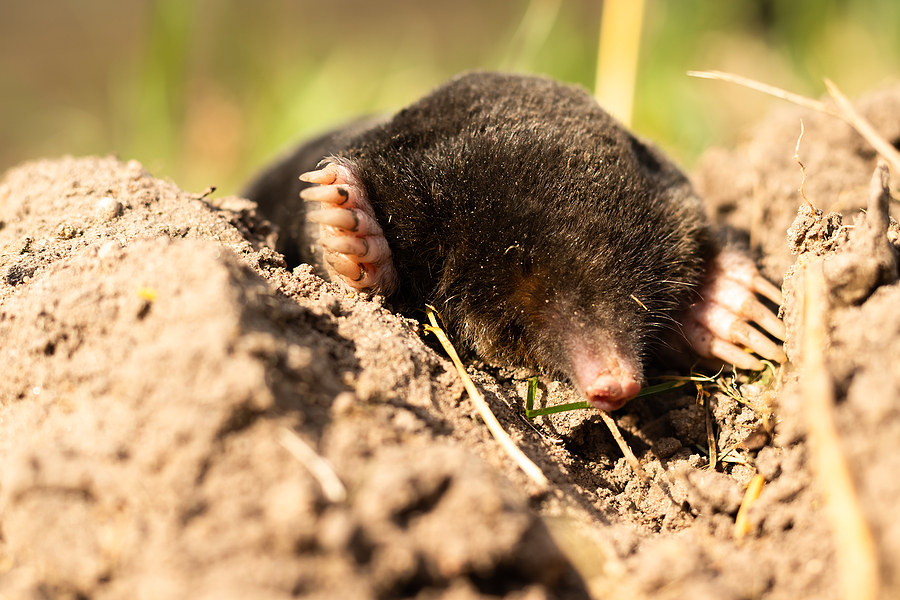
The Eastern mole (Scalopus aquaticus), also referred to as the Common mole or North American mole, is the most common species of mole in North America. In fact, they can be found in regions spanning from Canada to Mexico, giving them the widest range of all the mole species. They appear like any standard mole you would imagine, with long snouts, hidden eyes, dark sleek fur, short bodies, and spade-shaped paws. Adults are medium-sized, generally around 6 inches in length not including their tails, and around 2.5 ounces in weight. This same mole is known as the European mole in Europe and Asia.

Star-Nosed Mole (Condylura cristata)

Generally native to the Eastern coastal regions, the Star-Nosed mole (Condylura cristata) is a unique mole species due to its protrusions that extend out of their snouts, making them look like one of those monsters on Stranger Things. These are called their Eimer’s organs, which are touch organs that have over 25,000 miniscule sensory receptors. They use this star-shaped snout to acutely detect insects and similar prey in soil. Scientific theories suggest their sensory receptors can detect seismic wave vibrations! They also have hairy tails, making them even more distinct from the Common mole.

American Shrew Mole (Neurotrichus gibbsii)

The American shrew mole (Neurotrichus gibbsii), also referred to as Gibb’s Shrew Mole and Least Shrew Mole, is special in that it is the smallest species of yard mole in world. Now, shrews and moles are two different types of animals, but this mole gets its name because it looks more like a shrew than it does a mole, namely because of its fur. Their habitat range stays consistent, from Middle California to the southern-most cities in British Columbia. They can also survive at higher elevations, which is why they can be found inhabiting the Cascade and Sierra Nevada Mountain ranges.

Are you dealing with nuisance moles? Let’s put a stop to it immediately! Contact us at 615-337-9165 for TWRA licensed and insured Nashville, TN critter control for moles and more. We serve commercial clients, too!  

Related Posts:

What to Do About a Yard Mole Outbreak
Common Household Ingredients That Will Repel Nuisance Wildlife
How to Protect Your House From Nuisance Wildlife in Tennessee

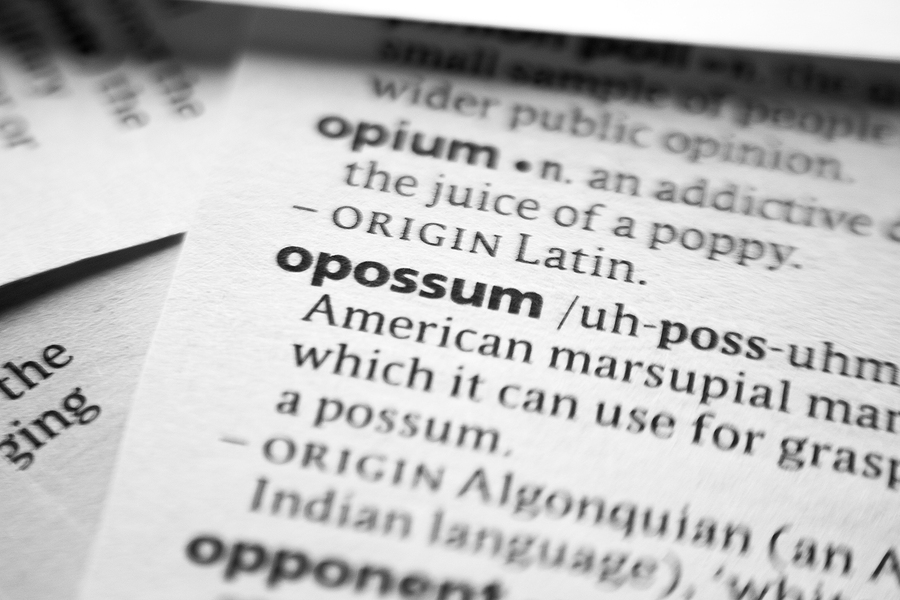
Opossums Facts That Will Stop You in Your Tracks

Even though opossums have a bad reputation, they are actually quite fascinating. For instance, did you know that opossums are a type of marsupial, just like kangaroos? Or that they are one of the Earth’s oldest surviving mammals that has thrived for more than 70 million years? See? Opossums really are interesting! Continue below to learn about opossums so that you may better understand these highly misunderstood mammals!

Opossum Critter Control Indianapolis Indiana 317-875-3099

Nuisance Opossums and the Damage They Can Do

Here in the United States, opossums are known as scavengers and for good reason. Their very basic and non-specialized biology combined with their flexible diet and steadfast reproductive system makes them very successful at rapid colonization, plus allows them to survive in a wide range of locations and conditions. Consequently, opossums are a common pest problem for various suburban and city areas across the country.

Opossums are notorious for digging up gardens and lawns, pillaging garbage cans, devouring any outdoor food (including pet food and livestock feed), tearing through home siding, building dens underneath porches, and much more. The amount of damage they can cause is limitless, and the longer they are present, the more damage they can do.

All of these reasons are important to consider if you have a possum problem or infestation on your property. It is important to contact a local and trusted Indianapolis wildlife removal company for non-lethal opossum removal services.

Noteworthy Facts About Opossums

Aside from being a pest, there are some worthy attributes and characteristics about opossums that are interesting to learn. Perhaps they are a huge pest problem in many areas, but in the wild, they are just another mammal living in harmony with their surrounding Eco-system. Here’s some notable facts to start with:

The Virginia opossum (Didelphis virginiana) is also known as the North American opossum. It is the only species of opossum in the United States. Their name stems from the Algonquin word “apasum” meaning white animal, given by Captain John Smith in 1608.

Opossums are basically a step above omnivorous, as they will eat almost anything, including roadkill, dead animals, bugs, rodents, small birds, eggs, frogs, plants, fruits, grains, pet food, and human food scraps. They will even eat skeletal remains for calcium.

Opossums live in agricultural areas, woodlands, rural, urban, and suburban areas. They are generally solitary and nomadic, staying in one place until the food and water run out.

Opossums are nocturnal and crepuscular mammals. They are active from dusk to dawn.

Opossums are marsupials and “pouch” their young. Yes, just like kangaroos!

Opossums are incredible climbers and use their long, bald tail for balancing and handing upside down.

When threatened or injured, opossums will “play possum” by lying still and pretending to be dead. They might also belch, growl, urinate, or defecate.

Opossums have 50 sharp teeth and sharp claws. They are not aggressive by nature but can appear very menacing.

Are opossums becoming a nuisance around your residential or commercial property in Indiana? Contact Budget Animal Removal at 317-875-3099 for DNR licensed and insured opossum removal and control in Indianapolis and its surrounding counties. Request a free estimate or advice, today!

Related Posts:

Top Tips for Opossum Critter Control
What to Do if You See an Opossum in Your Yard
Non-Toxic Repellent Recipe for Nuisance Wildlife

How to Prevent Birds From Flying Into Your Windows

Indiana summer is prime bird season, and right now, hundreds of species are in action all around us. If you are an avid bird watcher and admirer but have encountered one too many window collision accidents throughout the years, you will be happy to learn that there are several ways to make your glass windows more bird-friendly, and therefore, bird-safe.

Continue below to get started on some bird control tips that will help your feathery friends differentiate your windows from an open passageway!

Bird Control Indianapolis Indiana 317-875-3099

Bird Control Tips for Windows and Glass Doors

Most birds are not very smart, so it is common for them to mistake a glass window or door pane for an alternative flight route. Unfortunately, smacking into glass with such fervency usually ends in serious injury or death. If you have already had one or two bird crashes of this nature, it could be that your home has larger or higher number of transparent windows and doors. It could also have something to do with the lighting around your house at certain times of the day. Regardless of the reason, there are some methods you can implement to help protect the local birds and your windows from harm.

Dry Soap Bar

Let’s start with the cheapest and more than often, most accessible. If you have a dry bar of soap, you have an instant solution to your bird window problem. Simply draw some patterns or pictures on the windowpane to reduce its transparency. Better yet, enlist the kiddos to have some fun with this!

Window Decals

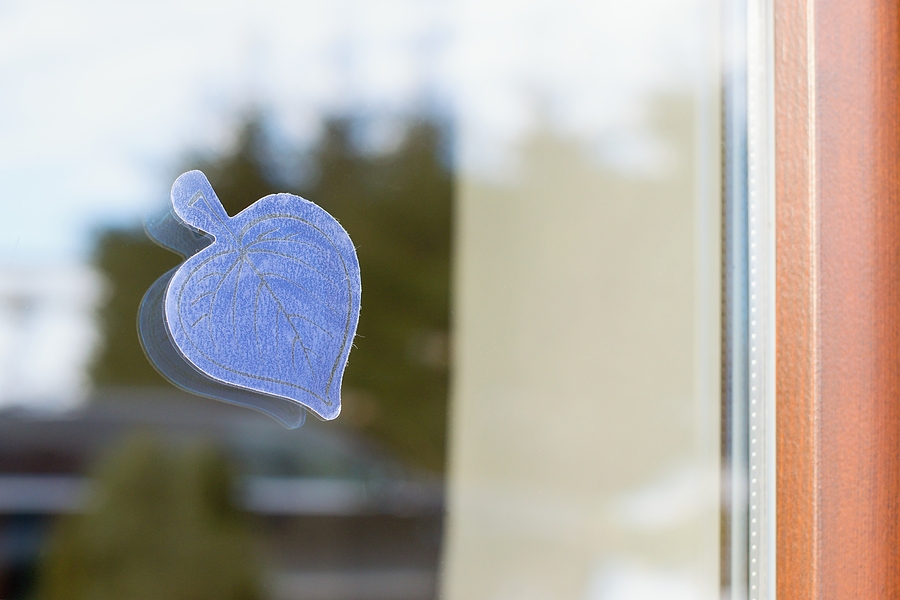
If you are looking for a more sophisticated way to warn approaching birds about your transparent windows and doors, aim for the window decals at your local home store or online retailer. Window decals come in all sorts of different packages and varieties, which allows you to customize your own theme. If you want to be ironic, choose some bird decals! Or go with some white floral decals for a softer, more subtle aesthetic.

Bird Repellent Discs

Reflective bird repellent discs are often mistaken for wind chimes because they look almost the same, and even produce an elegant melody as the breeze blows by. Not only do bird repellent discs give approaching birds a visual boundary of your home by reflecting sunlight as they rotate, but they also look great. You can purchase reflective bird discs at any local home improvement store or online retailer of your choice.

Bird Tape

Bird tape works in the same way as bird repellent discs. Similar in appearance to party streamers, reflective bird tape thwarts birds from coming too close by giving them an obvious and visual boundary. These can be hung around porches, or from awnings, roofs, windows, and doors.

Bird Netting

For particularly problematic windows and doors, you may want to consider bird netting. Just be sure to follow relations so the birds are not susceptible to being caught in the netting. The netting should be installed in a way so that birds bounce off of the boundary before hitting your window or door.

Are you dealing with nuisance productivity around your house and have run out of ways to control them all? Contact Budget Animal Removal at 317-875-3099 for professional bird removal and control in Indianapolis, Indiana and its surrounding counties. We serve residential and commercial clients.

Related Posts:

How to Protect Your Pets From Predator Birds
5 Harmless Ways to Get Rid of Birds
Non-Toxic Repellent Recipe for Nuisance Wildlife

Why You Need to Squirrel-Proof Your Home Before Late Summer

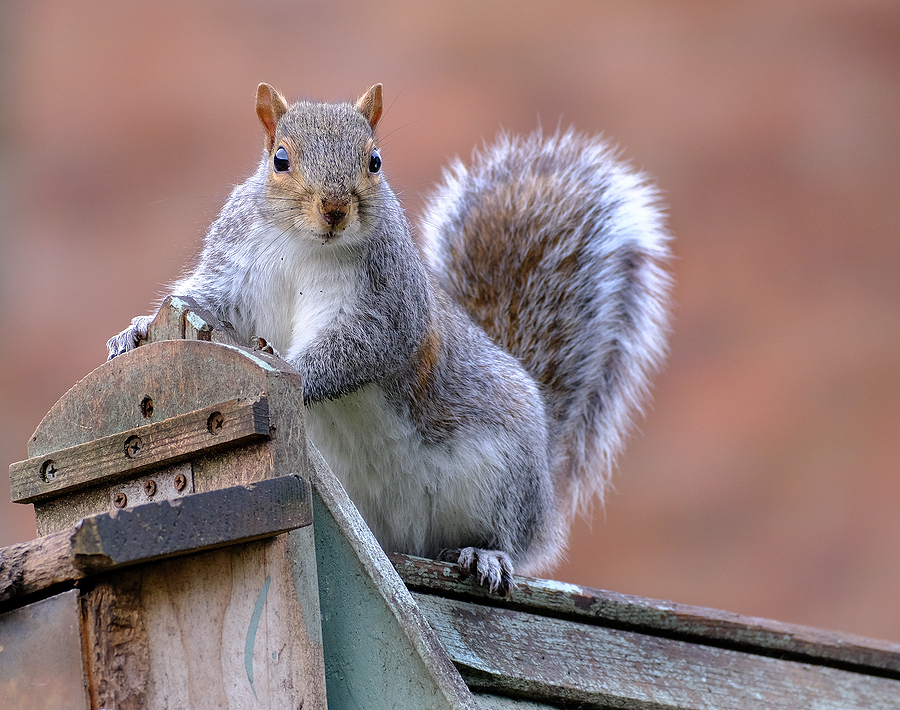
Squirrels are cute little critters, but they are also mischievous house guests. Right now, early-to-mid summer, is the best time of year to start animal-proofing your house against squirrel intrusions. Squirrels love attics and wall voids, and their excellent climbing abilities allow them to access high locations with ease. If your home is not sealed up, it is not well-protected, and therefore, vulnerable to squirrel infestation and damage.

Continue below to learn how to prevent squirrels in the attic, including why it is a good idea to squirrel-proof before late summer or early fall.

Squirrel Control Removal Nashville Tennessee 317-875-3099

Damages Caused By Squirrels in the Attic

Not only can squirrels cause excessive damage to your roofing system, windows, shudders, gutters, and more, but they are well-known for causing extreme damage once they infest the inside, particularly the attic space. In addition to their gnarly chewing habits, which can destroy electrical wiring, PVC, and anything made of wood, they also saturate their surroundings with urine, droppings, and food debris. This mess is unsanitary and can cause lingering, noxious odors in the home. These damages only worsen if left unchecked, and ultimately add up to costly and invasive renovations. Let’s not forget squirrels are known carriers of several infectious diseases and parasites!

Mid-Summer Squirrel Proofing Tips

Squirrels begin building their winter nests in late summer and early fall. But before they build their nests, they must find a safe and secure place for the project. Your attic is prime real estate for squirrels for all the reasons mentioned earlier: their excellent climbing skills, easy roof access, and vulnerable openings on your house’s exterior like gaps, loose shingles, crumbling mortar, torn screens, damaged attic vents, and wood rot.

In order to make your home stand strong against nuisance squirrel infestations, you must ensure that your property is animal-proofed against small to mid-size critters. While you’re at it, you can keep chipmunks, birds, and more out of your attic! Fortunately, there many effective ways to keep squirrels from becoming an unwanted house guest this year.

Home Exterior Sealing

It is important to hire a licensed and insured critter control professional to inspect your home for target vulnerabilities. They know how to identify susceptible areas that might allow squirrels or other animals to enter. They also retain the proper training, equipment, and resources to seal up openings and exposed spots on your home’s exterior, plus implement additional means of wildlife control.

Environmental Modification

The first step to stopping those furry little critters is modifying your surroundings. This means doing whatever you can to thwart squirrel activity and access. Put away accessible pet food dishes and water bowls, get rid of bird baths and houses, and eliminate low-hanging branches near roofs, patios, gardens, sheds, garages, and more (trim at least 6 feet away). You will also do well to seal up your garbage cans and only take them outside the morning of collection day.

Squirrel Repellent

At your local home and garden store or retailer, you can find non-toxic animal repellents specially-formulated to divert squirrel activity. These products come in granular, spray, and powdered form. The option you choose will depend on a few factors, such as the particular area you wish to treat and your personal preference. Squirrel repellents are inexpensive, but if you want an economical alternative, try making your own homemade animal repellent at home.

Are you searching for licensed wildlife control experts to get rid of nuisance squirrels? Contact Budget Animal Removal at 615-337-9165 for TWRA licensed and insured squirrel removal and control in Nashville, Tennessee. We serve commercial and residential clients.

Related Posts:

3 Ways to Protect Your Bird Feeders From Squirrels and Chipmunks
How to Protect Your House From Nuisance Wildlife in Tennessee
Top 3 Signs That There is a Dead Animal Close By

Top Nuisance Animals to Watch Out For in the Summer

The Hoosier state is home to all sorts of wildlife. From water dwellers and land critters to flight takers, earthy burrowers, hide and seekers, and much more, Indiana is a place where the wildlife roam freely. Although nature is one of our most valuable and beloved assets, some animals are known to cross the line into nuisance territory. Common nuisance animals include bats, raccoons, skunks, squirrels, chipmunks, opossums, groundhogs, muskrats, coyotes, rabbits, and even birds. But in the summer, three of these known nuisance species are particularly bothersome to residential and commercial properties.

Continue reading to learn the top nuisance animals to watch out for in the summer, plus what you can do to protect your property against nuisance while activity and tampering.

Get Rid of Snakes Indianapolis Indiana 317-875-3099
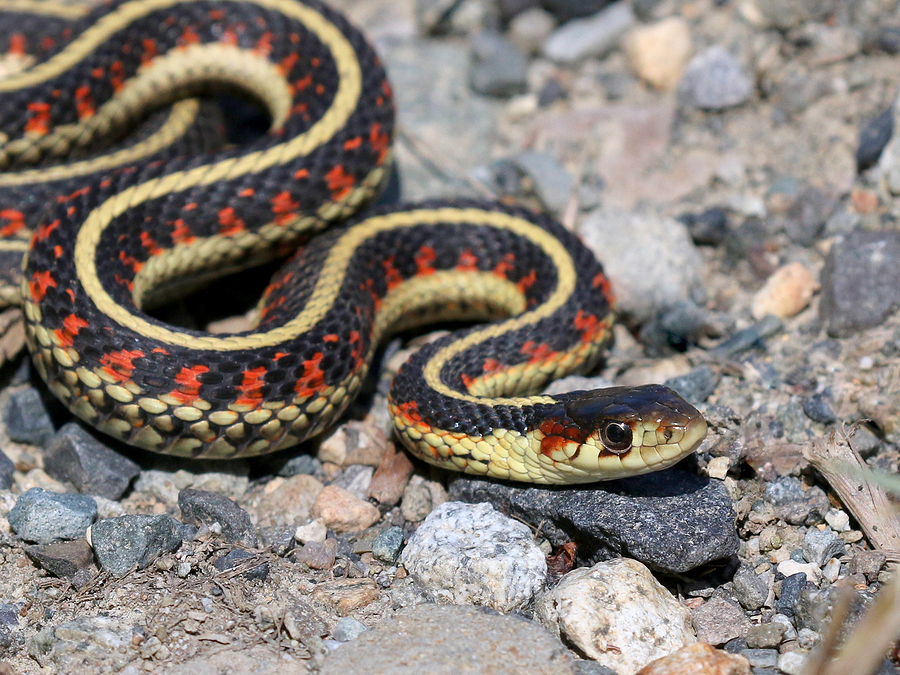
The Common Gartersnake — Get Rid of Snakes Indianapolis Indiana 317-875-3099

Top 3 Summertime Nuisance Animals in Indiana

Raccoons

This should not surprise you if you know anything about raccoons. Not only are raccoons heavily populated in Indiana, but they are a highly intelligent species. In addition to being incredibly smart and clever, raccoons have human-like paws with long sharp claws capable of gripping, grasping, and manipulating objects around them. As a result, raccoons are very successful burglars.

Not only can they easily access vulnerable properties, commonly, but they can also do a lot of damage. No matter where they go. Raccoons are commonly found in addicts, crawlspaces, and beneath porches and patios. However, they also freely roam the wooded areas near sources of water. If you live near a pond, lake, river, or creek, you likely have a raccoon population close by.

Raccoons are more of a problem in the summer because the high heat waves tend to rot and decay garbage at a faster rate, causing a more intense odor. Not only does the pungency of food and garbage attract raccoons to properties, but the heat also motivates them to find cooler, shadier shelters, like attics and crawl spaces.

Snakes

There are many species of non-venomous snakes in Indiana. Some of the more common species that you might find slithering through your lawn or gardens include Gartersnakes, Corn snakes, Ribbonsnakes, Brownsnakes, Red-Bellied snakes, and Kirtland’s snake. Although nonvenomous, they are known to be quite the nuisance in the summertime. Venomous snake species in Indiana include the Copperheads, Cottonmouths, Eastern Massasauga Rattlesnakes, and Timber Rattlesnakes.

Snakes are more of a problem in the summertime because they are not fond of the intense summer climate. As cold-blooded animals, snakes look for cool, shady areas to inhabit. If your lawn has tall grass, log piles, compost piles, or even trash, it will attract nuisance snakes in the summer. By mitigating these areas with snake fencing and lid locks, you can avoid a nuisance snake problem on your property.

Groundhogs

Although it might come as a surprise, groundhogs tend to increase their nuisance behavior in the summertime. First, groundhogs hibernate in the winter. So, when summertime comes around, they are ready to get moving and take full advantage of the ambient and fruitful weather conditions. that the season has to offer. One of their biggest priorities in the summertime is to find a mate, and they dig deep burrows to prepare for their lifelong partnership. Yes, groundhogs do mate for life. Their journey may cross paths with your property, especially if you live near a large body of water like a lake, river, pond, or stream.

Have you already experienced nuisance animal activity in your property this summer? Contact Budget Animal Removal at 317-875-3099 for fast and affordable animal removal and control services to get rid of raccoons, groundhogs, snakes, and more We serve all of Indianapolis, Indiana and its surrounding counties. Request a free estimate or advice, today!

Related Posts:

The Most Effective Strategies to Get Rid of Snakes
3 Steps to Safe and Humane Groundhog Control
Why You Need to Get Rid of Raccoons Right Now

What to Do if You Find a Baby Animal in Your Yard

Indiana is home to hundreds of species of wildlife, including squirrels, chipmunks, ducks, rabbits, birds, skunks, opossums, raccoons, bats, and more. Although many of these species are generally regarded as nuisance wildlife in adulthood, as babies they are irresistibly cute. For this reason, it is typically very hard for someone to resist the urge to help or even adopt an abandoned baby animal.

If you have just discovered an injured or abandoned baby animal in your yard, continue reading to learn exactly what you need to do to keep both you and the animals safe.

Chipmunk Removal Indianapolis Indiana 317-875-3099

Not All Lone Baby Animals are Abandoned

It is common for someone to find a baby animal and assume that it has been abandoned alone baby animal is not abandoned. The mother is simply out foraging for food or shelter. This is common among rabbits, birds, hares, deer, and foxes. If you discover one of these babies in your yard, they are probably not abandoned but rather just waiting for their mother to come back for them.

In this case, you should simply leave the baby animal alone and let nature take its course. However, if the baby is in the way of danger, like if you need to mow the lawn, you can use safe and humane methods to gently move the baby animal to a safer location that is still nearby the spot. It was left. You don’t want the mother to come back and not be able to find the baby.

Squirrels

If you find a baby squirrel in your yard, it has likely fallen out of its nest in the above tree. In this case, it is probably injured and needs medical attention. It is encouraged to contact an exotic wildlife rescue company or the local game warden to notify them of an injured animal on your property. They have the proper resources and permits to safely rehabilitate and re-acclimate the animal back into the wild.

How to Protect a Baby Animal on your Property

If you find any other species of animal on your property, here’s what you need to do:

Observe the baby animal for 24 to 36 hours. In this time, the mother may come back to retrieve its young. Do not touch the animal. As cute as they are, they can carry transmissible diseases and parasites that can be harmful to people and pets.

If the animal is still there, you may choose to move it to a safer location out of the any traffic that takes place on your property.

Put on some protective gloves, and if possible, a face mask or covering, and grab a shoe box.

Slowly approach gently set the shoe box down by its side. Tilt the box so that the opening is facing horizontal to the baby animal. Use the lid of the shoe box to gently scoot or encourage the baby to get inside the shoe box.

Move the baby animal to a safer location on or around your property where it can live out the remainder of its life as it should. You may also choose to contact the local animal rescue in your county to have the baby relocated to a proper habitat.

The Rule on Adopting a Baby Animal

You should never keep a stray or deserted baby animal as a pet. Not only is it inhumane, but wild animals carry dangerous infectious diseases, like Rabies. They also carry lice, mites, ticks, fleas, and several other types of parasites. Furthermore, it could be illegal without a proper permit or qualification in your state or county.

Are you experiencing problems with nuisance wildlife in Indiana? Contact Budget Animal Removal at 317-875-3099 for professional critter control in Indianapolis and its surrounding counties. We serve residential and commercial customers, plus offer insurance claim work for animal damage restoration.

Related Posts:

 Is it Safe to Feed the Animals Around My House?
Types of Wildlife That Will Destroy Your Roof
Non-Toxic Repellent Recipe for Nuisance Wildlife

How to Wash Your Dog if They are Sprayed By a Skunk

Skunks use their anal scent glands to protect themselves from predators. And since dogs are curious by nature, they are often victims of skunk dousing. The same situation applies to cats as well. Fortunately, there are tried-and-true ways to de-skunk your pooch if they ever cross the line with a defensive skunk.

Continue reading to learn one method that seems to do the trick for most pet owners, and what you can do about getting rid of nuisance skunks on your Tennessee property.

Skunk Removal Nashville Tennessee 615-337-9165

Why Do Skunks Spray?

Understanding why skunks spray can help you defend your pet from future attacks. You see, skunks have this built-in weapon as their last line of defense against predators. Mothering skunks are more likely to spray attack, however, any skunk that is provoked too much will spray to gain freedom or space from whatever it is that is provoking them. Dogs are “sniffers” and like to get to know other animals by smelling their rear sides; skunks do not like this behavior and consider it a threat, making dogs a common victim of skunk spray attacks.

Skunk Smell Composition

So, what is it that you smell on your dog? The oily liquid that comes out of the anal glands is a chemical compound called a thiol. In fact, there are multiple types of thiols that make up the chemical composition of their spray, two of which are the root cause of the signature skunk odor. Since it is oil-based, the odor can linger for a long time. Also, it requires a certain approach to completely remove it from pet fur.

What You Need to Get Rid of Skunk Smell on Fur:

▷ Baking Soda
▷ White Distilled Vinegar
▷ Liquid Hand Soap
▷ 3% Hydrogen Peroxide

Now Follow These Steps:

Check your dog’s eyes, mouth, and nose to ensure the spray has not come into contact in these areas. If they have, it can cause serious inflammation and irritation. Take your pooch to the vet right away if they were sprayed in these areas. Do not wait to clean them first. Your vet will also ensure that they were not bitten or scratched in addition to the spray attack.

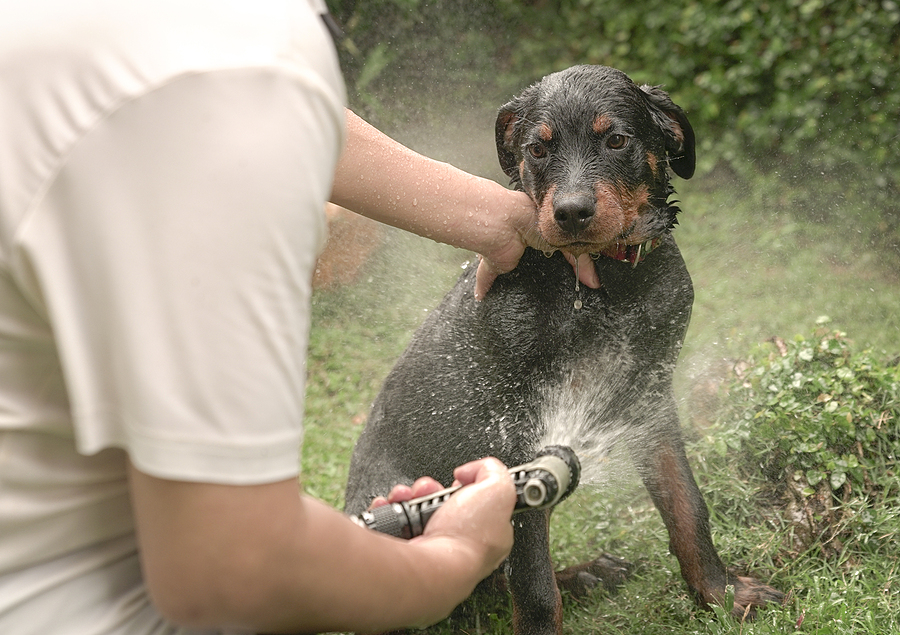
If your dog’s eyes, mouth, and nose are okay, you can continue by thoroughly rinsing them with clean water. It is recommended to do this outdoors, NOT in a bathtub or shower. If you bring them indoors, the smell will come inside with them! It can be made worse if your pooch decides to jump on your bed or couch!

After the rinse, mix together 1 quart of hydrogen peroxide, 1/4 cup of baking soda, and 1 teaspoon of liquid hand soap (do not use detergent). Generously bathe your dog in the solution, and then rinse them clean with warm water. You may need to repeat this step 3 to 4 times, depending on the strength of the smell.

Once your pet dries, you can finish the job with a little pet perfume, available at any local pet store. Or you can get their hair trimmed to remove any lingering, odorous fibers. For really strong, lingering smells, you can finish their fur with some natural essential oil, like lavender or lemon. Just put a few drops in a spray bottle with water, and then spray their coat while avoiding the eyes and nose.

Are you tired of the nuisance skunk activity on or around your property? Take action by safely diverting their interest away from your premises with our help! Contact us at 615-337-9165 for TWRA licensed and insured Nashville, TN critter control for skunks and more. We serve commercial clients, too!  

Related Posts:

What You Need to Know About Skunk Spraying
Common Household Ingredients That Will Repel Nuisance Wildlife
How to Protect Your House From Nuisance Wildlife in Tennessee