How to Identify and Avoid Venomous Snakes in Indiana

Are you living in Indiana and worried about the presence of venomous snakes near your home? Snakes can be dangerous, but with the right information, you can take steps to protect yourself, your family, and pets from harm. In this blog post we’ll discuss how to identify venomous snakes found in Indiana as well as provide tips on snake removal and control. With a few simple precautions, you can help ensure that your home is safe from these potentially deadly creatures. Continue below to get started!
Call 615-337-9165 For Licensed Rattlesnake Control in Indianapolis Indiana
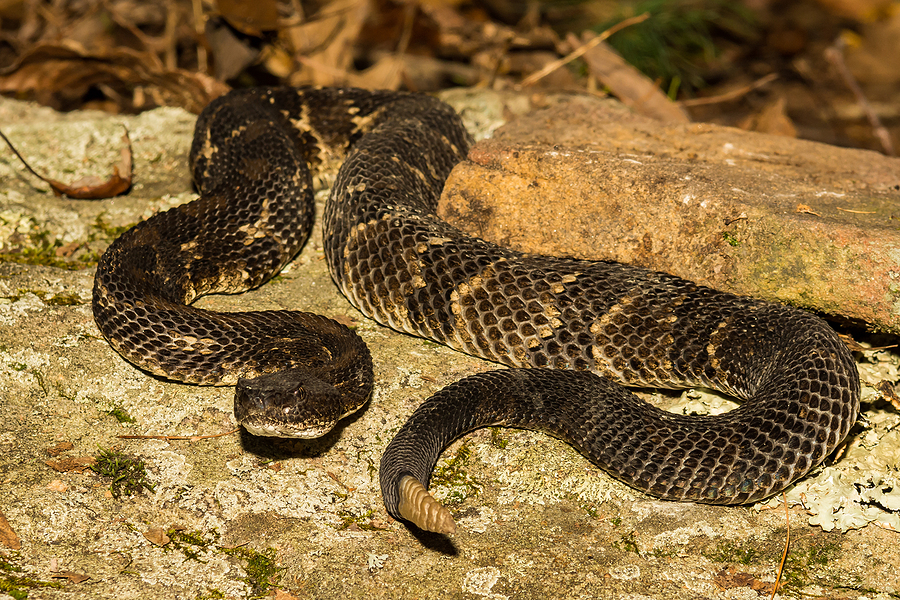
A Timber Rattlesnake

Difference Between Venomous and Poisonous

Venomous and poisonous are two terms that are often used interchangeably, but they are not the same thing. Understanding the difference between the two is essential, especially when it comes to safety. Venomous animals, like snakes, inject their venom directly into their prey or attacker, usually through fangs or stingers.

On the other hand, poisonous animals, like the poison dart frog, release a toxin when touched or ingested, usually through skin secretions or ingestion. It’s important to note that not all venomous animals are poisonous and not all poisonous animals are venomous. Knowing the distinction between the two can help you better protect yourself and appreciate the unique adaptations of these incredible creatures.

Two Venomous Snake Species in Indiana

There are two different species of venomous snakes found in Indiana – the Northern Copperhead (Agkistrodon contortrix mokasen) and the Timber Rattlesnake (Crotalus horridus). Both of these snakes possess a set of fangs that deliver a potentially fatal amount of venom into their prey or potential predators.

The Northern Copperhead:

▶ They are found in the eastern United States.
▶ They typically grow to be about 2-3 feet long.
▶ They are venomous, but their bites are not typically fatal to humans.
▶ These snakes typically eat small mammals, such as mice and rats.
▶ They mate in the spring and give birth to live young in the summer.
▶ The average litter size is 10-12 snakes.

The Timber Rattlesnake:

▶ A venomous snake that is found in the eastern United States.
▶ It is the largest venomous snake in the U.S., with adults reaching lengths of up to 6 feet.
▶ It is a pit viper, meaning that it has heat-sensing pits on its head that it uses to locate prey.
▶ It is considered to be endangered in some states due to habitat loss and extermination.
▶ It is capable of delivering a large amount of venom with each bite.
▶ Bites from this snake can be fatal to humans if not treated promptly.

How to Spot Them

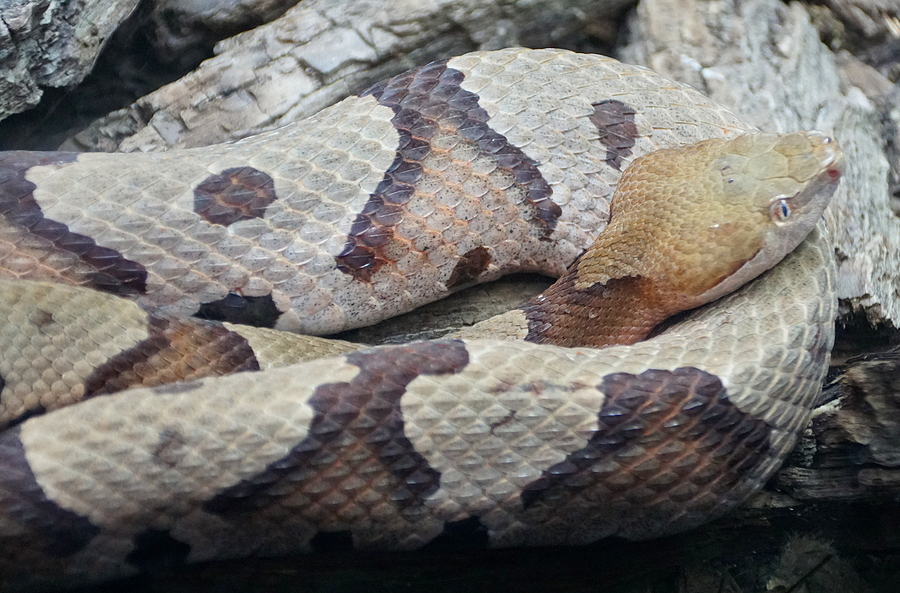
Fortunately, there are some clear physical characteristics you can look for to help you identify which type of snake you have encountered. Copperheads often have distinctive dark brown/red crossbands along their back, while timber rattlesnakes have large diamond-shaped patterns on their back with alternating light and dark rings. It is important to note that all nonvenomous snakes also have patterns on their backs, so you’ll want to look closely at any snake you encounter and be sure you can identify the difference.
Call 615-337-9165 For Licensed Copperhead Removal in Indianapolis Indiana
A Northern Copperhead

Safety Tips For Unexpected Snake Encounters

If you come across a venomous snake in your yard or near your home, it is important to take immediate action to keep yourself and your family safe. Snake removal should be done carefully by trained wildlife control professionals who understand how to safely remove snakes from an area without causing harm. If you are unable to find a professional service in your area, there are also some DIY snake control methods available as well. No matter which method of removal you choose, it is always best practice to exercise extreme caution when dealing with any type of reptile – venomous or not. Wearing thick gloves, long pants, and closed-toe shoes is recommended. Additionally, it’s important to make sure that your pets are kept away from any snakes in the area – even if they appear harmless.

Outsource Professional Snake Removal and Control

By taking the time to educate yourself on how to identify venomous snakes found in Indiana and properly remove them from your property, you can help ensure a safe living environment for yourself and your family. Be sure to contact professional Indianapolis snake removal services if needed and always exercise caution when dealing with these creatures. With the right knowledge and care, you can avoid potential harm from venomous snakes in Indiana.

Are snakes becoming a nuisance around your residential or commercial property in Indiana? Contact Budget Animal Removal at 317-875-3099 for DNR licensed and insured snake removal and control in Indianapolis and its surrounding counties. We guarantee to fit your budget for safe wildlife control. Request a free estimate or advice, today!

Related Posts:

The Most Effective Strategies to Get Rid of Snakes
Fundamental Facts About Corn Snakes in Indiana
Top Nuisance Animals to Watch Out For in the Summer
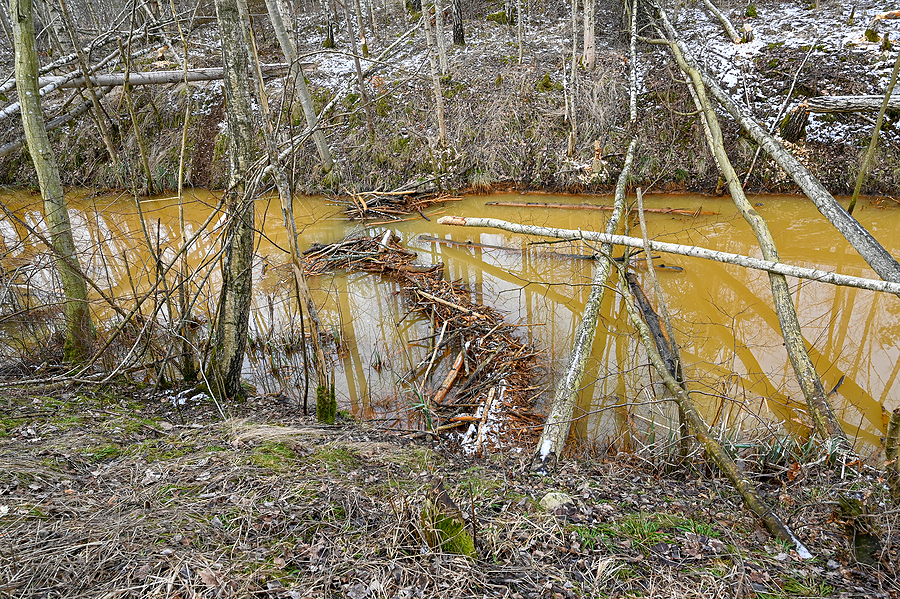
All You Need to Know about Beaver Removal and Control

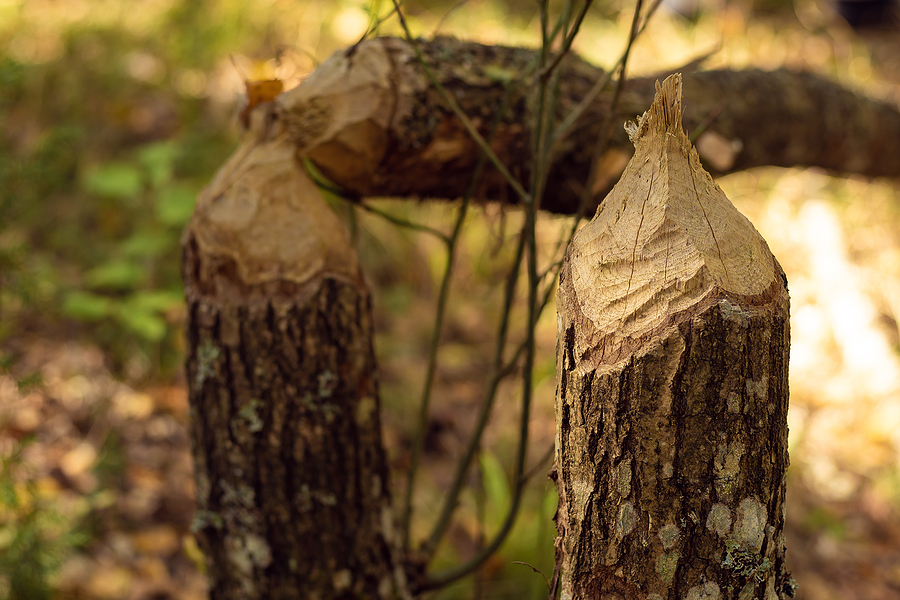
Beavers are one of the most destructive creatures in nature. They can cause serious damage to crops, trees, river banks, and other vegetation, as well as create flooding and foundation issues for homes and businesses. Even worse, they are known to steal telephone posts and cause internet connection disruptions in whole communities!

While beavers have their place in the environment, they can wreak havoc on your property if left unchecked. Fortunately, there are ways to remove and control beaver populations before any significant damage is done. In this blog, post we’ll discuss all you need to know about beaver removal and control so that you can keep your property safe from these pesky critters!

Call 615-337-9165 For Licensed Beaver Trapping and Removal in Indianapolis, Indiana.

Beaver Removal and Control 101

Beavers are unique, semi-aquatic animals with many interesting characteristics and behaviors. They are known as nature’s engineers because of their ability to build dams and lodges with trees, branches, stones, and mud. The U.S. Army Corps of Engineers reports show that a mere two beavers can devastate up to 400 trees per year to make their dams.

As for partnership, beavers tend to mate for life, often sharing the same lodge together; however, they can be territorial if resources or space become limited and will have to do some sort of dominance behavior between each other.

An interesting fact about beavers is that they will even manipulate their environment by changing the flow of water so they can build their dwellings near a calm stream. Beaver control methods include trapping beavers or using fencing material or concrete structures to keep them out of certain areas.

Top 3 Ways to Combat Nuisance Beaver Damage

Beaver Removal

In order to remove beavers from your property, you’ll need to take a few steps. The first step is to locate the source of the damage (i.e., where the beavers are nesting). Once you know where they’re located, you should hire a licensed and insured Indianapolis beaver trapper with decades of experience. Never attempt to trap them yourself nor poison them with toxic beaver repellents. Not only are these practices illegal under most jurisdictions, but they can be very unsafe for both you and the beavers.

Most wildlife removal companies use live traps that won’t harm the animals, then release them in a safe location away from your property. That is because beavers are ecologically important and should not be exterminated or harmed. Attempting to harm, trap, or kill beavers can lead to costly fines, court appearances, criminal charges, and similar legal penalties.

Beaver Control

Now that all of the beavers have been removed from your property, it’s important to take preventative measures against future damage. One way of doing this is by installing fencing around the perimeter of your property. This will help to keep beavers out and minimize any potential damage they might cause. Additionally, you can also make some critical landscaping modifications, like tree clearing.

Beavers rely heavily on tree bark as their prime source of sustenance, and they hold a special fondness for Willow and Cottonwood. However, Alder, Birch, Maple, Aspen, and Poplar are also among the trees that beavers love to feast upon. If you’re up for it, removing these species from your land can drastically reduce any potential beaver activity in the area.

Beaver Damage

The main issue when dealing with beavers is the destruction that they can cause on your property. From uprooting trees and eating crops, to building dams that create flooding issues, these creatures have no boundaries when it comes to what they can do. Therefore, it’s important to take preventive measures and remove any active colonies as soon as possible before significant damage is done.

Get Rid of Beavers For Good With These Tips!

By following all of the steps outlined above, you should now have a better understanding of how to go about removing and controlling beaver populations on your property. Hopefully this blog post has given you the knowledge needed to keep your land safe from these destructive creatures!

Are beavers becoming a nuisance around your residential or commercial property in Indiana? Contact Budget Animal Removal at 317-875-3099 for DNR licensed and insured beaver removal and control in Indianapolis, Indiana you can afford. Request a free estimate or advice, today!

Related Posts:

How to Safely and Effectively Control Beavers on Your Property
What You Need to Know About Beaver Dam Removal
Facts About Wildlife Control For Nuisance Muskrats

What Are the Most Common Signs of Bats in Your Home?

If you have bats living in your home, it can be a real nuisance. Bats carry diseases, and their droppings can cause health issues for humans and pets alike. Not to mention the noise they make at night! But before you panic about having bats in your house, there are some signs that indicate whether or not you have an infestation on your hands.

Here are the most common signs of bats in your home—and how to deal with them if they become a problem.

Call 615-337-9165  for Licensed and Insured Bat Removal Services in Nashville, TN.
Call 615-337-9165 for Licensed and Insured Bat Removal Services in Nashville, TN.

Common Signs of Bats in the House

Bat Sounds

The first and most obvious sign of bats in your house is hearing them. Bats tend to be relatively loud creatures, so if you’re hearing squeaks and chirps coming from the attic or walls around dusk, you may have a bat problem. If this is the case, it’s important to take steps to remove them as soon as possible—bats can reproduce quickly and create an even bigger issue.

Urine Stains

Another tell-tale sign that bats are living in your home is noticing droppings or urine around the outside of your house or in your attic. Bat droppings are generally dark brown and crumble easily when touched. If you notice any of these signs near where bats might be living, you should call a bat removal specialist right away.

Guano

Finally, a third sign of bats in your home is the presence of guano (bat droppings) on windowsills or around air vents where bats could be entering and exiting your home. Guano is generally black or greenish-black in color and has a strong smell that can be identified from a distance. Once again, it’s best to call an expert for bat removal if you think this may be the case.

What To Do if You Have Bats in the House

If you notice any of these signs in your home, don’t panic! There are many ways to deal with a bat infestation safely and humanely. A qualified bat removal company in Nashville should be able to come out and assess the situation, determine which type of bat is living in your home, and recommend the best course of action for removal. Don’t wait too long—bats can reproduce quickly and cause more damage if left unchecked. Take action now to keep your home bat-free!

Get rid of bats fast with the help of our licensed and insured wildlife control operators. Contact us at 615-337-9165 for TWRA licensed and insured Nashville, TN critter control you can trust. We serve commercial clients, too!  

Related Posts:

Common Signs That You Have Bats in the Attic
2 Zoonotic Bat Diseases That Can Be Spread to Humans and Pets
Are You Searching for Nashville Tennessee Critter Control?

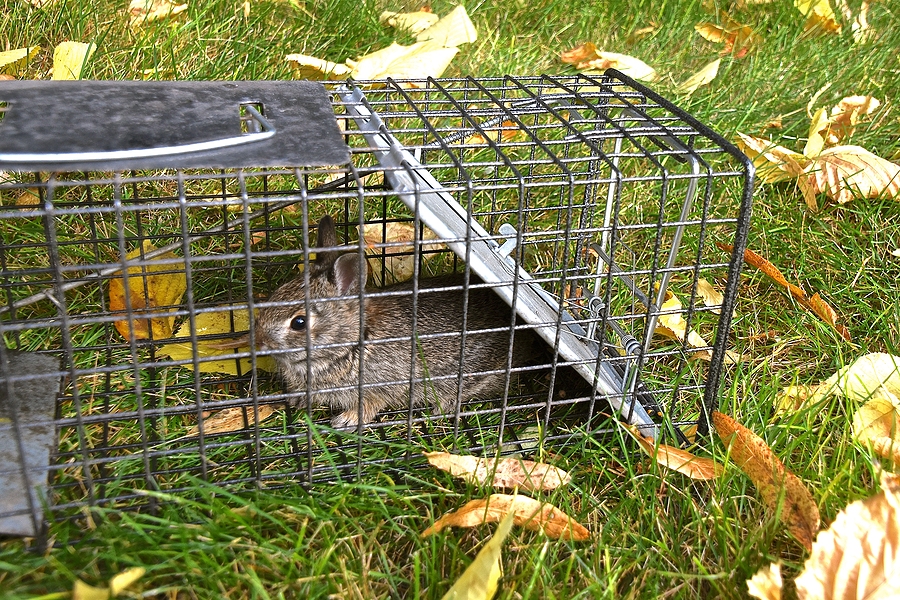
Safe Ways to Humanely Control Rabbit Populations

Rabbits are adorable, but they can also cause a lot of damage to gardens, crops, and other areas. If you’ve noticed an increase in rabbit populations on your property, it’s important to take action immediately.  However, the most effective way of controlling rabbit populations is humanely and safely.

In this blog post, we will discuss some of the safe ways you can humanely control rabbit populations around your home or business. We will cover topics such as using repellents and traps as well as hiring professional companies for removal services. By taking these steps now, you can prevent costly damage from occurring later on down the road!

Call 317-875-3099 for Licensed and Insured Rabbit Removal Service in Indianapolis Indiana

Safe and Humane Rabbit Control Methods

Rabbit Repellent

One of the most popular and effective ways to humanely control rabbit populations is using a repellent. Rabbit repellents are available in both liquid and granular form, and they do not harm the rabbits but rather just make them feel uncomfortable. Liquid repellents are typically sprayed along fence lines or around gardens and other areas where you’ve noticed an influx of rabbit activity. Granular repellents can be scattered in small piles near rabbit burrows to keep them away from your property.

You can also make homemade rabbit deterrents using a combination of putrescent egg, cayenne, and menthol oil. You can also plant marigolds and cucumbers around your gardens; rabbits do not like the tactile feeling of the stems and leaves.

Rabbit Trapping

Traps are also an option for those who need to remove rabbits that have already found their way onto your property. Humane traps like Havahart® capture rabbits without harming them and allow you to relocate them far away from your property. When setting up a trap, make sure to use some bait such as carrots or apples to attract the rabbit – this will help ensure that you capture the right animal.

Professional Rabbit Removal and Control

If you’re dealing with a large infestation of rabbits, it may be best to hire a professional wildlife control company for rabbit removal and rabbit-proofing services. Here at Budget Animal Removal, we use humane traps and employ highly experienced professionals who deliver safe and effective ways to remove rabbits from your property. We also offer additional services, such as rabbit repellent application and animal damage restoration.

Get Rid of Rabbits Before They Do Too Much Damage

By taking these steps now, you can safely and humanely control rabbit populations around your home or business. Doing so will prevent costly damage from occurring later on down the road! Remember: always handle any trapped animals carefully and try to avoid contact with them as much as possible. And, of course, never attempt to harm or kill a rabbit – this is cruel and illegal in Indiana! With the right knowledge and precautions, you can keep your property safe from pesky rabbits while still treating them humanely.

Are you still concerned about the nuisance rabbit population around your home or business? Contact Budget Animal Removal at 317-875-3099 for DNR licensed and insured rabbit removal and control in Indianapolis, Indiana and surrounding counties. Request a free estimate or advice, today!

Related Posts:

How to Stop Rabbits From Damaging Your Trees and Shrubs
Non-Toxic Repellent Recipe for Nuisance Wildlife
What to Consider When Hiring an Indiana Wildlife Control Company

Don’t Let Moles Ruin Your Yard – How to Protect It

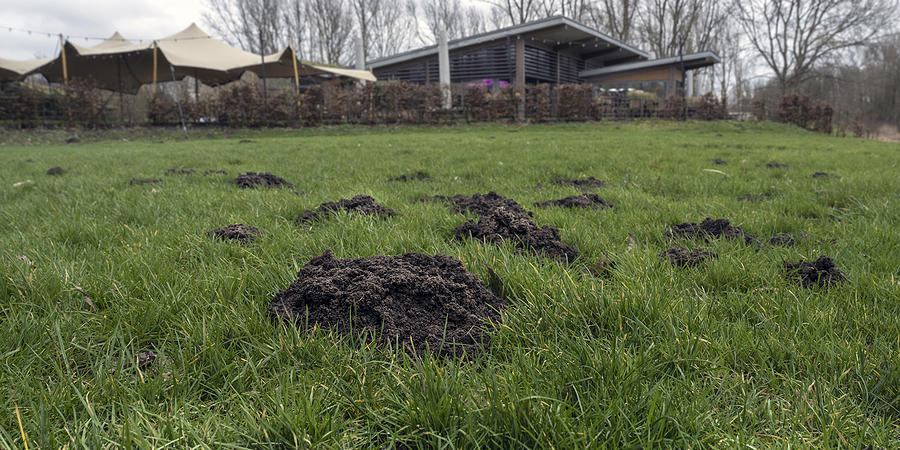
Moles are a common yard nuisance that can cause serious damage to the lawn and garden. They dig underground tunnels, create mounds of dirt, and eat plants and roots. If you have noticed mole activity in your lawn, it’s important to take action right away before the problem gets out of hand.

In this blog post, we will cover some methods for yard mole removal as well as tips on how to prevent them from coming back in the future. With these helpful strategies, you can keep your yard looking its best without having to worry about pesky moles ruining it!

Call 317-875-3099 to Speak With Our Yard Mole Trappers in Indianapolis Indiana

The 101 on How to Get Rid of Yard Moles

One of the best ways to get rid of moles in your yard is with mole control products. There are a variety of mole repellents and baits available that can be used to drive them away or even kill them if necessary. These products will often come as granules, gels, sprays, and traps, so you should have no problem finding the right solution for your specific needs. Just be sure to read all instructions carefully and always use these products according to the manufacturer’s guidelines.

Also check with your local laws and regulations that pertain to wildlife control repellents. You do not want to use anything that can be toxic to non-target wildlife, surrounding flora, bodies of water, and so forth. Only a trained professional has the knowledge and experience to properly implement mole extermination repellents of those kinds.

Mole Traps and Devices

A second option for getting rid of moles is using live trapping methods. This involves setting up traps around areas where you have noticed mole activity and waiting until they enter one before removing it from the area. If you do not feel comfortable handling the traps yourself, there are also services available that specialize in mole trapping and removal.

Mole Proofing

While mole control products and live trapping can be effective for getting rid of moles from your yard, it is important to take preventative measures as well. Keeping food sources out of reach, like pet food bowls or bird feeders, is a good way to discourage these pests from entering your yard in the first place. You should also regularly check for signs of mole activity such as raised soil mounds and tunnels so you can take action quickly if necessary. Finally, make sure to keep vegetation trimmed away from pathways and entrances where moles could potentially gain access to your property.

Year-Round Lawn Protection Against Moles

By following these simple critter control tips for moles, you can help protect your yard from these pests and make sure it stays looking its best year-round. If you have any questions or would like more information on how to get rid of yard moles, please don’t hesitate to reach out to us!

Ready to get rid of moles with the help of some highly trained and experienced wildlife control professionals? Here at Budget Animal Removal, our licensed and insured mole trappers are fully-equipped and prepared to help residential and commercial customers with effective yard mole removal and control solutions. Contact us at 317-875-3099 today for a free quote or to set up an on-site walk through.

Related Posts:

How Stop Yard Mole Damage to Your Lawn
The 3 Most Common Yard Mole Species in the United States
Will Grub Pest Control Get Rid of Yard Moles?

How to Identify a Woodchuck in Your Backyard

Woodchucks, more commonly known as groundhogs, are a common sight in many backyards across Tennessee. These large, squirrel-like rodents can cause damage to lawns, gardens, decking, and similar yard features if left unchecked, so it’s important to be able to identify them quickly and accurately.

In this blog post, we’ll discuss how to identify a groundhog living in your backyard and what steps you should take for effective groundhog control. We will also provide some tips on how to keep these critters away from your property in the future. With this information, you’ll be well-equipped with everything you need to know about woodchucks!

Scroll down to get started!

Call 615-337-9165 For Licensed Woodchuck Removal and Control in Nashville, Tennessee.

What You Need to Know About Woodchucks

Woodchuck Classification

The groundhog, or woodchuck, is scientifically known as Marmota monax. They are a rodent from the family of Sciuridae, and they belong to the group of large ground squirrels called marmots. So yes, woodchucks are indeed a type of rodent.

Woodchuck Features

Woodchucks are easily recognizable due to their stout and heavy body, short legs, and black-tipped ears. They range from 16-20 inches in length and typically weigh between 4-15 pounds when fully grown. They’re usually brown or gray in color with white patches on their throat and chest area.

Woodchuck Damage

Another way to identify groundhogs is by the type of damage they cause. These critters love to dig burrows near properties and are notorious for damaging fences, flower beds, gardens, and even foundations! If you find any suspicious tunnels around your yard or property, it’s a sure sign that woodchucks have taken up residence there.

Woodchuck Removal and Control  

For woodchuck control, the best thing to do is to remove them from your property, as woodchucks can cause a lot of damage if left unchecked. Trapping and relocation are the most effective methods for groundhog control. However, it’s important to be aware that groundhogs are protected in some states and trapping without a valid permit may result in legal consequences.

Animal Proofing

Finally, there are certain prevention measures you can take to help keep woodchucks away from your backyard. Properly maintaining fences and walls around properties can help discourage groundhogs from taking up residency on your land. Additionally, removing woodpiles or fallen trees near the perimeter of your property will make it much less attractive to groundhogs looking for shelter and food sources. 

Critter Control for Groundhogs

Identifying groundhogs and understanding the steps for woodchuck control can help you keep your backyard safe from their threats. With these critter control tips in mind, you’ll be able to recognize woodchucks quickly and efficiently, as well as take the necessary steps to keep them away from your property for good!

Hopefully this blog post has helped provide useful information on groundhog identification and groundhog control methods. If you have any questions or concerns related to groundhogs in your area, contact Budget Animal Removal at 615-337-9165 for TWRA licensed and insured Nashville, Tennessee animal removal for woodchucks and more.

Related Posts:

Are Woodchucks and Groundhogs the Same Species?
What You Need to Know About Beaver Dam Removal
What You Need to Do to Get Rid of Muskrats on Your Property

How to Deter Foxes from Your Property

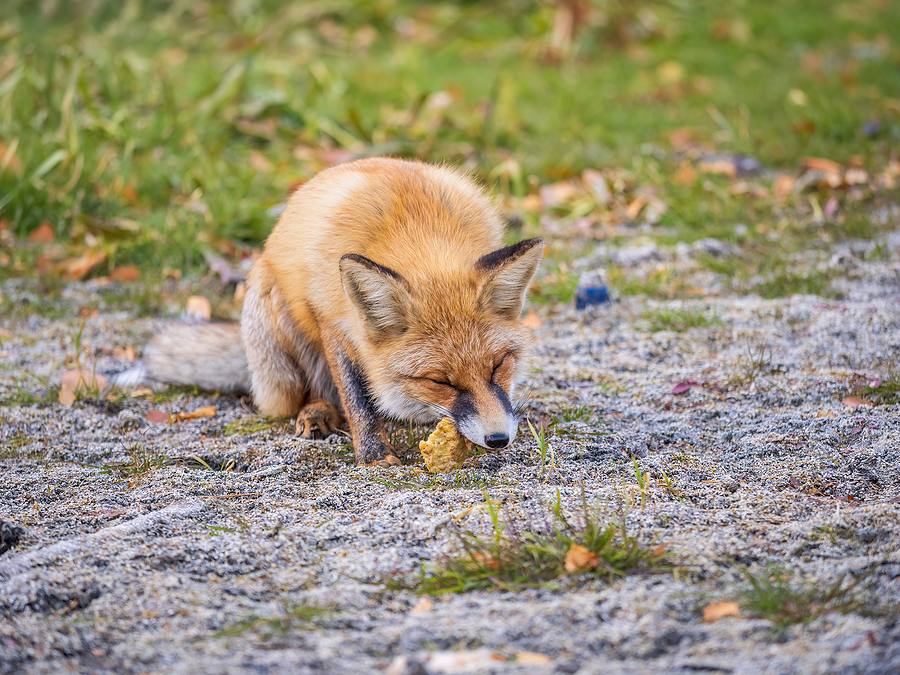
Do foxes keep visiting your property? Do you want to get rid of them but don’t know how? If so, you’re in the right place! In this blog post, we will discuss some key tips on how to deter foxes from your property. Fox control and removal can be difficult and time-consuming if done incorrectly. That is why it is important to understand how best to go about getting rid of foxes for good. From understanding their habits to implementing deterrents such as fencing or sound devices, there are various ways that you can effectively deter foxes from your home and garden.

Read on for our top tips on how to successfully remove foxes from your property!

Call 317-875-3099 for Licensed and Insured Fox Control in Indianapolis Indiana.

Get Rid of Foxes With These Safe Methods

1. Understand Fox Habits – The first and most important key to successful fox control is understanding their habits and behaviors. Knowing when they are active, where they like to hide, what foods attract them, and how far away from your property they travel will all help you determine the best way to deter foxes away from your home. 

2. Remove Food Sources – Foxes are mainly attracted to food sources, so it is important to remove any potential food sources around your property. Make sure pet food dishes are stored away and keep garbage cans covered and secure at all times. It is also recommended that bird feeders be kept away from the house as well, since foxes are attracted to the seeds.

3. Install Fencing – Installing a tall fence with a good height and width can be an effective way to deter foxes from your property. The fence should be at least 8 feet tall and made of metal or wood for best results. Be sure to also bury the bottom foot of the fence 6-12 inches underground to create a fox-proof barrier.

4. Set Up Sound Devices – Foxes are scared of loud noises and sound devices can be used as another effective way to deter foxes away from your property. Setting up motion activated sound devices or ultrasonic noise makers in areas around your home can help keep foxes away.

5. Use Ammonia – Another way to deter foxes is by using ammonia. Place some around the perimeter of your property, as the smell can be very off-putting for foxes and other animals alike. However, be wary of where you are placing it as ammonia can also harm pets and wild birds if consumed in large quantities.

Trust a Licensed Wildlife Control Operator for Help With Fox Control

By following these simple steps, you can effectively deter foxes from your property and get rid of them for good. Fox control and removal may take some time and effort, but it will be worth it in the end when your home is free from foxes! 

Are foxes becoming a nuisance around your residential or commercial property in Indiana? Contact Budget Animal Removal at 317-875-3099 for DNR licensed and insured fox removal and control in Indianapolis and its surrounding counties. Request a free estimate or advice, today!

Related Posts:

This Odd Critter Control Ingredient Will Get Rid of Foxes
Tips for Getting Rid of Foxes in Indiana
What to Do About Nuisance Coyotes in Indiana

Keeping Pets Safe from Wild Coyotes: A Comprehensive Guide

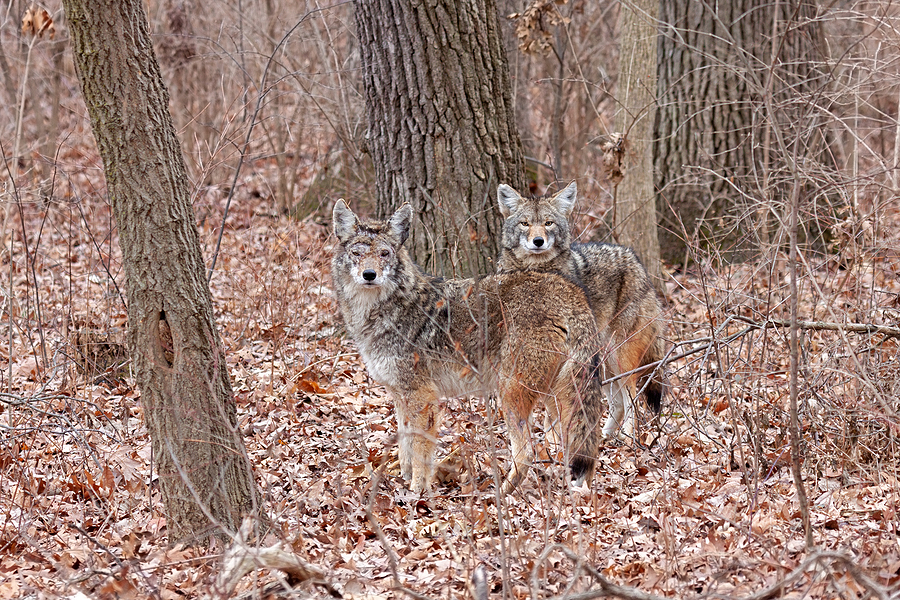
Coyotes are one of the most common wild animals that we encounter in our daily lives. They can be found roaming through urban and suburban neighborhoods, as well as rural areas all across North America. While coyotes may look cute and harmless, they can pose a serious threat to our pets if left unchecked.

In this comprehensive guide, we’ll provide you with practical advice on how to keep your pet safe from coyotes and what steps should be taken if an attack does occur. We’ll also discuss effective coyote control methods such as trapping, exclusion fencing, removal services, and more so that you can confidently protect your furry friends from these potentially dangerous predators.

So, continue reading to learn more about keeping your pets safe from wild coyotes!

Call 317-875-3099 for Licensed and Insured Coyote Control in Indianapolis Indiana.

How to Protect Pets From Coyotes

The first step to keeping your pet safe from coyotes is to make sure you are aware of their presence in your area. While coyotes can be found across Indiana, they tend to stick close to their natural habitat such as forests and remote meadows. However, they may also wander into subdivisions or other suburban neighborhoods looking for food or simply to explore. If you have seen coyotes near your home, it is important to take steps to protect your pet from them.

The next step is to ensure that you are taking the necessary precautions when letting your pet outside. Keep pets on a leash and under direct supervision (if possible) when outdoors and avoid leaving them unattended for extended periods of time. Additionally, make sure that your pet’s vaccinations are up-to-date to help prevent any infections or illnesses in the event of an attack.

Coming Face to Face With a Coyote

If you do encounter a coyote while out and about with your pet, it’s important to remain calm and try not to startle the animal. Speak in a low, firm voice and slowly back away to put distance between you and the coyote. Do not turn your back on the animal or attempt to run away from it since this may encourage aggressive behavior.

Advanced Coyote Control Strategies

For more serious coyote issues, there are a variety of coyote control options available. Trapping is one of the most effective methods for removing coyotes from an area, as it allows you to capture the animal and safely relocate it away from your home. Other coyote control methods include exclusion fencing, removal services, and shooting (in some cases). It’s important to remember that these techniques should only be used in extreme cases, as they can be dangerous if not done correctly.

Professional Coyote Management in Indiana

We hope this guide has provided you with the information and resources you need to keep your pet safe from wild coyotes. With a little vigilance and safety measures, you can protect your furry friends and enjoy spending time outdoors without fear of an attack. For more information on coyote control, removal services, or other wildlife management solutions, contact an Indianapolis coyote removal and control specialist for advice. With their help, you can keep your pet safe from wild coyotes and ensure a safe and enjoyable outdoor experience for everyone!

Are nuisance coyotes coming too close for comfort near your Indiana property? Contact Budget Animal Removal at 317-875-3099 for fast and affordable animal removal and control services to get rid of coyotes in Indianapolis, Indiana and its surrounding counties. Request a free estimate or advice, today!

Related Posts:

How to Tell a Stray Dog From a Coyote
What to Do About Nuisance Coyotes in Indiana
How to Protect Your Pets From Predator Birds

How to Safely and Effectively Control Beavers on Your Property

Are you looking to protect your property from beavers? Beavers are a common nuisance in many areas of Tennessee, as they can cause flooding and damage to trees. Fortunately, there are several ways to effectively control beavers without harming them or the environment. In this blog post, we’ll cover the best methods for safely and effectively controlling beavers on your property. We’ll discuss strategies like using fencing and repellents, removing dams, trapping, and more – all of which will help you keep your property safe from these pesky critters!

Call 317-875-3099 for Licensed and Insured Beaver Control in Nashville Tennessee.

Ecological Importance of Local Beaver Populations

Beavers are important for their role in maintaining healthy ecosystems. They create beaver dams, which provide a number of benefits. These dams lead to the formation of wetlands, which act as natural filters, trapping sediment and improving water quality. Beaver dams also cause flood control by slowing the flow of rivers and streams and reducing erosion through the creation of deep pools that filter contaminated runoff.

As beavers build up their reservoirs of resources, they also provide habitat for many species and open up previously inaccessible areas for feeding opportunities. Beaver control, when properly managed, can be an effective tool for environmental management as beavers are critical dynamic players in local ecosystems.

Top 4 Strategies for Safe and Humane Beaver Management

Fencing: A fence is one of the best ways to keep beavers off your property. You’ll want to build a sturdy fence that can extend at least four feet underground and eight feet above ground. This will help ensure that beavers can’t get in or out, while also preventing them from damaging anything on your property.

Repellents: Repellents are another great way to keep beavers away from your property. You can purchase repellents at most hardware stores, and they’re typically made of ingredients like capsaicin, garlic oil, or predator urine – all of which beavers will find unpleasant! Be sure to follow the manufacturer’s instructions carefully when applying any repellents.

Dam Removal: Dam removal is an effective way to control beavers on your property. Beavers build dams to create deep pools of water for swimming, so if you can remove these dams, it will make the environment less inviting for them. To do this, you’ll need to hire a professional to safely and effectively remove the dam.

Trapping: Trapping is another option for controlling beavers on your property, though you should always check with your local Tennessee wildlife agency before attempting it. A professional Nashville beaver trapper can use either snares or traps to capture beavers alive, which will then be relocated away from your property.

Get Rid of Beavers With Effect Control Strategies

These are just a few of the best methods for safely and effectively controlling beavers on your Tennessee property. Remember, beaver control is essential to protect your home or business from damage – so take the time to explore these options and find the one that works best for you! With a little bit of effort, you’ll be able to keep beavers away from your property for good!

If you’re struggling with a beaver tampering on your Tennessee property, it’s important to take action and do so in a safe manner. Contact Budget Animal Removal at 615-337-9165 for TWRA licensed and insured beaver control in Nashville, Tennessee and its surrounding counties. We serve residential and commercial clients, as well as municipal properties.

Related Posts:

What You Need to Know About Beaver Dam Removal
Are Woodchucks and Groundhogs the Same Species?
Common Household Ingredients That Will Repel Nuisance Wildlife

Tips for Dealing with Raccoons this Winter Season

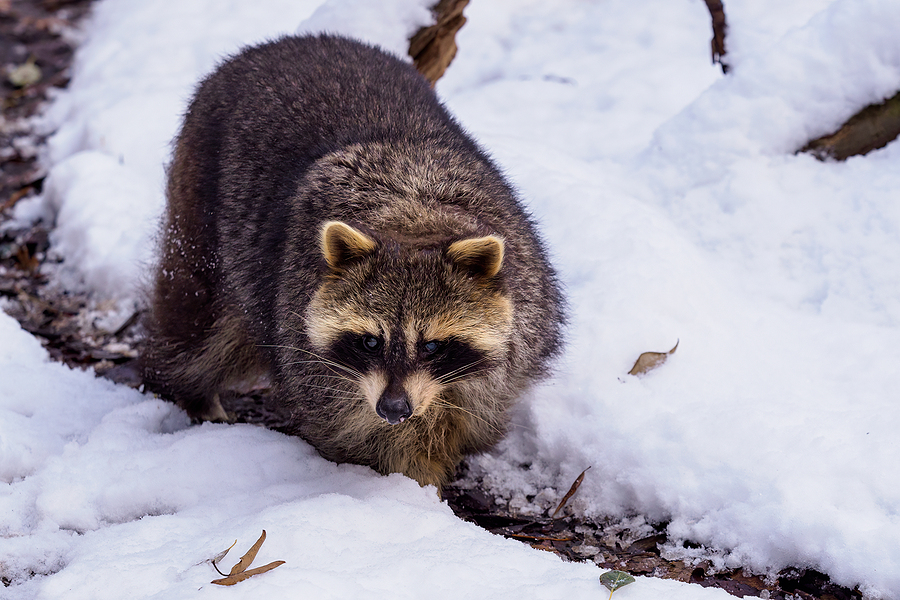
As winter bellows on, many homeowners are starting to worry about the potential for raccoons in their attics and other living spaces. Raccoon infestations can be a huge nuisance and even dangerous if not dealt with properly. Fortunately, there are steps you can take to minimize your chances of having an issue with raccoons this winter season.

In this blog post, we’ll cover some tips on how to prevent or get rid of raccoon problems in and around your home. We’ll discuss things like proper garbage disposal techniques, exclusion methods, trapping and more so that you can keep raccoons away from your property all year-round!

For Raccoon Control in Indianapolis, Call 317-875-3099 Today!

Garbage Security

One of the best ways to prevent raccoon problems is to keep your garbage contained and secured. Raccoons are attracted to sources of food, so make sure that you are not providing them with a free meal in the form of an easily accessible trash can or compost bin. Securely fasten lids on all containers and use bungee cords, if necessary, to make sure that raccoons can’t get into your garbage.

Sealing and Repair

Another way to deter raccoons is to deny them access to the area around your home. If there are gaps or holes in attics, soffit areas or other living spaces, it makes it easy for a raccoon to gain entry. Seal off any potential entry points with heavy-duty mesh or hardware cloth and make sure to caulk all cracks and crevices. Additionally, always make sure that your pet doors are securely fastened when not in use.

Non-Toxic Repellent

If you’re looking for an effective way to keep raccoons out of your yard without risking any damage or harm, consider investing in a non-toxic raccoon control product. Such products utilize natural materials like pungent herbs and sprays that feature citronella oils or vinegar that help keep raccoons away without causing harm to the animals. They also help deter other problematic critters such as mice, skunks, and rabbits.

Professional Raccoon Control Service

Finally, if all else fails, contact a licensed pest control professional who can help determine the best course of action for your raccoon problem. They can provide advice on how to deal with the situation and implement an appropriate removal or control program.

Stay on Top of Winter Raccoon Control

Following these simple tips can help you prevent or get rid of raccoons this winter season. Remember, proper garbage disposal techniques, exclusion methods, trapping and professional help are all viable options when it comes to raccoon control. Stay safe and keep these tips in mind for dealing with raccoons this winter season.

Are raccoons becoming a nuisance around your residential or commercial property in Indiana? Contact Budget Animal Removal at 317-875-3099 for DNR licensed and insured raccoon removal and control in Indianapolis and its surrounding counties. Request a free estimate or advice, today!

Related Posts:

Top Recommended Raccoon-Proofing Strategies
Non-Toxic Repellent Recipe for Nuisance Wildlife
Should I Be Afraid of Wild Raccoons on My Property?