How to Stop Raccoons From Digging Up Your Potted Plants

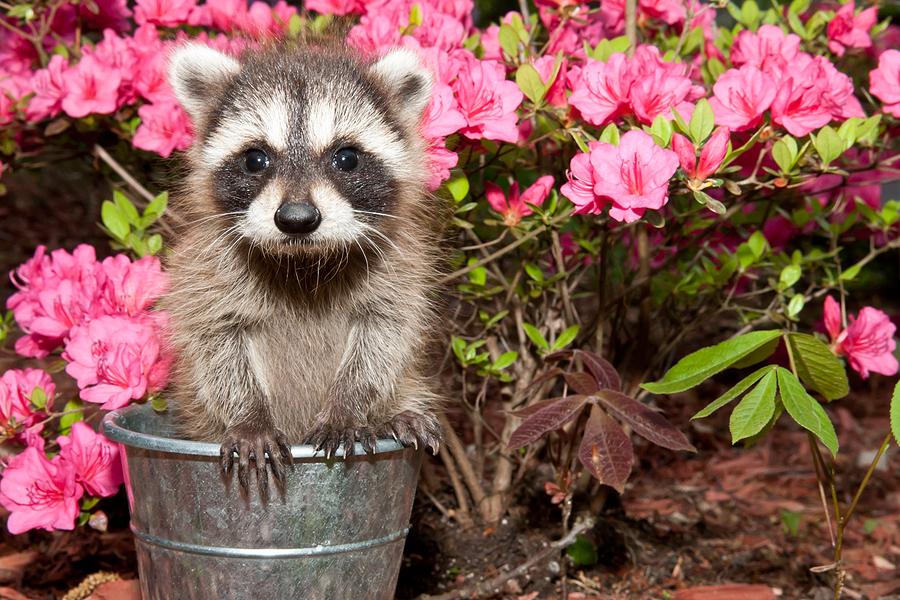
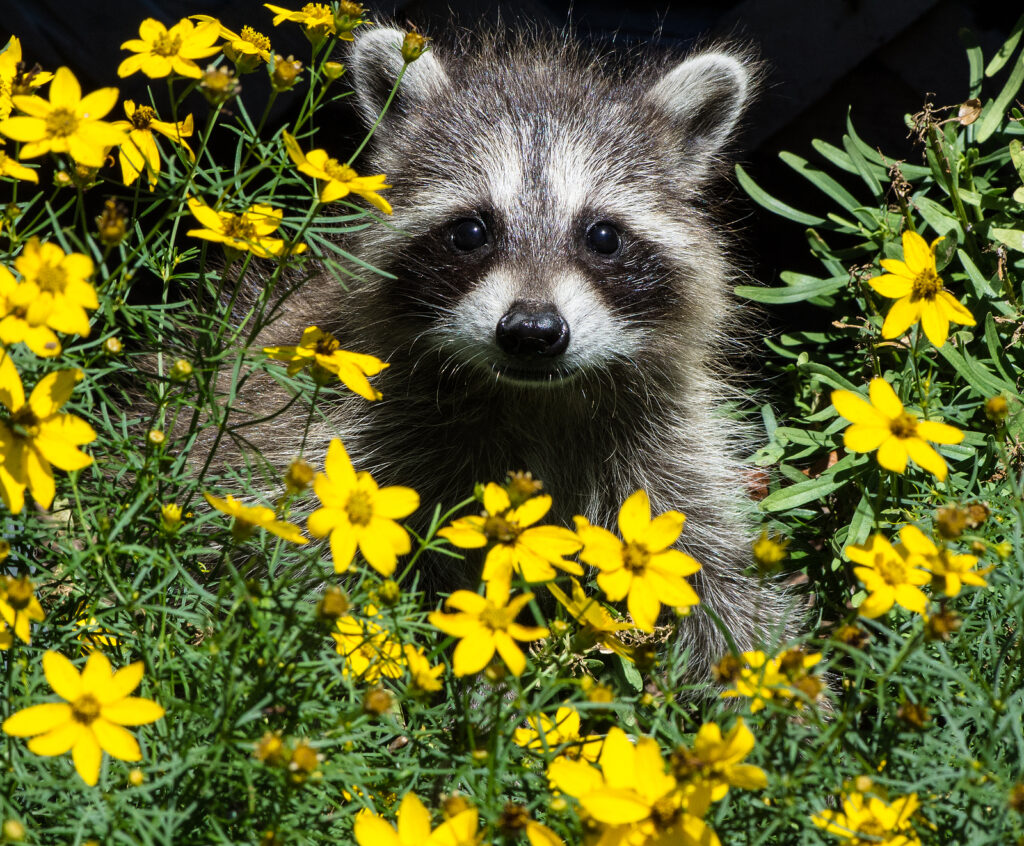
Raccoons are hungrier than your typical omnivore. As notorious opportunistic eaters, coons will eat almost anything, and will go to great lengths to get what they want. Dumpsters, garbage cans, pet dishes, gardens, fruit trees, and even garage refrigerators are common meal tickets for raccoons. Being that it is nearly summer, raccoons are relishing in all the new flora available to them. As a result, many homeowners are finding their precious, carefully-curated garden containers and potted plants pillaged night after night. If this is happening to your plants, you can likely blame local raccoons.

Continue reading to learn how to stop raccoons from digging up your potted plants, plus some additional animal-proofing tips that will benefit you year-round.
Get Rid of Raccoons Indianapolis Indiana 317-875-3099

Raccoons are an Omnivorous Species

The challenge with nuisance raccoon activity is the fact that it generally takes place at night, so all you see is the mess they leave behind in the morning. Raccoons are omnivorous, meaning they eat both meat and plant matter, including insects, fish, small lizards, small birds, eggs, fruit, vegetables, legumes, seeds, nuts, fungi, and more.

If you are growing something that is deemed tasty to a raccoon, which is basically anything edible aside from hot peppers—even if you have just planted fresh seeds, you can expect hungry raccoons to sniff them out. And they will not hesitate to yank plants and bulbs right out of the pot! You see, raccoons have an advantage with this because they are equipped with human-like paws that are very dexterous. They can dig, grip, maneuver, and pull plants easier than we can!

Inedible Plants are Still Attractive to Raccoons

Even if you are growing something that is not meant to be consumed, or a plant that raccoons hate, like hot peppers, menthol, and eucalyptus, they might still dig for it. This is because the enriched soil your flowers are planted in contains juicy grubs that raccoons eat like popcorn. They can smell these grubs and will track them down by pulling out your flowers and digging through the soil. Fortunately, there are ways to prevent raccoons from destroying all your potted masterpieces.

How to Raccoon-Proof Your Yard

To prevent raccoons from pillaging your potted plants, plus avoid attracting more nuisance wildlife to your property, you need to secure some boundaries. Start by moving all of your potted plants indoors at night, then returning them to their designated space in the morning. Raccoons are intelligent, and they will pick up on the fact that their favorite snacks are no longer available on your property.

You can also think about installing a chicken wire or a temporary fence to keep your pots and plants behind at night. Other ways to prevent raccoons from entering your property is to remove all water and food sources, including bird baths, fountains, pet food, squirrel feeders, and garbage cans. Be sure to also caulk all crevices and gaps in roof shingles, windows, under patios, and decks.

Are you looking for a more professional and advanced approach to long-term raccoon control? Contact Budget Animal Removal at 317-875-3099 to get rid of raccoons in Indianapolis, Indiana at a price you can afford. We serve residential and commercial clients.

Related Posts:

Should I Be Afraid of Wild Raccoons on My Property?
Advice That Will Keep Pesky Raccoons Out of Your Garbage
Non-Toxic Repellent Recipe for Nuisance Wildlife
How to Tell a Stray Dog From a Coyote

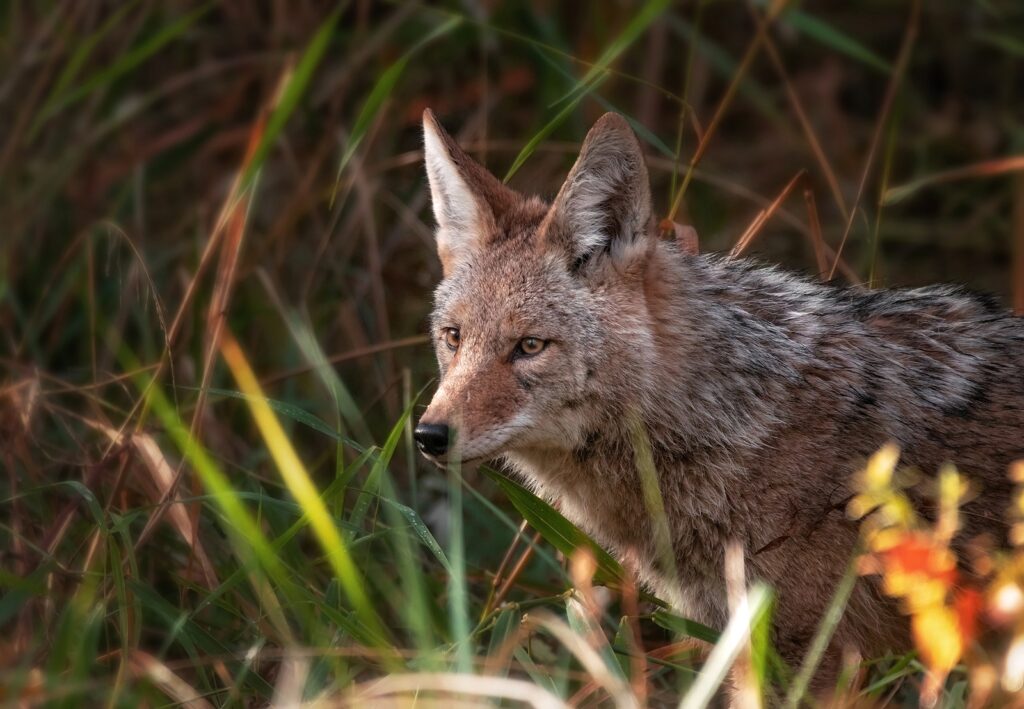
Coyotes are very common throughout Central Indiana, in both rural and urban areas. Keep this in mind the next time you bend down to pet that wandering canine in your community. In cases like this, always be sure that the canine is not, in fact, a coyote. Although coyotes have a natural fear of humans, they are still primitive and predatory, which means they are capable of attacking you. Not only can a coyote attack serious injure or maim a person or pet, but it can also transmit a plethora of infectious diseases, such as Rabies.

If you live in an area where coyote sightings are common, it is wise to learn exactly what one looks like so that you can always tell the difference. Continue reading to learn a basic physical description of a coyote, and what you can do if they are a nuisance animal around your property.

Coyote Control Indianapolis Indiana 317-875-3099

Facts About Coyotes

As members of the Canidae family, both dogs and coyotes can easily resemble one another. Fortunately, the common coyote spotted here in Indiana have distinct features and behaviors that will allow you to easily tell the difference between them and domesticated dogs.

At first look, coyotes are covered in dense, thick fur, very similar to a dog’s coat, covering the neck and belly in full. The color of the fur coat is usually grayish-brown, but can vary between a light and dark gray, or warmer hues of brown.

In terms of size, coyotes tend to be slender and tall. Their fur makes them look much stockier than they really are. When fully grown, males can reach an average of 18 to 44 pounds, while females can grow to an average of 15 to 40 pounds.

Their faces are predator in style, with ears that point straight up and snouts that are slender and long. When they run or walk briskly, they carry their tails at the same level of their backs or lower. Dogs, and even gray wolves, carry their tails horizontally or vertically when running.

Coyotes are not necessarily nocturnal, but they are most active during sunset and sunrise, when people are usually not around. They are most populated in areas where there is an abundant source of food, water, and safe shelter. In countryside areas, they usually maintain an 8 to 12 square mile range. In urban areas they stay with a 2 to 5 mile range on average.

Breeding season in in late January, making March a time for newborn pups. Females generally give birth to more than one pup, usually between 4 and 7. They all stay in a den together until Fall, when pups emerge and care for themselves.

When coyotes are not scavenging on garbage and compost piles, they keep a carnivorous diet in nature. Their diet commonly consists of mice, voles, shrews, rabbits, hares, and squirrels. It may also include small amphibians, fish, insects, fruits, and seeds.

How to Get Rid of Coyotes in Indiana

If your property has a moderate to high level of coyote activity, it may be in your best interest to implement some safe and humane measures to protect your property and your loved ones, including your pets. Contact a local and trusted Indianapolis critter control company for prompt and professional coyote removal and control.

Do you have coyotes disturbing your property? Are they getting too close for comfort? Contact Budget Animal Removal at 317-875-3099 for professional coyote control in Indianapolis, Indiana. We provide residential and commercial services at the most competitive prices around.

Related Posts:

What to Do About Nuisance Coyotes in Indiana
Non-Toxic Repellent Recipe for Nuisance Wildlife
How to Protect Your Pets From Predator Birds

What You Need to Do to Get Rid of Muskrats on Your Property

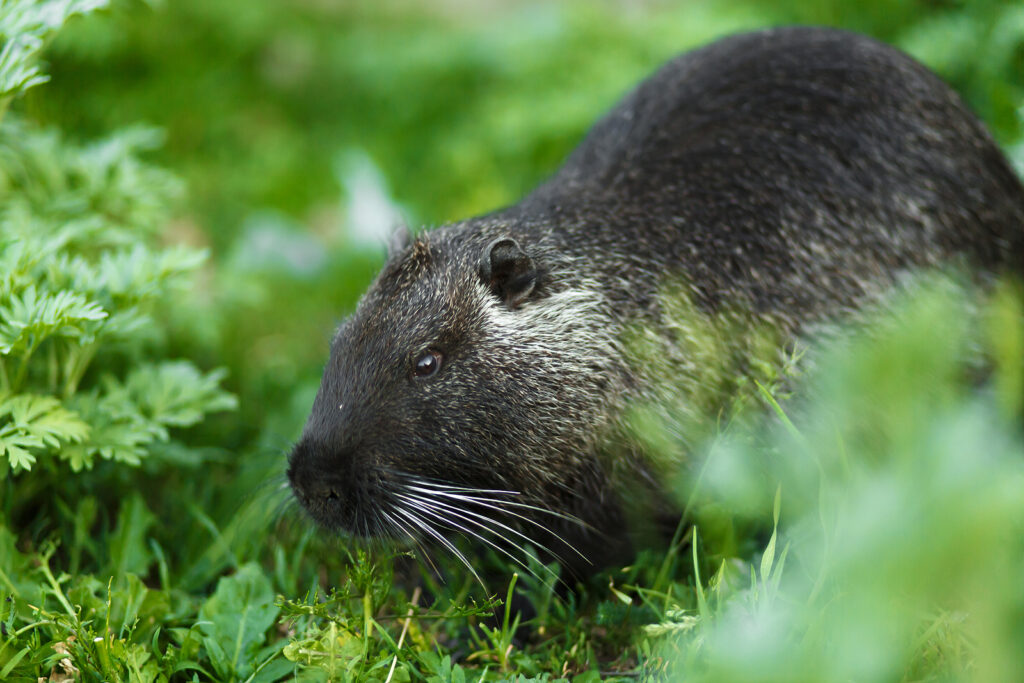
You live on a stream, lake, river, pond, or creek; don’t you? Otherwise, you wouldn’t have a nuisance muskrat problem on your hands. Muskrats are semi-aquatic rodents that maintain habitats near bodies of water, posing all sorts of problems for property owners. Muskrats can cause a lot of aesthetic and structural damages to lawns, foundations, hardscapes, landscaping, pools, decking, bodies of water, and more.

If you are currently dealing with nuisance muskrats, continue reading to learn what you need to do to get rid of muskrats on your property. Landscaping,

Muskrat Removal Nashville Tennessee 317-875-3099

Critter Control Information for Muskrats

Why do you muskrats on your property? It is because your property has something to offer them. All nuisance wild for after two things: food and shelter. If your property is providing one or both of these amenities, then there is your answer. But this is good news! By knowing why muskrats are in your property, you can better divert their activity away from it. Just keep in mind that it is very important to use safe and humane critter control strategies to get rid of muskrats. Under no circumstances should you ever attempt to harm or kill any species of wildlife.

Tips for Getting Rid of Muskrats

Muskrat trapping and environmental modifications are the top two most effective strategies for muskrat removal and control. Although you cannot remove the water source from your property nor the terrestrial crops that grow around it, you can implement certain strategies that will keep muskrats away, nonetheless.

Environmental modification is your go-to method of muskrat critter control. But first, you need to extract the existing muskrats from your property and have them relocated to a faraway habitat that will be safe for them to carry out the remainder of their lives. A licensed and insured wildlife removal and control company is the only source that can provide the service.

Never attempt to trap and relocate a muskrat on your own. There may be laws in your jurisdiction that protect wildlife from public intervention. If you are caught, you could face serious fines in penalties. Now comes changing the property. This is exactly what environmental modification involves. You can set up a barricade for your water source by installing fencing or animal repellent around the perimeter.

Muskrat Animal Repellent Recipe You Can Make Yourself

½ Cup Capsaicin Oil
□ ½ Cup Putrescent Egg
□ 10-20 Drops Menthol Essential Oil
□ 10-20 Drops Castor Oil

▶ Mix into a plastic spray bottle filled with clean water. Spray the repellent around the perimeter of known muskrat territory. Keep pets and children away from treated areas.

Would you be interested in professional assistance with your muskrat problem? Contact Budget Animal Removal at 615-337-9165 for TWRA licensed and insured Nashville, Tennessee animal removal for muskrats and more. We serve commercial clients, too!

Related Posts:

How to Protect Your House From Nuisance Wildlife in Tennessee
Common Household Ingredients That Will Repel Nuisance Wildlife
Top 3 Signs That There is a Dead Animal Close By

3 Steps to Safe and Humane Groundhog Control

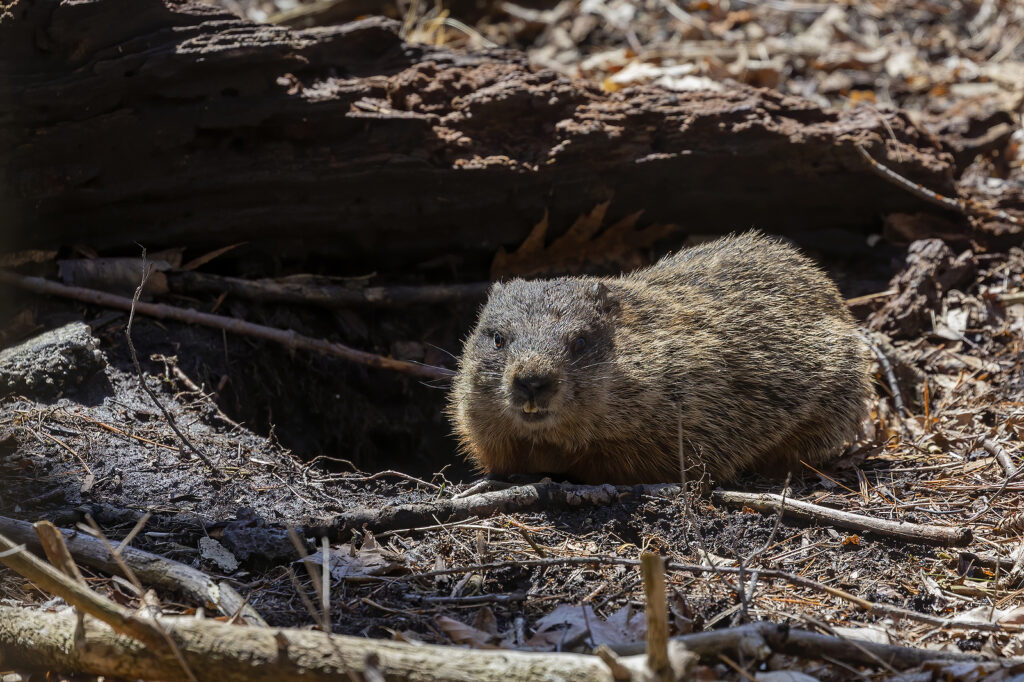
Whether you call them groundhogs or woodchucks, these thrifty critters are commonly a nuisance to landowners. If you are dealing with a nuisance groundhog problem, it is necessary to find a solution that is both effective and non-lethal. Continue below to learn the 3 step process to safe and humane groundhog removal and control.

Groundhog Removal Indianapolis Indiana 317-875-3099

Groundhog Removal and Control Tips

The process of removing groundhogs from a property and mitigating any future activity can include a combination of methodologies and techniques. Overall, safe and humane groundhog removal and control can be accomplished in 3 key steps: identification, modification, and exclusion.

Identifying a Groundhog Problem

Your first step to getting rid of a groundhog problem is to identify where their activity is localized. Do some observation over the course of a few days or weeks to pinpoint where they are going, what they are after, and what kinds of damage they are leaving in their wake. By knowing where the groundhogs are hanging out, you can better put an end to their nuisance activity.

Groundhogs are after three things: food, water, and shelter. Gardens and crops are most at risk. If your gardens or crops look pillaged, you can safely assume the groundhogs are to blame. Other signs of groundhog tampering include nibbled grass and clovers, chewed tree bark, chewed up electrical wiring, and lawn burrowing. Groundhogs like to disguise their burrow entrances with leaves and sticks, so piles of such materials are a key indicator of groundhog activity.

Modifying the Environment

Now that you are sure you have a groundhog presence on or around your property, you can move forward by removing all the things that attract them to your yard. As mentioned, groundhogs want food, water, and shelter. They eat grasses and clovers, but especially love peas, melon, beans, and alfalfa sprouts. They may also eat stored pet food and livestock feed. Be sure these items are secured with fencing, barriers, or lids.

Groundhogs also like to chew on trees and woody plants to sharpen their teeth. Consider implementing barrier systems around vulnerable trees to prevent groundhog chewing. When it comes to their burrows, they love to make their homes in areas of the lawn that are covered with camouflage like stick piles, leaf piles, underbrush, and tall grasses. Eliminate these shelter covers to stop groundhogs from burrowing in your lawn.

Excluding Groundhogs

If you have groundhogs present on your property, you may need to have them physically extracted with the help of a licensed and qualified professional. Contact a local Indianapolis critter control company for humane groundhog removal and control service. They use live traps to catch groundhogs, so the methods are non-lethal and safe.

If you have groundhogs around your property, your final step is to choose an effective groundhog control plan to prevent future intrusions and tampering. Animal repellents work well because they provide a barrier around the perimeter of a property that works like an invisible fence. Groundhog repellents come in granular or liquid form, but you can also make your own at home. Use ingredients like spicy peppers, capsaicin, and putrescent egg for the most effective repellent solution.

Are groundhogs disturbing your Indiana property? Contact Budget Animal Removal at 317-875-3099 for fast and affordable animal removal and control services to get rid of groundhogs in Indianapolis, Indiana and its surrounding counties. Request a free estimate or advice, today!

Related Posts:

The Different Species of Marmot Found Around the World
What You Need to Know About Beavers
Non-Toxic Repellent Recipe for Nuisance Wildlife

The Importance of Humane Bat Removal and Control

Bats are truly an incredible species. This fact is the umbrella reason why safe and humane bat removal services are so vital. Here in the United States, more than 40 species of bat exist. Of those 40 species, many are threatened or endangered. If you are dealing with a nuisance bat population or infestation in Indiana, it is critical that you choose the safest and most humane strategies to abate the problem.

Continue below to learn some facts about bats that will explain why they are so important, plus what you can do to remedy your nuisance bat problem without causing them or the environment any harm.

Get Rid of Bats Indianapolis Indiana 317-875-3099

Bats are Beneficial to the Environment and Economy

Bats have a bad reputation, thanks mostly to movies, tall-tales, and television. Sure, they look scary, having a face only a mother (or bat enthusiast!) loves. But the truth is, bats are among the most fascinating and environmentally-impactful species on Earth. Did you know that bats are mammals? That means they carry and birth their young, called pups, and they raise them on mothers’ milk.

Even more fascinating and remarkable, bats are the ONLY mammal capable of flying. Other mammals, like Flying squirrels and similar critters, do not take “true flight”, meaning they do not fly like a bird. Instead, they soar or drift on wind currents. So, yes; bats are the only mammal on the planet that can fly. How fascinating!

How do bats help the environment and economy? Do you love chocolate? How about margaritas? Fruit? Crops of any kind? Well, you can thank bats for helping to pollinate those crops and more. In fact, more than 549 known plant species are either pollinated or dispersed by bats! Megabats, like Old World Fruit bats, also known as Flying Foxes, are top-pollinators of cacao, agave, mangoes, guava, bananas, and so much more.

Helpful Microbats

In the regions of the country that are not tropical or sub-tropical, you will find Microbats, or Microchiroptera. Opposite of Fruit bats, which eat nectar, sap, and syrups of flowers and crops, microbats are insectivores, and amazing ones at that. A single bat the size of your pinky finger can consume over 1,000 flying gnats, mosquitos, flies, moths, and more, in just a single night. Since they are not solitary, colonies usually present in numbers from a few dozen to a few hundred thousand. With all this built-in pest control, farmers have more successful harvests using less pesticides and chemicals, which is great for the environment and translates into economy stimulation.

In addition to crop protection, pollination, and economy boosting, bats are also helping with modern medicine, such as the creation of vaccines. They are also helping scientists innovate new technologies based on bat sonar, known as echolocation.

Getting Rid of Bats Safely

Just because bats are important for our environment and local economies does not mean we want them overtaking our properties, especially our attics and wall voids, where bat infestations tend to happen the most. Bats should never be harmed, trapped, or killed under any circumstances. In fact, you could be breaking state and federal laws if you do. For instance, the Indiana Bat is federally-endangered, and if you are caught tampering or killing one, you will face very serious criminal and civil penalties.

There are safe and humane ways to abate nuisance bat activity on your property, as well as extract bats from an interior infestation, support local populations, and more. The best place to start is with professional Indianapolis bat removal and control services. Licensed and insured wildlife protection and abatement companies have the required permits, resources, training, and technologies to get rid of bats and prevent them from becoming a threat to your property in the future.

Bat control includes mitigation techniques like sealing openings and gaps in the exterior of edifices, using mesh wire screening and bat valves, ultrasonic technologies, and more. To support your local bat populations while also diverting their attention away from the structures on your property, consider installing bat houses.

Are bats becoming a nuisance around your residential or commercial property in Indiana? Contact Budget Animal Removal at 317-875-3099 for DNR licensed and insured bat removal and control in Indianapolis and its surrounding counties. Request a free estimate or advice, today!

Related Posts:

The Most Threatened Bat Species in Indiana
How to Identify a Bat Problem Around Your Property
3 Reasons Why Bats are Great at Flying

How to Repel Raccoons With Strategic Gardening

Stop nuisance raccoon tampering and pillaging this Spring with these simple and effective, animal-proofing garden tips!

Raccoon Removal Nashville Tennessee 615-337-9165

Raccoon Control Strategies For Spring

There are several strategies that work against raccoon trespassing and intrusions, but to achieve lasting success, it is best to combine multiple animal-proofing strategies, year-round. As for spring and summer, you can choose to simply plant some new kinds of plants in your garden!

You see, certain plants repel raccoons because they do not like the taste, feel, or smell of them. Planting these plants can be a fun and effective way to keep raccoons out of your gardens and away from your landscaping. And best of all, it is a project the whole family can get involved in!

Bad Tastes

Food is one of the top motivators that attract raccoons to residential and urban areas. If the food they find tastes bad to them or produces an undesirable effect, they will remember and not come back for more. Certain plants and foods are too spicy or taste bad to raccoons, as they have a sensitive palate. Plants that raccoons do not like the taste of includes hot peppers, tomatoes, potatoes, eggplant, bell peppers, and Goji berries.

Bad Smells

Just like taste, smell is important to raccoons. Certain plants and flora give off scents that raccoons are sensitive to or simply do not like. Plants in the mint family, namely peppermint, or even garlic are great natural repellents to consider adding to your garden. These smells are just too strong for raccoons, and they do their best to avoid them.

Bad Sensations

Raccoons have very sensitive paws. For this reason, they avoid walking in areas that hurt their feet and handling items that hurt their paws. Prickly plants and foods are some of those areas and items. Raccoons do not like to walk on or touch prickly or thorny plants, like globe thistle, cucumbers, anything in the squash family, rose bushes, and more. Planting these items in your garden or around your home can keep raccoons away.

Do you think you might have raccoons in the attic or around your house? Contact Budget Animal Removal at 615-337-9165 for TWRA licensed and insured Nashville, Tennessee critter control for raccoons and more. We serve residential and commercial clients.

Related Posts:

Top Signs That Suggest Nearby Raccoon Activity
Can I Contract an Infection From a Raccoon?
How to Scare Raccoons Off Your Property in Tennessee

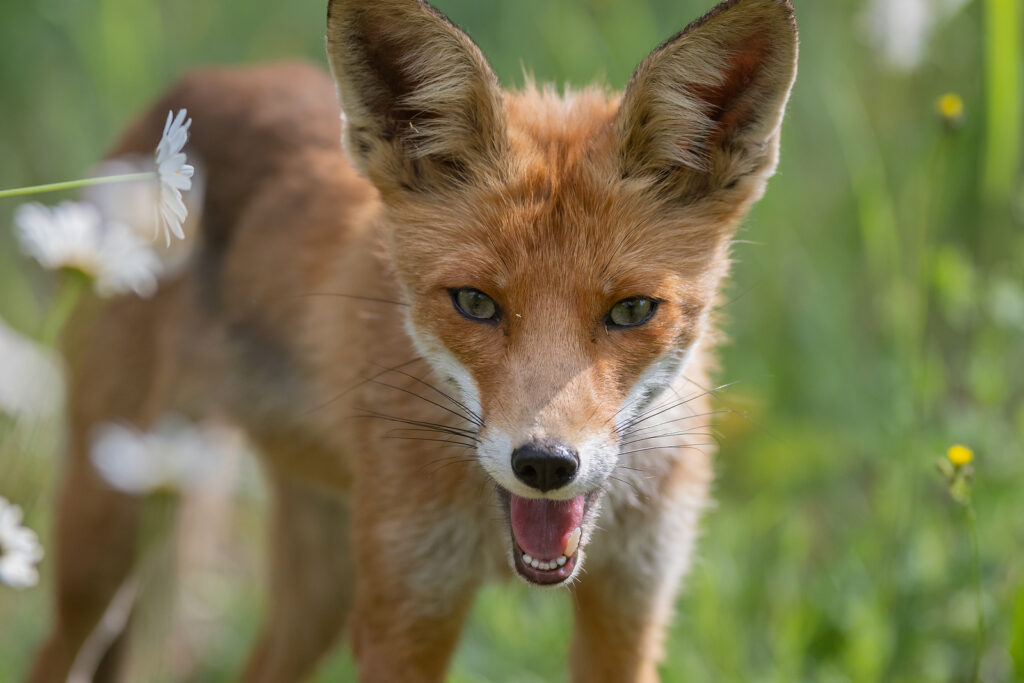
This Odd Critter Control Ingredient Will Get Rid of Foxes

Nuisance foxes are the real deal. Here in Indiana, they are known to prowl on chickens and steal eggs, pillage gardens and crops, and arguably worst of all, spray their urine on our properties to mark their territories. If your property is being targeted by nuisance foxes, you might already have an idea as to just how bad fox spray is. The pungent and putrid odor lingers and nauseates, and it’s not easily rinsed off.

Whether you are elbows deep in a nuisance fox problem, or you have recently noticed an increase in fox activity near your property, it is wise to instill some preventative maintenance to keep them away from now on. Critter control repellents are a good place to start if you prefer the DIY route.

Not only are they easy to concoct on your own, but they can also be made to be non-toxic and non-harmful to the environment. There are many ingredients you can use to make a traditional animal repellent, like capsaicin oil and putrescent egg, but when it comes to foxes, there is a secret ingredient that tends to do the trick.

Continue reading to find out how to get rid of foxes using a safe and humane critter control repellent with a key ingredient that targets foxes specifically, plus who to trust for professional fox removal and control in Central Indiana areas.

Get Rid of Foxes Indianapolis Indiana 317-875-3099

The Benefits of Using Fox Repellent

Animal repellent works well as a critter control strategy against foxes because foxes are hard to trap and even harder to barricade. You see, foxes are fast runners, capable of reaching speeds up to 35 or 40 miles per hour, so needless to say, trapping them is not a viable route. Foxes can also climb trees, which is a fact that the average person doesn’t know. You can install a 9 foot privacy fence to keep them out, but if there are nearby trees, they can still access your property by climbing them.

Foxes are omnivorous, which means they eat plants and meat. So, your farmlands, crops, gardens, potted plants, pet food, and even your backyard chicken coops are not safe. As sly and curious critters, foxes will stop at nothing to gain access to these amenities and more.

Watch Out for Fox Pee

One of the worst consequences of a nuisance fox problem is their marking behaviors. Foxes spray edifices, shrubbery, trees, playhouse, garbage cans, grills, birdbaths, lawn décor, and literally anything else they so desire, all for the purpose of claiming their territory.

Have ever experienced cat urine odor? Well, if so, enhance the putrid odor by 100 to imagine what fox urine smells like. Fox pee is incredibly foul smelling, very overpowering, and hard to get rid of. It can even attract other pest outbreaks, flies, maggots, gnats, and more.

The Secret Ingredient to Get Rid of Foxes

Now for the part you have been waiting for; how to get rid of foxes. Well, start by making a non-toxic, homemade animal repellent spray. But you will need the secret ingredient, which is your own urine! That’s right; start drinking plenty of water. Then create a perimeter around your property using your very own urine.

You can choose to dispense on-site, but this may alarm some neighbors. So, it is recommended to transfer your urine into a plastic spray bottle, then apply it to areas that you know have had fox activity. The smell of another predator’s urine will repel foxes and compel them to move onto the next unclaimed territory.

Are you still experiencing trouble with foxes? Contact Budget Animal Removal at 317-875-3099 to speak with a licensed and insured critter control specialist about your best options for fox removal and control in Indianapolis, Indiana. We serve both residential and commercial clients all throughout Central Indiana.

Related Posts:

Tips for Getting Rid of Foxes in Indiana
Non-Toxic Repellent Recipe for Nuisance Wildlife
Is it Safe to Feed the Animals Around My House?

Will Grub Pest Control Get Rid of Yard Moles?

Not only do lawn grubs destroy grass and plant roots, but they also attract all sorts of nuisance while. Although raccoons and foxes are notorious for digging up lawns and gardens in search of juicy grubs, this time of year, Yard moles take the lead. Will treating a grub outbreak in your lawn and gardens effectively abate nuisance animals?

Continue reading to learn how lawn grub treatment might be an effective solution for nuisance yard moles, plus who to trust for DNR licensed and insured animal mole removal services in Indianapolis.

Animal Mole Removal Indianapolis IN 317-875-3099

Lawn Grub Treatment and Removal

When it comes to getting rid of yard moles in lawns and gardens, start by getting rid of their food source. Yard moles are insectivore us, but primarily consume, worms and grubs. Grubs, also known as scarabs, are small worm-like larvae of June beetles and other similar insects. Crop gardeners should know about these critters very well. They live in nutrient rich soil and thrive on plants and other organic matter. Not only do they create a very serious threat on your harvest, but they also attract an even more problematic critter: moles!

In order to get rid of moles in a garden, a person first has to tackle their grub infestation. There are many ways to do this, but it is best to follow up on research to ensure an environmentally safe approach.  It is not recommended to use pesticides and insecticides on garden eatables.  Instead, many garden buffs are using milky spores.

Milky Spores for Mole Removal

Milky spores are a bacterium that live in soil and act as a predator to grubs and other larvae. These spores are available at virtually any local market or home gardening store. They are applied manually to the surface of the soil in the garden. The ideal time to do this is late summertime when the grubs first hatch. As the weather turns, the grubs move deeper into the ground. Milky spores are a safe and effective remedy to grub infestation. When the mole’s food source is diminished, they will leave as well. Get rid of their food source to get rid of moles!

Safe and Humane Yard Mole Critter Control is Key

Always use safe and humane methods to control nuisance wildlife. Never attempt to catch, trap, harm, kill, or poison a yard mole or any other wild animal. It is important to utilize wildlife control methods that are safe for animals and the environment. If moles are still a problem for you after dealing with lawn grubs, you need professional intervention. Contact an Indianapolis wildlife removal and control company if your nuisance wildlife problems persist. They can provide safe animal mole removal and control services at an affordable price.

To get rid of animal moles and other nuisance critters, you need professional aid. Contact Budget Animal Removal at 317-875-3099 for DNR licensed and insured critter control for yard moles in Indianapolis, Indiana today. We serve residential and commercial clients.

You Might Also Enjoy:

How Stop Yard Mole Damage to Your Lawn
Tips for Getting Rid of Foxes in Indiana
How to Stop Rabbits From Damaging Your Trees and Shrubs

Where to Find Opossum Removal and Control Service in Nashville

Are you dealing with a nuisance possum problem? Have you been searching for licensed and insured opossum removal and control services near Nashville? If so, you have finally made it to the right spot. We are fully qualified and equipped critter control specialists with more than 30 years of experience solve nuisance opossum problems. Continue below to learn more about managing nuisance possums, plus how to get started with a free quote for service.

Opossum Control Nashville Tennessee 615-337-9165

Facts About Opossums

Opossums are marsupials, just like kangaroos! Although they are a fascinating and unique mammal native here in Tennessee, they are evolving into quite the nuisance critter in urban and suburban areas. Mostly due to land over-development and loss of natural habitat, opossums have been pushed out of their own environment and into ours. So more than ever, possums are accustomed to surviving by means of scavenging our community’s dumpsters, trashcans, garbage receptacles, gardens, flowerbeds, and more. In more rural communities, they have been known to prey on chicken coups for the eggs. Their scavenging behaviors are messy and unpleasant, but they are also destructive. Opossums are known to dig up lawns, gardens, flowerbeds, and flowerpots.

Stopping Possum Intrusions

Opossums find their way into backyards, homes, and businesses with the help of their acute senses and long, sharp claws. Common places opossums like to use as shelter are beneath patios and porches. They also love to hide out in log piles, pool houses, and hollowed trees. If you come across an opossum, there is not much to worry about. They are aggressive in appearance with their hissing and howling, but they are not likely to actually approach you, let alone attack you or your pets.

To keep opossums out of your house and off of your property, you will need to start with some environmental modifications. Remove all outdoor food sources that can be taken inside, like pet food, bird/squirrel feed, and trashcans. Only take your trashcan’s outside on the day of garbage collection. Trashcans are a prime target for all sorts of nuisance wildlife, especially opossums. If possible, remove water sources like bird baths and standing puddles.

Next, you will need to implement some animal-proofing strategies. This may include some minor renovations like sealing up holes and access points on the exterior of your home and outdoor structures. It may also include treating your property’s perimeter with a non-toxic critter control repellent spray or granular substance. Once your property has nothing to offer them, opossums will move onto more fruitful territory.

All of this is possible with the help of a licensed and insured wildlife control company in Tennessee like Budget Animal Removal Nashville. Contact us at 615-337-9165 for TWRA licensed and insured Nashville, TN critter control for opossums and more. We serve commercial clients, too!  

Related Posts:

How to Get Rid of an Opossum Problem in Nashville
Common Household Ingredients That Will Repel Nuisance Wildlife
Top 3 Signs That There is a Dead Animal Close By

Tennessee Wildlife Removal and Control 615-337-9165

How to Stop Rabbits From Damaging Your Trees and Shrubs

Perhaps you had a pet rabbit as a child? Or maybe your kids have a bunny? Well, the rabbits that frequent your lawn and garden are not the same kind of breed. Rabbits out there in the wild are nuisance rabbits because they are capable of and known for causing landscaping and crop damage in residential and commercial areas. A top target for nuisance rabbits are trees, especially shrubbery. If you have noticed an increase in rabbit activity or tree damage on your property, you may want to think about animal proofing.

Continue reading to learn some safe and effective ways to stop nuisance rabbits from damaging your trees and shrubs this year.

Rabbit Control Indianapolis IN 317-875-3099

Nuisance Rabbits Target Trees and Shrubs for Food

During the winter, rabbits are more of a nuisance to trees and shrubs since gardens and flowerbeds are not in bloom just yet. Rabbit tampering can lead to serious tree defects and decline, or even kill trees, especially younger ones. Common targets include fruit trees, namely apple, crabapple, and pear. However, trees and shrubs like serviceberry, barberry, raspberry, redbud, honey locust, flowering quince, burning bush (winged euonymus), and even roses are also commonly sought out in the wintertime by rabbits.

Rabbit Damages

What do rabbits do to trees and shrubs this time of year? Well, they rely on them as a source of food when other sources for food are scarce. Rabbits primarily eat an herbivorous diet consisting of seasonal vegetation, mostly grass and other leafy plants. But in the winter, these sources are sparser, forcing rabbits to look elsewhere for nutrition and sustenance.

Trees and shrubs provide soft tissue just on the inside of the bark, which happens to be nutritious enough for rabbits. Accessing the soft tissue beneath the tree bark is a rabbit behavior known as tree girdling. Girdling can cause irreversible damage to a tree, as well as lasting defects and safety hazards.

Rabbit Control

To stop rabbits from destroying your trees and shrubs from now on, you will need to implement some effective rabbit control and animal-proofing strategies. To begin, consider a fencing system. Small and young trees, as well as any vulnerable plants, should be protected using chicken wire or other type of fencing. Fences should be high enough to prevent rabbits from jumping over them, but deep enough in the ground to stop rabbits from digging their way in. Tree guards and tree wraps work very well to thwart wildlife tampering as well.

Another popular and effective method of protecting tree and landscaping from rabbit damages is a non-toxic repellent. Rabbits hate certain scents and sensations and will stay away from areas that have them. Mix clean water with capsaicin oil (or just some cayenne pepper) and putrescent egg, then spray around the perimeter of your trees. Be sure to keep curious pets and children away from treated areas.

The best strategy, since it is guaranteed effective and the most convenient for you, is to hire a local Indianapolis critter control company to get rid of rabbits that are bothering your property. They have the latest technologies and state resources to get the job done safely, humanely, and within a convenient time frame.

Are you looking for a safe and humane way of dealing with nuisance rabbits on your Indiana property? Contact Budget Animal Removal at 317-875-3099 for professional rabbit removal and control in Indianapolis, Indiana and its surrounding counties. We serve residential and commercial clients.

Related Posts:

Non-Toxic Repellent Recipe for Nuisance Wildlife
3 Ways to Keep Nuisance Rabbits Away
What is Eating the Cucumbers in My Garden?

Budget Animal Removal