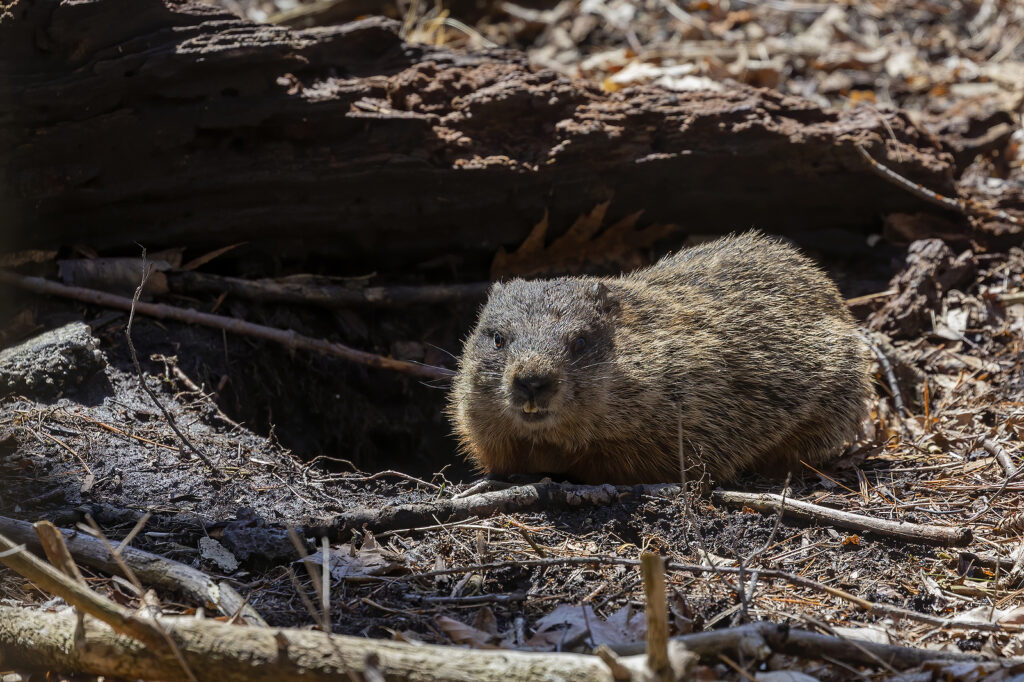
Defeating Lawn Invaders: What You Need to Know About Tunnel-Digging Animals

Your once pristine lawn has become a maze of tunnels and mounds of dirt. It’s a frustrating sight for any homeowner or gardener. But before you can reclaim your yard, it’s essential to understand the culprits behind this underground havoc. In this blog post, we’ll explore the common animals responsible for digging tunnels in your lawn, the signs of their presence, and effective techniques for prevention and removal. By the end, you’ll be equipped with practical knowledge to restore and protect your lawn.
Call 317-875-3099 for Licensed and Insured Mole Control Services in Indianapolis Indiana

What is Lawn Tunneling?

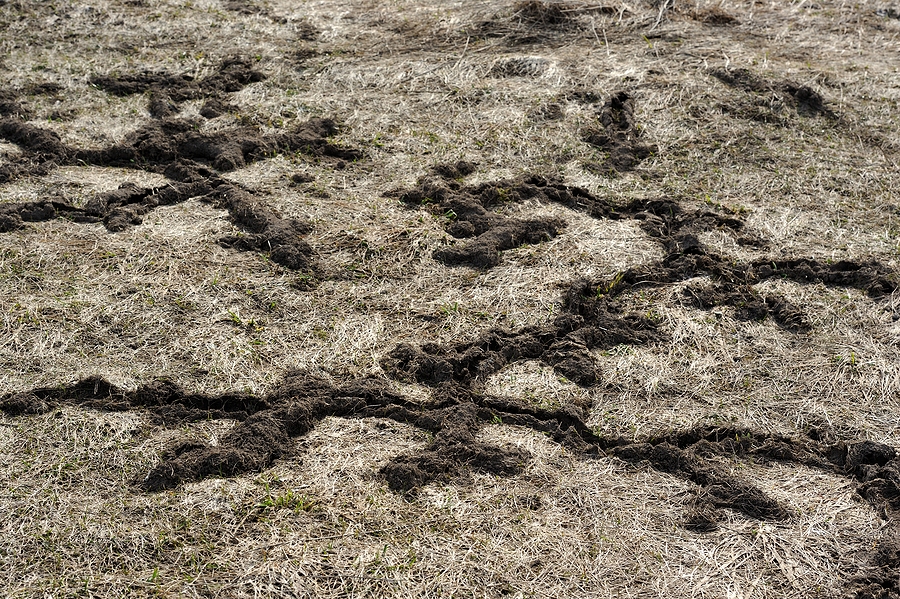
For many homeowners, a lush, green lawn is a source of pride. But when mysterious tunnels and mounds start appearing, it can quickly become a nightmare. Animals like moles, voles, and groundhogs are often the culprits behind these unsightly disruptions. Understanding why these animals dig and how they affect your lawn is the first step toward resolving the problem.

Animals tunnel for various reasons, including seeking food, creating shelter, or escaping predators. While their activities are part of the natural ecosystem, they can wreak havoc on your lawn’s aesthetics and health. Understanding the behaviors and habits of these animals is crucial for identifying and addressing the tunneling issues in your lawn.

Common Animals Responsible for Lawn Tunnels

Moles

Moles are perhaps the most notorious lawn tunnel diggers. They dig intricate networks of tunnels just beneath the surface, searching for insects and grubs. These creatures are solitary and have poor eyesight but possess an incredible sense of touch and smell, helping them locate food.

Voles

Voles, often confused with mice, are small rodents that create shallow burrows in lawns and gardens. Unlike moles, voles primarily feed on plant roots, bulbs, and seeds. Their tunneling can cause significant damage to grass and plants, leading to wilting and dieback.

Groundhogs

Groundhogs, also known as woodchucks, are larger burrowing animals that can create extensive tunnel systems. These tunnels can undermine the stability of structures and damage plant roots. Groundhogs are herbivores, feeding on a variety of plants, including garden vegetables.

Identifying Signs of Lawn Damage

The first step in addressing lawn tunneling is identifying the signs of damage. Recognizing these signs early can prevent further damage and guide your efforts in addressing the issue effectively.

Raised Ridges

Look for raised ridges or mounds of soil in your lawn. Moles typically create volcano-shaped mounds known as molehills, while voles create smaller, less conspicuous tunnels. Groundhog burrows are larger and can have multiple entrances.

Damage to Plants

Tunneling can cause visible damage to your lawn and plants. Grass may die off in patches, and plants may wilt or show signs of stress. Inspect the roots of affected plants for signs of gnawing, which is often indicative of vole activity.

Soil Disturbance

Pay attention to disturbed soil, particularly around garden beds and flowerbeds. Loose or displaced soil can be a sign of tunneling activity. Additionally, check for tracks or droppings near tunnel entrances, which can help identify the specific animal responsible.

Prevention Techniques

Natural Deterrents

Preventing tunneling starts with deterring the animals from your lawn. Natural deterrents can be effective and environmentally friendly. Consider planting strong-scented herbs like mint, garlic, or marigolds, which can repel moles and voles. Additionally, applying castor oil-based repellents to your lawn can make the soil unappealing to these pests.

Lawn Maintenance

Maintaining a healthy lawn is key to preventing tunneling. Regularly mow your lawn to keep grass short, making it less attractive to burrowing animals. Remove potential food sources like grubs through proper pest control measures. Aerating your lawn can also disrupt tunnel systems and discourage further digging.

Barriers

Creating physical barriers can prevent tunneling animals from accessing your garden beds and lawn. Install hardware cloth or wire mesh around the perimeter of your garden beds, burying it at least 12 inches deep to deter groundhogs and voles. For moles, consider using underground barriers made of plastic or metal mesh.

Safe Wildlife Removal Methods

Humane Trapping

If prevention methods fail and tunneling persists, humane trapping can be an effective solution. Use live traps designed for specific animals, such as mole traps or vole traps. Once captured, relocate the animals to a suitable habitat away from residential areas. Ensure you follow local wildlife regulations when trapping and relocating animals.

Repellents

In addition to natural deterrents, commercial repellents can help keep tunneling animals at bay. Look for products specifically formulated for moles, voles, and groundhogs. Apply the repellents according to the manufacturer’s instructions, focusing on areas with high tunneling activity.

Professional Wildlife Removal

For severe infestations or if you’re unsure about handling wildlife, consider hiring a professional wildlife control service. Experienced professionals can assess the situation, implement effective removal methods, and provide long-term prevention strategies. They are well-versed in local wildlife laws and can ensure ethical and legal removal.

Repairing Lawn Damage

Leveling Ridges

Once you’ve addressed the tunneling issue, it’s time to restore your lawn. Start by leveling any raised ridges or mounds of soil. Fill in the tunnels with a mixture of soil and compost to promote healthy grass growth. Water the affected areas thoroughly to encourage root development.

Replanting and Seeding

Reseed any bare or damaged patches of grass. Choose grass varieties that are well-suited to your climate and soil conditions. Apply a layer of mulch to retain moisture and protect the newly seeded areas from erosion. Be patient; it may take a few weeks for new grass to establish itself.

Ongoing Maintenance

Maintaining a healthy lawn is crucial for preventing future tunneling. Continue with regular lawn maintenance practices, such as mowing, aerating, and pest control. Monitor your lawn for any signs of new tunneling activity and address them promptly.

Conclusion

Addressing the issue of animals digging tunnels in your lawn is essential for maintaining a beautiful and healthy garden. By understanding the common culprits, recognizing the signs of damage, and implementing effective prevention and removal techniques, you can reclaim your lawn and enjoy a lush, green landscape.

If you’re dealing with persistent tunneling issues, consider reaching out to a professional wildlife control company for assistance. They can provide expert guidance and help you implement long-term solutions. Don’t let tunneling animals ruin your lawn. Take action today and enjoy a beautiful, pest-free garden.

Ready to protect your lawn from tunneling animals? Contact Budget Animal Removal at 317-875-3099 for licensed and insured Indianapolis animal removal and control for moles, groundhogs, and more. Request a free estimate or advice, today!

Related Posts:

How to Stop Raccoons From Digging Up Your Potted Plants
What is Eating the Cucumbers in My Garden?
How to Stop Rabbits From Damaging Your Trees and Shrubs
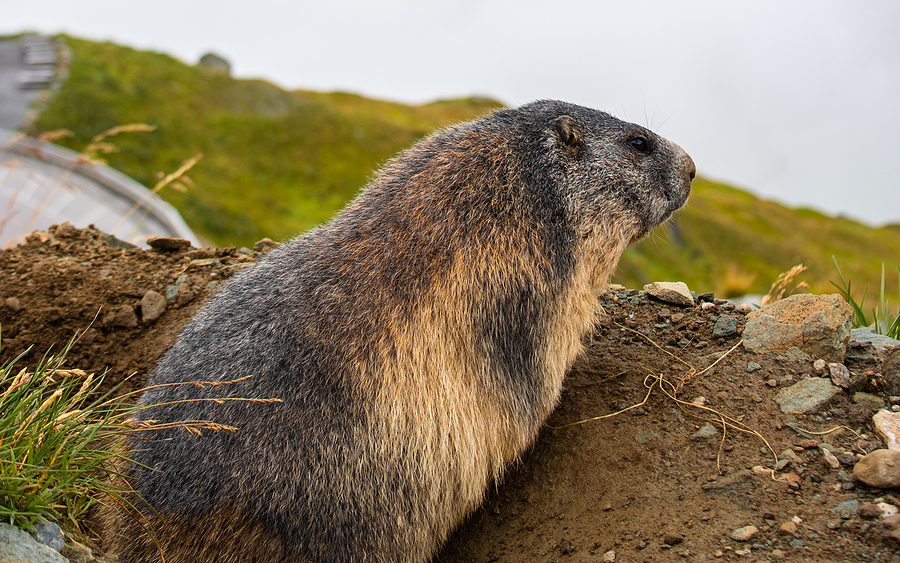

7 Tips for Controlling Groundhog Infestations

Groundhogs, also known as woodchucks or whistle-pigs, are common pests in many parts of the United States. Whether you have a small infestation of groundhogs living under your porch or a large population on your property, controlling them can be challenging. With proper knowledge and techniques, however, it is possible to keep these critters away from your home and garden. Below are 7 tips for controlling groundhog infestations that will help you get started.

Call 615-337-9165 For Groundhog Control in Indianapolis Indiana

Nuisance Groundhog Damages and Threats

When it comes to nuisance groundhogs, the potential for extensive damage to property can be daunting. These critters may look harmless, but their burrows and tunneling can wreak havoc on lawns, gardens, and even building foundations. In addition to the physical damage, groundhogs can also pose a threat to pets and people. Their burrowing activity can create tripping hazards and weaken the structural integrity of outdoor structures. If you suspect a groundhog infestation on your property, it’s important to take action quickly before the damage becomes too extensive. Professional critter control services can help you safely and effectively remove these pesky animals and protect your property from further destruction.

How to Deter Groundhogs and Keep Them Off of Your Property

1. Identify the source of the infestation. Knowing where groundhogs are coming from is the first step in getting rid of them. Look around your property for signs such as burrows, droppings, and tracks. This will help you identify areas to focus on when setting up control measures.

2. Exclusion is key. Groundhogs dig long burrows that can provide access to your home or garden, so it’s important to make sure they can’t get in by sealing off potential entry points or installing barriers such as fencing or hardware cloth around your yard or garden beds.

3. Eliminate food sources that attract groundhogs. Make sure to keep pet food indoors, and keep your garden free of weeds, garbage, and other plant matter that groundhogs may find attractive.

4. Use a repellent to drive them away. There are a variety of commercial repellents available to try such as castor oil, putrescent egg, or coyote urine, which can be sprayed around the perimeter of your property or garden beds.

5. Trap the groundhogs humanely. If you have a smaller infestation, trapping is an effective way to get rid of them without harming the animals. Make sure to check local laws on trapping before attempting it yourself, as there may be restrictions in place in some areas.

6. Try scent-based deterrents. Non-toxic repellents can drive away groundhogs from your property. Moth balls, ammonia-soaked rags, and predator urine have all been known to be effective in keeping groundhogs away.

7. Hire a Licensed Wildlife Control Company. If the infestation is too large for you to handle yourself or if the problem persists after trying all of the above tips, it may be time to call in an expert wildlife control company for groundhog removal service. Professionals have access to more powerful tools and techniques that can help get rid of groundhog infestations quickly and effectively.

These 7 tips should help you get started with controlling groundhog infestations around your home or garden. Remember to take preventative measures such as sealing potential entry points and eliminating food sources to reduce the risk of future infestations. With the right knowledge and techniques, you can keep your property groundhog-free!

Are groundhogs becoming a nuisance around your residential or commercial property in Indiana? Contact Budget Animal Removal at 317-875-3099 for DNR licensed and insured groundhog removal and control in Indianapolis, Indiana you can afford. Request a free estimate or advice, today!

Related Posts:

3 Steps to Safe and Humane Groundhog Control
Common Questions About Woodchuck Control
Top Nuisance Animals to Watch Out For in the Summer

How to Identify a Woodchuck in Your Backyard

Woodchucks, more commonly known as groundhogs, are a common sight in many backyards across Tennessee. These large, squirrel-like rodents can cause damage to lawns, gardens, decking, and similar yard features if left unchecked, so it’s important to be able to identify them quickly and accurately.

In this blog post, we’ll discuss how to identify a groundhog living in your backyard and what steps you should take for effective groundhog control. We will also provide some tips on how to keep these critters away from your property in the future. With this information, you’ll be well-equipped with everything you need to know about woodchucks!

Scroll down to get started!

Call 615-337-9165 For Licensed Woodchuck Removal and Control in Nashville, Tennessee.

What You Need to Know About Woodchucks

Woodchuck Classification

The groundhog, or woodchuck, is scientifically known as Marmota monax. They are a rodent from the family of Sciuridae, and they belong to the group of large ground squirrels called marmots. So yes, woodchucks are indeed a type of rodent.

Woodchuck Features

Woodchucks are easily recognizable due to their stout and heavy body, short legs, and black-tipped ears. They range from 16-20 inches in length and typically weigh between 4-15 pounds when fully grown. They’re usually brown or gray in color with white patches on their throat and chest area.

Woodchuck Damage

Another way to identify groundhogs is by the type of damage they cause. These critters love to dig burrows near properties and are notorious for damaging fences, flower beds, gardens, and even foundations! If you find any suspicious tunnels around your yard or property, it’s a sure sign that woodchucks have taken up residence there.

Woodchuck Removal and Control  

For woodchuck control, the best thing to do is to remove them from your property, as woodchucks can cause a lot of damage if left unchecked. Trapping and relocation are the most effective methods for groundhog control. However, it’s important to be aware that groundhogs are protected in some states and trapping without a valid permit may result in legal consequences.

Animal Proofing

Finally, there are certain prevention measures you can take to help keep woodchucks away from your backyard. Properly maintaining fences and walls around properties can help discourage groundhogs from taking up residency on your land. Additionally, removing woodpiles or fallen trees near the perimeter of your property will make it much less attractive to groundhogs looking for shelter and food sources. 

Critter Control for Groundhogs

Identifying groundhogs and understanding the steps for woodchuck control can help you keep your backyard safe from their threats. With these critter control tips in mind, you’ll be able to recognize woodchucks quickly and efficiently, as well as take the necessary steps to keep them away from your property for good!

Hopefully this blog post has helped provide useful information on groundhog identification and groundhog control methods. If you have any questions or concerns related to groundhogs in your area, contact Budget Animal Removal at 615-337-9165 for TWRA licensed and insured Nashville, Tennessee animal removal for woodchucks and more.

Related Posts:

Are Woodchucks and Groundhogs the Same Species?
What You Need to Know About Beaver Dam Removal
What You Need to Do to Get Rid of Muskrats on Your Property

3 Steps to Safe and Humane Groundhog Control

Whether you call them groundhogs or woodchucks, these thrifty critters are commonly a nuisance to landowners. If you are dealing with a nuisance groundhog problem, it is necessary to find a solution that is both effective and non-lethal. Continue below to learn the 3 step process to safe and humane groundhog removal and control.

Groundhog Removal Indianapolis Indiana 317-875-3099

Groundhog Removal and Control Tips

The process of removing groundhogs from a property and mitigating any future activity can include a combination of methodologies and techniques. Overall, safe and humane groundhog removal and control can be accomplished in 3 key steps: identification, modification, and exclusion.

Identifying a Groundhog Problem

Your first step to getting rid of a groundhog problem is to identify where their activity is localized. Do some observation over the course of a few days or weeks to pinpoint where they are going, what they are after, and what kinds of damage they are leaving in their wake. By knowing where the groundhogs are hanging out, you can better put an end to their nuisance activity.

Groundhogs are after three things: food, water, and shelter. Gardens and crops are most at risk. If your gardens or crops look pillaged, you can safely assume the groundhogs are to blame. Other signs of groundhog tampering include nibbled grass and clovers, chewed tree bark, chewed up electrical wiring, and lawn burrowing. Groundhogs like to disguise their burrow entrances with leaves and sticks, so piles of such materials are a key indicator of groundhog activity.

Modifying the Environment

Now that you are sure you have a groundhog presence on or around your property, you can move forward by removing all the things that attract them to your yard. As mentioned, groundhogs want food, water, and shelter. They eat grasses and clovers, but especially love peas, melon, beans, and alfalfa sprouts. They may also eat stored pet food and livestock feed. Be sure these items are secured with fencing, barriers, or lids.

Groundhogs also like to chew on trees and woody plants to sharpen their teeth. Consider implementing barrier systems around vulnerable trees to prevent groundhog chewing. When it comes to their burrows, they love to make their homes in areas of the lawn that are covered with camouflage like stick piles, leaf piles, underbrush, and tall grasses. Eliminate these shelter covers to stop groundhogs from burrowing in your lawn.

Excluding Groundhogs

If you have groundhogs present on your property, you may need to have them physically extracted with the help of a licensed and qualified professional. Contact a local Indianapolis critter control company for humane groundhog removal and control service. They use live traps to catch groundhogs, so the methods are non-lethal and safe.

If you have groundhogs around your property, your final step is to choose an effective groundhog control plan to prevent future intrusions and tampering. Animal repellents work well because they provide a barrier around the perimeter of a property that works like an invisible fence. Groundhog repellents come in granular or liquid form, but you can also make your own at home. Use ingredients like spicy peppers, capsaicin, and putrescent egg for the most effective repellent solution.

Are groundhogs disturbing your Indiana property? Contact Budget Animal Removal at 317-875-3099 for fast and affordable animal removal and control services to get rid of groundhogs in Indianapolis, Indiana and its surrounding counties. Request a free estimate or advice, today!

Related Posts:

The Different Species of Marmot Found Around the World
What You Need to Know About Beavers
Non-Toxic Repellent Recipe for Nuisance Wildlife