Nuisance Beavers: Protecting Your Property from Flooding and Damage

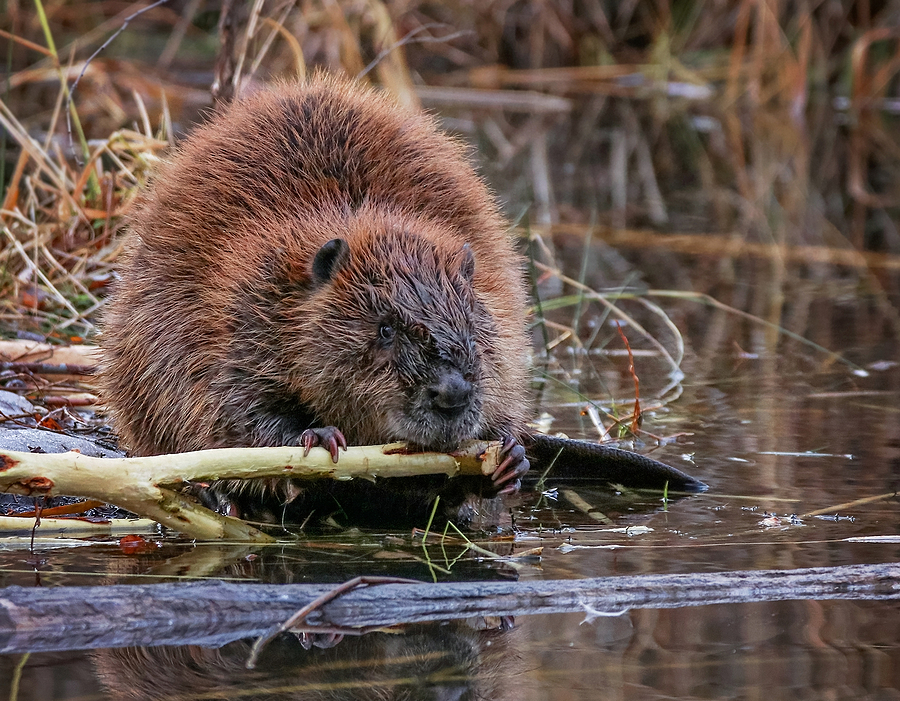
Beavers are often celebrated as “nature’s engineers.” Their ability to manipulate waterways and create wetland habitats is nothing short of remarkable. By building dams, they create ponds that support diverse ecosystems, filter water, and reduce soil erosion. However, when these engineering feats occur on private property, the results can be less than celebrated. What looks like a beneficial wetland to a conservationist might look like a flooded basement, destroyed timber, or a blocked culvert to a homeowner.

Finding the balance between appreciating the beaver’s ecological role and protecting your property is often challenging. Flooding caused by beaver dams can damage septic systems, drown expensive landscaping, and compromise the structural integrity of roads and driveways. Furthermore, their appetite for wood can turn prized ornamental trees into stumps overnight.

Dealing with nuisance beavers requires a strategic approach. It isn’t simply about removing the animal; it’s about managing the environment to discourage destructive behavior while respecting local regulations. This guide will walk you through identifying beaver activity, implementing non-lethal deterrents, and understanding when it is time to call in the professionals.

Call 317-875-3099 for Licensed Beaver Removal Service in Indianapolis

Identifying Signs of Beaver Activity

Before you can solve a beaver problem, you must confirm that beavers are indeed the culprits. While seeing the animal itself is the most obvious proof, beavers are primarily nocturnal and crepuscular (active at dawn and dusk), so you might spot the damage before you spot the rodent.

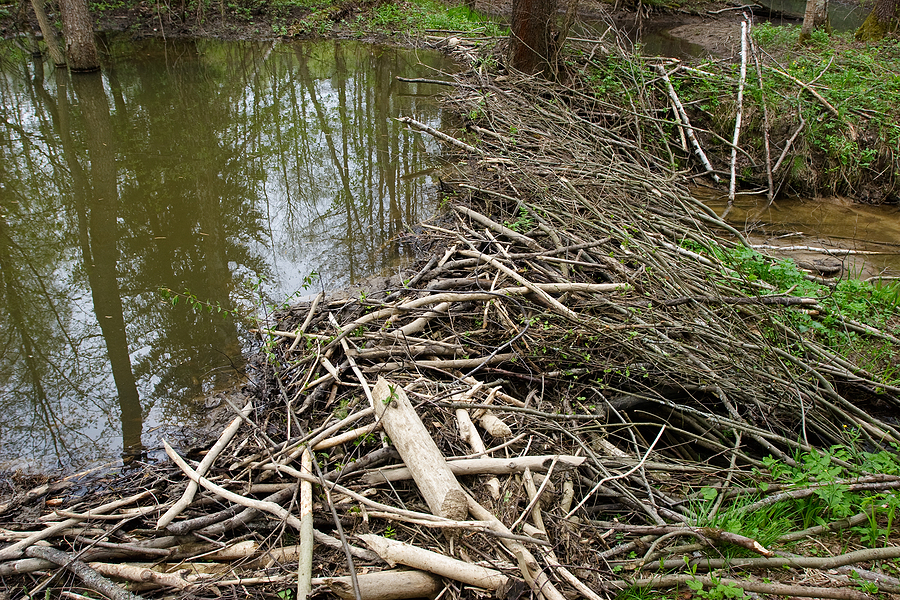
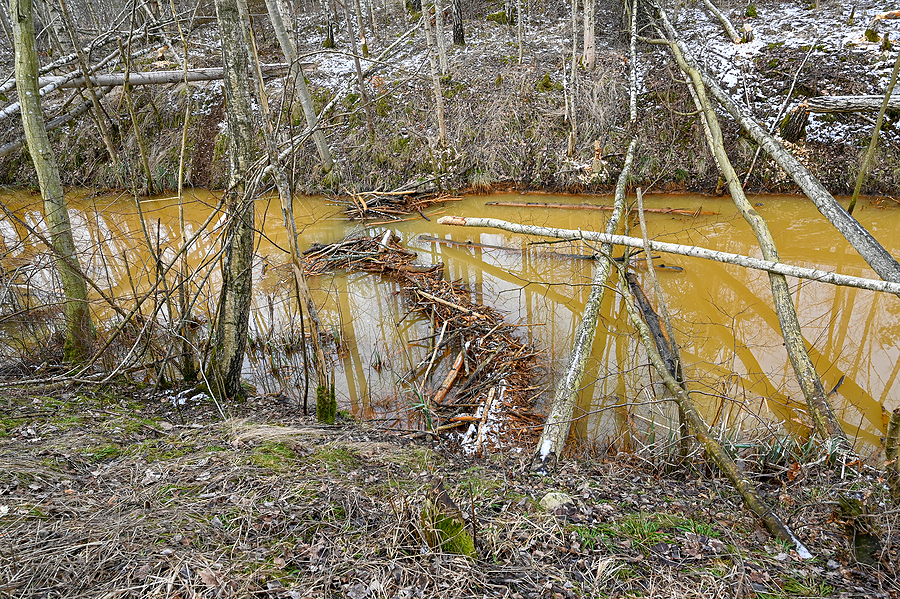
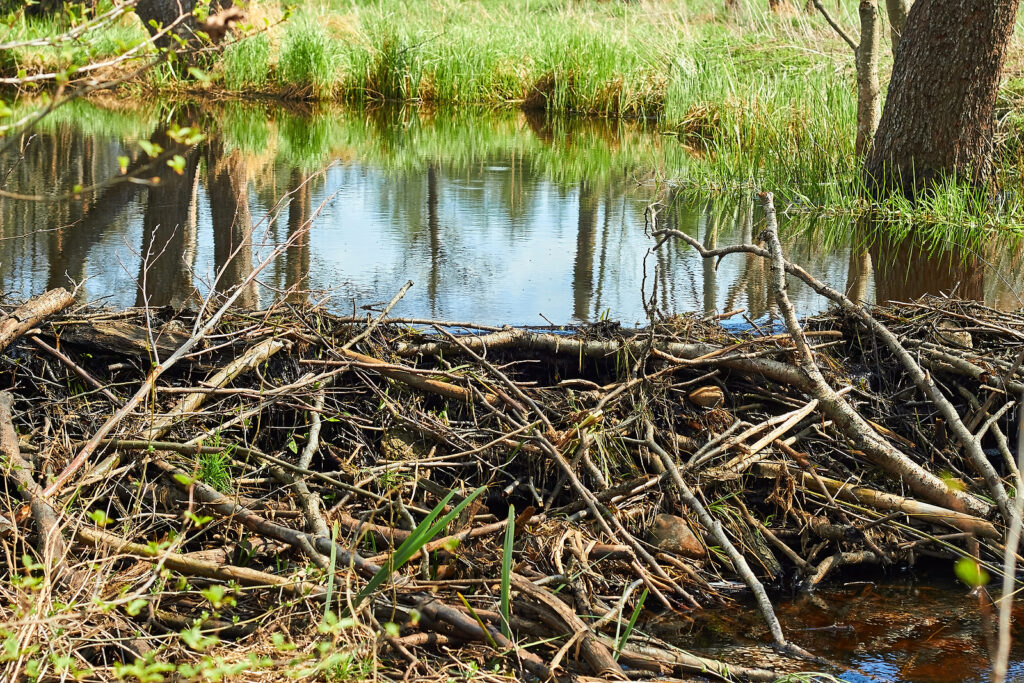
The most iconic sign of beaver activity is the dam. These structures are typically built across streams or creeks using sticks, mud, stones, and vegetation. The resulting backup of water creates a pond, which beavers use for safety and access to food. If you notice water levels rising inexplicably or new ponds forming on your land, a dam is likely the cause.

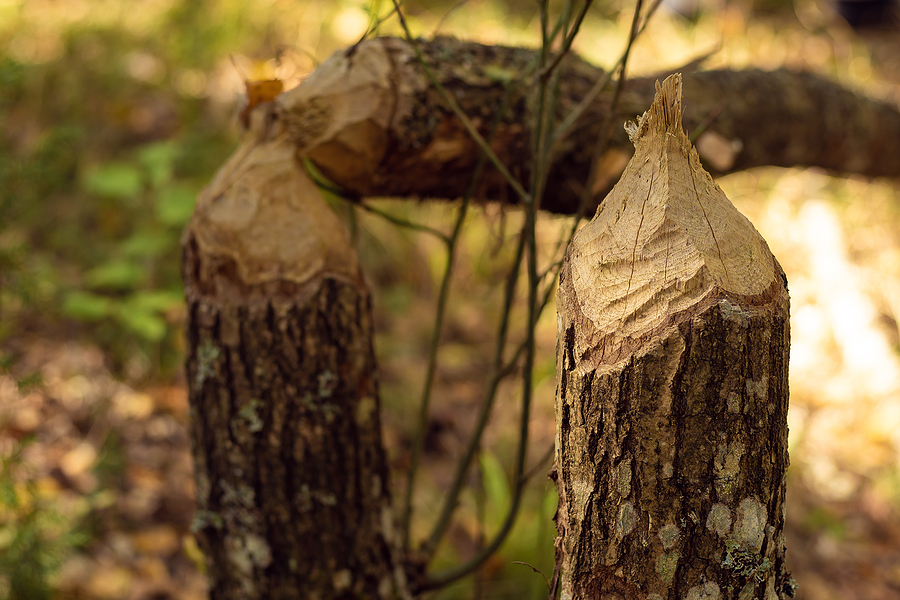
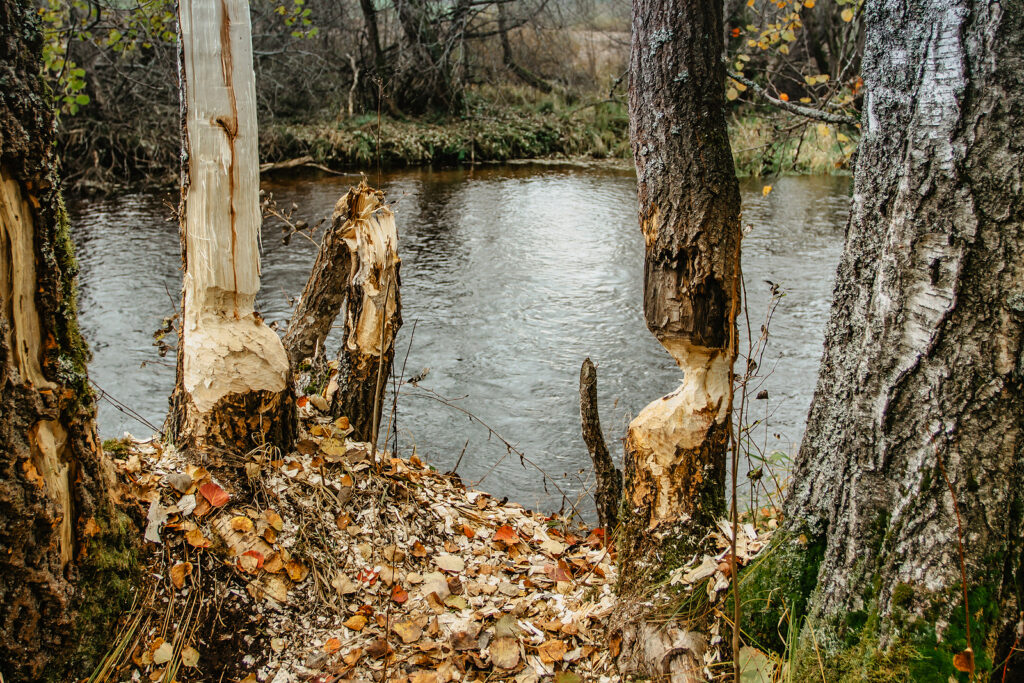
Felled trees are another unmistakable signature. Beavers have powerful, self-sharpening incisors that can slice through tree trunks with surprising speed. Look for stumps that appear to have been chiseled to a point, often surrounded by wood chips. You may also notice “beaver slides”—slick, muddy paths leading from the water up the bank where they drag timber and vegetation.

Finally, keep an eye out for lodges. These are dome-shaped structures made of sticks and mud, usually situated in the middle of the pond or burrowed into the bank. These serve as the beaver’s home.

Non-Lethal Deterrents: Protecting Your Land

If beavers have moved in, you don’t necessarily have to jump straight to removal. Several non-lethal methods can effectively discourage them or mitigate the damage they cause.

Fencing and Tree Protection

If the primary issue is the destruction of trees, physical barriers are the most effective solution. Wire mesh fencing, often called hardware cloth, can be wrapped around the trunks of individual trees. The wire should be heavy gauge (to prevent chewing) and extend at least 3 to 4 feet high to account for snow depth or the beaver standing on its hind legs.

For larger areas, installing low fences along the shoreline can prevent beavers from accessing the land. However, this requires diligent maintenance to ensure the animals don’t dig under or climb over the barriers.

Flow Devices and “Beaver Deceivers”

Flooding is often the most costly aspect of a beaver infestation. To combat this without destroying the dam, property owners can install flow devices, sometimes referred to as “beaver deceivers” or pond levelers.

These devices are essentially pipes installed through the dam. They allow water to flow through the dam freely, maintaining the pond at a level that doesn’t threaten property, while still leaving enough water for the beaver to feel safe. The intake of the pipe is protected by a cage so the beaver cannot block it. If the water level remains stable, the beaver often stops adding to the dam, solving the flooding issue without removing the animal.

Scent and Taste Repellents

For minor problems, chemical deterrents may offer relief. Taste-aversion repellents can be applied directly to trees and shrubs. These products make the vegetation unpalatable to the beaver. However, these require frequent reapplication, especially after rain, and are generally more effective for protecting specific plants rather than deterring beavers from an entire area.

Schedule a Beaver Removal Assessment in Indianapolis đź“…

Knowing When to Call a Professional

While DIY methods can be effective, they require time, effort, and ongoing maintenance. There are situations where the damage is too severe, the flooding poses an immediate threat to infrastructure, or the beavers are simply too persistent for non-lethal deterrents to work.

Wildlife removal and control professionals possess the tools and expertise to handle these situations humanely and effectively. They can assess the specific dynamics of your property to determine the best course of action, whether that involves sophisticated flow devices, trapping, or relocation.

Furthermore, professionals understand beaver behavior. They know how to safely remove an established colony and, crucially, how to prevent new beavers from moving into the now-vacant territory. Without modifying the habitat, removing one family of beavers often just creates a vacancy for the next family to move in.

Legal Considerations for Property Owners

Before taking any action against nuisance beavers, it is critical to understand the legal landscape. Beavers are protected fur-bearing animals in many jurisdictions, meaning you cannot simply hunt or trap them without adhering to specific regulations.

Regulations in Indiana

For residents of Indiana, the Department of Natural Resources (DNR) sets specific guidelines. Generally, landowners or their designees can take beavers on their own property if the animals are causing damage or threatening property. However, this usually must be done within the legal trapping season or with a specific nuisance wild animal control permit if outside of the season.

It is illegal to use poisons or disturb beaver lodges and dams without proper authorization in many contexts, particularly if the waterway is public. Because laws can change and vary by county, consulting with a licensed wildlife control operator or checking the latest Indiana DNR regulations is essential before attempting removal or altering dams.

Balancing Ecological Impact with Property Rights

Managing nuisance wildlife is rarely black and white. It requires balancing the protection of your investment with environmental stewardship. Beavers are a keystone species; their ponds create habitats for fish, birds, amphibians, and other mammals. They improve water quality by trapping sediments and recycling nutrients.

When considering removal or deterrents, aim for the least invasive method that solves the problem. Installing a flow device, for example, preserves the wetland habitat the beaver created while eliminating the threat of flooding. This “coexistence” approach is often the most sustainable long-term solution. It allows the ecosystem to thrive without doing so at the expense of your property value.

However, coexistence isn’t always possible. In cases where public safety is at risk—such as flooding roads or weakening building foundations—removal becomes the responsible choice.

In Summary

Dealing with nuisance beavers is a complex challenge that blends engineering, biology, and law. Whether you choose to wrap your trees, install a pond leveler, or hire a professional for removal, the goal remains the same: protecting your property while respecting the natural world.

By identifying the signs early and understanding your options, you can manage these industrious rodents effectively. If you find yourself overwhelmed or unsure of the legalities, remember that professional help is available to guide you toward a solution that works for you and the environment.

If you’re in Indianapolis or the surrounding counties and need assistance with wildlife removal and control, don’t hesitate to reach out to our team of professionals. We specialize in humane and effective solutions tailored to protect your property while preserving the local ecosystem. Contact Us Today to schedule an assessment and take the first step toward resolving your wildlife concerns.

Call Now to Book Service

Related Post: Understanding Beavers: Nature’s Ecosystem Engineers
Keystone Species and their Crucial Role in Our Midwestern Ecosystem

When we picture the sprawling plains and leafy forests of the Midwest, charismatic megafauna like bison and black bears might come to mind. But there’s an invisible network of life, an ecosystem’s ‘glue’, if you will, that maintains the health and harmony of these diverse habitats. These are the keystone species, often small in number but monumental in their impacts. This post is a deep dive into the keystone species that anchor the ecosystems of the American Midwest and why they deserve our attention, admiration, and protection.

Call 317-875-3099 for Safe and Insured Nuisance Wildlife Control in Indianapolis Indiana

Keystone Species: The Cornerstones of Ecosystem Health

Keystone species play a disproportionately large role in their environment. Despite their low number, the impact they have on their ecosystem’s health and diversity is vast. Their significance was first described in the mid-20th century by the ecologist Robert T. Paine, and these species have since become a critical focus of conservation.

What Makes a Keystone Species?

Keystone species maintain the structure and function of an ecosystem, akin to the crucial stone at the top of an arch that prevents its collapse. When removed, the entire ecology in an area can change dramatically. Think of them as the engineers that create and maintain the environment many other species depend upon.

Keystone Predators

Top predators like wolves and cougars are classic examples of keystone species because they control the population of their prey, which in turn can shape the environment and influence the abundance and diversity of other organisms. Other examples of keystone predators include grizzly bears, sea otters, and crocodiles, but we don’t see those in the Midwest.

Keystone Engineers

Animals such as beavers and prairie dogs are known as ‘ecosystem engineers’ because their activities literally reshape the environment, creating niches for other species to thrive. In the Midwest, the loss and recovery of keystone species have significantly altered ecological systems, affecting plant and animal communities. Bats too are a keystone species because of their role as pollinators and seed dispersers in forests. Without them, the forest’s health and diversity would significantly decline.

The Midwest’s Keystone Habitats

The Midwest, often characterized by its rich agricultural landscapes, is home to a variety of habitats that require specific keystone species to maintain balance.

Prairies and Grasslands

The iconic American prairie once roamed by bison owes much to the grazing habits of these large herbivores. Their routine feeding shaped the land and encouraged the growth of diverse species of grasses and wildflowers.

Wetlands

The beaver, once nearly extinct in the Midwest, is making a cautious comeback. Their dam-building activities create and maintain wetlands, which are critical for water purification and flood control, and provide isolated habitats for numerous species.

Forests

Bison aren’t the only keystone species of the Midwest; the white-tailed deer plays a significant role. Their browsing and predation trigger adaptations in plant populations, affecting biodiversity and forest health.

Threats and Conservation Efforts

Despite their importance, keystone species face many threats, including habitat loss, over-hunting, and climate change. However, there is hope in concerted conservation efforts across the region.

Habitat Loss – The conversion of native habitats for agriculture and urban development remains the primary threat to many keystone species.

Over-Exploitation – Despite legal protections, some keystone species like wolves continue to face persecution. Their populations are sensitive to human pressures, and careful management is crucial for their continued health.

Climate Change – As temperatures and weather patterns shift, the distribution and behavior of keystone species also change, often quicker than their prey and the ecosystem can adapt.

Conservation Strategies – Conservation organizations, and even local and state governments, are tackling these issues head-on through habitat restoration, captive breeding programs, and public education campaigns.

Impact Beyond Nature

Keystone species do more than maintain ecosystems; they can also have a significant impact on local economies and communities.

Tourism – Species like wolves and bears are major draws for ecotourism, bringing in significant revenue for the states that have managed to reintroduce them successfully.

Agriculture – In pest control and pollination, many often overlooked species are vital to the success of local crops and the broader agricultural economy.

Cultural Importance – Certain keystone species hold deep cultural significance for local indigenous tribes and communities, further underlining the importance of their preservation.

Nuisance Wildlife Control

While keystone species are essential for ecological health, sometimes interactions with them can lead to nuisance behaviors and infestations, especially in urban areas. The key is to approach these situations with respect for the animal and the environment.

Understanding the Behavior – Identifying the reasons behind nuisance behaviors is the crucial first step in addressing them. Often, it’s about food, shelter, or a safe place to raise their young.

Prevention Measures – Simple actions such as securing trash cans and using fencing can prevent many conflicts between people and wildlife.

Responsible Removal – If a keystone species becomes a true nuisance, it’s important to involve professionals who can safely and humanely relocate the animal while minimizing stress.

Take Action for the Midwest’s Keystone Species

Supporting conservation efforts and making informed choices in our daily lives are powerful ways to protect keystone species.

Get Involved in Conservation – Donations, volunteering, and even pursuing careers in ecology or conservation biology can make a significant impact.

Make Sustainable Choices – Whether it’s reducing your carbon footprint, or choosing wildlife-friendly products, your choices matter.

Advocate for Wildlife – Raise awareness of the importance of keystone species in conversations, social media, and with your local representatives.

Conclusion

Keystone species are the architects of our ecosystems, shaping the environment in ways that allow life to flourish in diversity and abundance. Their impact extends far beyond the natural world, influencing agriculture, local economies, and cultural heritage in profound ways. The challenges they face, from habitat loss to climate change, are significant but not insurmountable. Through dedicated conservation efforts, sustainable living choices, and a collective commitment to understanding and protecting these vital organisms, we can ensure that the Midwest—and indeed, ecosystems around the world—continue to thrive.

The duty to protect our keystone species is not just an ecological obligation; it’s a moral one, to future generations and the planet. Together, we can heed the call to safeguard these pillars of biodiversity, for in doing so, we secure our own well-being and the health of the earth.

Are you still concerned about the nuisance critter population around your home or business? Contact Budget Animal Removal at 317-875-3099 for DNR licensed and insured wildlife removal and control in Indianapolis, Indiana and surrounding counties. Request a free estimate or advice, today!

Related Posts:

Native Indiana Squirrel Species You Might See in Your Backyard
Raccoons in Indiana: An Environmental Impact Study
Is it Safe to Feed the Animals Around My House?

Exploring Herbivores: Nature’s Unsung Heroes

From the vast plains of the Serengeti to the dense canopies of the Amazon Rainforest, herbivores are a vital pulse within the heartbeat of our planet’s diverse ecosystems. These creatures play a significant role in maintaining the balance of nature by converting the sun’s energy, captured in plant materials, into a form that can be harnessed by the rest of the food chain. Yet, often overshadowed by their more ferocious carnivorous counterparts, herbivores are the silent architects of our environment’s health and stability.

In this comprehensive exploration, we’ll traverse the world of herbivorous animals, their unique characteristics, their impact on regional ecosystems, and their fascinating interconnections with plants and other animals. Whether you’re an animal enthusiast, a student of ecology, or simply someone with a curiosity for the natural world, this blog post is your gateway to understanding the essential functions of herbivores and why their conservation is integral.

Call 615-337-9165 For Licensed and Insured Wildlife Removal in Nashville Tennessee

Characteristics of Herbivores

Plants and Greens

At the core, herbivores are creatures whose primary diet consists of plant material. This dietary choice stems from a combination of factors, including the availability and accessibility of plants and evolutionary adaptations within a specific species. To subsist on a diet that often comprises materials tough in cellulose and low in nutrients, herbivores have evolved impressive anatomical and physiological mechanisms.

Specialized Bodies

From the specialized teeth of rodents and ungulates to the complex multi-chambered stomachs of ruminants, herbivorous animals have a spectrum of adaptations dedicated to efficient plant consumption. These include molars for grinding, long digestive tracts for maximized nutrient absorption, and even unique enzymes capable of breaking down plant cell walls.

Biological Evolution

The diet of an herbivore often dictates its requirements for defense and search mechanisms. Some have evolved natural camouflage, while others travel in herds to increase vigilance against predators. The quest for plant matter can also influence migratory behavior, as seen in animals like wildebeests that follow the seasonal cycles of grazing.

The Herbivore in the Food Chain

Herbivorous creatures serve as the crucial link between producers (plants) and consumers (carnivores) in the food chain. They are primary consumers, which means they obtain their energy by eating primary producers—often being the first consumer in a food Web. Their role in energy transfer is monumental, as it’s herbivorous animals that bridge the transfer of energy from the sun to the herbivores, then to the carnivores, and ultimately to decomposers.

Types of Herbivorous Species

Grazers vs. Browsers

Grazers and browsers are two primary feeding strategies amongst herbivores. While grazers (such as deer and antelope) feed primarily on grasses, browsers (like giraffes and koalas) reach into the higher vegetative layers, consuming a variety of leaves, fruits, and even bark. This nuanced differentiation has cascading effects on plant growth, population dynamics, and ecosystem structure.

Specialists vs. Generalists

Some herbivores are specialists, which means they feed on a narrow range of plant species, while others are generalists, capable of consuming a wide variety of plants. The distinction between these categories often highlights the intricate balances and co-evolutionary relationships between herbivores and the vegetation they rely on.

Herbivores and Surrounding Ecosystems

The Impact on Vegetation

Herbivores play a crucial role in shaping the abundance and distribution of plant life. By consuming certain plants, they prevent dominant species from overrunning others, thereby fostering greater diversity. This selective feeding pressure can influence the evolution of defense mechanisms within plant species, from thorns to chemical deterrents.

Synergistic Relationships

Certain herbivorous animals have formed synergistic relationships with the plants they feed on. The classic example is pollination, with species like bees and butterflies transferring pollen from plant to plant while seeking nectar. In doing so, both the herbivore and the plant ensure the continuation of their species.

Herbivorous Animals as Prey

Herbivores are also a primary food source for predators, and their role as prey is integral to the survival of numerous species. The concept of ‘trophic cascades’, where the removal or addition of a predator affects the abundance and behavior of herbivore species, has profound implications for the stability of ecosystems.

Interesting Facts About Herbivore

Behaviors that Support Survival

Beyond their diets, herbivorous animals are known for a wide array of fascinating behaviors that further their chances of survival. From the complex social structures of elephants to the self-medication practices of primates, herbivores continually surprise researchers with their intelligence and adaptability.

Co-Evolution with Plants

The relationship between herbivores and the plants they consume is not one-sided. Co-evolution has led to a dynamic interplay, with plants developing strategies to ensure their survival against herbivores, such as timing of seed release, growth patterns, and biochemical defenses. Similarly, herbivorous animals have evolved methods to counter these defenses, contributing to an elaborate dance of adaptation and response.

Herbivores in Different Environments

Specialists of the Ecosystem

Herbivores are remarkably adaptable and can be found in nearly every terrestrial and aquatic habitat on the planet. This adaptability is often linked to the availability of food and resources, and different environments give rise to unique herbivore species that are perfectly suited to their niches.

The Ocean’s Grazers

While terrestrial herbivores may be more familiar, marine herbivores are a critical component of oceanic food webs. From the smallest zooplankton to the mighty blue whale, these underwater grazers are just as important in their role of converting photosynthetic energy into a source of sustenance for the marine ecosystem.

Conclusion

Herbivores are more than just plant eaters; they are architects of ecosystems, shapers of landscapes, and stewards of biodiversity. Their conservation is paramount, for without them, the intricate balances of the natural world would be disrupted, leading to far-reaching consequences for all life on Earth.

The next time you witness a herd of grazing wildebeests or a solitary elk browsing amongst the trees, take a moment to recognize the significant role these creatures play in the symphony of nature. Their harmonious coexistence with plants and other animals is a testament to the delicate web of life that we all depend on.

Are you dealing with some herbivorous animals that are tampering with or coming too close to your Tennessee property? Contact Budget Animal Removal at 615-337-9165 for TWRA licensed and insured Nashville, Tennessee animal removal for animal moles and more. We serve commercial clients too.

Related Posts:

Tips for Keeping Opossums Out of Your Yard and Garden
Common Household Ingredients That Will Repel Nuisance Wildlife
Are You Searching for Nashville Tennessee Critter Control?

Understanding Beavers: Nature’s Ecosystem Engineers
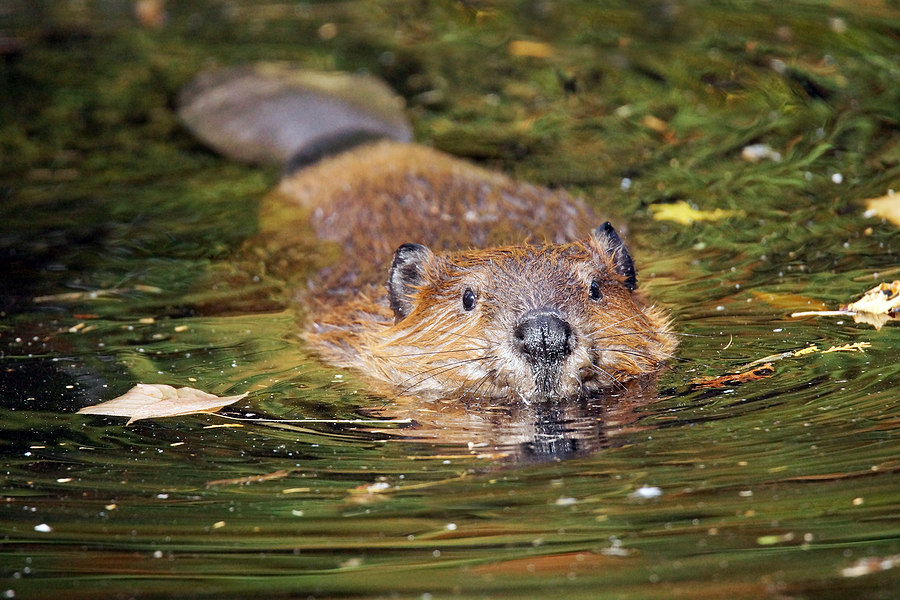
Nature’s workings are intricate and fascinating, often hidden in the daily lives of creatures that we perceive to be ordinary. Among such creatures is the beaver, a remarkable animal blessed with the ability to significantly mold its habitat. Beavers are far more than just dam builders; they are pivotal contributors to environmental health and diversity, thus earning them the moniker of “Nature’s Ecosystem Engineers.”

This blog post dives deep into the world of beavers and their crucial role in our ecosystem, aiming to enlighten environmental enthusiasts, conservationists, and anyone enthralled by the wonders of nature.

Call 317-875-3099 for Licensed and Insured Beaver Control in Indianapolis Indiana

A Beaver’s Life

Beavers are primarily aquatic mammals known for their impressive ability to transform landscapes to suit their needs. Their natural habitat spans across the North American and Eurasian continents, close to rivers and streams. These intelligent creatures have bodily adaptations such as webbed feet, water-repellent fur, and powerful tails that aid them in their semi-aquatic lifestyles.

Much of a beaver’s life revolves around water. In addition to providing them with protection from predators, water bodies are the linchpins of their survival and engineering works. Beavers are architects of their own environment, building elaborate lodges and dams that introduce remarkable changes to their surroundings.

Beavers as Ecosystem Engineers

As ecosystem engineers, beavers play a transformative role in the environment. Their dam-building activities create wetlands—ecologically rich habitats that serve as the lifeblood for diverse species, from fish to birds to plants. These newly formed waterways and ponds provide essential resources for other wildlife and create niches for various organisms to thrive.

The beaver’s ability to manipulate their habitat epitomizes the keystone species concept, illustrating how one species’ way of life can have a disproportionate impact on the structure of communities and the functioning of ecosystems—often boosting overall biodiversity.

Ecological Benefits of Beavers

The benefits of beavers extend far beyond biodiversity. In wetland ecosystems, beavers contribute to:

Water Conservation: Beaver dams slow down water flow, enabling groundwater recharge and maintaining water levels in times of drought.

Flood Prevention: By creating natural water barriers, beaver dams can help mitigate the impact of flooding events.

Water Quality Improvement: The wetlands filter out sediments and pollutants, leading to cleaner waters downstream.

Carbon Sequestration: Beaver ponds lock away carbon, contributing to the mitigation of climate change on a local scale.

These contributions underline the beaver’s environmental significance and our need to champion their conservation.

Coexisting with Beavers

The relationship between beavers and humans can be complex. While beavers bring myriad ecological benefits, they sometimes clash with human activities, particularly in urban or agricultural areas. In places like Tualatin River National Wildlife Refuge in Oregon, USA, beaver dams have enhanced local wildlife habitats, showcasing the immense potential within successful beaver-human coexistence.

Implemented strategies like the use of beaver deceivers—flow devices that maintain water levels while allowing beaver habitation—exemplify sustainable solutions for managing beaver-human interactions. For homeowners, property managers, and building owners, adopting such solutions can turn potential conflicts into conservation opportunities.

How to Safely Deal With Nuisance Beavers

Beavers can cause problems in areas where they are unwanted. Their burrowing activities and dam-building can lead to property damage, flooding, or conflicts with other land uses. However, there are humane ways to address these issues without resorting to lethal methods like trapping or relocation.

Fencing: Installing fencing around trees and structures can protect them from beaver activity. A fence with a smooth or slippery surface will make it difficult for beavers to climb over.

Tree Wrapping: Protecting young trees with wire mesh or plastic barriers can prevent beavers from gnawing on their bark, which is a vital food source for them.

Flow Devices: As mentioned earlier, flow devices like beaver deceivers can help manage water levels while allowing beaver habitation in the area.

Utilizing Habitat Modification: Altering the environment to make it less appealing to beavers can also be effective, such as removing food sources like nearby trees or debris.

Hiring a Professional Beaver Removal Service: Licensed wildlife control operators are trained and equipped to deal with nuisance beavers.

Conclusion

Beavers are much more than just charming creatures with big front teeth. They are essential players in our ecosystem, shaping landscapes and providing crucial resources for other wildlife. By understanding their behaviors and adopting sustainable solutions, we can ensure successful coexistence with these amazing animals.

By using the right techniques and applying proper prevention methods, you can ensure that your home is safe from damage caused by beavers. Start by contacting Budget Animal Removal at 317-875-3099 for DNR licensed and insured beaver removal and control in Indianapolis, Indiana, and surrounding counties. Request a free estimate or advice, today!

Related Posts:

All You Need to Know about Beaver Removal and Control
Be On the Lookout for Beaver Dam Problems This Fall
The Basic Facts You Want to Know About Beavers

Beaver Dams: Why They’re a Problem and What Can be Done

Beavers, those industrious, semi-aquatic rodents, are renowned for their dam-building activities. While their engineering feats are often admired, these structures can pose significant challenges for the surrounding ecosystem and human habitation. Understanding the implications of beaver dams is not just relevant, but necessary for effective beaver control and removal.

This blog post aims to delve into the world of beavers and their dams, highlighting the problems they cause, and exploring potential solutions. So, whether you’re an ecologist, a curious nature enthusiast, or someone contending with a beaver dam dilemma, read on to unravel the intricacies of beaver control and removal.

Call 317-875-3099 for Licensed and Insured Beaver Dam Removal and Beaver Control in Nashville Tennessee

The Importance of Beavers and Their Dams

Before we dive into the problems caused by beaver dams, it’s essential to acknowledge the vital role these creatures play in their ecosystem. Beavers are considered a keystone species, meaning they have a significant impact on their environment and are crucial for maintaining their balance. They create wetland habitats that support a diverse range of plant and animal species, including endangered ones. Additionally, beaver dams can improve water quality by trapping sediment and pollutants, making them an essential component in regulating the health of aquatic systems.

The Problems with Beaver Dams

Despite their positive contributions to the environment, beavers can also create significant challenges for landowners and other wildlife. Their dam-building activities can cause flooding and block water flow, which can result in waterlogged fields, damage to infrastructure, and erosion of stream banks. This can be particularly problematic for areas where human settlements and agricultural activities are concentrated. Furthermore, the flooded areas created by beaver dams can become breeding grounds for mosquitoes and other disease-carrying insects.

What Can Be Done About Beaver Dams?

The removal of beaver dams is a contentious issue, as it involves balancing the needs and interests of various stakeholders. While there are instances where removing a beaver dam may seem like the only solution, it’s crucial to consider the potential consequences carefully. In some cases, removal can lead to increased conflict with beavers, who will then attempt to rebuild their dam or find a new location, perpetuating the cycle of disruption. Additionally, removing beaver dams can have a detrimental impact on the ecosystem by disrupting the natural flow of water and affecting the species that rely on it.

Alternative Solutions for Beaver Control

Fortunately, there are alternative critter control solutions for managing beavers and their dams – solutions that can mitigate their negative impacts while still recognizing their crucial role in the ecosystem. For example, installing devices called “beaver deceivers” can help control the water level behind a beaver dam without removing the structure entirely. This device allows water to flow through while preventing beavers from plugging up the culverts with branches and debris. Other methods include fencing off areas vulnerable to flooding, implementing habitat management techniques that encourage beavers to build their dams in locations less likely to cause conflict, and the most effective, professional critter control services.

Final Thoughts

Beavers and their dams are a complex issue that requires careful consideration and management. While their activities can create problems for human settlement and agricultural activities, they also play an essential role in maintaining the health of ecosystems. Instead of viewing beaver control as a black-and-white issue, it’s necessary to find solutions that balance the needs of all stakeholders and promote coexistence with these amazing creatures. So, whether you’re a landowner or a lover of nature, remember that there are ways to unravel the challenges posed by beavers without disrupting their vital contributions to our environment.

When nothing seems to keep nuisance wildlife away, you need professional animal removal service. Contact Budget Animal Removal at 615-337-9165 for TWRA licensed and insured Nashville, Tennessee critter control services you can afford. We use safe and humane methods of beaver dam removal and beaver control. Plus, we serve both residential and commercial customers.

Related Posts:

How to Safely and Effectively Control Beavers on Your Property
What You Need to Know About Beaver Dam Removal
The Definitive Guide to Muskrat Control

All You Need to Know about Beaver Removal and Control

Beavers are one of the most destructive creatures in nature. They can cause serious damage to crops, trees, river banks, and other vegetation, as well as create flooding and foundation issues for homes and businesses. Even worse, they are known to steal telephone posts and cause internet connection disruptions in whole communities!

While beavers have their place in the environment, they can wreak havoc on your property if left unchecked. Fortunately, there are ways to remove and control beaver populations before any significant damage is done. In this blog, post we’ll discuss all you need to know about beaver removal and control so that you can keep your property safe from these pesky critters!

Call 615-337-9165 For Licensed Beaver Trapping and Removal in Indianapolis, Indiana.

Beaver Removal and Control 101

Beavers are unique, semi-aquatic animals with many interesting characteristics and behaviors. They are known as nature’s engineers because of their ability to build dams and lodges with trees, branches, stones, and mud. The U.S. Army Corps of Engineers reports show that a mere two beavers can devastate up to 400 trees per year to make their dams.

As for partnership, beavers tend to mate for life, often sharing the same lodge together; however, they can be territorial if resources or space become limited and will have to do some sort of dominance behavior between each other.

An interesting fact about beavers is that they will even manipulate their environment by changing the flow of water so they can build their dwellings near a calm stream. Beaver control methods include trapping beavers or using fencing material or concrete structures to keep them out of certain areas.

Top 3 Ways to Combat Nuisance Beaver Damage

Beaver Removal

In order to remove beavers from your property, you’ll need to take a few steps. The first step is to locate the source of the damage (i.e., where the beavers are nesting). Once you know where they’re located, you should hire a licensed and insured Indianapolis beaver trapper with decades of experience. Never attempt to trap them yourself nor poison them with toxic beaver repellents. Not only are these practices illegal under most jurisdictions, but they can be very unsafe for both you and the beavers.

Most wildlife removal companies use live traps that won’t harm the animals, then release them in a safe location away from your property. That is because beavers are ecologically important and should not be exterminated or harmed. Attempting to harm, trap, or kill beavers can lead to costly fines, court appearances, criminal charges, and similar legal penalties.

Beaver Control

Now that all of the beavers have been removed from your property, it’s important to take preventative measures against future damage. One way of doing this is by installing fencing around the perimeter of your property. This will help to keep beavers out and minimize any potential damage they might cause. Additionally, you can also make some critical landscaping modifications, like tree clearing.

Beavers rely heavily on tree bark as their prime source of sustenance, and they hold a special fondness for Willow and Cottonwood. However, Alder, Birch, Maple, Aspen, and Poplar are also among the trees that beavers love to feast upon. If you’re up for it, removing these species from your land can drastically reduce any potential beaver activity in the area.

Beaver Damage

The main issue when dealing with beavers is the destruction that they can cause on your property. From uprooting trees and eating crops, to building dams that create flooding issues, these creatures have no boundaries when it comes to what they can do. Therefore, it’s important to take preventive measures and remove any active colonies as soon as possible before significant damage is done.

Get Rid of Beavers For Good With These Tips!

By following all of the steps outlined above, you should now have a better understanding of how to go about removing and controlling beaver populations on your property. Hopefully this blog post has given you the knowledge needed to keep your land safe from these destructive creatures!

Are beavers becoming a nuisance around your residential or commercial property in Indiana? Contact Budget Animal Removal at 317-875-3099 for DNR licensed and insured beaver removal and control in Indianapolis, Indiana you can afford. Request a free estimate or advice, today!

Related Posts:

How to Safely and Effectively Control Beavers on Your Property
What You Need to Know About Beaver Dam Removal
Facts About Wildlife Control For Nuisance Muskrats

How to Safely and Effectively Control Beavers on Your Property

Are you looking to protect your property from beavers? Beavers are a common nuisance in many areas of Tennessee, as they can cause flooding and damage to trees. Fortunately, there are several ways to effectively control beavers without harming them or the environment. In this blog post, we’ll cover the best methods for safely and effectively controlling beavers on your property. We’ll discuss strategies like using fencing and repellents, removing dams, trapping, and more – all of which will help you keep your property safe from these pesky critters!

Call 317-875-3099 for Licensed and Insured Beaver Control in Nashville Tennessee.

Ecological Importance of Local Beaver Populations

Beavers are important for their role in maintaining healthy ecosystems. They create beaver dams, which provide a number of benefits. These dams lead to the formation of wetlands, which act as natural filters, trapping sediment and improving water quality. Beaver dams also cause flood control by slowing the flow of rivers and streams and reducing erosion through the creation of deep pools that filter contaminated runoff.

As beavers build up their reservoirs of resources, they also provide habitat for many species and open up previously inaccessible areas for feeding opportunities. Beaver control, when properly managed, can be an effective tool for environmental management as beavers are critical dynamic players in local ecosystems.

Top 4 Strategies for Safe and Humane Beaver Management

Fencing: A fence is one of the best ways to keep beavers off your property. You’ll want to build a sturdy fence that can extend at least four feet underground and eight feet above ground. This will help ensure that beavers can’t get in or out, while also preventing them from damaging anything on your property.

Repellents: Repellents are another great way to keep beavers away from your property. You can purchase repellents at most hardware stores, and they’re typically made of ingredients like capsaicin, garlic oil, or predator urine – all of which beavers will find unpleasant! Be sure to follow the manufacturer’s instructions carefully when applying any repellents.

Dam Removal: Dam removal is an effective way to control beavers on your property. Beavers build dams to create deep pools of water for swimming, so if you can remove these dams, it will make the environment less inviting for them. To do this, you’ll need to hire a professional to safely and effectively remove the dam.

Trapping: Trapping is another option for controlling beavers on your property, though you should always check with your local Tennessee wildlife agency before attempting it. A professional Nashville beaver trapper can use either snares or traps to capture beavers alive, which will then be relocated away from your property.

Get Rid of Beavers With Effect Control Strategies

These are just a few of the best methods for safely and effectively controlling beavers on your Tennessee property. Remember, beaver control is essential to protect your home or business from damage – so take the time to explore these options and find the one that works best for you! With a little bit of effort, you’ll be able to keep beavers away from your property for good!

If you’re struggling with a beaver tampering on your Tennessee property, it’s important to take action and do so in a safe manner. Contact Budget Animal Removal at 615-337-9165 for TWRA licensed and insured beaver control in Nashville, Tennessee and its surrounding counties. We serve residential and commercial clients, as well as municipal properties.

Related Posts:

What You Need to Know About Beaver Dam Removal
Are Woodchucks and Groundhogs the Same Species?
Common Household Ingredients That Will Repel Nuisance Wildlife

What You Need to Know About Beaver Dam Removal

Beaver dams are quite impressive, but they are also a nuisance in many residential and commercial areas of Nashville. If you are a property owner who is dealing with a beaver population near your home or complex, it is in your best interest to equip yourself with the right critter control and wildlife abatement knowledge.

Continue reading to learn what you need to know about beaver dams, including how to remove a beaver dam that is damaging to your property in Tennessee.

Beaver Removal Nashville Tennessee 615-337-9165

Beaver Dams in Nashville Tennessee

When you look at a beaver dam, you can see that beavers are skilled builders. With such skills comes durability, making it difficult to simply knock down and discard a beaver’s dam. Beaver dams are generally built from natural elements and materials like mud, logs, bark, twigs, stone, and really anything else they can find that will secure their structure to their liking.

They build these structures to reduce the flow rate of a streaming body of water, such as a river, stream, or creek. As a result, the dams create a stagnant pond or lake behind the flowing body of water, and they use this stagnant water to build their personal lodges. These lodges protect them from inclement weather, as well as predators like wild cats and coyotes.

Beaver Dam Removal Tips

So, you have a beaver dam on your property that is causing some destruction or inconvenience? You are not alone. Although beavers are Ecologically important, their dam structures aren’t always. However, you do not want to just go out there and start knocking down the dam. Here are some methods to consider for removing a beaver dam:

Manual Removal

You can just go out there and start taking down the dam by hand, but keep in mind that some beaver dams are more complex or bigger than they appear. Furthermore, the project can be dangerous, especially on turbulent or large bodies of water. If you do take this route, be sure you are equipped with shovels, wood cutting tools, and protective gear. You will need to approach the project in steps, starting off with making 6 inch notches in the dam until the water can flow over.

Backhoe

You can rent a backhoe to remove a beaver dam. This method is one of the most effective. But, if the backhoe cannot make it to the edge of the dam safely, it is not the method to use. More importantly, a backhoe should only be operated by a certified professional.

Wildlife Removal

The best and most effective method of getting rid of a beaver dam is professional wildlife removal services. A Nashville critter control company retains all the professional training, licensing, insurance, and equipment to safely take down a beaver dam, plus implement environmental modifications to keep beavers away for good. Additionally, they can relocate the beavers to a safe and faraway habitat.

Are you searching for licensed wildlife control professionals to get rid of nuisance beavers? Contact Budget Animal Removal at 615-337-9165 for TWRA licensed and insured Nashville, Tennessee beaver removal you can trust. We serve commercial and residential clients.

Related Posts:

What To Do if You Find a Dead Animal in the Yard
Common Household Ingredients That Will Repel Nuisance Wildlife
Are Woodchucks and Groundhogs the Same Species?

Tennessee Wildlife Removal and Control 615-337-9165

What You Need to Know About Beavers

Although you wouldn’t immediately think so, beavers are actually categorized as a common nuisance wildlife species here in Indiana. There are many land damages that can result from localized beaver activity, all of which can pose even more serious hazards and threats. Areas that are heavily populated with beavers should take extra precaution. This is especially true for homes and businesses located near moderately-large bodies of water, like streams and ponds.

Continue below to learn some important facts about beavers. Get to know them better so that you can better control their nuisance activities and behaviors.

Beaver Critter Control Indianapolis Indiana 317-875-3099

Facts About Beavers You Should Know

If you live in an area populated by beavers, these are the facts you need to know. Understanding beaver lifestyle and behavior can help you better protect your property from animal damages.

Beaver Biology

Are beavers rodents? Yes, they are! The American Beaver, scientifically called Castor canadensis, is actually the largest rodent in North America. In fact, they are the second largest rodent in the entire world! Beavers are indeed large, capable of reaching 70 pounds or more in adulthood. As semi-aquatic mammals, they spend the majority of their time in and around water.

Beaver Reproduction

A fun fact about beavers is that they mate for life. Once a male and female partner up, they stick together forever! They birth their young in the late spring, usually around May. Their offspring, called kits, are born with a full set of teeth, a coat of fur, and open eyes. In fact, they are swimming within the first 24 hours! Within two years, young beavers take on an adult role and venture out on their own.

Beaver Behavior

They are a family-oriented species, so if you see one, there are definitely more. Beavers tend to stick in pods of 8 to 10, but that number can fluctuate depending on the local regional conditions. As a family-friendly species, beavers are also protective and territorial, often marking local mud puddles with their urine.

Beavers are mostly nocturnal, meaning they are active between the hours of dusk and dawn. During this time, they forage for food, add onto their dams, and build underwater canal systems. Beavers are herbivores, meaning they only eat plant matter. They chew and gnaw down trees and take twigs back to their lodges for food storage.

Nuisance Beaver Control

Beavers are known for their dams, which they build in streams to make a pond. This can be a big problem in urban and metro areas. Their underwater canal systems can also do quite a bit of destruction to the local lands. Their dams can cause flooding, destroy creeks and streams, and even kill trees. How can you stop a nuisance beaver problem? Sometimes, beavers are too destructive, and must be trapped and relocated, but in most cases, beavers can be a beneficial asset with the right animal control and mitigation plan in place.

Are you ready to talk to a licensed wildlife professional about your beaver abatement options? Contact Budget Animal Removal at 317-875-3099 for trusted and affordable critter control for beavers in Indianapolis, Indiana. We serve residential and commercial clients. Request a free quote, anytime.

Related Posts:

The Basic Facts You Want to Know About Beavers
Be On the Lookout for Beaver Dam Problems This Fall
Where to Get Fast and Affordable Wildlife Removal in Indiana

Budget Animal Removal

The Basic Facts You Want to Know About Beavers

Beavers might be mostly known for their dam building abilities along rivers and streams, but there is plenty more to know about these land and water mammals. Continue reading to learn some fun and interesting facts about beavers that you can share with your family and friends!

Indiana Beaver Removal and Control
Indiana Beaver Removal and Control 317-875-3099

Beaver Facts You May Not Know

The North American Beaver, also called the “Canadian beaver”, is scientifically referred to as Castor Canadensis, which makes them part of the Castor genus and Castoridae family. Not only are they large semi-aquatic, rodents that are mostly nocturnal in nature, they are the largest rodent in North America. They have wide, flat tails that help them wade through water and sit up on land. They also use their tails to communicate with other beavers by slapping them on water to alert of nearby predators.

Here are some more interesting facts you may not have known:

Beavers are semi-aquatic. As semi-aquatic mammals, they can hold their breath and swim underwater for up to 15 minutes. They are fairly slow on land, but in the water, they are very fast.

Beavers have poor eyesight. Beavers do not see very well, but their senses of hearing, smell, and touch are very keen.

Beaver teeth never stop growing. The teeth of beavers grow at a continuous rate. This helps protect them against exponential wear and tear caused by gnawing.

Beavers are mostly nocturnal. For beavers, most of their activity takes place between the hours of dusk and dawn. Many people do not know this!

Beavers are a colonizing species. They cooperatively live in groups and work together to survive.

Beavers build intricate lodges. Beaver dams are also known as “lodges”, and they are complexly engineered to have a flood-free floor that sits above the water’s surface.

Beavers do not hibernate in the winter. Instead, they store up on bark to eat through winter, and their insulated dens keep them warm enough until the season is over.

Beavers are vegetarians. They eat inner bark of trees, as well as, cattails, water lilies, and other types of aquatic vegetation. They really love fruit too, so protect your trees and gardens!

Beavers never really stop growing. They can reach up to 55 pounds and live up to 24 years.

Beavers can be a nuisance to us. See our blog, “Be On the Lookout for Beaver Dam Problems This Fall” to learn more.

Nuisance Beaver Problems and Solutions

Although beavers are interesting to learn about, they are not necessarily a good thing to have around. If you suspect that your property is being targeted by beavers, or you have noticed some increased beaver activity, contact a licensed Indianapolis animal removal and control company for professional intervention. They have the proper permits, training, and experience to provide safe, non-lethal beaver removal that adheres to the state and federal laws that govern wildlife.

Licensed Beaver Removal and Control in Indianapolis, Indiana

Call Budget Animal Removal at 317-875-3099 for fast and affordable assistance with nuisance beavers in Indianapolis, Indiana. Our DNR licensed wildlife removal specialists offer wild animal abatement services, cleanup and minor restorations for animal damages, 24 hour emergency service, free estimates, and more! Request a free estimate, today.

Budget Animal Removal