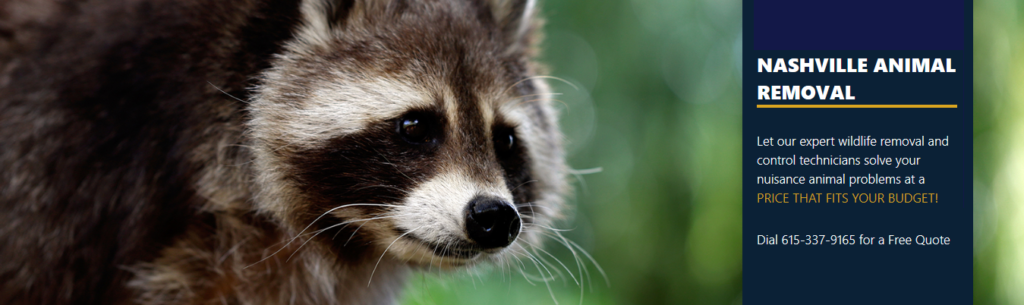
Advice That Will Keep Pesky Raccoons Out of Your Garbage

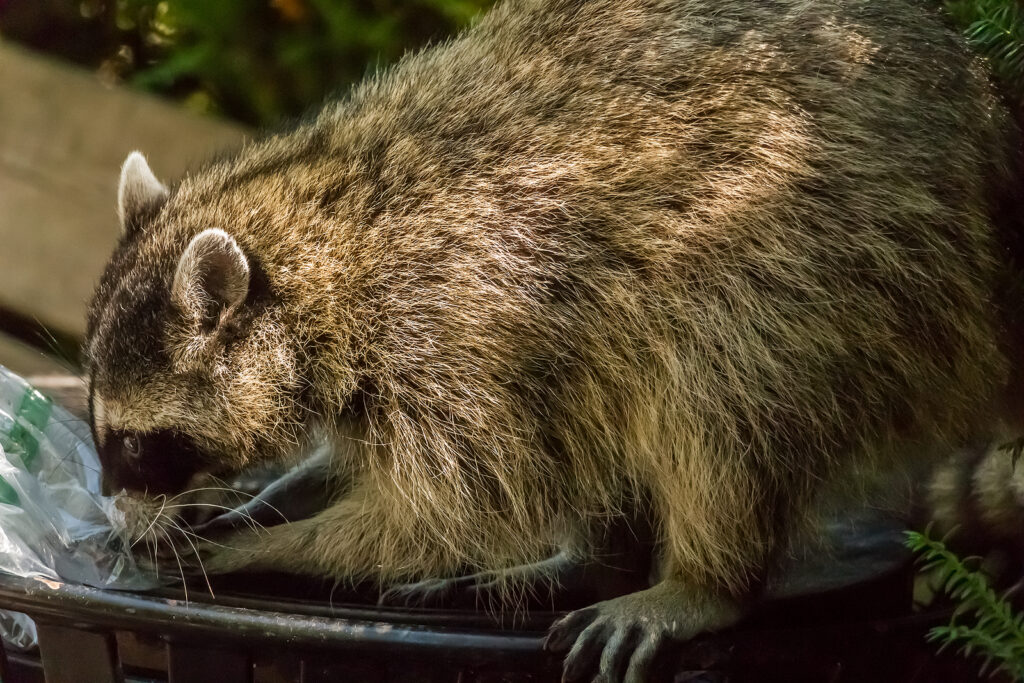
Raccoons are highly-intelligent creatures with dexterous paws that allow them to grip, grasp, pry, and pull. With these kinds of skill sets, it’s no wonder raccoons can easily access our garbage cans, and right under our noses! And since trashcans contain food scraps, they a primary target for raccoons on the hunt for food at night. Dumpsters, composts, and even recycling bins are not safe from raccoon plundering, unless they are prepped for raccoon activity. After all, raccoons are colloquially referred to as trash pandas for a reason!

If you are experiencing raccoon activity on your property, or have noticed that raccoons have been rummaging through your trash, continue reading to learn ways to keep them out for good.

Indianapolis Indiana Raccoon Removal
Indianapolis Indiana Raccoon Removal and Control 317-875-3099

Raccoon Control for Garbage Cans and Dumpsters

Raccoons are known carriers for infectious diseases, and they make an unforgettable mess out of trashcans. For these reasons, you want to stop raccoon trespassing in its tracks. The most effective practice you can implement to keep raccoons out of your garbage is to take your trashcans outside on the day of pickup. Leaving trashcans out overnight is a big no-no in terms of pest control. Raccoons view trashcans as a big, bright, flashing buffet, free of charge. They will instantly locate garbage-rich locations and remember these locations well. So, unless the garbage is controlled, raccoon activity will persist night after night.

How to Secure Outdoor Trashcans

If you must have trashcans outside, there are more options for keeping raccoons out of them. Consider tying down the lids of the trashcans with bungee cords. Insert the cords between the handles, and secure them in place to prevent raccoons from prying them open. You can also use a heavy object to keep lids down as well, such as a rock, cement block, or weight.

You can also thwart raccoons from wanting your trash by disguising the smell better. Try double-bagging your garbage, or adding air fresheners on the interior sides of the containers. You can even try using household items like mothballs, ammonia, peppermint oil, and cayenne pepper. Raccoons do not like these smells.

Opt for Professional Raccoon Abatement for Long Term Success

A professional raccoon control specialist can help you find areas of your property that are vulnerable to raccoons. They can also provide preventative maintenance and professional advice to stop raccoon problems and protect your home and landscape from raccoon damages for years to come.

Got Nuisance Raccoon Problems in Indianapolis or Central Indiana?

Call Budget Animal Removal at 317-875-3099 for fast and affordable raccoon removal and control services in Indianapolis, Indiana and its surrounding areas. Our DNR licensed and insured wildlife rescue and control specialists offer nuisance wildlife abatement services, cleanup and minor restorations for animal damages, 24 hour emergency service, free estimates, and much more! Get started by requesting a free estimate or advice, today.

Budget Animal Removal

2 Zoonotic Bat Diseases That Can Be Spread to Humans and Pets

When it comes to bats around the house or in the attic, you do not want to waste any time getting rid of them. Bats are known carriers of several infectious zoonotic diseases, two of which are very serious, and unfortunately, very common as well. And as known carriers, they are also capable of transmitting these diseases to both people and pets, such as cats and dogs. This is just one reason why pet vaccinations are so vital to the overall health and protection of your animals and your loved ones.

These two zoonotic diseases described above are Rabies and Histoplasmosis. Continue reading to learn more about each illness, and what you can do to get rid of nuisance bats in your Tennessee home or property.

Bat Removal and Control Nashville Tennessee 615-337-9165
Bat Removal and Control in Tennessee 615-337-9165

Most Common Transmissible Bat Diseases:

☣► Histoplasmosis

Histoplasmosis is an infection of the lungs and respiratory system. It is caused by the development of Histoplasma capsulatum fungus on bat droppings, also known as guano. It can also grow on bird droppings. The fungus produces mold spores that become airborne, either from wind, construction, or a property’s interior air duct system. Upon inhalation, the spores can enter a person’s respiratory system and cause flu-like symptoms. And if not treated properly, a person can become very ill. When a person is mildly affected by Histoplasmosis spores, it is possible for them to never experience any symptoms.

However, in cases of long-term or close-up exposure, symptoms can develop within 3 to 17 days, depending on the severity of exposure. Serious cases of Histoplasmosis can be life-threatening to those with weakened or suppressed immune systems, as well as the elderly and young children. Common symptoms of Histoplasmosis infection are similar to the flu, while severe cases are more similar to tuberculosis. Typical symptoms for mild cases may include all or a combination of fever, chills, headache, muscle aches, dry cough, chest discomfort, lethargy, joint pain, rash, and general malaise.

☣► Rabies

Rabies is a well-known and dangerous virus that is carried and transmitted via saliva and blood among several species of wildlife in Tennessee. Fox, coyotes, raccoons, bats, squirrels, and more are common carriers of the Rabies virus; but just because they are carriers does not mean they are infected. Unfortunately, the Rabies virus cannot be diagnosed until the symptoms are noticeable. But at this point, it is too late for the victim.

This viral disease is usually fatal in animals since it causes swelling and inflammation of the brain. This condition can cause infected animals to behave strangely and unpredictably, exhibiting violent movements, uncontrolled excitement, fear of water, an inability to move parts of the body, confusion, and loss of consciousness. Annual pet vaccinations can protect curious dogs and cats from encountering a fatal rabies attack from an infected animal.

What You Need to Know About Rabies in Humans

As for humans, Rabies can be fatal unless treatment can be received before symptoms begin to appear, which usually takes 1 to 3 months. Only 6 people have survived a rabies infection after showing symptoms. For this reason, it is important to seek immediate treatment if you suspect that you had contact with an infected animal. Common signs and symptoms can include slight or partial paralysis, anxiety, insomnia, confusion, agitation, abnormal behavior, paranoia, terror, and hallucinations, progressing to delirium, and coma.

Nashville Tennessee Bat Removal and Control at Your Service

Call Budget Animal Removal at 615-337-9165 to get help with your bat removal and control needs in Nashville, Tennessee. Our TWRA licensed and insured wildlife control specialists that can deliver safe and long-lasting results at the most economical rates in town. Our teams serve both residential and commercial clients, and also offer several complimentary amenities, including free phone quotes, estimates, advice, and referrals.

Tennessee Wildlife Removal and Control 615-337-9165

Tips for Getting Rid of Foxes in Indiana

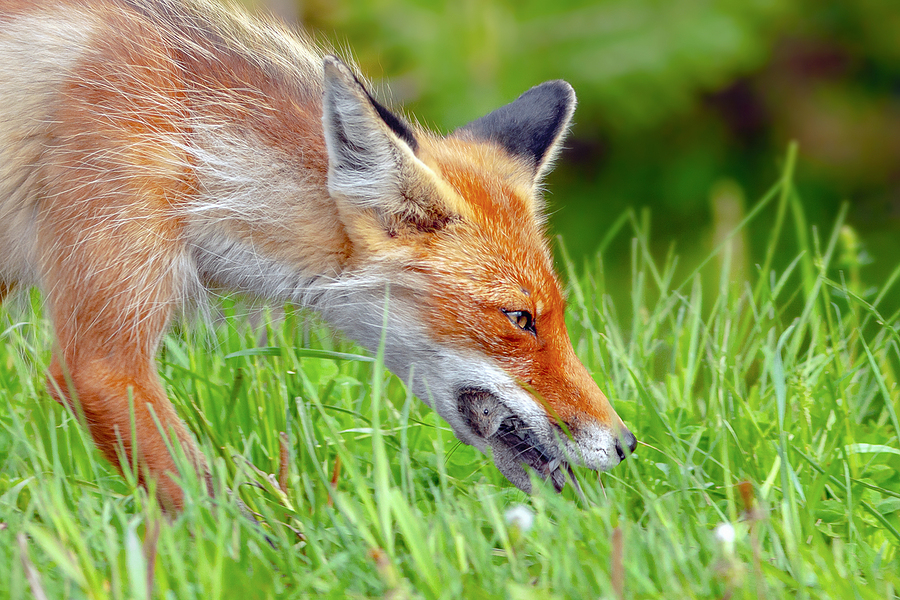
Foxes are a common nuisance animal here in the Hoosier state. But it is not their fault. As a result of land over-development, foxes’ habitats are being pushed closer and closer to our urban and suburban territories. Furthermore, a failure to control fox populations has contributing to the growing number and sizes of packs we see each year. If you have a nuisance fox problem in or around your property, it is strongly encouraged to approach it with a safe and humane solution.

Continue below for some prime tips on getting rid of foxes in Indiana.

Indianapolis Fox Removal and Control
Indiana Fox Removal and Control 317-875-3099

Nuisance Fox Solutions That are Safe and Humane

There are several options for abating nuisance fox activity on your property. Whether residential or commercial, avoiding fox interference is a must, considering just how much damage they are capable of. Not only will fox packs dig up and pillage your beloved crops and gardens, they will also damage lawns, wooden structures, trees, and more.

Their urine is quite pungent as well, and they mark a lot, which causes lingering odors and sometimes, problems with your own pet’s marking and potty-time behaviors. To make matters worse, foxes can carry and transmit infectious diseases, one of which being the Rabies virus. So, if you are experiencing heightened fox activity around your house or business, you are wise to be concerned.

Here are some ways you can prevent fox activity on your property:

🦊 Environmental Modification

One of your first priorities when on a mission to reduce or get rod of fox activity on your property is to make changes to your surrounding environment. Basically, remove or lock up anything that attracts fox to your premises, such as pet food, garbage, water, and places to hide. Consider putting your trash cans outside on the morning of collection day, covering compost and log piles with tarps, filling in hollowed trees, removing outdoor pet and water dishes, and perhaps even installing a fence.

🦊 Non-Toxic Repellent

Environmental modification is really only a component of truly abating fox activity. You need to couple it with some other techniques as well, such as a non-toxic animal repellent. For fox, human urine is a great repellent, as they will stay away from any potential predator territory. But this can possibly cause problems, both among unapproving neighbors and your own pets. As an alternative, you can make a homemade, non-toxic repellent for nuisance wildlife.

🦊 Professional Wildlife Control

The best solution to a nuisance fox problem is professional wildlife control service. It is the best solution because it is the most effective, and longest-lasting. Choose a DNR licensed and insured Indianapolis Indiana wildlife removal and control company that has extensive experience and modern technologies, and who uses safe and humane methods to extract and exclude nuisance animals.

Who to Trust for Indiana Fox Removal and Control at an Affordable Price

Call Budget Animal Removal at 317-875-3099 to get fast and affordable wildlife control for a nuisance fox problem. Our DNR licensed and insured wildlife control specialists offer safe and humane wildlife abatement services in Indianapolis, Indiana and its surrounding areas. We also offer animal clean-up, minor restorations for animal damages, 24 hour emergency service, free estimates, and much more! Get started by requesting a free estimate or advice, today.

Budget Animal Removal

How to Scare Raccoons Off Your Property in Tennessee

Here in Tennessee, nuisance raccoons are just about as common as your everyday backyard squirrel. But this does not mean you have to sacrifice your property’s comfort, safety, and overall value, because a neighborhood pack of raccoons won’t leave your yard alone. Continue below to learn some safe and effective tips for scaring raccoons off of your property in Nashville, Tennessee, as well as, what to do if they just won’t seem to go away no matter what you do.

Tennessee Raccoon Removal and Control
Tennessee Raccoon Removal and Control 615-337-9165

Raccoon Dangers and Health Risk are Real

Anyone who owns a home near wooded Tennessee areas are likely to experience nuisance animal and pest problems at some point or another. And for residences in city urban areas like Nashville, nuisance animal activity is increasing with every passing year. Several species of animals invade residential properties in search of food and shelter, and raccoons are the most notorious culprits of them all.

This is even more hazardous because raccoons carry infectious diseases like Rabies and Leptospirosis, so they can be a safety threat to pets and humans. Along with the extensive amounts of structural damage they are capable of, these reasons are why it is vital to get rid of raccoons as soon as they become a problem. Every so often, you may see one on your front porch or in the backyard, and if this happens, you should know how to handle the situation safely and humanely.

Effective and Safe Raccoon Scare Tactics

Although seeing a raccoon can be alarming, it is important to never panic. Also, it is important to never attempt to harm, trap, catch, or kill raccoons under any circumstances. Keep in mind that this is not only inhumane and immoral, it is illegal in virtually all states. Instead, if you see a raccoon somewhere on your property, and you want to get rid of it quickly, try a few safe and humane methods to scaring them away; and then be sure to follow up the next day by raccoon-proofing your property to keep raccoons away for good.

A few tips for raccoon prevention are to remove outdoor food and water sources that are accessible to raccoons. If there is nothing to snack on, they are likely to lose interest in your property. Also, be sure to have a professional inspect your exterior home for openings, gaps, and vulnerabilities that could allow raccoons access inside your attic and more.

Here are some fast, easy, and non-lethal ways to scare away a raccoon that has wandered onto your property:

Automatic Sprinklers

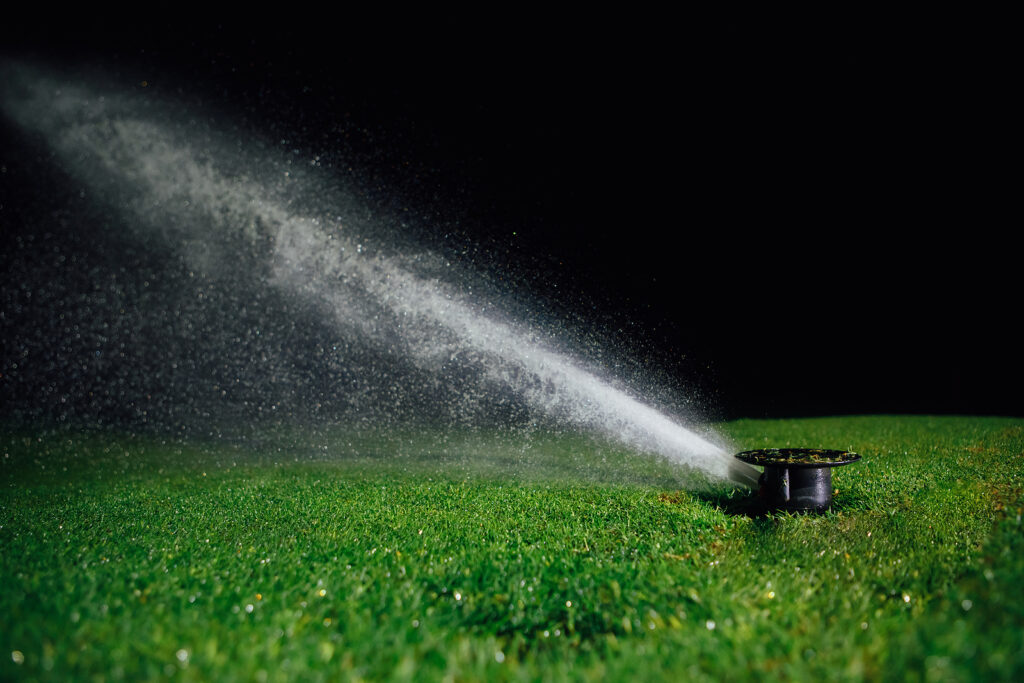
If your property is set up with an automatic sprinkler system, it is a perfect method of non-lethal raccoon removal. Simply wait for the raccoon to wander closer to an area in the yard that the sprinklers can reach, and then flip the switch! Not only is water safe for raccoons, people and pets, the sudden onset will startle them and hopefully scare them off.

Switch on the Outdoor Lights

Lights can startle and scare raccoons, so you will want to try them out first. Flip on the garage or porch lights, driveway lights, or patio lights, whichever is closest to the coon, and then continue to do so over and over at a rapid rate. The flashing lights may scare the raccoon off immediately. This is why it is recommended to install motion-censored lighting outdoors for homes with heightened nuisance nocturnal wildlife activity.

Crack a Window and Yell Loudly

Do not attempt to open a window directly by the raccoon, since this could be a safety hazard for yourself and others. Instead, choose an upstairs window, or another first-story window nearby the raccoon. Do not open it up all the way, just an inch or so, and gather everyone around to yell at it. Loud noises make raccoons uncomfortable, and sometimes frightened, so this technique could certainly work too. Try using instruments, sound recordings, blow horns, and more to do the same job, but be kind to the neighbors!

Affordable and Fast Raccoon Removal in Nashville, Tennessee

Call Budget Animal Removal at 615-337-9165 for fast raccoon removal and control in Nashville, Tennessee and its surrounding areas. Our TWRA licensed and insured wildlife control specialists offer nuisance raccoon extraction and exclusion services at the most affordable prices in the Volunteer State. We also provide professional cleanup and restoration for raccoon damages, as well as, 24 hour emergency service, free estimates, and much more! Get started by requesting a free estimate or advice, today.

Tennessee Wildlife Removal and Control 615-337-9165

Tips for Dead Animal Odor Removal

So, you discovered there was a dead animal, or animals, in your home and you have had them successfully removed. But for some reason, your home still smells as if they were still there. So, what do you do? You call a reputable Indianapolis wildlife control company for professional dead animal cleanup and restoration services. Your homeowners’ insurance might even cover all or part of the service!

Continue reading to learn why your home retains these foul odors left behind by a dead animal, and how a professional wildlife removal technician can remove them for good, and within budget.

Indianapolis Dead Animal Removal and Cleanup
Indianapolis Dead Animal Removal and Cleanup 317-875-3099

Dead Animals Leave Behind More Than Just Odors

Whether raccoons, bats, squirrels, chipmunks, or some other species of Indiana wildlife, there are many reasons why a home may still smell like the dead animal that was just removed. Sometimes, that smell can be described as rotting meat or sour garbage, but must worse. When an animal is living within a home, and then dies, simply removing the carcass is not enough if the animal spent more than a few days inside. In addition to a dead animal carcass, other remnants of their time there will cause smells to develop and linger.

For example, animal urine and droppings can accumulate to mass amounts in as little as a few hours. This causes an airborne odor that will pass through the home’s vents, ductwork, walls, and ceilings. In fact, if the urine and dropping accumulations are too massive, they can even seep through these areas and cause stains on ceilings and walls.

Furthermore, a dead animal carcass can also leave behind body oils that saturate and soak through areas of the home where the animal died. This can leave behind a strong, pungent odor just by itself. Aside from a carcass, other remnants of animals can cause smells to contaminate the home, such as decaying food leftovers and birthing debris.

Dead Animal Odor Removal Process

It is vital to your home and health to hire a professional wildlife control contractor to manage these problems and remedy them in a convenient time frame. They retain the proper training and experience to quickly identify foul animal odors, and the professional supplies to restore your space back to normal. Depending on the extent of damage, technicians commonly control and remove foul odors by applying counteractants, oxidizing agents, germicidal disinfectants, aerosol sprays, and foggers to complete the job. Best of all, most wildlife cleanup and restoration services are covered fully or partially by standard homeowners’ insurance policies.

Qualified Dead Animal Removal and Cleanup Service in Indianapolis, Indiana

Contact Budget Animal Removal at 317-875-3099 for fast and affordable dead animal removal and cleanup services in Indianapolis, Indiana. As a locally owned and operated Hoosier company founded on old-fashioned values of integrity and respect, you can feel confident that your property is in the hands of truly qualified professionals who are committed to superior customer support, as well as, the protection and preservation of Indiana’s astounding wildlife. Contact us at 317-875-3099 to speak directly with a friendly wildlife abatement specialist about your nuisance animal problems, today.

Budget Animal Removal

The Basic Facts You Want to Know About Beavers

Beavers might be mostly known for their dam building abilities along rivers and streams, but there is plenty more to know about these land and water mammals. Continue reading to learn some fun and interesting facts about beavers that you can share with your family and friends!

Indiana Beaver Removal and Control
Indiana Beaver Removal and Control 317-875-3099

Beaver Facts You May Not Know

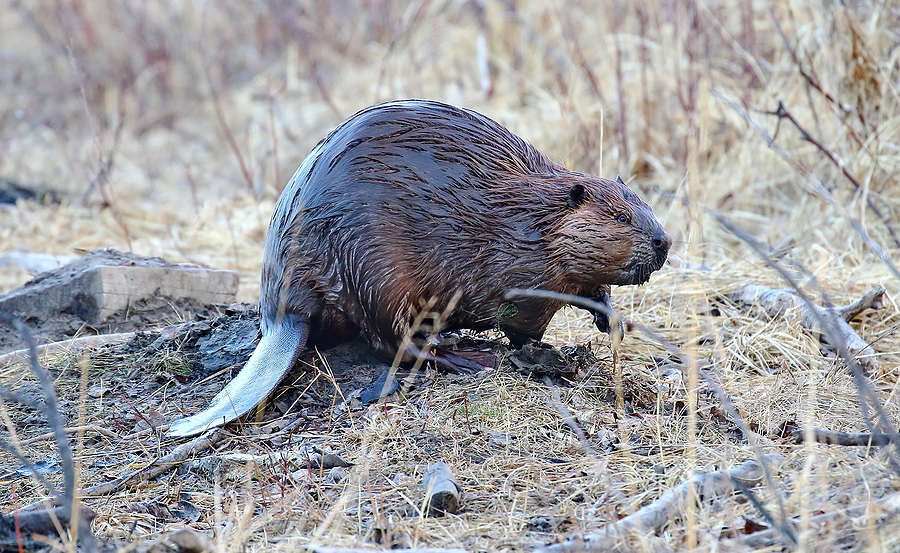
The North American Beaver, also called the “Canadian beaver”, is scientifically referred to as Castor Canadensis, which makes them part of the Castor genus and Castoridae family. Not only are they large semi-aquatic, rodents that are mostly nocturnal in nature, they are the largest rodent in North America. They have wide, flat tails that help them wade through water and sit up on land. They also use their tails to communicate with other beavers by slapping them on water to alert of nearby predators.

Here are some more interesting facts you may not have known:

Beavers are semi-aquatic. As semi-aquatic mammals, they can hold their breath and swim underwater for up to 15 minutes. They are fairly slow on land, but in the water, they are very fast.

Beavers have poor eyesight. Beavers do not see very well, but their senses of hearing, smell, and touch are very keen.

Beaver teeth never stop growing. The teeth of beavers grow at a continuous rate. This helps protect them against exponential wear and tear caused by gnawing.

Beavers are mostly nocturnal. For beavers, most of their activity takes place between the hours of dusk and dawn. Many people do not know this!

Beavers are a colonizing species. They cooperatively live in groups and work together to survive.

Beavers build intricate lodges. Beaver dams are also known as “lodges”, and they are complexly engineered to have a flood-free floor that sits above the water’s surface.

Beavers do not hibernate in the winter. Instead, they store up on bark to eat through winter, and their insulated dens keep them warm enough until the season is over.

Beavers are vegetarians. They eat inner bark of trees, as well as, cattails, water lilies, and other types of aquatic vegetation. They really love fruit too, so protect your trees and gardens!

Beavers never really stop growing. They can reach up to 55 pounds and live up to 24 years.

Beavers can be a nuisance to us. See our blog, “Be On the Lookout for Beaver Dam Problems This Fall” to learn more.

Nuisance Beaver Problems and Solutions

Although beavers are interesting to learn about, they are not necessarily a good thing to have around. If you suspect that your property is being targeted by beavers, or you have noticed some increased beaver activity, contact a licensed Indianapolis animal removal and control company for professional intervention. They have the proper permits, training, and experience to provide safe, non-lethal beaver removal that adheres to the state and federal laws that govern wildlife.

Licensed Beaver Removal and Control in Indianapolis, Indiana

Call Budget Animal Removal at 317-875-3099 for fast and affordable assistance with nuisance beavers in Indianapolis, Indiana. Our DNR licensed wildlife removal specialists offer wild animal abatement services, cleanup and minor restorations for animal damages, 24 hour emergency service, free estimates, and more! Request a free estimate, today.

Budget Animal Removal

Budget Animal Removal Now Serves All of Nashville, Tennessee

Budget Animal Removal is proud to announce that we now have a location in Nashville, Tennessee! Our TWRA licensed and insured wildlife operators are fully-staffed and fully- equipped to provide a wide range of wild animal extraction and exclusion solutions that are guaranteed to FIT THE BUDGET! Scroll down to learn more about us, what we do, and how to get in touch for a free quote or advice, today!

www.budgetanimalremoval.com/Nashville-Tennessee

Spring Squirrel Activity. Adult Squirrel in the Sun.

Serving Middle Tennessee and Greater Nashville

Here at Budget Animal Removal, we are dedicated to safe and humane methods of wildlife abatement. We operate using industry best practices, plus adhere to all local and state laws that govern wildlife removal and control. Our TWRA licensed and insured wildlife control specialists have more than 30 years of hands-on experience, and retain the latest technologies and resources to deliver effective and lasting results within a convenient timeline.

We offer both residential and commercial animal removal and control services, including animal extraction, animal-proofing, clean up, animal damage repair, emergency services, and much more. Not only do we operate 24 hours a day and serve all of Davidson County and the Greater Nashville areas, we work with all local species of wildlife here in Tennessee, including bats, raccoons, squirrels, chipmunks, skunks, birds, opossum, coyote, and more. We can even offer animal removal services for armadillos, snapping turtles, and bobcats! Best of all, we offer the most competitive prices in town; after all, our name is BUDGET Animal Removal!

Wild Animal Damages and Restoration Services

Did your house or building suffer structural damages or unhygienic conditions as a result of nuisance animals? Not to worry! We provide cleanup and restoration services for animal damages, plus we can provide homeowners’ insurance claim work! Regardless of size or scope, our TWRA licensed wildlife control specialists are fully-equipped to restore your property back to its original condition before it was damaged by nuisance animals. We utilize top-quality equipment, products, and procedures, and retain decades of hands-on experience in the industry.

Why Choose Our Nashville Wildlife Control Operators?

✤ Actively Licensed By the TWRA (Tennessee Wildlife Resource Agency)
✤ Premium Insurance Coverage
✤ In Business For Over 30 Years
✤ 3 Decades of Hands-On Experience
✤ Humane Practices and Systems
✤ Commercial and Residential Service
✤ Works With All Local Wildlife
✤ Economical Rates and Prices
✤ Free Advice and Referrals
✤ Free Estimates and Phone Quotes
✤ Compassionate Customer Service
✤ Homeowners’ Insurance Compatible

Contact Us for Prompt and Professional Wildlife Control Service Today!

Contact us at 615-337-9165 to speak with a friendly Nashville Tennessee wildlife removal and control professional, directly. When it comes to wildlife removal services, we are your affordable one-stop-shop for extraction, preventative maintenance, and restoration here in Nashville, Tennessee. Our TWRA licensed and insured specialists have the knowledge and training to implement the proper methods and techniques to keep your property safe while also protecting the best interests of the surrounding nature. As a family–owned and operated company, we understand the value of a dollar, which is why we maintain economy-based prices that everyone can afford. We are happy to provide free quotes and advice, anytime!  

How Stop Yard Mole Damage to Your Lawn

If you are experiencing animal mole damage on your property, such as endless molehills, it is time for you to take action before the problem gets worse. Fortunately, there are several safe and humane methods you can use to get rid of moles. Continue reading to learn how you can get rid of yard moles in your lawn, garden, and more.

Yard Mole Removal and Control 317-875-3099

Why Yard Moles are Causing You Problems

In the animal kingdom, moles are fossorial mammals that have a subterranean way of life. This means they are skilled at digging and mostly live and forage underground in a network of entrenched tunnels. As for homeowners, moles can be quite the pest when it comes to lawns and gardens. You see, moles are insectivores, so they primarily consume a wide range of insects. Some of their favorites include invertebrates like earthworms, grubs, ants, and millipedes, all of which can be found underneath your lawn. In as little as one night, a group of moles can tear up an entire lawn looking for something to eat.

Getting Rid of Moles in the Garden

This time of year, our gardens are very important to us since we don’t get warm weather and sunshine all year long here in Indiana. So, when we come to find that our gardens have been plundered overnight by pesky moles, it can be quite frustrating to say the least. One of the safest and most eco-friendly methods for protecting gardens from animal moles is to create a natural barrier using plants that grow complex stem systems.

Plants and flowers such as daffodils, fritillaries, cucumbers, alliums, and marigolds have prickly and sticky stems that nuisance wildlife often avoid. If food is not easily accessible, moles will not really go out of their way to get some. Mole plants and castor beans are additional options for a natural barrier fence, however they are poisonous, and should be used with caution around children and pets.

Getting Rid of Moles in the Lawn

There are several safe and humane options you can use to get rid of moles in your lawn. One of the safest and most eco-friendly methods is to make your own homemade, non-toxic nuisance wildlife repellent spray. All you need is a plastic spray bottle, clean water, and a few household spices or essential oils. Moles hate scents like menthol, eucalyptus, peppermint, cayenne pepper, and of course castor oil. Simply mix the ingredients together and spray around the perimeter of your lawn or in areas where you’ve noticed mole activity. Another of effective option is to have your lawn treated for grub worms and other targeted insects.

When Your Yard Mole Problem Persists…

If moles are a persistent problem on your property, your best course of action is professional intervention. Contact a local and licensed Indianapolis wildlife removal and control company for safe and humane animal mole abatement service. Not only can they extract moles, they can animal proof your property to reduce the likelihood of moles and other nuisance wildlife from returning in the future.

Professional Yard Mole Removal and Control in Indianapolis, Indiana

Call Budget Animal Removal at 317-875-3099 for fast and affordable animal removal services for moles in Indianapolis, Indiana. Our DNR licensed wildlife removal specialists offer wild animal abatement services, cleanup and minor restorations for animal damages, 24 hour emergency service, free estimates, and more! Request a free estimate, today.

Budget Animal Removal

Is it Safe to Feed the Animals Around My House?

Going to the community pond to feed the ducks last week’s bread is one thing. But feeding other types of wildlife around your house can cause a wide range of problems, and even certain threats. Continue reading to learn what you need to know about feeding animals in your yard, including some helpful do’s and do not’s to live by.

Indianapolis Wildlife Removal 317-875-3099
Indianapolis Wildlife Removal and Control 317-875-3099

Feeding Wildlife Out of Your Backyard

There are many potential consequences to feeding animals on your property. Although birds and bird feeders are typically a safe bet, they too can cause problems around the yard if you are not careful. When it comes to having bird feeders, just be sure to position them far from your siding, roof, and chimney. This will help divert the birds urges to nest on your house. As for all other types of wildlife, it is best to steer clear of providing them with a reliable and consistent food source. Why? Well, the number one reason is that they will continue to come back!

Structural Damage

Visiting animals can cause a load of structural damages to gardens, lawns, flower beds, siding, roofing, gutters, trees, decks, porches, patios, outdoor furniture, playsets, swimming pools, ponds, and much more. Worst of all, if the animals are coming back to your property every day or night, they might eventually want to move in, which creates an entirely new set of structural repair needs. Attics and crawl spaces are top target, giving animals free will to tear down insulation, soil flooring, and make a nasty mess with their rotting food and droppings.

Health and Safety Threats

In addition to costly structural damage, wildlife can also pose certain health and safety risks. Not only are wild animals known carriers of several types of infectious diseases, many species are prone to attack if provoked, frightened, or ill. Animals like skunks are a major concern for those who have curious outdoor pets who might get sprayed during a conventional sniff. Similarly, raccoons and bats are one of the most well-known carriers of the Rabies virus, to which there is no cure once infected.

If You Insist on Feeding Animals…

There are helpful tips to stick by if you insist on feeding animals on your property. These tips can help mitigate nuisance wildlife activity, and therefore, protect your home and loved ones from the consequences of their behaviors. Here’s what you should do when feeding wild animals around your house:

⚫ Use species-specific feeding containers or bowls. For instance, use a squirrel feeder to feed squirrels and chipmunks, and use bird feeders to feed birds.

⚫ Place all animal bowls and feeders at least 20 feet from your house or any other important structures, like sheds, barns, cars, and utilities.

⚫ Reduce your feedings during the warmer seasons of the year, when their natural food sources are plentiful.

⚫ Be sure to use enough feeders and food to prevent animal overcrowding, fighting, territorial behaviors, and more.

⚫ Always contact an Indianapolis wildlife control company if you notice too much animal activity, animals acting odd, or find a dead animal on your property.

Experiencing Nuisance Wildlife Problems in Indianapolis?

Call Budget Animal Removal at 317-875-3099 for fast and affordable animal removal services in Indianapolis, Indiana and its surrounding areas. Our DNR licensed and insured wildlife rescue and control specialists offer nuisance wildlife abatement services, cleanup and minor restorations for animal damages, 24 hour emergency service, free estimates, and much more! Get started by requesting a free estimate or advice, today.

Budget Animal Removal

Basic Facts About Muskrats That Can Help You Protect Your Property From Damage

Muskrats are quite the confusing animal. Many people assume they are beavers, while others mistake them for large rodents. The truth is, muskrats are interesting semi-aquatic animals, but they can be quite destructive to your property if not properly managed. Continue reading to learn some educational facts about muskrats that will help you better understand how to deal with a nuisance muskrat problem.

Indianapolis Muskrat Removal and Control
Indianapolis Muskrat Removal and Control 317-875-3099

Muskrats (Ondatra zibethicus)

Muskrats are semi-aquatic rodents. That’s right; rodents. They are members of the “Rodentia” order, which they share with several other species of rodent. As semi-aquatic animals, muskrats live near bodies of water. This includes rivers, marches, swamps, lakes, canals, and even drainage conduits. If the area has 4 to 6 feet of slow-moving, calm waters and abundant vegetation, you are likely to find evidence of muskrat activity. In marshes, they build dome-shaped lodges made of plants that can span up to 6 feet across or more! These lodges can have inner chambers, portals, and underwater access holes. In other habitats, like rivers and lakes, they dig burrows in the banks for shelter.

Traits

They are an average of 1 to 2 feet long, with stocky bodies, round heads, thick fur, and long black scaly tails. Their tails can reach lengths between 7 and 12 inches long! And more interestingly, their tails are laterally-flattened, meaning they are vertically flat. This style of tail works like a rudder on a boat, helping them swim through water with speed and agility. Their rear webbed feet are a big help with this too. They also have long sharp front teeth that allow them to rip through meat and plant fibers with ease. They can even use their chompers effectively under water!

Diet

Muskrats, as semi-aquatic animals usually do, eat mostly an aquatic-based diet. They are crepuscular foragers, meaning they are active during the dawn and dusk hours of the day; and they are omnivores as well, eating fish, shellfish, and amphibians, as well as, cattails, sedges, and other aquatic vegetation. In detail, they eat snails, crayfish, mussels, clams, frogs, fish, cattails, and more. Once they find their food, they take it to a communal platform (made of mud and plants and usually out in the water) to store it there for later. This is their feeding station where they can enjoy their meals without fear of predators or thieves.

Indianapolis Muskrat Removal And Control You Can Trust

Call Budget Animal Removal at 317-875-3099 for fast and affordable animal removal and control for muskrats in Indianapolis, Indiana and its surrounding areas. Our DNR licensed and insured wildlife rescue and control specialists offer nuisance wildlife abatement services, clean up and minor restorations for animal damages, 24 hour emergency service, free estimates, and much more! Get started by requesting a free estimate or advice, today.

Budget Animal Removal