What to Do If a Skunk Is Living Under Your Porch or Deck

Discovering a new, uninvited guest living under your porch or deck can be unsettling, especially when that guest is a skunk. The thought of an accidental spray is enough to cause anyone stress. While it’s a common issue for homeowners, it’s important to handle the situation with care for both your family’s safety and the animal’s well-being.

A skunk taking up residence under your home is more than just a smelly inconvenience; it can lead to property damage and potential health risks if not addressed correctly. The key is to approach the problem calmly and strategically.

This guide will walk you through how to confirm you have a skunk, understand why it chose your home, and explore humane methods for encouraging it to leave. We’ll also cover when it’s time to call for professional skunk removal and how to prevent future wildlife from moving in.
Call 317-875-3099 for Local Skunk Removal in Indianapolis Indiana

Signs You Have Skunks Under the Porch

Before taking any action, you need to be sure a skunk is the culprit. Other small animals like raccoons, opossums, or groundhogs also seek shelter under decks and porches. Look for these specific signs to confirm you have a skunk problem.

Skunk Odor

The most obvious sign is the skunk’s distinct, musky odor. You might notice a faint, lingering smell even when the skunk hasn’t sprayed recently. This scent is often stronger in the early morning or late evening when skunks are most active. If you’ve noticed this smell consistently, it’s a strong indicator a skunk is nearby.

Tracks and Droppings

Skunk tracks are another clue. They have five toes on both their front and back feet, and their tracks often show long claw marks from their front digging feet. Their droppings are about one to two inches long and may contain undigested insects, berries, or seeds.

Visible Damage

Skunks are excellent diggers. Look for small, cone-shaped holes in your lawn or garden beds near the porch. These are signs that a skunk has been digging for grubs and insects. You may also see disturbed soil or pushed-aside mulch near the base of your deck or porch, indicating an entry point.

Why Skunks Choose Your Porch or Deck

Understanding what attracts skunks to your property is the first step toward effective skunk control. Skunks are motivated by basic survival needs: shelter, food, and safety. Your home can inadvertently provide all three.

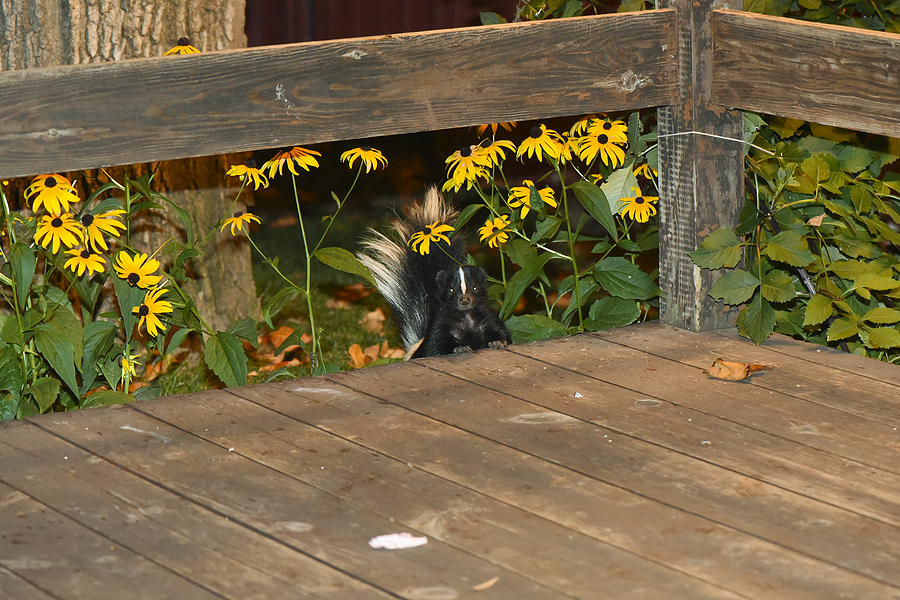
A porch or deck offers an ideal den—it’s a dark, quiet, and protected space that shields them from predators and harsh weather. This is particularly important during the spring nesting season, when female skunks look for a safe place to raise their young.

Your yard might also be an unintended buffet. Skunks are omnivores and will eat almost anything, including insects, grubs, fallen fruit, and pet food left outdoors. Garbage cans that aren’t securely sealed can also provide an easy meal, making your property an attractive place to settle down.

Humane DIY Methods to Get Rid of Skunks

The goal is to encourage the skunk to leave on its own, without causing it harm. Direct confrontation or trapping without experience can be dangerous and ineffective. Instead, try these humane strategies to make the space under your porch less inviting.

Use Gentle Harassment

  • You can make the den less comfortable for the skunk using light and sound.
  • Place a battery-powered radio tuned to a talk station near the den entrance. The sound of human voices can make a skunk feel unsafe.
  • Aim a motion-activated light toward the entrance. Skunks are nocturnal and prefer darkness, so a bright light can be a powerful deterrent.

Introduce Unpleasant Scents

While you might want to fight fire with fire, it’s best to use scents that skunks dislike but are harmless to them and your property.

  • Soak rags in ammonia or apple cider vinegar and place them in a shallow dish near the den opening. The strong smell is often enough to drive them away.
  • Scatter skunk repellent granules made from natural ingredients like predator urine around the perimeter of your porch.

Employ Motion-Activated Deterrents

  • Motion-activated sprinklers can be highly effective. A sudden spray of water is harmless but startling enough to deter a skunk from returning.
  • Solar-powered ultrasonic devices emit high-frequency sounds that are unpleasant for skunks but generally inaudible to humans and pets.

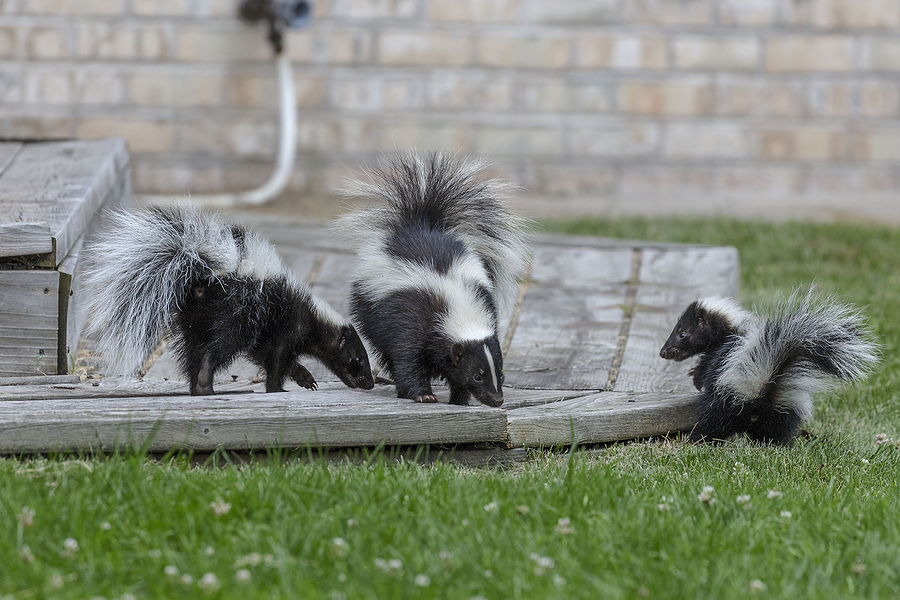
Before implementing any of these methods, it’s crucial to ensure no baby skunks are present. The nesting season typically runs from late spring to late summer. If you see signs of young or suspect a mother is caring for her kits (baby skunks), it is best to wait until they are old enough to leave with her or call a professional skunk removal service. Separating a mother from her young is inhumane and can lead to bigger problems.

Request a Free Skunk Removal Assessment Today 🦨✨

When to Call a Professional Skunk Removal Service

While DIY methods can be effective, there are times when calling a professional skunk removal service is the safest and most responsible choice.

  • If there are babies: Professionals know how to safely remove and reunite a mother skunk with her young.
  • If the skunk appears sick or aggressive: Skunks can carry diseases like rabies. An animal behaving unusually—stumbling, acting aggressively, or approaching humans—should only be handled by trained skunk trappers.
  • If you feel unsafe: If you are not comfortable attempting DIY removal, it’s always better to call for help. Professionals have the right equipment and training to handle the situation safely.
  • If DIY methods fail: If you’ve tried the methods above without success, a professional can offer more advanced and effective solutions.

Remember, attempting to trap a skunk yourself can be risky. If you provoke it, you will likely get sprayed, and trapped skunks can become highly distressed and defensive.

Preventing Future Nuisance Skunk Problems

Once the skunk is gone, the final step is to ensure another one doesn’t take its place. Prevention is key to long-term skunk control.

  • Secure Access Points: Seal off any openings under your porch, deck, or foundation. Use heavy-duty mesh or fencing buried at least a foot deep and bent outward in an L-shape to prevent animals from digging underneath.
  • Remove Food Sources: Secure your garbage cans with tight-fitting lids, bring pet food indoors at night, and clean up fallen fruit from trees.
  • Maintain Your Yard: Keep your lawn mowed and your garden free of debris to reduce hiding spots and limit the population of grubs and insects.
  • What to Do If Sprayed: If the worst happens, specialized skunk odor removal products are far more effective than tomato juice or regular soap. These products contain enzymes that break down the oils in the spray.

Conclusion

Finding a skunk under your deck or porch can be a nerve-wracking experience, but it’s a manageable one. By identifying the problem, using humane deterrents, and knowing when to call for professional help, you can resolve the issue safely. Taking preventative measures will ensure your home remains a peaceful, skunk-free space.

If you need assistance with a skunk problem, don’t hesitate to reach out. Our expert wildlife control team is here to provide safe, effective, and humane skunk removal services. Contact Us Today for a free, onsite consultation.

Call Now to Book Your Inspection

Related Post: Besting Nature’s Porch Pirates: Skunk Prevention and Control
Smell No More: Your Comprehensive Guide to Skunk Removal

Dealing with an unwanted skunk can be a daunting task that leaves you searching for effective skunk removal solutions. From the notorious smell they emit to the destruction they can cause in your garden, skunks are not your ideal neighbors.

But worry not! This comprehensive guide aims to enlighten you with proven skunk control techniques and methods to eliminate that pungent skunk smell for good. As you read on, you will gain a confident grasp on how to handle these black and white nuisances, turning your ‘skunked’ experiences into a thing of the past. Let’s delve right in!

Call 317-875-3099 for Licensed and Insured Skunk Control in Indianapolis Indiana

The Problem With Nuisance Skunks

Many homeowners across America have experienced the unpleasantness of dealing with nuisance skunks. While these furry creatures may look cute, their presence can cause many problems. Skunks can dig holes in yards and gardens, damage property, and spread disease. However, perhaps the most notorious issue is their potent odor. Skunks release a powerful musk when they feel threatened, and the stench can linger for weeks. Thankfully, there are solutions to skunk control, such as traps and repellents. It’s important to address skunk damages as soon as possible to prevent further harm and avoid the displeasure of their infamous odor.

Skunk Control Tactics

The best way to tackle a skunk problem is by preventing it from occurring in the first place. Utilizing effective deterrents, such as motion light sensors, automatic sprinklers, and noisemakers can help prevent skunks from residing in your property and scaring them off if they ever come too close. To further protect your home, clean your yard regularly to reduce potential hiding places, and check for holes or crevices in walls, foundations and other structures that may serve as entryways.

You can also try a homemade repellent, which can effectively repel skunks and prevent them from coming back. Made from natural ingredients, such as cayenne pepper, peppermint oil, or ammonia, homemade skunk repellent is easy to make and apply. By using this repellent, you can keep your property free from skunks and enjoy a longer-lasting solution to skunk control. You can also plant flowers in your yard that skunks hate, like thorny hedges.

Skunk Trapping and Removal

If you’re already dealing with a skunk infestation, then it’s important to take the right steps towards effective skunk removal. If there is an adult skunk present, then the safest way is to set up a humane live trap and relocate them far away from your home. It’s important to make sure you check local regulations on trapping and releasing animals as they vary from place to place. Here in Indiana, you must hire a licensed and insured wildlife removal company for the job. Attempting to trap, harm, poison, or kill skunks without the proper permits will result in civil and criminal penalties.

Skunk Odor Removal

The lingering skunk smell can be very persistent and hard to get rid of. To tackle this, you can utilize a combination of deodorizers and enzymes to help neutralize the odor in its entirety. First, start with using baking soda or white vinegar to absorb some of the smell from surfaces such as carpets and furniture. Then, follow up with an enzyme-based cleaner like Skunk Off to fully eliminate the scent molecules that cause the odor.

By following these tips and tricks, you can confidently take control of your skunk problem and rid yourself of that pesky smell for good! With a little bit of effort and guidance, you’ll be able to quickly regain the comfort of knowing your home is safe from unwanted pests like skunks.

Important Things to Remember

 Be sure to take all the necessary precautions when dealing with skunks, including wearing protective clothing and using gloves while trapping. If you ever have any doubts or questions about how to properly handle a skunk situation, contact your local animal control or wildlife expert for additional guidance. Remember that preventative measures are always more effective than reactive ones – so stay alert and keep your home safe!

Hopefully this guide has provided you with the confidence and insight to tackle any skunk related problem in a humane, effective way. Contact Budget Animal Removal at 317-875-3099 for DNR licensed and insured skunk removal and control in Indianapolis and its surrounding counties. We also work with all other species of wildlife native to Indiana, including squirrels. Request a free estimate or advice, today!

Related Posts:

Are Skunks Dangerous?
How to Get Rid of a Skunk Problem
Frequently Asked Questions About Nuisance Skunks

Are Skunks Dangerous?

Skunks are nuisance animals that can cause damage to your property and pose a threat to your safety. Skunks are known for their ability to spray a foul-smelling liquid as a form of self-defense, and this spray can be very difficult to remove from clothing or skin. Skunks also dig holes in lawns in search of grubs and insects, and their burrowing can damage the roots of your plants. But that’s not all; skunks can also carry and transmit diseases that can harm people and pets.

Continue below to learn more about the dangers of nuisance skunks, and more importantly, how to protect your property and loved ones from skunk threats and damages.

Skunk Trapper Indianapolis Indiana 317-875-3099

Basic Facts About Skunks

Most people know skunks for their notorious defensive spray, which they use to ward off predators and other threats. But there’s a lot more to these interesting animals than just their smelly defenses! Here are some basic facts about skunks:

Skunks are members of the mustelid family, which also includes weasels, otters, and badgers. There are two main types of skunks – the striped skunk and the spotted skunk.

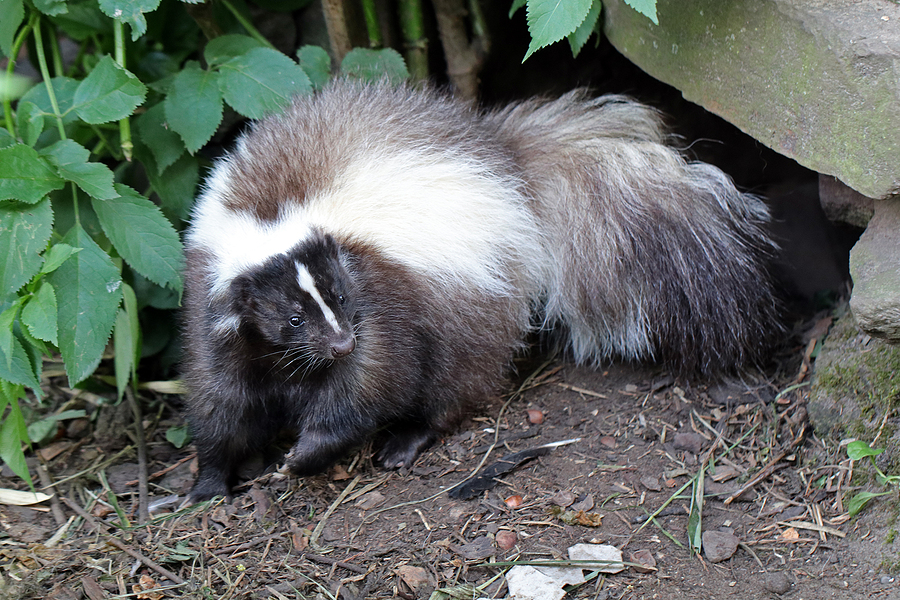
Skunks are typically black and white in coloration, with the exception of the albino skunk. They have a long, bushy tail, and their fur is thick and oily, which helps to repel water.

Skunks are relatively small animals, weighing between 4 and 10 pounds. They are nocturnal creatures, meaning they are most active at night.

Skunks use their powerful sense of smell to find food. Their diet consists mostly of insects, but they will also eat small mammals, reptiles, amphibians, fruits, and nuts.

Skunks are solitary animals, only coming together to mate. Females give birth to litters of 4-6 kittens in the spring. Baby skunks are born blind and deaf, but they grow quickly, reaching adult size within a few months.

As mentioned before, skunks are best known for their ability to spray a noxious liquid as a form of self-defense. This spray is produced by two glands located near the skunk’s anus, and it can be aimed with accuracy up to 15 feet away!

Skunk Diseases

There are a number of diseases that can be spread by skunks, including rabies and leptospirosis. Skunks are also known to carry the bacteria that cause tuberculosis, and while this disease is not currently widespread in skunks, it is still a concern for public health. In addition, skunks can also be carriers of the West Nile virus, which can be deadly to humans.

Skunks are not the only animals that can carry and transmit these diseases, but they are certainly one of the most commonly known carriers. This is due in part to their habit of spraying their musk, which can contain the bacteria that cause disease. If you come into contact with skunk musk, it is important to wash the area thoroughly with soap and water.

If you suspect that you or someone else has come into contact with a skunk and may have been exposed to one of these diseases, it is important to seek medical attention immediately. Early diagnosis and treatment are critical for the successful treatment of any of these diseases.

What to Do if You Encounter a Skunk

While skunks are generally peaceful animals, they will use their spray as a last resort when they feel threatened. So, if you see a skunk, it’s best to give it some space and admire it from a distance! Never attempt to touch, trap, harm, or kill a skunk. Simply turn around and walk briskly in the other direction. If you have skunks revisiting your property, they could pose threats of damage and disease. In this case, you are encouraged to seek out professional skunk removal and control service in your community.

If you have a skunk on your property, it is important to take steps to control it and remove it safely. Contact Budget Animal Removal at 317-875-3099 for fast and affordable animal removal and control services to get rid of skunks in Indianapolis, Indiana and its surrounding counties. Request a free estimate or advice, today!

Related Posts:

How to Get Rid of a Skunk Problem
Frequently Asked Questions About Nuisance Skunks
How to Remove a Dead Animal From Your House

Why You Need to Protect Your Home From Skunks Right Now

Many people assume that skunks hibernate during the winter, but this is not true. Although skunks are certainly more active in the spring and summer months, in the winter, they have plenty to do, and they sure do get it done! Just around the corner is February, which is prime skunk mating season. This means that skunks are active right now, and on the hunt for a mate, and for a place to birth and raise their young.

For those who live near wooded or forested areas, or large bodies of water, you could be at a higher risk for nuisance skunk intrusions and subsequent damages. Even if you do not live in areas like these, skunks are commonly known to wander through urban and suburban neighborhoods, causing all sorts of mayhem. What kind of mayhem? Well, skunks are quite destructive.

Continue reading to learn why you do not want skunks around your property right now, and how to protect your property from the increased skunk activity during their February mating season.

Indiana Skunk  Removal and Control
Indiana Skunk Removal and Control 317-875-3099

Skunks Spray Their Scent During Mating Season

February is skunk mating season, which is just one week away. Right now, skunks are out and about, searching for potential partners and places to raise their offspring. Skunks have been known to wander up to a 50 mile radius looking for a mate, so they certainly get around town. One primary way that skunks attract their potential female mates is by spraying their scent. To make matters worse, when females turn down a male partner, they spray their scent back! You do not want this tell-tale odor lurking and lingering around your property!

Skunks Find Shelter in Residential Spots

Skunks are a nuisance animal because they are intrusive and destructive. In residential and metro areas, they typically look for shelter in anything they can access. Most often, wildlife removal companies get calls about skunks under the porch, skunks in the crawl space, and even skunks in log piles, barns, and sheds. Once they have found a place to den and raise their young, you can expect them to make an awful mess. Not only will their food scraps leave behind an unhygienic and unsanitary mess that can attract pests and parasites, but their droppings will be around too, as they freely use the outer areas of their dens as bathrooms.

Furthermore, skunks are common carriers of several infectious disease, including the Rabies virus, which can be transmitted to both people and pets. They also carry disgusting parasites like lice, ticks, and more. If you have a curious pup, you do not want them having a dangerous encounter with a diseased skunk!

Skunks Will Destroy Your Lawn for Grubs

Skunks can reproduce up to 7 baby skunks per litter, known as kits. Not only will skunks be birthing their litters come early March or late April, but they will need to feed too! Skunks are omnivorous species, meaning they eat both plant and animal matter. Skunks favorite source of food are grassy lawns, where they can use their long, sharp claws to dig up sod and access the juicy grubs and worms below. After mating season, skunks are even more prevalent, and can cause more lawn destruction than any other time of year.

Your Top Solution to Skunk Control in Indianapolis, Indiana

Call Budget Animal Removal at 317-875-3099 for fast and affordable animal removal and control services for nuisance skunks in Indianapolis, Indiana. Our DNR licensed skunk trappers offer skunk removal, skunk control, skunk trapping, clean up and minor restorations, 24 hour emergency service, free estimates, and more! In fact, just entrust all of your wildlife removal and control needs to the DNR licensed and insured professionals at Budget Animal Removal.  Request a free estimate, today.

Budget Animal Removal

Frequently Asked Questions About Nuisance Skunks

There are some incredible facts about skunks that you may have never known about. For example, the scientific name for skunks is mephitis mephitis, which is derived from the Roman goddess of poisonous vapors, and loosely translates to “bad odor bad odor.” Although skunks can surprise you with fun facts like this, they are highly destructive, as well as odorous, so it is important to protect your property from skunk wildlife damages and safety hazards.

Continue reading to review the most frequently asked questions about nuisance skunk prevention and protection.

Indianapolis Skunk Removal and Control 317-875-3099

Will Skunks Damage My Lawn?

Skunks are notorious for digging up lawns in search of juicy grubs and other underground larvae. Because their sense of smell is so heightened, they can sniff a lawn and instantly know where to start digging. The result is a lawn that looks more like a mud field. Getting rid of a lawn grub infestation is a good start to mitigating the damage they can do. Furthermore, skunks will also tear up and devour yields in gardens.

Will a Skunk Spray Me?

Skunks have anal scent glands that produce a mixture of sulfur-containing chemicals, which have an aggressive odor. They use these spray glands as a weapon for defense, which means they will only spray if they feel threatened. They are more prone to spray if they are nursing and protecting their young. Although they have a great sense of smell and can hear quite well, they have poor vision, which also contributes to them feeling threatened when approached. 

How Do I Remove Skunk Smell?

Skunk smell can be removed in a number of ways. Although tomato juice is the old-timer remedy for skunk smell, the easiest way is to use some common, household items like vinegar, dishwashing liquid, hydrogen peroxide, baking soda, and vanilla extract. The first remedy is a solution containing water and apple cider vinegar.

Just rinse the affected area thoroughly, and then generously scrub in the solution. Let it sit for 10 minutes, then rinse and repeat until the smell is controlled. Another remedy includes mixing 1 quart hydrogen peroxide, 1/4th cup of baking soda, and 1 teaspoon of dish-washing liquid. For dogs and cats, you can add in a cup of vanilla extract to mask any residual or lingering odors.

How Can I Repel Skunks?

The best way to stop skunks from trespassing onto your property is to take away the stuff they are looking for. This includes food, water, and shelter. Remove food sources like grubs, pet food, water fountains, koi ponds, and exposed garden yields. Things like log piles, openings under patios, and outdoor sheds are viable shelters that should be contained.

You can also make your own non-lethal, eco-friendly repellent from cayenne pepper, ground pepper, and water. Just spray around the perimeter of your garden beds, or directly on your fruits and vegetables, to keep them from coming back for more. If skunks are still a problem, you will require professional intervention. Contact a local and trusted wildlife removal and control company that is licensed by the Department of Natural Resources.

Indianapolis Skunk Removal and Control You Can Afford

Call Budget Animal Removal at 317-875-3099 for fast and affordable assistance with nuisance skunks in Indianapolis, Indiana. Our DNR licensed wildlife removal specialists offer wild animal abatement services, cleanup and minor restorations for animal damages, 24 hour emergency service, free estimates, and more! Request a free estimate, today.

Budget Animal Removal