Recognizing the Signs of Nuisance Wildlife Trouble Near Your Property

The scurrying sounds in your attic at 2 AM. The garbage cans knocked over and trash scattered across your driveway. The mysterious holes appearing in your garden overnight. These aren’t just minor inconveniences—they’re warning signs that nuisance wildlife has discovered your property and decided to make themselves at home.

Nuisance wildlife refers to animals that cause property damage, pose health risks, or create safety concerns around residential areas. While these creatures play important roles in our ecosystem, problems arise when they venture too close to human habitation in search of food, water, and shelter. Common problematic wildlife includes raccoons, squirrels, rodents, birds, skunks, and bats, each bringing their own set of challenges to homeowners.

Identifying wildlife problems early is crucial for protecting your property and family’s health. The longer these animals remain undisturbed, the more extensive the damage becomes and the more difficult wildlife removal becomes. By recognizing the warning signs, you can take prompt action to address issues before they escalate into costly repairs or health hazards.
Call 317-875-3099 for Professional Animal Damage Inspection Service in Indianapolis

Common Nuisance Animals and Their Behaviors

Understanding which animals might be causing problems helps you identify the specific signs to look for around your property. Different species exhibit distinct behaviors that leave telltale evidence of their presence.

Raccoons are notorious for their intelligence and dexterity. These masked bandits typically raid garbage cans, pet food bowls, and bird feeders during nighttime hours. They’re excellent climbers and often establish dens in attics, chimneys, or crawl spaces. Raccoons can cause significant property damage while searching for food and nesting sites.

Squirrels are persistent climbers that frequently invade attics and wall cavities to build nests. They’re particularly active during daylight hours and can cause extensive damage by chewing through insulation, electrical wiring, and wooden structures. Tree squirrels also raid bird feeders and garden plants.

Rodents, including mice and rats, are among the most common household invaders. These prolific breeders seek warm, dark spaces with access to food and water. They contaminate stored food, damage property through gnawing, and pose serious health risks through disease transmission.

Birds can become problematic when they nest in inappropriate locations like gutters, vents, or attic spaces. Some species are aggressive during nesting season and may attack pets or humans who venture too close to their nests.

Skunks typically burrow under decks, sheds, or porches to create dens. While generally docile, they spray their infamous scent when threatened and can carry rabies. Their digging behavior damages lawns and gardens as they search for insects and grubs.

Warning Signs Inside Your Home

The interior of your home often provides the first clues that wildlife has gained entry. These signs typically indicate an established problem that requires immediate wildlife control measures.

Unusual Sounds

Strange noises are among the most common indicators of wildlife intrusion. Scratching, scurrying, or thumping sounds in walls, attics, or crawl spaces often signal the presence of squirrels, rodents, or bats. These sounds are typically most noticeable during dawn and dusk when many animals are most active.

Excrement

Droppings and urine stains provide clear evidence of animal presence. Rodent droppings appear as small, dark pellets scattered along walls or in storage areas. Larger animals like raccoons leave bigger droppings, often found near entry points or feeding areas. The size, shape, and location of droppings can help identify the specific animal involved.

Structural Harm

Property damage manifests in various ways depending on the intruder. Chewed food packaging in pantries indicates rodent activity, while damaged insulation or electrical wiring in attics suggests squirrel problems. Raccoons often leave muddy paw prints and torn materials around their entry points.

Lingering Smells

Foul odors can indicate several issues, from accumulated droppings and urine to deceased animals trapped within walls or ductwork. These odors often worsen over time and may pose health risks to occupants.

View Our Humane Wildlife Control Solutions! 🐾

Warning Signs Outside Your Home

Your property’s exterior often shows the first signs of wildlife activity before animals gain access to indoor spaces. Regular inspection of outdoor areas helps catch problems early.

Disturbed garbage cans are classic signs of raccoon activity. These clever animals can manipulate latches and remove lids, scattering contents across your yard. You might also notice paw prints around trash storage areas or greasy smudge marks where animals have climbed.

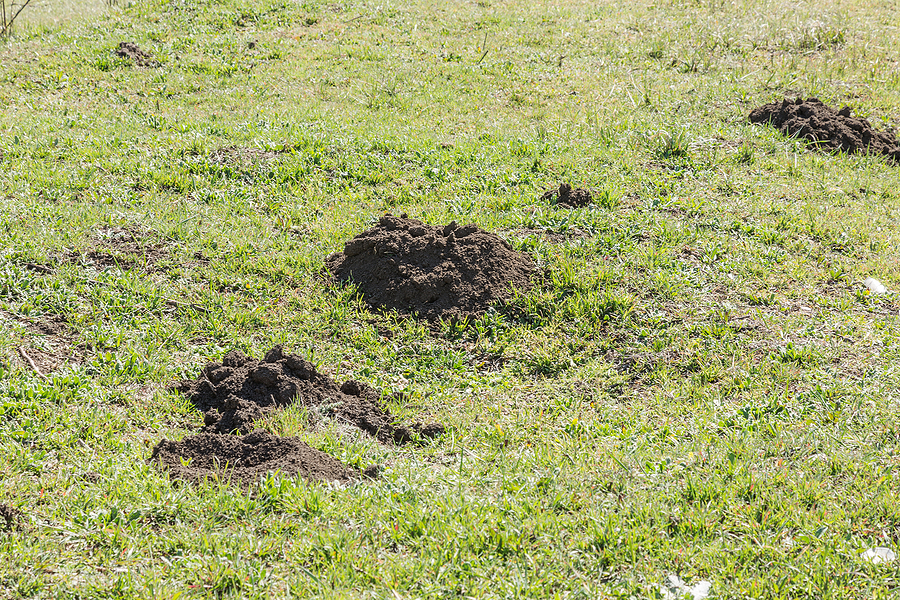
Damaged gardens and landscaping indicate various wildlife problems. Holes in lawns often signal skunks or raccoons digging for grubs, while nibbled plants and missing fruits suggest deer, rabbits, or birds. Damaged bird feeders or scattered seed typically points to squirrel activity.

Structural damage appears in many forms around your property’s exterior. Look for chewed siding, damaged roof materials, or torn screens. Animals often create entry points by enlarging existing gaps or weak spots in your home’s exterior.

Unusual pet behavior can signal wildlife presence before you notice other signs. Dogs and cats may bark excessively, refuse to go outside, or show signs of agitation when nuisance animals are nearby. Pets have keen senses that detect animal scents and sounds humans might miss.

Nesting materials scattered around your property indicate animals are establishing residence. Birds often drop twigs and debris while building nests, while mammals may gather leaves, insulation, or fabric for their dens.

Prevention Strategies That Work

Proactive prevention is far more cost-effective than dealing with established wildlife problems. These strategies help make your property less attractive to nuisance animals.

Wildlife Exclusion

Seal entry points by conducting thorough inspections of your home’s exterior. Close gaps in foundations, repair damaged screens, and install caps on chimneys and vents. Pay special attention to areas where utilities enter your home, as these often provide easy access for small animals.

Landscaping

Maintain your landscape by trimming trees and shrubs away from your home’s exterior. Overhanging branches provide highways for squirrels and other climbing animals to access your roof. Keep vegetation well-groomed to eliminate hiding spots for ground-dwelling animals.

Habitat Modification

Secure food sources by using garbage cans with tight-fitting lids and storing them in secure locations like garages or sheds. Remove fallen fruit from trees promptly, and avoid leaving pet food outside overnight. Consider removing bird feeders if wildlife problems persist, as these attract various animals beyond intended bird species.

Physical Barriers

Install appropriate fencing around vulnerable areas like gardens, compost bins, and outdoor dining spaces. Choose materials and heights appropriate for the specific animals in your area. Underground barriers may be necessary to prevent burrowing animals like skunks from accessing spaces beneath structures.

When Professional Wildlife Control Is Necessary

While homeowners can implement many prevention strategies independently, certain situations require professional wildlife inspection and removal services. Attempting to handle these scenarios without proper training and equipment can be dangerous and may violate local regulations.

Indiana’s wildlife laws require permits for trapping and relocating certain species. Professional wildlife control services understand these regulations and ensure all removal activities comply with state and local ordinances. They also follow humane treatment standards mandated by Indiana law.

Contact professional animal removal services when you discover large infestations, animals in difficult-to-reach locations, or potentially dangerous species like bats or skunks. Pregnant or nursing animals require special handling, as do situations involving structural damage that affects your home’s integrity.

Professional services provide comprehensive solutions including inspection, removal, exclusion work, and cleanup services. They can identify entry points you might miss and implement long-term prevention strategies tailored to your specific situation.

Take Action Before Problems Escalate

Nuisance wildlife problems rarely resolve themselves and typically worsen over time. The animals causing minor inconveniences today can create significant property damage and health hazards if left unaddressed. Regular property inspections help you catch warning signs early, when solutions are most effective and least expensive.

Remember that wildlife control requires ongoing vigilance. Seasonal changes bring different challenges as animals seek shelter, food, and breeding sites. Stay alert to the warning signs discussed in this guide and maintain the prevention strategies that work best for your property.

Schedule a wildlife inspection today with Budget Animal Removal to identify potential problems before they become costly repairs. Our wildlife control specialists can assess your property’s vulnerability and recommend targeted solutions to keep nuisance animals where they belong—in their natural habitat, not your home.

Call Now for a Free Quote

Related Post: 7 Steps to Prevent Wildlife Infestations on Your Property
Wildlife-Resistant Landscaping Strategies

Creating a beautiful outdoor space while protecting it from unwanted animal visitors presents unique challenges for homeowners. When raccoons raid your garden, moles tunnel through your pristine lawn, or squirrels destroy your carefully planted flower beds, maintaining an attractive landscape becomes an uphill battle. Understanding effective animal-proofing strategies can help you enjoy your property without constant interference from nuisance wildlife.

Wildlife control isn’t about eliminating animals entirely—it’s about creating boundaries that protect your investment while respecting the natural environment. The key lies in implementing comprehensive landscaping strategies that address multiple entry points and attractants. From selecting the right plants to installing proper barriers, every decision contributes to creating an animal-proof property that thrives season after season.

Call 317-875-3099 for Nashville Wildlife Control Services
Call 317-875-3099 for Nashville Wildlife Control Service

Animal-Proofing Your Landscape With Safety in Mind

Fencing and Barriers

Effective barriers form the foundation of any wildlife control strategy. Installing the right type of fencing depends on which animals pose the greatest threat to your property. For rabbits and small mammals, a fence should extend at least 18 inches underground and stand 2-3 feet above ground to prevent both digging and jumping.

Hardware cloth proves more effective than chicken wire for serious animal-proofing, as determined creatures like raccoons can easily tear through weaker materials. The mesh should be no larger than 1/4 inch to keep out chipmunks and other small rodents. For added protection against climbing animals, consider adding a 45-degree outward angle at the top of your fence.

Underground barriers require special attention when dealing with burrowing animals like moles and muskrats. Installing underground mesh barriers around valuable plants or garden areas creates an impenetrable boundary. These barriers should extend 12-18 inches deep and can be made from hardware cloth or specially designed root barriers.

Tree Maintenance

Proper tree care plays a crucial role in wildlife control by eliminating pathways animals use to access roofs, upper-level windows, and garden areas. Tree trimming should maintain at least 6-8 feet of clearance between branches and structures to prevent squirrels and raccoons from making the leap.

Regular pruning also removes dead or damaged branches that might attract insects, which in turn draw woodpeckers and other birds. Focus on maintaining healthy tree structure while eliminating low-hanging branches that provide easy access for climbing animals. Professional tree trimming ensures cuts are made correctly to promote healthy growth while achieving your wildlife control goals.

Fruit trees require special attention, as fallen fruit attracts numerous animal species. Harvest fruit promptly when ripe, and clean up any dropped fruit immediately. Consider installing tree guards around the base of young trees to prevent bark damage from rabbits and other gnawing animals.

Lawn Care

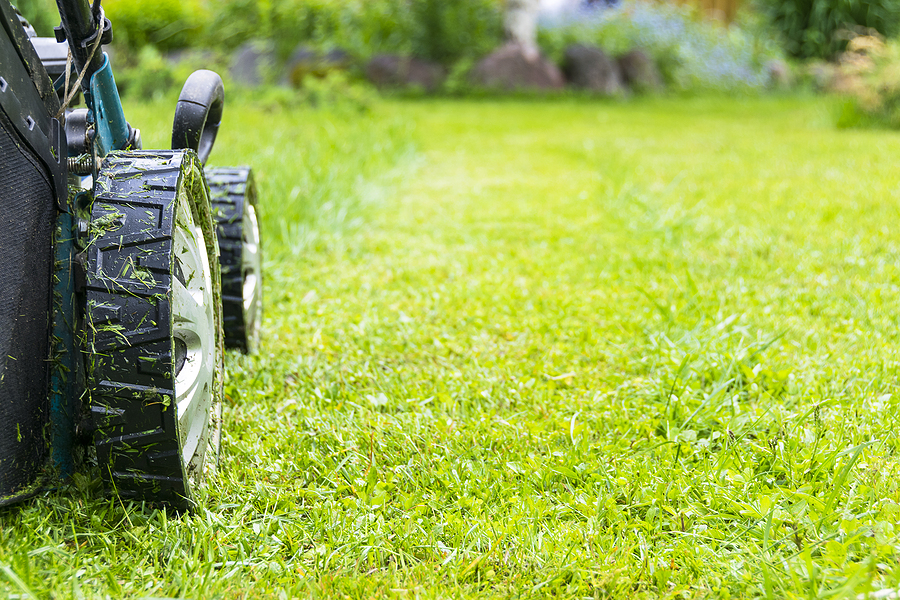
Maintaining a healthy lawn reduces the likelihood of animal damage while eliminating conditions that attract problematic wildlife. Proper lawn maintenance includes regular mowing, watering, and fertilization to create dense turf that’s less susceptible to digging and burrowing.

Overwatering creates soft soil conditions that make digging easier for moles and other burrowing animals. Instead, water deeply but less frequently to encourage deep root growth and firmer soil conditions. Address drainage issues promptly, as standing water attracts various wildlife species and creates muddy conditions that show animal tracks and damage more readily.

Grub control forms an essential component of mole and skunk prevention. These animals dig up lawns searching for insects and larvae, so eliminating their food source reduces the attraction. Apply beneficial nematodes or appropriate grub control products according to manufacturer instructions to break the cycle of lawn damage.

Garden Flowers and Plant Selection

Choosing plants that naturally repel animals eliminates many wildlife problems before they start. Marigolds, daffodils, and other strongly scented flowers deter many common garden pests through their natural oils and fragrances. Rabbits and deer typically avoid these plants, making them excellent choices for vulnerable garden areas.

Herb gardens featuring mint, lavender, and rosemary serve dual purposes by providing culinary ingredients while repelling unwanted visitors. These aromatic plants create natural barriers when planted around more vulnerable species. However, be aware that mint can become invasive, so consider planting it in containers or designated areas.

Thorny or spiky plants create physical barriers that most animals prefer to avoid. Barberry, holly, and rose bushes planted strategically can direct animal traffic away from sensitive areas while adding beauty to your landscape. Position these plants near known animal pathways or around vulnerable garden sections.

View Our Nashville Wildlife Control Solutions! 🦝

Mulch and Ground Cover

The type of mulch you choose can either attract or repel various animal species. Avoid using materials like straw or hay that provide nesting opportunities for small mammals. Instead, opt for cedar mulch, which naturally repels many insects and small animals through its aromatic properties.

Gravel or stone mulch around plant bases creates an uncomfortable surface for digging animals while providing excellent drainage and a neat appearance. This approach works particularly well around valuable shrubs or in formal garden settings where you want to discourage both weeds and animal disturbance.

Keep mulch layers relatively thin (2-3 inches) to prevent creating hiding spots for small mammals. Thick mulch layers can harbor rodents and provide cover for animals moving through your landscape. Regular mulch maintenance includes refreshing materials and removing any debris that might attract wildlife.

Hardscaping Solutions

Incorporating hardscaping elements reduces maintenance while creating areas that animals naturally avoid. Patios, walkways, and decorative stone features provide functional outdoor spaces that don’t require the ongoing care that attracts wildlife through watering, fertilizing, and other maintenance activities.

Raised beds offer multiple advantages for animal-proofing your garden areas. The elevated structure makes it more difficult for ground-dwelling animals to access plants, while the defined boundaries make it easier to install targeted barriers or repellents. Line raised bed bottoms with hardware cloth to prevent underground access.

Water features require careful consideration in wildlife control planning. While attractive, they can draw animals seeking drinking water. If you choose to include water elements, position them away from vulnerable garden areas and consider adding motion-activated components that startle approaching animals.

Animal Repellents

Understanding different types of repellent helps you choose the most appropriate solutions for your specific animal challenges. Each type works through different mechanisms and proves more effective against certain species.

Scent-Based Repellents: Repellents containing ingredients like garlic, pepper, or predator urine can deter animals through their sense of smell. These work well against rabbits, deer, and many small mammals but require regular reapplication, especially after rain or watering.

Taste-Based Repellents: Bitter-tasting sprays or granules can discourage animals from chewing or nibbling on plants. These prove particularly effective against rabbits and other animals that sample plants before consuming them.

Electronic Repellents: Motion-activated sprinklers or ultrasonic devices can startle animals and discourage them from entering the area. These high-tech solutions work well for larger animals like raccoons and skunks but may be less effective against smaller species.

Physical Barriers: Netting, fencing, or mesh can physically prevent animals from accessing plants or garden areas. While requiring more initial investment, physical barriers often provide the most reliable long-term protection.

When Professional Help is Necessary

Recognizing when to seek professional assistance can save time, money, and frustration in your wildlife control efforts. Consider professional landscaping services when dealing with large-scale installations or specialized barrier systems that require expertise to implement effectively.

Installation of custom fencing and barrier solutions tailored to specific animal types and property layouts ensures optimal protection while maintaining aesthetic appeal. Professional installers understand local wildlife patterns and can recommend solutions based on regional animal behavior.

Humane wildlife removal and relocation services to safely remove nuisance animals without harm address immediate problems while you implement long-term landscaping solutions. This approach prevents ongoing damage while giving your new strategies time to take effect.

Application of professional-grade animal repellents and deterrents for long-lasting protection provides access to commercial-strength products not available to homeowners. Professional application ensures proper coverage and timing for maximum effectiveness.

Maintaining Your Wildlife-Resistant Landscape

Consistent maintenance ensures your animal-proofing strategies remain effective over time. Trim trees and shrubs regularly to prevent animals from using them to access roofs or fences. This ongoing tree care maintains the barriers you’ve established while promoting healthy plant growth.

Routinely check and repair any damage to fences or barriers, as small openings quickly become larger problems when animals discover them. Address damage promptly to prevent animals from establishing new access routes or territories within your protected areas.

Rake leaves and clear debris promptly to eliminate potential hiding spots for small mammals and insects that attract larger predators. This simple lawn maintenance step reduces cover for unwanted wildlife while keeping your property neat and attractive.

Reapply animal-repellent sprays or granules after rain or snow, as weather conditions reduce their effectiveness. Maintaining a regular application schedule ensures continuous protection throughout changing seasons and weather patterns.

Conclusion

Creating and maintaining an animal-proof property requires dedication and the right combination of strategies. By implementing comprehensive barriers, selecting appropriate plants, and maintaining consistent care practices, you can enjoy a beautiful landscape without constant wildlife interference. The investment in proper animal-proofing pays dividends through reduced damage, lower maintenance costs, and the satisfaction of a thriving outdoor space.

Ready to protect your landscape investment? Get a free wildlife control quote from Budget Animal Removal and discover customized solutions for your property’s specific challenges.

Speak With a Wildlife Control Pro Now

Related Post: Preventing Animal Infestations on Your Property: A Homeowner’s Guide

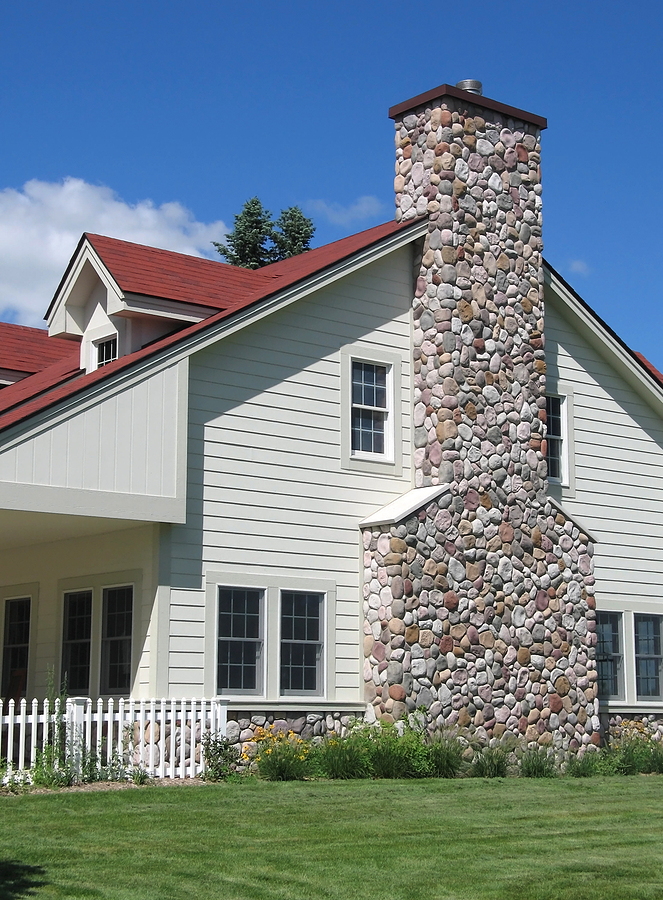
7 Warning Signs Animals Are Living in Your Chimney

Strange sounds from above your fireplace can send chills down any homeowner’s spine. While these noises might seem mysterious at first, they often signal a very real problem: animals in your chimney. From squirrels scratching at dawn to raccoons wreaking havoc at midnight, wildlife can turn your cozy fireplace into their personal apartment complex.

Understanding the signs of a chimney infestation is crucial for protecting both your home and the animals themselves. Early detection can prevent costly structural damage, eliminate fire hazards, and ensure the safe removal of unwanted guests. The sooner you identify these warning signs, the more effectively you can address the situation before it escalates into a major problem.

This guide will help you recognize the telltale indicators that wildlife has moved into your chimney, explore the risks these animals pose, and provide actionable steps to reclaim your home safely and humanely.

Call 317-875-3099 for Chimney Animal Removal in Indianapolis Indiana

Common Animals That Make Chimneys Their Home

Several species find chimneys particularly appealing as nesting sites, each bringing their own set of challenges and behaviors.

Squirrels

Squirrels are among the most frequent chimney invaders, especially during early spring and fall nesting seasons. These agile climbers use leaves, twigs, and other debris to construct elaborate nests. Their constant chewing habits can damage chimney structures, particularly in prefabricated chimneys that are more vulnerable to their persistent gnawing.

Birds

Birds often choose chimneys during spring nesting season, creating significant fire hazards with their twig nests. Different bird species may be more common depending on your location, but most construct nests that can block proper ventilation and ignite easily when exposed to heat or sparks.

Raccoons

Raccoons present perhaps the greatest challenge, as they can become year-round residents once they discover a warm, safe space. These intelligent animals possess the strength and dexterity to dismantle chimney structures, creating more room for themselves and potentially causing extensive damage to both masonry and metal chimneys.

Bats

Bats frequently colonize chimneys, particularly in older buildings with ample roosting space. They typically roost in groups, and their guano accumulation creates serious health hazards while producing distinctive odors that permeate throughout the home.

Rodents

Rodents, including rats and mice, often climb into chimneys seeking refuge from predators or harsh weather. These disease-carrying pests can contaminate your home and create additional health risks beyond the immediate chimney problem.

Recognizing the Warning Signs

Unusual Sounds

The most obvious indicator of animals in your chimney is sound. Scratching, scurrying, or thumping noises, especially during dawn or dusk hours, typically indicate wildlife activity. Squirrels are particularly active during daylight hours, while raccoons tend to create disturbances at night. Bird activity often includes chirping or fluttering sounds, particularly noticeable during quiet morning hours.

Distinctive Odors

Animal infestations produce unmistakable smells that can permeate your living space. These odors range from musky scents left by raccoons to the sharp, ammonia-like smell of bat guano. Dead animals trapped in your chimney create particularly unpleasant odors that intensify over time and may attract additional pests.

Physical Evidence

Visual confirmation often provides the clearest evidence of chimney infestation. Look for nesting materials like twigs, leaves, or fabric visible from below. Animal droppings around your fireplace or hearth area indicate active wildlife presence. You might also notice torn or displaced chimney caps, damaged flashing, or debris scattered around your fireplace.

Blocked Airflow

Poor ventilation or unusual drafts can signal that nesting materials are obstructing your chimney. If you notice smoke entering your room instead of properly venting outside, animals or their nests may be blocking the flue.

Visible Damage

Inspect your chimney exterior for signs of animal activity. Scratches on metal surfaces, damaged mortar in masonry chimneys, or bent chimney caps often indicate wildlife attempts to enter or expand their living space.

Request Affordable Wildlife Control Today! 🛡

Understanding the Risks and Dangers

Fire Hazards

Animals in your chimney create multiple hazards that extend far beyond simple inconvenience. Fire hazards top the list of concerns, as nesting materials can easily ignite and cause chimney fires or house fires. Bird nests constructed from dry twigs and leaves are particularly combustible, while accumulated debris can block proper ventilation and cause dangerous gas buildup.

Property Damage

Structural damage often accompanies wildlife infestations. Raccoons can dismantle masonry work, while squirrels gnaw through metal components and prefabricated chimney materials. These damages compromise your chimney’s integrity and can lead to expensive repairs if left untreated.

Health Risks

Health risks multiply when animals take up residence in your chimney. Bat guano carries histoplasmosis spores, while rodent droppings can transmit various diseases. Even seemingly harmless bird nests can harbor parasites and create respiratory issues for sensitive individuals.

Seasonal Breaches

Extreme temperature variations in the Midwest can exacerbate these problems, as animals seek warmer shelter during harsh winters and may cause additional structural stress to already compromised chimneys.

Prevention Methods That Work

Install a Sturdy Chimney Cap

A high-quality chimney cap serves as your first line of defense against wildlife intrusion. Choose caps made from durable materials like stainless steel, ensuring they fit securely without gaps that animals can exploit. Different chimney types require specific cap designs—metal chimneys need caps that maintain proper ventilation, while masonry chimneys can accommodate heavier, more robust protection.

Schedule Regular Inspections

Annual professional inspections help identify potential entry points before they become major problems. Lined chimneys offer better protection than unlined versions, but both require regular monitoring for gaps or deterioration that animals might exploit.

Maintain Your Property

Trim tree branches that overhang or touch your chimney, eliminating easy access routes for squirrels and raccoons. These agile climbers use nearby vegetation as highways to your roof, making proper landscaping an essential prevention strategy.

Seal Structural Weaknesses

Address any cracks or openings in your chimney structure immediately. Even small gaps can provide entry points for mice and rats, while larger openings invite bigger animals. Masonry chimneys require particular attention to mortar joints and crown integrity.

Professional Chimney Cleaning

Regular cleaning removes nesting materials and scent trails that attract animals to your chimney. Professional cleaning also eliminates debris that could serve as building materials for future nests.

When to Call Professional Wildlife Removal Services

While some homeowners consider DIY removal methods, professional wildlife removal offers the safest and most effective solution for chimney infestations. Wildlife removal experts possess specialized tools and techniques for safely extracting animals without harm to either the creatures or your chimney structure.

Professional services typically begin with a thorough assessment of your situation, identifying the species involved and the extent of the infestation. One-way exclusion devices allow animals to exit safely while preventing re-entry, ensuring humane removal that complies with local wildlife protection laws.

Following animal removal, professionals perform comprehensive chimney cleaning to eliminate nesting materials, droppings, and scent trails. This crucial step prevents attracting new wildlife to the same location.

Many professional services also address necessary chimney repairs, fixing structural damage caused by the infestation. This comprehensive approach ensures your chimney returns to proper working condition while preventing future wildlife problems.

Key Points

Recognizing the signs of animals in your chimney empowers you to address problems before they escalate into expensive repairs or dangerous situations. Strange sounds, unusual odors, and visible evidence all point to wildlife activity that requires prompt attention.

Professional wildlife removal services provide the expertise needed to safely and humanely resolve chimney infestations while protecting your home from further damage. Combined with proper prevention measures like chimney caps and regular inspections, professional intervention can restore your peace of mind and your fireplace’s functionality.

Don’t let wildlife turn your chimney into their permanent residence. Contact Budget Animal Removal today for a comprehensive assessment and humane solution to your chimney infestation concerns in Indianapolis.

Get a Free Quote Now

Related Post: Long-Term Solutions for Indiana Wildlife Intrusions

How Bats Use Echolocation to Navigate the Night

The soft flutter of wings overhead might signal the presence of one of nature’s most sophisticated navigators. Bats possess an extraordinary ability that allows them to hunt, navigate, and thrive in complete darkness—echolocation. This biological sonar system is so advanced that scientists continue to study it for applications in technology and medicine.

Understanding bat echolocation isn’t just fascinating from a scientific perspective; it’s also crucial for homeowners dealing with bat-related issues and conservationists working to protect these remarkable creatures. Whether you’re curious about the bats roosting in your Indiana attic or simply amazed by nature’s ingenuity, exploring how biosonar works reveals the incredible adaptations that make bats such successful nocturnal hunters.

This comprehensive guide will walk you through the science behind bat echolocation, examine different species’ unique approaches, and provide practical information for those dealing with bat control situations while respecting these important members of our ecosystem.

Contact Our Licensed and Insured Indiana Bat Control Company at 317-875-3099 Today
Contact Our Licensed & Insured Indiana Bat Control Company at 317-875-3099 Today

How Echolocation Works

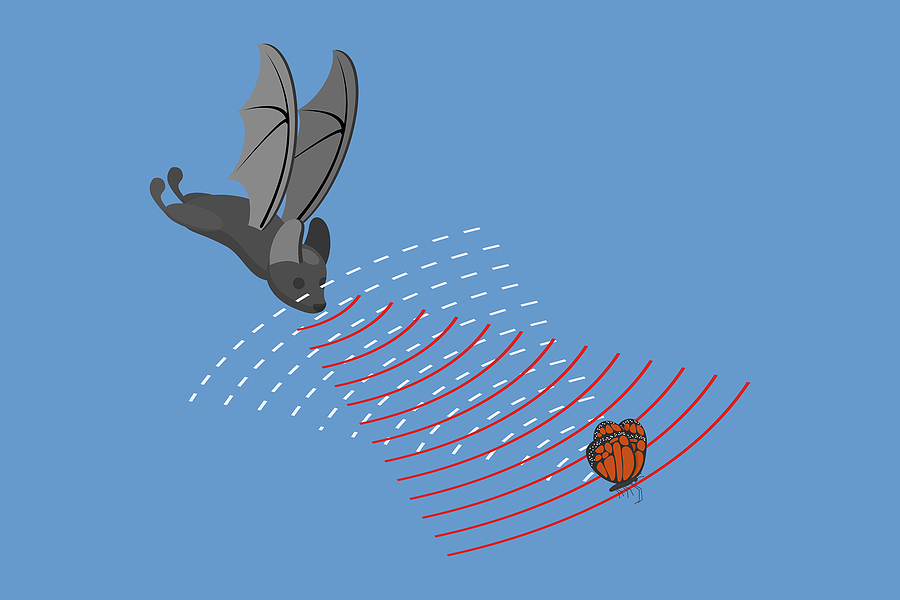
Echolocation, also known as biosonar, is the process of using sound waves and echoes to determine the location of objects in space. Bats emit high-frequency calls and interpret the returning echoes to create a detailed mental map of their surroundings.

The process begins when a bat produces ultrasonic calls—sound waves with frequencies above the range of human hearing (above 20 kHz). These calls are generated by specialized laryngeal muscles in the voice box, allowing for precise control over frequency and timing. The sound waves travel outward, bounce off objects in the environment, and return to the bat as echoes.

The bat’s highly sensitive ears capture these returning echoes, and the information is processed in the auditory cortex—a specialized region of the brain that’s remarkably developed in echolocating bats. By analyzing the time delay between the original call and the returning echo, bats can determine distance. The intensity of the echo reveals object size, while frequency changes provide information about texture and movement.

This system is so precise that bats can distinguish between objects separated by just a few millimeters and detect wires as thin as human hair. According to research by Thomas, Bell, and Fenton (2004), echolocation allows bats to operate with remarkable efficiency in environments where vision would be inadequate or impossible.

The Science of Bat Sounds

Acoustic Properties

The acoustic properties of bat calls are surprisingly diverse and sophisticated. Most bat species emit calls through their mouths (oral emitters), while others, like horseshoe bats, produce sounds through their nostrils (nasal emitters) using specialized nose structures.

Frequency

Frequency plays a crucial role in echolocation effectiveness. Higher frequencies provide more detailed information about small objects and textures, while lower frequencies travel farther and are better for detecting large objects at greater distances. Many bats adjust their call frequency based on their hunting strategy and environment.

Amplitude

Amplitude, which determines how loud the sound is perceived, varies depending on the bat’s needs. Bats hunting in open spaces often use higher amplitude calls to detect prey at greater distances, while those navigating cluttered environments may use quieter calls to avoid overwhelming echoes.

Doppler Shift

The Doppler shift—a change in frequency caused by movement—helps bats detect moving prey. When a bat approaches a flying insect, the returning echo has a slightly higher frequency than the original call, providing information about the prey’s speed and direction.

CF-FM Echolocation

Some species use CF-FM echolocation, combining Constant Frequency (CF) and Frequency Modulated (FM) sounds. This sophisticated technique allows for both long-distance detection and detailed analysis of nearby objects, making it particularly effective for species that employ gleaning—collecting stationary insects from surfaces.

Schedule a Free On-Site Assessment 🦇

Adaptations for Echolocation

Biological Features

Bats have evolved remarkable physical and neurological adaptations to maximize their echolocation abilities. Their ears are often large and uniquely shaped to capture and focus returning echoes. Many species have facial features that help direct sound waves, including nose leaves and other specialized structures.

Pulse Interval

The pulse interval—the time between successive echolocation calls—is constantly adjusted based on the bat’s distance from targets. When approaching an object or prey, bats increase their call rate dramatically, sometimes reaching over 200 calls per second during the final approach phase.

Auditory Cortex

Brain structure in echolocating bats differs significantly from non-echolocating mammals. The auditory cortex is proportionally larger and contains specialized neural pathways for processing complex acoustic information. These adaptations allow bats to process multiple echoes simultaneously and create detailed three-dimensional maps of their environment.

Wing Structure

Wing structure also supports echolocation hunting. Many bat species can make rapid, precise flight adjustments based on echolocation feedback, allowing them to pursue agile prey through complex environments like dense forests or around buildings.

Echolocation in Different Bat Species

Indiana is home to several bat species, each with unique echolocation characteristics adapted to their specific hunting strategies and environments.

Big Brown Bats are among the most adaptable echolocating animals, using a flexible system that works effectively in varied environments. Their calls typically range from 20-40 kHz, allowing them to hunt everything from small moths to larger beetles. These bats are commonly found in urban areas and are frequently the species homeowners encounter in attics and other structures.

Little Brown Bats use finely tuned echolocation calls to hunt small insects over water surfaces and in forested areas. Their calls are typically higher in frequency than Big Brown Bats, usually ranging from 40-80 kHz. This allows them to detect tiny prey items like midges and mosquitoes with remarkable precision.

Hoary Bats employ lower frequency echolocation, typically around 20-30 kHz, to detect prey over long distances in open spaces. As one of the larger bat species in Indiana, they hunt moths and other flying insects in areas with less acoustic clutter, where their powerful, long-range calls are most effective.

Free-tailed Bats use rapid, broadband clicks for precise spatial orientation. Their echolocation system is optimized for high-speed flight and hunting in open areas, allowing them to pursue fast-flying prey over considerable distances.

Each species’ echolocation system reflects millions of years of evolution, fine-tuned to their specific ecological niche and hunting requirements.

Echolocation vs. Other Senses

While echolocation is extraordinary, bats don’t rely solely on biosonar. Most bat species have functional vision, and many use a combination of senses for optimal navigation and hunting success.

Vision becomes particularly important during twilight hours when many bats begin their nightly activities. Some species use visual landmarks for long-distance navigation, switching to echolocation for detailed environmental analysis and prey capture.

Smell and passive hearing also play important roles. Many bats can detect prey through the sounds insects make while moving or calling. Some species even use olfactory cues to locate fruit or nectar sources.

The integration of multiple senses makes bats incredibly effective hunters and navigators. This sensory flexibility also helps explain why bats have been so successful in colonizing diverse habitats worldwide.

Threats to Bats and Their Echolocation Abilities

Habitat Loss

Unfortunately, several factors threaten bat populations and their remarkable echolocation abilities. Habitat loss reduces available roosting sites and hunting grounds, forcing bats into closer contact with human structures.

White-Nose Syndrome

White-nose syndrome, a fungal disease that has devastated bat populations across North America, affects the bats’ ability to maintain proper hibernation cycles. This disease has particularly impacted Little Brown Bats and other cave-dwelling species.

Light Pollution

Light pollution can interfere with bats’ natural hunting patterns, while noise pollution may affect their echolocation abilities. Wind turbines pose a significant threat, as bats may not detect the moving blades effectively with their echolocation.

Climate Changes

Climate change alters insect populations and migration patterns, potentially disrupting the food sources that bat echolocation systems have evolved to detect and capture.

Dealing With Nuisance Bats Safely

When bats take up residence in human structures, it’s important to address the situation while respecting these valuable animals and their conservation status. Many bat species in Indiana are protected, making professional bat control services essential for legal and effective solutions.

Understanding bat echolocation helps explain why certain structures attract them. Bats often choose attics, barns, and other buildings because these spaces provide the acoustic properties they need for roosting while remaining accessible through their navigation systems.

Exclusion methods work by allowing bats to leave naturally while preventing their return. Professional bat control specialists understand bat behavior and echolocation patterns, enabling them to implement solutions that are both effective and humane.

Timing is crucial for bat control efforts, as bats cannot be excluded during maternity seasons when flightless young would be trapped inside structures. Professional services understand these biological cycles and legal requirements.

Final Thoughts

Bat echolocation represents one of evolution’s most sophisticated sensory systems, allowing these remarkable creatures to thrive as nocturnal hunters and ecosystem guardians. Their ability to consume thousands of insects each night makes them invaluable allies in controlling pest populations naturally.

Whether you’re dealing with bats in your attic or simply appreciating their ecological importance, understanding echolocation helps us better coexist with these extraordinary animals.  By protecting bats and their habitats, we preserve not only these amazing echolocation abilities but also the crucial ecological services these remarkable animals provide to our communities and ecosystems.

If you’re experiencing bat-related issues in your Indiana home, contact Budget Animal Removal for professional bat control services. Our licensed and insured team combines effective solutions with respect for bat conservation.

Get a Free Bat Control Quote Now

Related Post: Why Bats Are the Unsung Heroes of Our Ecosystem

Your Guide to Effective Bat Control Strategies in Nashville

Discovering bats in your Nashville home can be both startling and concerning. While these nocturnal creatures play a vital role in our ecosystem by controlling insect populations, their presence in residential spaces poses health risks and structural concerns that require immediate attention. Understanding proper bat exclusion methods and knowing when to call professionals can save you time, money, and potential health complications.

Nashville’s warm climate and abundant insect population create ideal conditions for various bat species, making residential bat infestations more common than many homeowners realize. The key to successful bat control lies in identifying the problem early, understanding the legal requirements, and implementing humane removal strategies that protect both your family and these protected animals.

Call 615-337-9165 to Reach Our Licensed Nashville Bat Control Service

Recognizing the Signs: Is Your Home Harboring Bats?

Identifying bat presence early can prevent a minor issue from becoming a major infestation. Bats in the attic often leave telltale signs that alert homeowners to their unwelcome guests.

Audio and Visual Clues

The most obvious indicator is hearing scratching, chittering, or fluttering sounds, particularly during dawn and dusk when bats are most active. You might notice dark shapes flying around your roofline or see bats entering and exiting small openings in your home’s exterior.

Physical Evidence

Bat droppings, known as guano, accumulate near entry points and roosting areas. Unlike rodent droppings, bat guano crumbles easily and contains visible insect fragments. You may also notice brown or black staining around entry points caused by oils from bat fur, along with a distinctive ammonia-like odor from urine accumulation.

Health and Safety Risks

A bat infestation presents serious health concerns beyond the nuisance factor. Bats can carry rabies, and their droppings may harbor histoplasma, a fungus that causes respiratory illness. Additionally, bat urine and guano can damage insulation, create unpleasant odors, and attract other pests to your home.

Why Professional Bat Removal Makes the Difference

While the DIY approach might seem tempting, safe bat removal requires specialized knowledge and equipment that most homeowners lack. Professional bat removal services understand bat behavior patterns, legal requirements, and proper safety protocols.

Safety First

Handling bats without proper protection puts you at risk of bites and disease transmission. Professional bat control companies use appropriate safety gear and follow established protocols to minimize health risks during the removal process.

Legal Compliance

Many bat species are protected by federal and state laws, making certain removal methods illegal. Professionals understand these regulations and ensure all removal activities comply with local wildlife protection statutes.

Long-term Effectiveness

Experienced bat removal specialists identify all entry points, understand seasonal bat behavior, and implement comprehensive exclusion strategies that prevent future infestations. This thorough approach proves more cost-effective than repeated DIY attempts.

Humane Bat Exclusion: The Gold Standard

Modern bat control focuses on exclusion rather than extermination, allowing bats to leave naturally while preventing their return. This approach respects wildlife protection laws while effectively solving your bat problem.

One-Way Exclusion Devices

The most effective humane method involves installing one-way exclusion devices at entry points. These allow bats to exit during their nightly feeding but prevent re-entry. Professional bat control companies typically leave these devices in place for several days to ensure all bats have departed.

Timing Considerations

Successful bat exclusion requires careful timing. The process should avoid maternity seasons when flightless young bats may be present. In Nashville, this typically means avoiding exclusion work from May through August when female bats are raising their pups.

Multi-Point Strategy

Effective exclusion addresses all potential entry points simultaneously. Sealing some openings while leaving others accessible simply redirects bats to alternative entrances, making the problem more difficult to resolve.

Sealing Entry Points: Fortifying Your Home

Once bats have been excluded, preventing their return requires identifying and sealing all potential entry points. Bats can squeeze through openings as small as half an inch, making thorough inspection crucial.

Common Entry Points

Bats typically enter homes through gaps in rooflines, damaged vents, loose siding, and openings around chimneys. They also exploit spaces where different building materials meet, such as where brick meets wood siding.

Appropriate Materials

Professional-grade exclusion uses materials that withstand weather and animal pressure. Steel wool, hardware cloth, and specialized sealants provide long-lasting barriers when properly installed. Avoid materials like spray foam alone, which bats can easily tear through.

Professional Assessment

A comprehensive inspection by a bat control company identifies entry points that untrained eyes might miss. Professionals also recognize signs of structural damage that may require repair before effective sealing can occur.

Legal Considerations: Navigating Nashville Regulations

Tennessee wildlife laws protect most bat species, making illegal removal methods a costly mistake. Understanding these regulations helps homeowners make informed decisions about bat control strategies.

  • Protected Species – Several bat species common to Nashville area are protected under state and federal laws. These protections make lethal removal methods illegal and require specific approaches to exclusion timing and methods.
  • Permit Requirements – Certain bat removal activities may require permits or must be performed by licensed professionals. Working with a reputable bat control company ensures compliance with all applicable regulations.
  • Seasonal Restrictions – Legal restrictions often coincide with biological necessities, particularly regarding maternity colonies. Professional services understand these timing requirements and plan exclusion work accordingly.

Selecting the Right Bat Removal Service

Choosing a qualified bat control company requires evaluating experience, methods, and credentials. The right professional makes the difference between effective, lasting results and repeated problems.

  • Essential Qualifications – Look for companies with specific bat removal experience, proper licensing, and insurance coverage. Ask about their exclusion methods, warranty policies, and follow-up services.
  • Red Flags to Avoid – Be wary of services that promise immediate results, suggest killing bats, or offer unusually low prices. Reputable companies provide detailed assessments, explain their methods, and offer realistic timelines.
  • Questions to Ask – Inquire about their exclusion process, cleanup services, and prevention guarantees. A professional bat control company should willingly explain their methods and provide references from previous customers.

Post-Removal: Cleanup and Prevention

Successful bat control extends beyond removal to include proper cleanup and ongoing prevention measures. These final steps ensure your home remains safe and bat-free.

  1. Guano Cleanup – Professional cleanup removes health hazards associated with bat droppings and urine. This process requires specialized equipment and safety procedures to prevent disease transmission during removal.
  2. Damage Repair – Bat infestations often damage insulation, create odor problems, and stain building materials. Addressing these issues prevents secondary problems and restores your home’s comfort and value.
  3. Ongoing Monitoring – Regular inspections help identify potential problems before they become major infestations. Many professional services include follow-up visits to ensure exclusion measures remain effective.

In Summary

Effective bat control combines professional removal with ongoing vigilance and maintenance. Taking proactive steps protects your investment and keeps your family safe from future bat problems.

Regular exterior inspections, prompt repair of potential entry points, and maintaining professional relationships with qualified bat control companies provide the best long-term protection. Remember that successful bat exclusion requires expertise, proper timing, and comprehensive approach that addresses both immediate problems and future prevention.

If you suspect bats have taken up residence in your Nashville home, don’t wait for the problem to worsen. Contact Budget Animal Removal at 615-337-9165 today for a thorough assessment and safe, humane exclusion that protects both your family and these important native species.

Book a Bat Control Inspection Now

Related Post: The Upside Down: Managing Bats in Your Attic

7 Steps to Prevent Wildlife Infestations on Your Property
Wildlife encounters can be charming when they happen from a distance, but when animals decide to make your home their home, the situation quickly becomes problematic. A raccoon family in your attic or squirrels chewing through your electrical wiring can cause thousands of dollars in damage and create serious safety hazards for your family.

Prevention is significantly more cost-effective than dealing with an active wildlife infestation. While professional wildlife removal services can cost hundreds or even thousands of dollars, implementing preventive measures typically costs a fraction of that amount. More importantly, preventing wildlife infestations protects your property from structural damage, reduces health risks, and saves you from the stress and disruption of dealing with unwanted animal guests.

This comprehensive guide will walk you through the essential steps to protect your Indianapolis home from common wildlife pests, including raccoons, squirrels, bats, and other animals that frequently cause problems for homeowners in our area.

Call 317-875-3099 for Licensed Wildlife Infestation Removal & Cleanup in Indianapolis

7 Steps Towards an Infestation-Free Property

Identify Common Wildlife Pests in Indianapolis

Understanding which animals pose the greatest threat to your property is the first step in effective prevention. Indianapolis homeowners commonly encounter several wildlife species that can cause significant problems when they take up residence on your property.

Squirrels

Squirrels are among the most common wildlife pests in Indianapolis. These agile creatures excel at finding ways into attics, where they build nests and raise their young. Squirrels in attics cause extensive damage to insulation and wiring, creating fire hazards and requiring costly repairs. Their constant gnawing can damage wooden structures, and their droppings create unsanitary conditions.

Raccoons

Raccoons are intelligent and adaptable animals that frequently cause problems for homeowners. These masked bandits are notorious for tipping over garbage cans and spreading waste across yards, but their damage extends far beyond messy lawns. Raccoons often establish dens in attics, chimneys, and crawl spaces, where they can cause structural damage and create health hazards through their waste.

Bats

Bats roosting in chimneys and attics create unique challenges for homeowners. While bats provide valuable ecological contributions, like natural pest control, their presence in homes creates health risks due to guano accumulation and potential rabies exposure. Bat colonies can grow quickly, making early prevention crucial.

Other Common Pests

Indianapolis residents also frequently deal with opossums creating dens under decks and porches, birds building nests in gutters that lead to water damage, snakes entering homes through foundation cracks, and rabbits nesting in lawns and bushes. Each species requires specific prevention strategies to effectively keep them away from your property.

Seal Entry Points Throughout Your Property

Sealing entry points is the most crucial step in long-term wildlife prevention. Animals are remarkably skilled at finding small openings and expanding them to gain access to your home. A comprehensive inspection and sealing process can prevent most wildlife infestations before they begin.

Foundation and Basement Inspection

Start your inspection at ground level by examining your home’s foundation thoroughly. Look for cracks, gaps, or holes that could allow animals to enter. Even small openings can be problematic—mice can squeeze through gaps as small as a dime, while rats can fit through quarter-sized holes. Use steel wool and caulk to seal smaller gaps, and consider professional repair for larger foundation issues.

Pay special attention to areas where utilities enter your home, such as cable lines, water pipes, and electrical conduits. These entry points are often overlooked but frequently used by wildlife to gain access to your property.

Roof and Attic Vulnerabilities

Examine your roof carefully for damaged or missing shingles, gaps around vents, and openings near the roofline. Squirrels and raccoons are excellent climbers that can exploit even small roof vulnerabilities. Install mesh screens over vents and chimneys, and repair any damaged roofing materials promptly.

Check soffit and fascia boards for gaps or damage. These areas are common entry points for bats and squirrels seeking access to attics. Use appropriate materials like hardware cloth or metal flashing to seal these openings permanently.

Windows and Doors

Inspect all windows and doors for gaps that could allow wildlife entry. Replace worn weatherstripping and ensure screens are intact and properly secured. Consider installing door sweeps on exterior doors to eliminate gaps at the bottom.

Manage Vegetation Around Your Home

Proper vegetation management creates a natural barrier that deters animals from approaching your home. Overgrown landscaping provides cover for wildlife and creates pathways that lead directly to your house.

Tree and Shrub Maintenance

Trim trees and shrubs away from your home, maintaining at least a six-foot clearance between vegetation and your house. This distance prevents animals from using branches as bridges to reach your roof or upper floors. Remove dead branches and thin overgrown areas to eliminate potential nesting sites.

Focus particular attention on trees that overhang your roof. Squirrels can easily jump from tree branches to rooftops, making roof access a simple matter once they’re in the canopy above your home.

Ground-Level Landscaping

Keep grass and ground cover well-maintained and avoid creating dense vegetation areas near your home’s foundation. Remove brush piles, fallen logs, and other debris that could provide shelter for wildlife. Consider using gravel or mulch barriers around your home’s perimeter to create an open zone that discourages animal activity.

Contact Us Today for Animal Removal Service 📞

Secure Food Sources Effectively

Eliminating food sources is essential for preventing wildlife infestations. Animals are drawn to properties that provide easy access to food, and removing these attractions significantly reduces the likelihood of wildlife problems.

Garbage Management

Store garbage in sealed containers with tight-fitting lids. Metal or heavy-duty plastic containers work best, as they’re more difficult for animals to damage or tip over. Avoid leaving garbage bags outside overnight, and consider using bungee cords or weights to secure container lids.

Place garbage containers in a secure location, such as a garage or shed, until collection day. If outdoor storage is necessary, position containers on a hard surface away from fences or structures that animals might use for leverage.

Pet Food Storage

Never leave pet food outside overnight, as it attracts a wide variety of wildlife. Store pet food in sealed containers inside your home or garage. If you must feed pets outdoors, remove food bowls immediately after feeding and clean up any spilled food.

Consider feeding pets indoors whenever possible. This practice eliminates the food source entirely and reduces the risk of wildlife encounters during feeding times.

Bird Feeders and Gardens

While bird feeders can provide enjoyment, they also attract unwanted wildlife. If you choose to maintain bird feeders, position them away from your home and clean up spilled seed regularly. Consider using wildlife-resistant feeder designs that make it difficult for larger animals to access the food.

Harvest garden produce promptly and remove fallen fruit from trees. Compost piles should be properly maintained and enclosed to prevent wildlife access.

Implement Seasonal Prevention Strategies

Indianapolis experiences distinct seasons that create different wildlife challenges throughout the year. Adapting your prevention strategies to seasonal patterns improves their effectiveness and helps you stay ahead of potential problems.

Spring Prevention Focus

Spring marks the beginning of breeding season for many wildlife species. Focus on sealing entry points before animals begin seeking nesting locations. Inspect your property thoroughly after winter weather, as freeze-thaw cycles can create new gaps and openings.

This season is ideal for major prevention projects, such as installing chimney caps, repairing roof damage, and upgrading exclusion materials. Spring cleaning should include removing debris that accumulated over winter and trimming vegetation that grew too close to your home.

Summer Management

Summer heat drives many animals to seek cool, shaded areas for shelter. Ensure your vegetation management is current, as overgrown landscaping provides attractive shelter from heat. Maintain proper ventilation in attics and crawl spaces to reduce their appeal as cooling retreats.

Monitor your property regularly during summer months, as this is when many wildlife species are most active. Look for signs of animal activity, such as droppings, gnaw marks, or disturbed vegetation.

Fall Preparation

Fall is critical for wildlife prevention, as animals prepare for winter by seeking secure shelter and food sources. Conduct a comprehensive property inspection and address any vulnerabilities before winter weather arrives.

This season is particularly important for food source management. Remove fallen fruit, secure garbage more carefully, and clean up any outdoor food sources that might attract animals seeking to build fat reserves for winter.

Winter Monitoring

Winter weather forces many animals to seek warm shelter, making your home particularly attractive. Inspect for existing infestations and monitor for signs of animal activity. Look for tracks in snow, listen for sounds in walls or attics, and watch for animal sightings during daylight hours, which might indicate overcrowded natural shelters.

Know When Professional Wildlife Control Is Necessary

While prevention measures are highly effective, there are situations where professional wildlife control services become necessary. Understanding when to call experts can save you time, money, and potential safety risks.

Signs You Need Professional Help

Contact a professional wildlife control service if you notice persistent animal sounds in walls or attics, discover animal droppings in your home, observe animals entering or exiting your property, or find damage that suggests ongoing wildlife activity. Strong odors, particularly those that might indicate animal death or large accumulations of waste, also warrant professional attention.

Legal Considerations

Indianapolis follows Indiana state laws regarding wildlife protection and removal. It is illegal to trap and relocate certain species without proper permits, and some animals are protected during specific seasons. Professional wildlife control services understand these regulations and ensure all removal activities comply with local and state laws.

Benefits of Professional Services

Professional wildlife removal services offer humane and effective solutions that address both immediate problems and long-term prevention. These experts have specialized equipment, knowledge of animal behavior, and experience with various species that enable them to handle complex situations safely and effectively.

Professional services also provide infestation cleanup, which is crucial for health and safety. Animal waste can carry diseases and create ongoing health risks if not properly removed and sanitized.

Maintain Long-Term Success Through Regular Inspections

Prevention is an ongoing process that requires regular attention and maintenance. Establishing a routine inspection schedule helps you identify potential issues before they become major problems.

Monthly Inspections

Conduct brief monthly inspections of your property, focusing on areas where you’ve implemented prevention measures. Check that exclusion materials remain in good condition, vegetation hasn’t grown too close to your home, and food sources remain properly secured.

Seasonal Deep Inspections

Perform comprehensive inspections at the beginning of each season, paying particular attention to areas where weather changes might have created new vulnerabilities. Document any changes or concerns, and address issues promptly.

Professional Assessments

Consider scheduling annual professional assessments, especially if you’ve had wildlife problems in the past. Professional wildlife control experts can identify potential issues that might not be apparent to homeowners and recommend updated prevention strategies.

Conclusion

Wildlife infestations can cause extensive property damage, create health hazards, and disrupt your family’s peace of mind. The seven steps outlined in this guide provide a comprehensive approach to protecting your Indianapolis home from common wildlife pests.

However, wildlife behavior can be unpredictable, and there is no one-size-fits-all solution to preventing infestations. Therefore, it is essential to stay vigilant year-round and take proactive measures to safeguard your property.

If you’re experiencing issues with wildlife or want to ensure your home remains protected, trust the experts to help. Contact Budget Animal Removal for professional wildlife removal and control services in Central Indiana, today. With our experienced team, humane practices, and commitment to safety, we’ll provide effective solutions tailored to your needs.

Book a Free Assessment Now

Related Post: The Crucial Role of Home Inspections for Wildlife Infestation Removal and Prevention

Exploring Marsupials in the Midwest: The Key Role of the Virginia Opossum

Marsupials often bring to mind the unique wildlife of Australia, such as kangaroos and koalas. However, did you know that North America is home to its very own marsupial? Meet the Virginia opossum (Didelphis virginiana), the only marsupial native to the United States, including the Midwest. This fascinating species plays an essential role in local ecosystems, yet it remains surrounded by myths and misconceptions.

This blog will introduce you to the world of marsupials, with a focus on the Virginia opossum. We’ll explore its unique traits, ecological importance, and common misunderstandings while providing insight into how to coexist with these remarkable creatures.

Call 317-875-3099 for Professional Opossum Control Services in Indianapolis

What Are Marsupials? 

Marsupials are a category of mammals best known for their unique method of nurturing their young. Instead of a prolonged internal gestation period, marsupial mothers carry their developing offspring in a protective pouch. This defining characteristic distinguishes marsupials from placental mammals. 

Marsupials are an evolutionary marvel, boasting features such as adaptive survival traits and distinct ecological roles. Globally, the majority of marsupial species can be found in Australia and South America. However, one species has established its presence in North America, thriving as far north as the Midwest.

Marsupials in North America 

When discussing marsupials in this part of the world, we are really talking about one species in particular: the Virginia opossum. Whereas Australia is home to a wide array of marsupials (think kangaroos, wombats, and bandicoots), North America is far less diverse in this category. The Virginia opossum stands alone as a testament to the adaptability and resilience of marsupials in varying climates. 

Meet the Virginia Opossum 

The Virginia opossum is an often misunderstood animal, but its presence is critical for maintaining ecological balance. Let’s take a closer look at what makes this species special. 

▶ Physical Characteristics 

The Virginia opossum is about the size of a domestic cat, with white-gray fur, a pointed snout, and a long, hairless, prehensile tail. Unique among North American land mammals, it has 50 teeth, more than any other species. Its feet are equipped with opposable thumbs, enabling it to grip branches while foraging. 

▶ Habitat and Diet 

Opossums are remarkably adaptable creatures, capable of thriving in forests, urban areas, and even suburban backyards. Their omnivorous diet is equally diverse, ranging from insects and small animals to fruits, seeds, and even carrion. Their appetite includes ticks, which helps reduce the spread of Lyme disease, making them a natural ally to humans. 

▶ Behavior and Adaptations 

Primarily nocturnal, opossums rely on excellent night vision and a keen sense of smell. One of their most intriguing behaviors is “playing dead,” also called thanatosis. When faced with predators, they fall into an unconscious state, emitting a foul smell to mimic a rotting corpse and discourage further attacks. 

Their prehensile tail aids in carrying nesting materials and climbing trees, though contrary to popular belief, opossums do not hang upside-down by their tails. Additionally, their immune systems are exceptionally robust, giving them resistance to venom from snakes and toxins in their diet. 

▶ Conservation Status 

Virginia opossums are not currently endangered, but habitat loss and vehicle collisions threaten their population. Conservation efforts that focus on preserving natural habitats and educating the public about their ecological importance are vital for ensuring their long-term survival. 

Contact Us for Expert Opossum Removal

Debunking Myths About Opossums 

Despite their ecological benefits, opossums are often misunderstood. Here are some common myths, debunked with facts:

Myth: Opossums are aggressive and dangerous. 
Fact: Opossums are generally docile and avoid confrontations. They may hiss or show their teeth when threatened, but this is purely a defensive behavior. 

Myth: Opossums carry rabies. 
Fact: Due to their low body temperature, opossums are unlikely to contract rabies, making them one of the least risky animals in terms of rabies transmission. 

Myth: Opossums are pests that damage property. 
Fact: Opossums prefer to scavenge and rarely cause property damage. They are more interested in controlling other pests like cockroaches and snakes. 

Myth: Opossums are dirty. 
Fact: Opossums are relatively clean animals that groom themselves frequently. They are also effective in reducing the tick population, indirectly benefiting human health. 

Myth: Opossums are blind. 
Fact: Opossums have poor daylight vision, but their nighttime vision is highly effective. 

Opossum Control Tips

If you’re a homeowner or gardener in the Midwest, you may occasionally encounter an opossum in your yard. Rather than seeing them as a nuisance, consider their ecological role as a pest controller and seed disperser. For those concerned about opossums being too close to home, humane wildlife deterrents like securing trash bins and removing food sources can reduce unwanted visits.

If opossums become a persistent concern, consider contacting a wildlife removal expert to ensure humane handling. Opossums are protected by wildlife conservation laws in many areas, so it’s essential to treat them with care.

Frequently Asked Questions About Opossums

Here are some common questions people have about opossums: 

Are opossums dangerous? 

Opossums are generally not dangerous animals. They do not attack humans unless provoked or cornered. If you encounter an opossum, it is best to give them space and let them move on. In rare cases, they may carry diseases such as leptospirosis, so it is important to avoid contact with their feces or saliva.

Do opossums play dead? 

Yes, the behavior of “playing dead” or feigning death is a defense mechanism used by opossums. When threatened, they may go into a state of shock and become immobile, with their eyes closed and tongue hanging out. This can last from a few minutes to several hours. It is an involuntary response and does not indicate that the opossum is actually dead.

How can I keep opossums away from my property?   

Opossums are attracted to areas with a readily available source of food, water, and shelter. To keep them away from your property, it is important to eliminate these attractants. This can include securing trash cans with tight-fitting lids, keeping pet food indoors or in tightly sealed containers, and sealing off any potential entry points into your house or shed. You can also make your yard less appealing by removing overgrown vegetation and debris that can provide hiding spots for opossums.

Preserving the Midwest’s Hidden Gem 

The Virginia opossum is much more than a curious creature wandering through your backyard. It plays a vital role in numerous ecosystems while demonstrating resilience and adaptability that we can all admire. By debunking myths and fostering coexistence, we can ensure this species continues to thrive in the Midwest. 

Need help addressing an opossum issue on your property? Contact Budget Animal Removal for licensed and insured wildlife removal and control service for opossums in Indianapolis. We serve residential and commercial clients.

Schedule a Free On-Site Quote

Related Post: A Comprehensive Guide to Opossum Removal

The Do’s and Don’ts of Feeding Local Wildlife

Watching birds flit around a feeder or squirrels darting through your yard adds a touch of nature to your everyday life, but what does feeding wildlife actually mean for the animals and the ecosystem? For homeowners and nature enthusiasts, supporting local wildlife can feel like a rewarding way to connect with nature. However, without careful consideration, feeding wildlife can cause more harm than good.

This guide dives into the benefits, risks, and best practices of feeding local wildlife responsibly. By the end of this article, you’ll know how to support local animals in a sustainable and ethical way while keeping your property and community safe.

Call 615-337-9165 For Nashville Wildlife Control

Benefits of Feeding Wildlife

Feeding wildlife, when done thoughtfully, can have positive impacts for local ecosystems and your personal connection to nature:

Supporting Survival During Scarce Months – During harsh winters or droughts, when natural food sources are limited, providing supplemental food can help wildlife survive.

► Promoting Biodiversity – Attracting a variety of species to your yard enriches local biodiversity. This can be particularly rewarding for bird enthusiasts with species-specific feeders.

► Educational Opportunities – Watching and identifying the behaviors of animals can be both entertaining and educational, especially for children.

► A Sense of Community and Connection – Providing safe spaces for wildlife can foster feelings of stewardship and bring like-minded neighbors together.

While these benefits are wholesome, they need to be balanced with potential risks to maintain harmony between humans and wildlife.

Potential Risks of Feeding Wildlife

Feeding wildlife can inadvertently lead to several negative consequences, both for the animals and your community:

Dependency on Humans – Animals accustomed to regular human-provided food may lose their natural foraging skills, upsetting their survival instincts.

Disease Transmission – Feeding sites can become hotspots for disease transmission among animals. Research shows a 40% higher risk of wildlife diseases in areas with frequent artificial feeding.

Overpopulation – Artificial feeding can lead to overpopulation in certain areas, causing competition for resources and rapid habitat degradation.

Nuisance Animals and Property Damage – Approximately 70% of homeowners who feed wildlife report issues with nuisance animals like raccoons or squirrels, which may raid trash bins or even damage property.

Ecosystem Imbalance – Feeding some species may inadvertently lower the population of others. For example, if you overfeed squirrels, they could outcompete local songbirds for food and space.

Altered Migration Patterns – Feeding has been linked to changes in migration patterns for some urban wildlife, impacting ecosystems on a larger scale.

Understanding these risks highlights the importance of responsible wildlife feeding practices.

Get Professional Wildlife Control in Nashville

Best Practices for Feeding Wildlife Responsibly

If you’re committed to supporting local wildlife, follow these best practices to minimize harm and maximize benefits:

1. Research Local Wildlife Needs 

Identify the native species in your area and understand their natural diets. For instance, in Nashville, many local birds thrive on black oil sunflower seeds, while ducks should be fed grains over bread.

2. Provide Safe and Nutritious Food 

Instead of scraps, offer species-appropriate foods. 

  • For birds: Use seed mixes tailored to their dietary needs. 
  • For squirrels: Opt for unsalted nuts. 
  • Feeding raccoons or deer with human food is discouraged, as it disrupts their diet. 

3. Maintain Cleanliness 

Regularly clean feeders and feeding areas to prevent the spread of mold or bacteria. Disinfect bird feeders every two weeks and clear leftover food from the ground.

4. Feed in Moderation 

Avoid overfeeding. Providing small, occasional treats ensures animals maintain their natural eating habits and don’t become dependent on humans.

5. Respect Boundaries 

Observe animals from a safe distance. Interfering with their natural behaviors can create “tame” animals that approach humans, increasing risks for both parties.

6. Plant Native Species 

Instead of relying solely on feeders, cultivate plants that offer natural food sources, such as berry bushes or nectar-rich flowers. This reduces dependency on artificial feeding.

7. Follow Local Regulations 

Check laws in your area. For example, in Tennessee, feeding deer or raccoons is prohibited due to the risks of disease spread and habitat disruption.

8. Monitor and Adjust Practices 

Regularly assess how your feeding practices impact local wildlife populations, making changes as needed to ensure a balanced ecosystem.

Local Regulations and Examples

Every region has unique wildlife guidelines. Here are some specific examples to be mindful of:

Bird Feeding in Nashville – Using seed mixes suited for native Tennessee bird species, like goldfinches or chickadees, helps support local biodiversity. Black oil sunflower seeds are a local favorite!

Tennessee Laws on Deer Feeding – The Tennessee Wildlife Resources Agency (TWRA) prohibits feeding deer in certain areas to combat harmful behaviors and disease spread.

Native Plant Recommendations – Grow native Tennessee plants like serviceberry or elderberry shrubs, providing natural food sources for birds and other wildlife. This reduces overreliance on feeders while enriching your landscape.

These regulations illustrate how to balance wildlife care with community safety.

If Wildlife Becomes a Nuisance

Sometimes, wildlife can become a nuisance by causing property damage or becoming aggressive towards humans. In these cases, it is important to remember that the animals are simply following their natural instincts and are not intentionally trying to cause harm.

If you encounter a nuisance wildlife situation, it is best to contact a local wildlife control service for assistance. They can provide guidance on how to handle the situation safely and responsibly.

In addition, there are steps you can take to prevent potential conflicts with wildlife. These include securing trash cans and compost bins, removing bird feeders during certain seasons, and minimizing attractants such as fallen fruit or open pet food containers.

Responsible Wildlife Feeding Starts with You

Feeding local wildlife can be a rewarding experience, but it comes with responsibilities. By understanding animal needs, maintaining hygiene, and following best practices, you can contribute to a balanced ecosystem while enjoying the beauty of nature in your backyard.

If you’re dealing with nuisance animals or want advice on how to safely attract and feed wildlife, our experts at Budget Animal Removal can help. Request a free wildlife control estimate today and ensure a safe, sustainable approach for both your home and the local ecosystem.

Request Your Free Estimate

Related Post: The Benefits of Feeding Wild Chipmunks in the Wintertime

Signs You Might Have Squirrels in Your Attic

A scratching sound in the ceiling. A mysterious rustling above your bedroom at night. While these might seem like scenes from a horror movie, they often point to a much smaller, furrier cause: squirrels.

Squirrels are remarkably adept at turning your attic into their cozy nesting ground. But their uninvited stay can come with significant risks for your home and health. This guide will help you recognize the signs of squirrel activity, understand the dangers, learn prevention tips, and decide when it’s time to call a professional. By the end, you’ll know exactly how to handle these clever critters and reclaim your attic space.

Call 317-875-3099 for Professional Squirrel Removal Services in Indianapolis

Common Signs of Squirrels in the Attic

Before taking action, it helps to confirm whether squirrels are indeed your attic dwellers. Look out for these tell-tale signs:

  • Scratching and Rustling Noises: Squirrels are active during the day, so you’re most likely to hear them early in the morning or late in the afternoon.
  • Droppings and Odors: Squirrel droppings and urine can create unpleasant smells and pose health risks.
  • Chewed Wires or Wood: Squirrels have sharp teeth and a habit of gnawing on wires, wood, and insulation.
  • Shredded Nesting Materials: Look for nests made from shredded paper, fabric, or insulation.
  • Entry Points in the Structure: Squirrels can enlarge small holes or cracks to create their entryways.

If these signs sound familiar, it’s time to investigate further.

What These Signs Mean (And Why You Should Act Quickly)

1. Scratching and Rustling Noises

Squirrels are climbers and agile movers, often scurrying across your attic floor or within the walls. The noises may indicate they’re creating a nest, storing food, or simply exploring their new territory.

2. Chewed Wires and Fire Hazards

One of the most concerning issues with squirrels is their tendency to gnaw on electrical wiring. This behavior can lead to short circuits, power outages, and in the worst cases, dangerous fire hazards.

3. Damaged Insulation and Higher Energy Bills

Squirrels love burrowing into attic insulation. Over time, this damages the insulation’s effectiveness, leading to higher energy costs as you struggle to maintain a consistent indoor temperature.

4. Droppings and Health Risks

Squirrel droppings and urine can harbor diseases like leptospirosis and salmonella, posing serious health risks to your family. Additionally, the smell can quickly become overwhelming if left untreated.

5. Nesting Materials and Structural Damage

Squirrels often shred important materials, such as documents or fabrics, to create their nests. Their gnawing and nesting activities can also weaken wooden beams or roofing structures, leading to costly repairs.

Ignoring these signs can worsen the impact over time, so it’s crucial to act as soon as possible.

Learn More About Squirrel Removal & Control

The Risks of Squirrel Infestations

Beyond the immediate damages, having squirrels in your attic can lead to the following hazards:

  • Compromised Safety: Damaged wiring increases the risk of electrical fires.
  • Health Concerns: Droppings can contaminate surfaces or the air in your home.
  • Structural Damage: Persistent gnawing weakens the integrity of beams and roofing.
  • Future Pest Problems: Squirrels can attract additional pests, like fleas or ticks.

How to Prevent Squirrels from Getting Into Your Attic

Prevention is your first line of defense when it comes to squirrel infestations. Here are some practical tips to keep them out:

  • Seal Entry Points: Inspect your home for cracks, holes, or vents, and seal these openings with caulk or metal flashing.
  • Install Chimney Caps and Screens: Prevent access through your chimney with a properly fitted cap.
  • Trim Tree Branches: Squirrels often use overhanging branches as a highway to your roof.
  • Use Squirrel-Resistant Bird Feeders: Keep squirrels away by choosing feeders designed to keep them out and avoid scattering birdseed near the house.
  • Apply Squirrel Repellent: Use repellent products around vulnerable areas, such as attic vents and eaves.
  • Regularly Clean Gutters: Clogged gutters can provide nesting material or shelter for squirrels.
  • Store Food Securely: Keep garbage, compost, and pet food in sealed containers to eliminate attractants.
  • Install Motion-Activated Deterrents: Lights or sprinklers can scare off squirrels before they gain entry.
  • Use Ultrasonic Devices: High-frequency sound emitters can serve as additional deterrents.

Staying proactive with these prevention strategies can save you from the larger headache of an infestation.

When to Call a Professional for Squirrel Removal

Sometimes, DIY methods just aren’t enough. If the problem persists or feels overwhelming, professional wildlife control services can help. Here’s when to consider reaching out:

  • Large Infestations: When multiple squirrels take residence, professional removal ensures they’re handled effectively.
  • Health and Safety Concerns: Professionals are equipped to clean and disinfect the attic to eliminate health risks.
  • Severe Structural Damage: Experts can assess and address structural issues caused by squirrels.
  • Humane Removal Needs: Many professionals follow local regulations to safely and ethically handle wildlife removal.

Securing Your Home for the Long Term

Protecting your attic from squirrels (and other wildlife) doesn’t end with removal. Follow up with regular home inspections and maintenance to keep your home secure. Additionally, maintaining clean outdoor spaces and trimming trees near your roofline can further discourage unwanted visitors.

Are you convinced that you have a squirrel problem on your hands? At Budget Animal Removal, our experienced team specializes in safe and humane squirrel removal, ensuring your attic is squirrel-free while minimizing harm to the animals.

Book a Free Inspection Now

Related Post: Squirrels in Your Attic: A Guide to Safe and Humane Animal Removal

Say Goodbye to Nuisance Wildlife in Your Trash Bins

Are raccoons and skunks turning your trash bins into an all-you-can-eat buffet? You’re not alone! Wildlife raiding garbage bins isn’t just an unsightly issue; it poses health risks and potential property damage. Whether you’re a homeowner, property manager, or small business owner, dealing with nuisance animals can be frustrating—but there are effective solutions. 

This guide will provide you with actionable strategies, DIY deterrents, and expert tips to secure your trash, maintain the peace, and coexist responsibly with wildlife. From understanding local species to exploring professional help, we’ve got you covered. 

Call 317-875-3099 for Licensed and Insured Nashville Wildlife Control

Understanding Common Local Wildlife Culprits

Before you can tackle the problem, it’s essential to understand the behavior of the two culprits most likely causing trouble at your trash bins. 

Raccoons 

Raccoons are clever and resourceful creatures. Their nimble dexterity allows them to pry open trash can lids with ease. Drawn to food waste, raccoons have an uncanny ability to exploit weak points in trash bin areas. They’re primarily nocturnal and will raid areas that smell particularly rich in food leftovers.

Skunks 

Unlike raccoons, skunks are less dexterous but equally persistent in searching for a late-night snack. Known for their infamous defense mechanism, these animals can leave behind a stinky mess in addition to the trash they scatter. Like raccoons, they are opportunistic feeders with a keen sense of smell. 

Opossums 

Opossums are another creature that likes to rummage through trash bins. They have sharp claws and teeth, making it easy for them to tear open bags or containers with ease. Despite their somewhat intimidating appearance, opossums are relatively harmless, although they may not seem like the most ideal roommates for humans. However, they do play a vital role in the ecosystem by eating insects and other pests. 

Coyotes 

Coyotes are another common animal that can be found rummaging through trash bins. They are known for their adaptability and can thrive in both urban and rural environments. Coyotes are opportunistic hunters and scavengers, making them well-equipped to find food in human-populated areas. However, it is important to remember that coyotes are wild animals and should not be approached or fed by humans. If you encounter a coyote while taking out the trash, simply make loud noises and slowly back away to discourage them from coming closer. 

Why Do Animals Target Trash? 

Understanding why wildlife is attracted to your garbage can help you address the root causes. Here are the primary reasons animals target trash bins and dumpsters:

  • Strong Odors: Foul-smelling trash, especially food scraps, can attract wildlife from far away.
  • Easy Access: Unsecured or poorly designed trash cans are essentially open invitations to critters.
  • Shelter Opportunities: Dumpsters and trash areas sometimes provide small, cozy hiding spots for animals seeking safety.

Get Fast Animal Removal in Nashville

Securing Your Trash 

Prevention is the first step in nuisance wildlife control. The following measures can help animal-proof your trash bins:

Invest in an Animal Proof Trash Can

Products like the CritterGuard Trash Can or Toter Trash Can feature locking lids and durable materials that keep animals out. Ensure the can is weighted down or secured so it cannot be tipped over. 

Keep Your Trash Enclosed

Whenever possible, store trash bins in a garage or secured shed to remove them from the view of curious animals. Avoid leaving them outside overnight. 

Bag and Seal Waste Properly

Before throwing trash into the bin, double-bag any food waste to reduce strong odors. Sealing bags tightly will also make it harder for critters to extract food. 

Clean Regularly

Rinse out your trash bins using a solution of bleach and water to remove lingering smells that may attract scavengers. 

DIY Deterrents 

Looking for homemade options to drive wildlife away? Try these:

Pepper Spray

Mix cayenne pepper with water in a spray bottle and apply it to the outside of your trash bins. This spicy deterrent irritates animals but won’t harm them. Avoid spraying it on plants or near areas frequented by pets.

Ammonia Repellent

Place a small bowl of ammonia near the trash area to repel animals with its acrid smell. Be cautious to keep it out of reach of children and pets.

Bungee Cord or Rope

Secure the lid of your trash can with a bungee cord or rope to make it more difficult for animals to open. This simple solution can be surprisingly effective. 

When to Call in the Experts 

While DIY solutions can be effective, some situations require professional help. Here’s when to call a wildlife control expert:

  • You’re dealing with persistent raccoons or skunks despite implementing deterrents.
  • Local wildlife regulations restrict handling animals yourself.
  • An injured or aggressive animal is near your property.

A licensed and insured wildlife control professional, certified by organizations like the Tennessee Wildlife Resources Agency (TWRA), will remove pests humanely and provide ongoing solutions. 

Frequently Asked Questions 

What are signs that wildlife is getting into my trash? 

Evidence may include tipped-over bins, claw marks on lids, scattered trash around the area, or foul odors from opened bags. 

Can I use mothballs to keep animals away from trash cans? 

Mothballs are not recommended as they pose risks to human health and pets. Instead, opt for natural repellents like cayenne pepper sprays. 

How do I clean up after animals have raided my trash? 

First, wear gloves to collect and dispose of scattered trash safely. Then, clean the area with a bleach solution to eliminate odors and potential bacteria. 

Are there plants that repel raccoons and skunks near trash areas? 

Yes, planting garlic, mint, or lavender around trash bins may help deter pests, as these smells are unpleasant to many animals. 

What should I do if I encounter an injured wild animal near my trash? 

Contact your local wildlife rescue center or animal control service to ensure the animal receives proper care. Do not attempt to handle it yourself. 

How can I educate my neighbors about better waste management? 

Encourage conversations within your community about keeping trash bins secured and sealed. Share tips on using animal-proof trash cans and limiting food waste outside.  

Conclusion

By combining the tips and solutions above, you can effectively animal-proof your trash bins and dumpsters while coexisting with wildlife responsibly. Whether you opt for commercial products like the CritterGuard Trash Can or try simple DIY deterrents like pepper spray, the key is persistence and vigilance. 

If nuisance wildlife continues to be a challenge, don’t hesitate to consult a wildlife control expert who can assess the situation and recommend targeted solutions. 

Have more questions or need professional advice as a local Nashville and Clarksville, Tennessee resident? Contact Budget Animal Removal, today! We’ll help you reclaim your trash bin peace of mind while protecting the local environment! 

Get a Free Quote Now

Related Post: How a Wildlife Removal Company Can Help Keep Your Nashville Home Free of Pests