
There is a specific kind of dread that comes with hearing a scratching sound in your attic at 2:00 AM. Or perhaps you’ve walked out to your driveway to find your trash cans overturned and yesterday’s leftovers scattered across the pavement. Indiana is home to a diverse population of wildlife, and while we often enjoy seeing nature from a distance, the relationship becomes strained when that nature decides to move into our homes.
For many Indiana property owners, the instinct is to handle the problem immediately and independently. Taking a do-it-yourself approach to wildlife control can be effective if done correctly, but it requires patience, the right tools, and a clear understanding of state laws. This guide will walk you through identifying your uninvited guests, securing your home, and understanding the rules of removal.
Identifying your New Roommates
Before you can evict a nuisance animal, you need to know exactly what you are dealing with. Different species require different removal strategies, and misidentifying the animal can lead to wasted time and ineffective traps.
Raccoons
These are the most common culprits for attic disturbances. Raccoons are intelligent, strong, and persistent. They typically sound heavy when moving around above your ceiling—like a person walking on the joists. They often tear large holes in soffits or roof vents to gain entry and are notorious for raiding garbage cans.
Squirrels
Fox squirrels and gray squirrels are active during the day, so if you hear scurrying in the morning or early evening, this is likely your pest. They are chewers by nature and can damage electrical wiring, creating a significant fire hazard. Look for smaller entry points, often around the roofline or gutters.
Skunks
If you notice a strong, unpleasant odor around your property, you may have a skunk problem. Skunks are notorious for their defensive spray and can cause damage by digging up gardens and lawns in search of food. They often take shelter under decks or sheds.
Opossums
While they look intimidating, opossums are generally less destructive than raccoons. They are opportunistic scavengers that will take advantage of an existing hole but rarely create one themselves. You might find them living under decks, porches, or in crawl spaces.
Birds
Birds are incredible creatures that can brighten up any outdoor space with their beautiful songs and colorful feathers. However, they can also cause damage to your property by building nests in unwanted places, such as attics, roofs, chimneys, and gutters. They can also create a mess with their droppings and attract other pests, like insects.
Yard Moles
Yard moles may seem harmless, but they can cause significant damage to your lawn and garden. These small mammals have large front paws that they use to dig tunnels underground, creating unsightly mounds of dirt on the surface. They are most active at night and feed on insects, grubs, and earthworms.
Request a Free Wildlife Control Assessment in Indy ✅
The Best Offense is a Good Defense
The most humane and effective way to handle wildlife is to prevent them from entering in the first place. Exclusion—the process of sealing your home—should always be your first step. Even if you trap an animal, another will simply take its place if the entry point remains open.
Start by inspecting your property for attractants. Wildlife is usually looking for three things: food, water, and shelter.
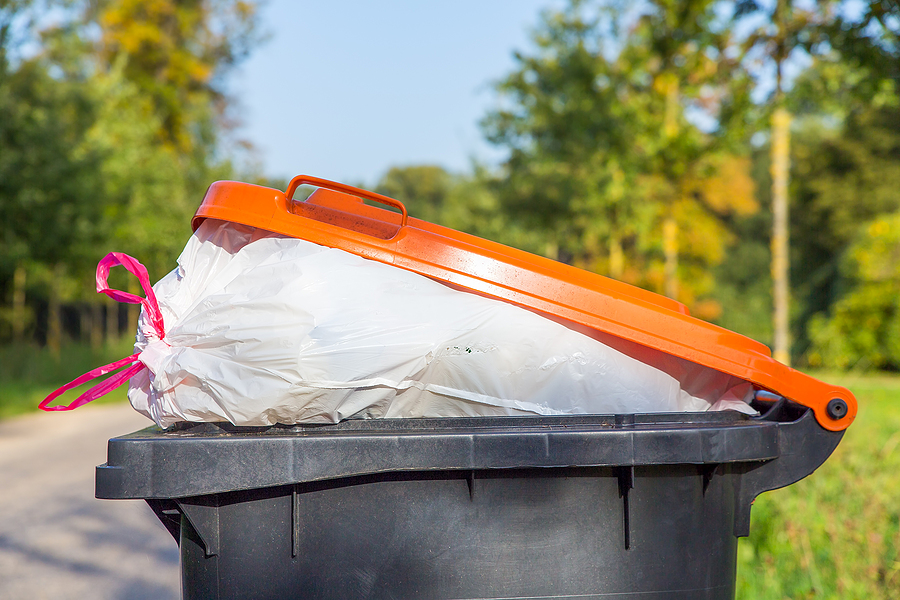
- Secure your trash: Use wildlife-proof bins or keep trash cans in a garage until pickup day.
- Remove food sources: Bring pet food indoors at night and clean up fallen fruit from trees. Bird feeders are also a major draw for squirrels and raccoons; consider removing them temporarily if you have an infestation.
- Seal the perimeter: Inspect your home’s exterior for gaps. Mice can fit through a hole the size of a dime, and bats need only a half-inch gap. Use steel wool and caulk for small holes, and heavy-gauge hardware cloth for larger openings like vents and chimneys.
Humane DIY Deterrents
If an animal is lingering but hasn’t moved in yet, you may be able to encourage them to leave using harassment techniques. The goal is to make your property feel unsafe or uncomfortable for them.
- Motion-activated lights: diverse Indiana wildlife, especially raccoons and opossums, are nocturnal. Sudden bright lights can startle them and disrupt their foraging patterns.
- Auditory deterrents: Placing a battery-operated radio in an attic or crawl space set to a talk radio station can disrupt animals. The constant human voices suggest a predator is nearby.
- Scent repellents: Some homeowners find success with ammonia-soaked rags or cider vinegar placed near entry points. However, be aware that the effectiveness of scent repellents is often temporary, as animals can become accustomed to the smell.
When to Call a Professional Wildlife Control Service
While DIY methods work for minor intrusions, there are times when professional intervention is the safest choice. Wildlife removal can be dangerous; frightened animals will bite and scratch, and many carry diseases such as rabies, leptospirosis, or roundworm.
You should consider calling a professional if:
- The animal is intruding: Any type of animal infestation is damaging, and therefore grounds for professional assistance, whether inside or outside the property.
- Babies are present: Removing a mother and leaving the babies behind is inhumane and will result in the babies dying inside your walls. Professionals know how to locate and remove the entire family.
- The location is difficult: If the animal is located on a steep roof or inside a complex chimney system, you risk falling or damaging your home.
- The problem persists: If you have trapped multiple animals and they keep coming back, you likely have a structural issue that requires professional animal-proofing.
Conclusion
Successfully managing wildlife on your property is about balance. By removing attractants, sealing entry points, and understanding the legal frameworks for trapping, you can protect your home while respecting the local ecosystem. Remember that maintenance is an ongoing process; a small gap in your siding today can be a raccoon’s front door tomorrow.
If you are dealing with a stubborn infestation or need help safeguarding your home against future intruders, don’t hesitate to reach out for expert assistance.
Need help reclaiming your home? Contact Us Today for professional wildlife control and comprehensive animal-proofing services in Indianapolis and surrounding counties.
Call to Book a Free Inspection
Related Post: Indiana’s Hibernating Animals: A Guide to Winter Wildlife Control