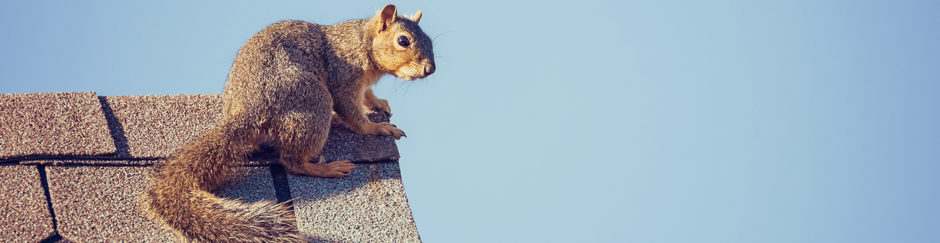
Wild animals rarely announce themselves. Most homeowners discover a wildlife problem only after noticing strange noises, damaged property, or lingering odors that won’t go away. By then, the animal may have already built a nest, caused structural damage, or started a family inside your walls.
Catching the warning signs early can save you from costly repairs and health risks. Here’s what to watch for.
Strange Noises in Walls or Attic
Scratching, scurrying, or thumping sounds in your attic or walls almost always point to unwanted guests. The timing of these noises can help you identify the culprit.
Nocturnal animals like raccoons, opossums, bats, and rats are most active at dusk and throughout the night. If you hear movement after dark, one of these species is a likely suspect. Squirrels, on the other hand, tend to be active during the day, especially in the early morning and late afternoon.
Chirping or Squeaking Sounds
Chirping or squeaking noises deserve extra attention. According to Attic Kings, these sounds can signal bats or young wildlife, which often means a nest has already been established.
Visible Droppings and Damage
Droppings are one of the clearest signs of an active infestation, and different animals leave distinct evidence behind.
Mouse droppings are small and about the size of a grain of rice, while rat droppings are noticeably larger. Raccoons tend to use repeated latrine spots, leaving behind larger, tube-shaped droppings. Bat guano is small and crumbly, often piling up beneath roosting areas, while squirrel droppings are oblong and smaller than rat droppings. Opossum droppings tend to be irregular in shape.
Beyond droppings, look for chewed wiring, torn insulation, matted insulation trails, and gnaw marks on wood. These damage patterns often reveal exactly which animal has moved in and how long it’s been there.
Entry Points and Gaps
Wildlife typically enters homes through roof vents, soffits, chimneys, and gaps around pipes or siding. Foundation gaps and crawl space openings are also common entryways, especially for smaller animals like rats and mice.
Signs of gnawing, fresh scratches, or an opening that looks larger than it used to are red flags. Rodents can squeeze through surprisingly small gaps, so even minor openings shouldn’t be ignored.
Foul Odors and Stains
A musty smell in your attic or walls often indicates an active nesting area. Strong, ammonia-like odors usually come from accumulated animal urine, while a persistent musky smell can point to a nest or, in more serious cases, a deceased animal.
Urine stains on ceilings are another warning sign, appearing when urine soaks through drywall and insulation over time. These stains aren’t just unsightly. Droppings and urine from wildlife can carry health risks, including histoplasmosis, salmonella, and leptospirosis, so avoid direct contact and sweeping dry droppings without protective gear.
Garden and Lawn Damage
Wildlife damage isn’t limited to the inside of your home. Your yard can reveal just as much about what’s been visiting your property.
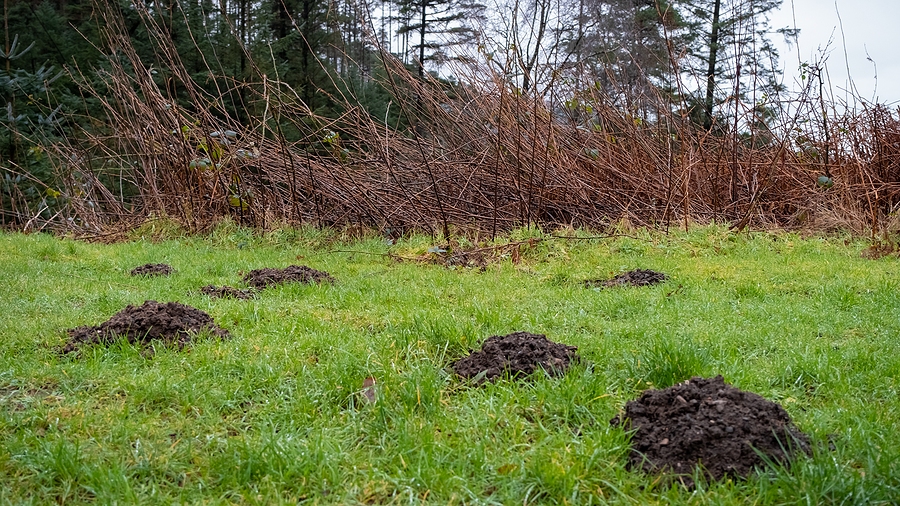
Skunks hunting for grubs often leave small, cone-shaped holes or torn-up patches of sod. Moles create raised tunnels and ridges across the lawn, while groundhogs dig large burrow holes, typically 8 to 12 inches wide, surrounded by mounds of excavated soil.
Plant damage offers additional clues. Rabbits leave clean, 45-degree cuts on vegetation, while deer tend to leave ragged, torn edges. Missing bulbs or disappearing plants may point to chipmunks or voles working beneath the surface.
If you’re noticing any of these signs, it may be time to call in the experts at Budget Animal Removal. Our Indianapolis wildlife trappers can help identify the animal responsible and recommend the safest way to handle it.
Frequently Asked Questions
What animals are most common invaders in Indiana homes?
Raccoons, squirrels, bats, opossums, skunks, groundhogs, mice, and rats are among the most common wildlife intruders found in and around Indiana properties.
When should I call a professional?
You should call a professional if you notice signs of nesting or babies, discover bats on your property, hear repeated noises in your walls or attic, find droppings inside living spaces, or see damage to wiring and insulation. An animal behaving aggressively or appearing sick, or one trapped inside a wall or chimney, also calls for immediate professional help.
Can I remove wildlife myself?
DIY removal carries real risks. Sealing entry points while an animal is still inside can trap it and orphan any young nearby. Some species, including bats, have legal protections in Indiana, and removing them without a permit can be illegal. A professional ensures the animal is removed legally, humanely, and without creating further damage to your home.
Protect Your Home Before the Problem Grows
Wildlife intrusions rarely stay small. What starts as a few scratching sounds in the attic can quickly turn into significant structural damage and health hazards for your family.
If you’ve spotted any of these warning signs on your property, don’t wait for the situation to worsen. Contact Budget Animal Removal in Indianapolis, Indiana, for professional, humane wildlife removal services you can trust.
Related Posts:
The Crucial Role of Home Inspections for Wildlife Infestation Removal and Prevention
Humane and Safe Animal Proofing for Mid-Western Homeowners
Common Signs of Unwanted Wildlife Activity Around Your Home