
Coyotes are resourceful, adaptable animals. Over the past few decades, they’ve moved well beyond their traditional rural habitats and established themselves in neighborhoods, parks, and green spaces across the country—including right here in Indianapolis. While coyotes play a valuable role in the ecosystem, their proximity to homes, pets, and children understandably raises concerns.
The good news is that coexisting with coyotes doesn’t have to mean tolerating dangerous situations. With the right combination of deterrents, habitat modifications, and exclusion methods, you can make your property far less attractive to these animals—without causing them harm. This post walks you through everything you need to know about humane coyote control, from spotting early warning signs to knowing when it’s time to call a professional.
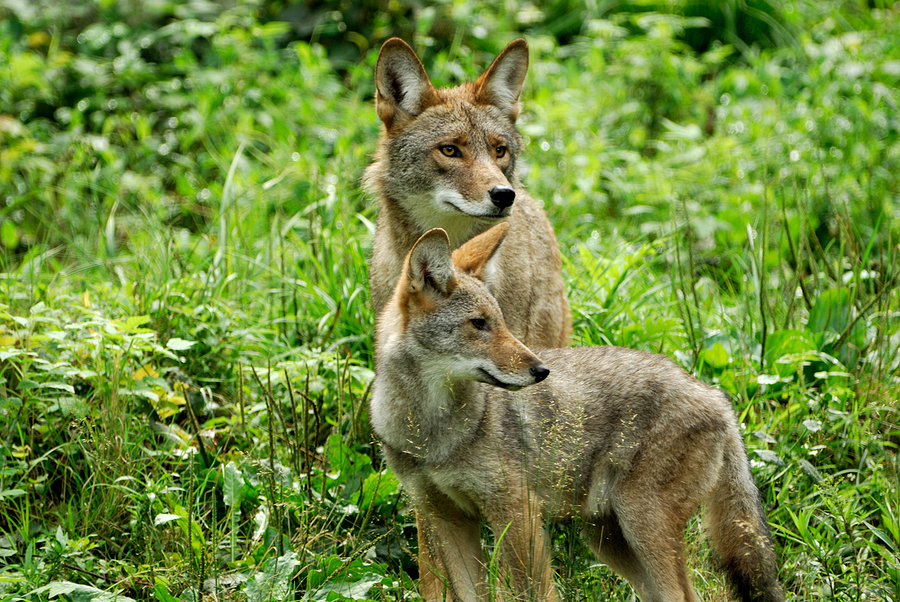
How to Tell If Coyotes Are Active Near You
Before you can address a coyote problem, you need to confirm one exists. Coyotes are primarily nocturnal, but they will move around during daylight hours—especially during mating season (January through March) and when pups are learning to forage in summer.
Common signs of coyote activity
- Tracks: Oval-shaped paw prints, roughly 2.5 inches long, often found along fence lines, near water sources, or in soft soil
- Scat: Coyote droppings are typically tapered at one end and may contain fur, seeds, or bones
- Sounds: Howling, yipping, or barking at night—often in groups
- Missing small animals: Disappearing outdoor cats, chickens, or small dogs are a serious red flag
- Disturbed garbage: Tipped or torn trash bins with scattered waste
Coyote activity differs from other urban wildlife in a few key ways. Unlike raccoons, coyotes rarely den in attics or crawl spaces. Unlike foxes, they tend to move in larger territories and travel in loose family groups. If you’re consistently spotting the same coyote in daylight without it fleeing at the sight of humans, that’s a warning sign—bold behavior in coyotes often indicates they’ve been fed intentionally or unintentionally.
Habitat Modification: The Foundation of Coyote Control
The most effective long-term strategy for keeping coyotes away is removing whatever is drawing them to your property in the first place. Coyotes are opportunistic feeders—they go where the food is.
Remove food sources
Secure your trash: Use bins with tight-fitting, locking lids. Don’t leave bags outside overnight.
- Bring pet food indoors: Never leave pet food or water bowls outside, especially after dark.
- Pick up fallen fruit: Rotting fruit on the ground is an easy meal. Clear it regularly.
- Clean up around bird feeders: Spilled birdseed attracts rodents, which in turn attract coyotes.
- Clean up pet waste: Dog feces can draw coyotes to your yard. Remove it promptly.
Modify your landscaping
Dense shrubs, tall grass, and overgrown brush give coyotes places to hide and rest. Keeping your yard tidy—trimming vegetation, clearing debris piles, and sealing gaps under decks and porches—eliminates potential denning areas and makes your property less inviting.
Deterrents and Exclusion Methods That Work
Once you’ve addressed food sources, you can layer in active deterrents and physical exclusion to further discourage coyotes from settling in.
Fencing requirements for coyote control
A standard fence won’t cut it. Coyotes can jump surprisingly high and are skilled diggers. Effective coyote-proof fencing should be:
- At least 6 feet tall
- Buried at least 18 inches underground to prevent digging
- Fitted with an outward-facing overhang or coyote rollers at the top
Coyote rollers are 4-foot aluminum rods that spin when an animal attempts to grip the fence top, preventing them from pulling themselves over. They’re effective, relatively low-cost, and typically approved by homeowners’ associations.
Motion-activated deterrents
- Motion-activated lights: Sudden bright light startles coyotes and discourages them from approaching. Position lights to face outward along your fence line.
- Motion-activated sprinklers: A blast of water is harmless but effective at sending coyotes in the other direction.
- Noise devices: Air horns, ultrasonic repellers, and even wind chimes can deter coyotes, though they may become desensitized over time.
Scent-based repellents
Coyotes rely heavily on scent to assess their surroundings. Ammonia-soaked rags placed around the perimeter of your yard can mimic the scent of a predator and discourage entry. Commercially available predator urine sprays can serve a similar purpose. These methods require regular reapplication, especially after rain.
Protecting Your Pets From Coyotes
Small dogs and outdoor cats are the most vulnerable to coyote encounters. Taking a few precautions can dramatically reduce the risk.
Keep pets under close supervision
- Avoid letting pets outside unsupervised at dawn, dusk, and night—peak coyote activity periods.
- Walk dogs on a short, sturdy leash. Retractable leashes give dogs too much distance from you, reducing the deterrent effect of your presence.
- Keep cats indoors, especially overnight. Outdoor cats are at significant risk in coyote-active areas.
Additional protective measures
- Coyote vests: Designed for small dogs, these vests feature a Kevlar neck collar with 1-inch spikes and spikes along the back, making it extremely difficult for a coyote to get a grip.
- Secure enclosures: If your pet needs to be outside and unsupervised, use a fully enclosed pen with a roof.
- Stay current on vaccinations: Coyotes can carry diseases like rabies and distemper. Keeping your pet’s vaccinations up to date is an important safeguard.
- Microchip your pets: If the worst happens, microchipping improves the chances of recovering a lost animal.
What to do if you encounter a coyote
If a coyote approaches you or your pet, use hazing techniques to reinforce its natural fear of humans:
- Stand tall and make yourself look as large as possible
- Shout, clap, or use an air horn
- Throw sticks or stones in the coyote’s direction—not to harm it, but to startle it
- Maintain eye contact and back away slowly without turning your back
- Never run. Running can trigger a prey response.
When to Call a Professional for Coyote Removal
DIY deterrents work well for most situations, but there are times when professional wildlife removal is the safest and most effective option.
Consider calling a professional if:
- A coyote is acting aggressively or has lost its fear of humans entirely
- You’ve spotted a coyote repeatedly entering your yard despite deterrents
- A coyote has attacked or injured a pet
- You suspect a coyote is denning on your property
- There are children or vulnerable individuals in your household who are at risk
Professional coyote removal services use humane, non-lethal methods wherever possible. A trained technician can assess the specific factors drawing coyotes to your property, implement targeted exclusion strategies, and—if necessary—safely trap and relocate the animal in accordance with Indiana state wildlife regulations.
Attempting to trap or relocate a coyote without proper training or permits is illegal in Indiana and can make the problem worse. Coyotes are territorial, and displacing one without addressing underlying attractants typically leads to another moving in.
Frequently Asked Questions
Are coyotes dangerous to humans?
Coyote attacks on humans are rare, but they do occur—most often when a coyote has become habituated to humans through feeding. Healthy, wild coyotes are naturally wary of people. If a coyote shows no fear of you and approaches closely, keep children nearby and contact a professional.
Will coyotes leave on their own if I stop feeding them?
Often, yes. Removing food sources is the single most effective way to discourage coyotes from lingering. Without a reliable food supply, coyotes will expand their territory in search of better opportunities.
Can I use poison or lethal traps to deal with coyotes?
Poisons and indiscriminate lethal traps are illegal in many jurisdictions, inhumane, and dangerous to other wildlife, pets, and children. They also don’t solve the underlying problem. Humane exclusion and habitat modification are far more effective long-term solutions.
Do coyotes pose a risk to livestock?
Yes. Coyotes are known to prey on chickens, rabbits, and other small livestock. If you keep animals outdoors, secure enclosures with solid fencing (buried underground), covered roofs, and motion-activated deterrents are essential.
Get Expert Help With Coyote Control in Indianapolis
Humane coyote control comes down to a simple principle: make your property less attractive and less accessible than the next option. Remove food sources, secure your yard, protect your pets, and use deterrents consistently. Most coyotes will move on when the effort outweighs the reward.
That said, some situations call for professional eyes and hands.
If you’re dealing with a persistent or aggressive coyote problem in the Indianapolis area, the team at Budget Animal Removal is ready to help. We use safe, humane removal methods to protect your family, pets, and property. Request a free quote for coyote control today.
Related Posts:
Keeping Pets Safe from Wild Coyotes: A Comprehensive Guide
How to Tell a Stray Dog From a Coyote
What to Do About Nuisance Coyotes in Indiana