
Bats fluttering through the evening sky are a common sight across Indiana. As insectivores, these fascinating creatures provide a massive benefit to our local ecosystems and agricultural industries. By consuming thousands of mosquitoes and crop pests each night, bats act as a natural, highly effective form of pest control.
However, the line between helpful wildlife and a stressful nuisance is quickly crossed when these animals decide to move into your home. Finding a colony of bats roosting in your attic can be an overwhelming experience. It brings concerns about property damage, unpleasant odors, and potential health risks for your family.
While it is entirely normal to feel anxious about a bat infestation, it is also crucial to handle the situation carefully. Many bat populations are facing severe ecological threats, making their conservation more important than ever. By learning about the specific types of bats in our state and the proper methods for removing them, you can protect your home while also protecting local wildlife.
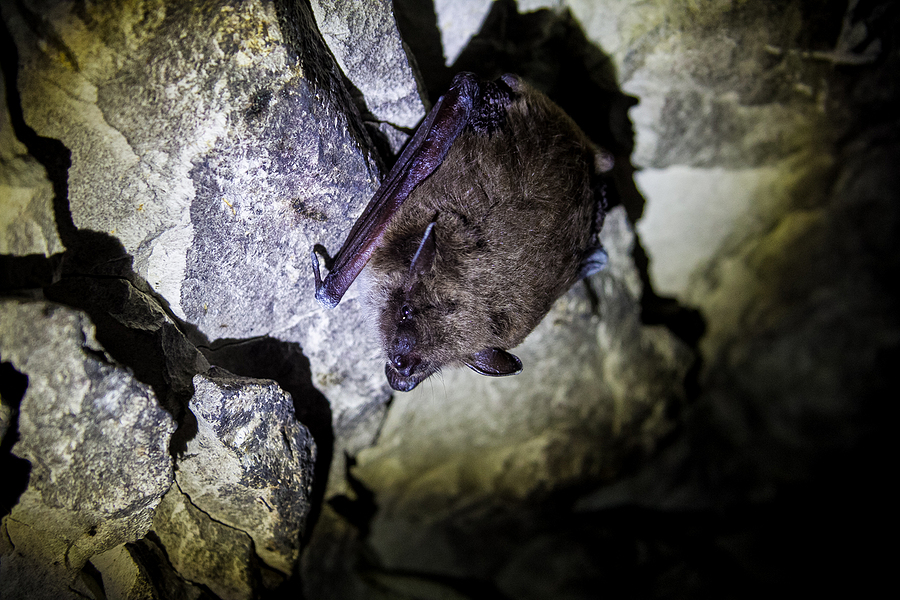
Little Brown Bats: Tiny Flyers, Big Impact
Physical Characteristics and Habitat of Little Brown Bats
True to their name, little brown bats are incredibly small. They typically weigh just 5 to 9 grams and measure about 3 to 4.5 inches in length. Despite their tiny bodies, they boast a wingspan of 8 to 9 inches, allowing them to fly swiftly through the night sky. Their fur is usually a glossy brown on their backs, with slightly lighter bellies.
In the wild, little brown bats prefer roosting in hollow trees, rock crevices, or caves. However, they are also highly adaptable and will readily take up residence in man-made structures like attics and barns. They are nocturnal hunters, emerging shortly after sunset to gorge on a diet primarily consisting of aquatic insects, moths, and mosquitoes.
Little Brown Bat Conservation Status and Decline
The little brown bat was once one of the most common bat species in North America, boasting a lifespan of up to 35 years. Unfortunately, their populations have plummeted over the last two decades due to a devastating fungal disease known as White-Nose Syndrome (WNS).
In Indiana alone, the little brown bat population suffered a heartbreaking 89% decline following the arrival of WNS. Because of this massive drop in numbers, protecting the remaining populations is a top priority for wildlife conservationists. When dealing with these bats on your property, great care must be taken to ensure they are not harmed.
Big Brown Bats: Robust and Resilient Residents
Identifying Big Brown Bats: A Closer Look
As you might guess, the big brown bat is noticeably larger than its little brown cousin. They weigh between 15 and 26 grams and have an impressive wingspan that ranges from 12.8 to 13.8 inches. Their fur ranges from pale brown to dark chocolate, and they have broad noses and rounded ears.
Big brown bats are highly adaptable generalists. They show very little preference between foraging over land or water, and they are incredibly comfortable living in urban and suburban environments across Indiana.
Big Brown Bat Behavior and Colony Dynamics
Because they are so adaptable, big brown bats frequently form colonies inside human structures. Attics, wall voids, and old barns mimic the stable temperatures and protection of their natural cave roosts. They are voracious eaters, focusing heavily on agricultural pests like beetles, which makes them highly beneficial to local farmers.
During the summer months, female big brown bats form maternity colonies to give birth and raise their young (called pups). These maternal colonies can contain dozens or even hundreds of bats. Because the pups cannot fly for several weeks, these colonies are highly vulnerable during the summer months.
When Bats Become a Nuisance: Signs and Concerns
Common Indicators of Bat Presence in Homes
Bats are quiet guests, but they do leave distinct clues behind. One of the most obvious signs is the accumulation of guano (bat droppings) near entry points, on windowsills, or spread across attic insulation.
You might also hear faint squeaking, scratching, or rustling sounds coming from your walls or ceilings, particularly at dusk and dawn when the bats are leaving or returning to the roost. Finally, visually spotting bats flying out of a specific gap in your roofline at sunset is a guaranteed sign of a colony.
Health Risks Associated with Bat Infestations
Living with a bat colony inside your home presents legitimate health and safety risks. Bat guano can harbor a fungus that releases spores into the air. If inhaled, these spores can cause histoplasmosis, a serious respiratory infection.
Additionally, bats are a known vector species for rabies. While it is relatively rare for a bat to carry rabies, the disease is fatal if left untreated. You should never handle a bat with bare hands, and any direct contact with a bat warrants immediate medical consultation.
Structural Damage Caused by Bat Colonies
Beyond health concerns, bats can cause significant damage to your property. Their guano and urine accumulate rapidly, leading to foul odors and deep stains on ceilings and walls. Over time, the weight and moisture of their waste can compress and ruin attic insulation, reducing your home’s energy efficiency and requiring costly professional animal damage remediation.
Humane Exclusion: A Responsible Approach to Bat Removal
The One-Way Door Method for Bat Exclusion
Because bats play such a vital role in our ecosystem, lethal control is both unethical and often illegal. The safest and most effective way to remove bats is through a process called humane exclusion.
Exclusion involves installing specialized one-way doors or tubes over the bats’ primary entry and exit points. When the bats leave at night to hunt, the device allows them to drop out safely. However, when they return before dawn, the one-way mechanism prevents them from getting back inside.
Timing is critical for this method. In Indiana, you cannot perform bat exclusions during the maternity season, which runs from June 1 through August 15. Doing so would trap flightless pups inside to die. Exclusions should also never be performed during the winter months, as forcing hibernating bats out into the freezing cold is usually a death sentence. The ideal window for professional bat exclusion is from mid-August through the end of fall.
Sealing Entry Points: Preventing Future Infestations
Once all the bats have successfully left the building, the one-way doors are removed, and the primary entry points are permanently sealed. However, a bat can squeeze through a gap as small as a quarter of an inch. A thorough inspection of the entire roofline, chimney, vents, and siding is required to identify and seal any secondary cracks or gaps using durable materials like silicone caulk, hardware cloth, or expanding foam.
Cleaning and Decontamination After Bat Removal
After the bats are gone and the house is sealed, the mess remains. Proper cleanup is essential to eliminate odors and mitigate the risk of histoplasmosis. This process requires specialized respiratory gear and protective clothing to safely remove the guano and contaminated insulation. Once the waste is cleared, the area must be thoroughly sanitized and deodorized to restore a safe living environment.
FAQs About Indiana Bats and Exclusion
Are all bats in Indiana protected?
Yes, bats are protected wildlife. Several species, including the little brown bat and the Indiana bat, are facing severe population declines and have additional federal or state protections. It is illegal to poison or unnecessarily kill bats.
Can I remove bats myself?
While it is technically possible to evict bats yourself, it is highly discouraged. Proper exclusion requires working at high elevations, specialized knowledge of bat behavior, and strict adherence to seasonal laws. Mishandling an exclusion can trap bats inside your home, leading to dead animals in your walls and increased health risks.
What time of year is best for bat exclusion?
The best time for bat exclusion in Indiana is between August 16 and late fall, before the bats begin to hibernate. Exclusions cannot be performed during the summer maternity season (June 1 – August 15) or during the winter hibernation period.
How do I know if I have a bat problem?
The most common signs include finding accumulations of guano (which resembles dark grains of rice) around your home’s perimeter or in the attic, hearing scratching or squeaking noises at dawn and dusk, or physically seeing bats exiting your roofline in the evening.
Coexisting with Indiana’s Bats
Bats are an irreplaceable part of Indiana’s natural landscape. They keep insect populations in check and support the health of our local environment. When these fascinating creatures accidentally cross boundaries and enter our living spaces, they deserve to be treated with respect and care. Humane exclusion ensures that your home is protected from damage and disease while allowing the bats to return to the wild where they belong.
If you suspect you have a colony roosting in your attic or walls, do not try to handle the situation alone. For safe and humane bat removal in Indianapolis, Indiana, request a free quote today.
Related Post: The Most Threatened Bat Species in Indiana