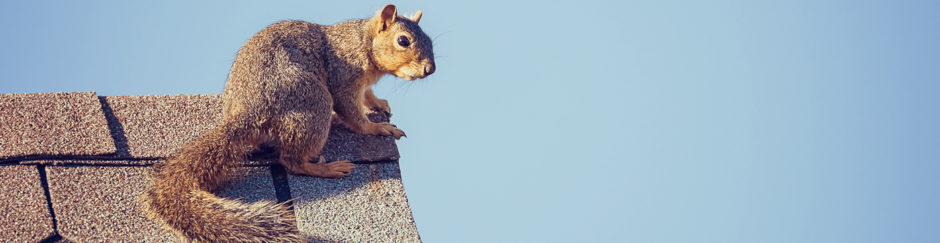
The sound is unmistakable: a heavy thumping in the attic or the clattering of trash cans in the dead of night. If you’ve ever woken up to find your garbage strewn across the driveway or heard mysterious scratching above your bedroom ceiling, you’ve likely met the neighborhood raccoon.
While their masked faces might look cute in cartoons, raccoons are intelligent, persistent, and destructive pests when they decide to move in. Beyond the noise and the mess, they pose genuine risks to your property and your family’s health. They can tear through roofing materials, destroy insulation, and carry serious diseases.
Evicting these clever critters requires more than just patience—it requires a strategy. In this guide, we will explore why raccoons target your home, how to spot the signs of an infestation, and the most effective, humane ways to keep them out for good.
Understanding Your Opponent: Raccoon Behavior and Biology
To outsmart a raccoon, you have to think like one. These animals are highly adaptable and thrive in urban environments where food and shelter are plentiful. They are primarily nocturnal, meaning they are most active at night, though spotting one during the day doesn’t necessarily mean it is sick—it might just be hungry or moving to a new den.
Why They Choose Your Home
Raccoons are driven by two main needs: food and shelter. As omnivores, they aren’t picky eaters. They will scavenge through trash, raid pet food bowls, and eat fruits or vegetables from your garden.
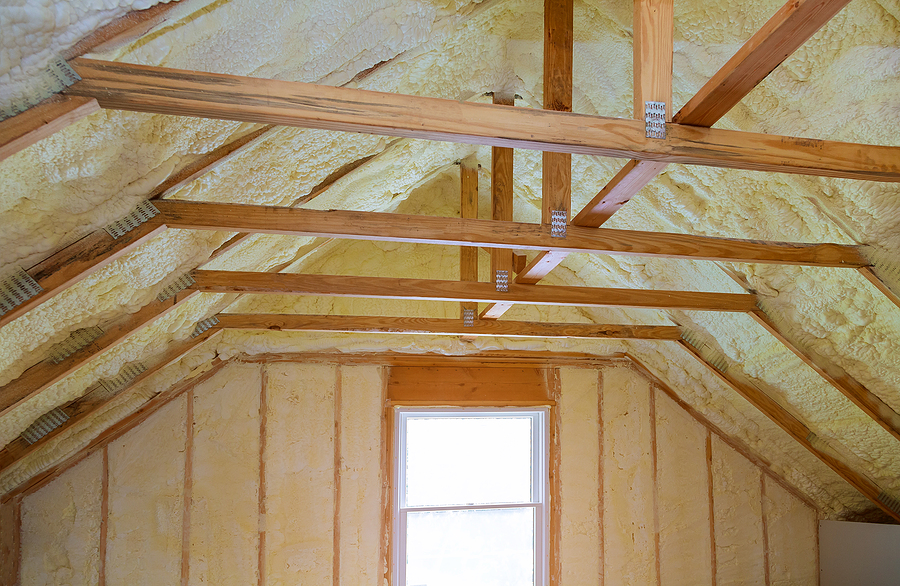
When it comes to shelter, your attic, chimney, or crawlspace looks like a five-star hotel. It’s dry, warm, and safe from predators. This is especially true during mating season (January and February) and when females are looking for a safe place to raise their young (typically born in April or May). A mother raccoon is incredibly determined and can rip through shingles or aluminum soffits to create a nursery for her kits.
Signs of a Raccoon Infestation
Because they are active while you sleep, you might hear raccoons before you see them. Look and listen for these common indicators:
- Noises at night: Heavy footsteps, scratching, or vocalizations (chittering or growling) coming from the attic or walls.
- Property damage: Torn shingles, bent vents, or holes in the fascia boards. Raccoons have nimble, hand-like paws that can unlatch hooks and widen small cracks.
- Tracks: Hand-shaped footprints on your deck, near downspouts, or in the garden.
- Droppings: Latrines (communal toilet areas) found on roofs, in attics, or near the base of trees. Note: Never touch raccoon droppings without protection, as they can carry dangerous parasites.
Raccoon-Proofing is the Best Defense
The most humane and effective way to deal with raccoons is to make your property unappealing to them in the first place. By removing attractants and fortifying your home, you force them to move along.
Secure Your Trash
Your garbage can is an all-you-can-eat buffet. To shut it down, invest in animal-proof trash cans with locking lids. If possible, store your bins inside a garage or shed until the morning of pickup. If they must stay outside, use bungee cords to secure the lids and weigh them down so they can’t be tipped over.
Remove Food Sources
Raccoons have an incredible sense of smell. To reduce temptation:
- Feed pets indoors: If you must feed them outside, remove leftovers immediately after they finish eating.
- Clean up fallen fruit: If you have fruit trees, pick up fallen produce daily.
- Secure bird feeders: Raccoons love birdseed. Use baffles on feeder poles or bring feeders inside at night.
Seal Entry Points
Inspect your home’s exterior for vulnerabilities. Raccoons can squeeze through surprisingly small openings (about 4 inches wide) and will use their strength to make them bigger.
- Install chimney caps: A chimney without a cap is an open door for a denning raccoon.
- Repair roof damage: Fix loose shingles and rotting fascia boards immediately.
- Cover vents: Use heavy-gauge metal mesh (hardware cloth) to cover attic vents and crawlspace openings. Standard insect screens are not strong enough to stop a determined raccoon.
- Trim trees: Cut back overhanging tree limbs at least 6 to 8 feet away from your roof to cut off their “highway” to your attic.
Request a Free Raccoon Control Inspection in Indy Today ☑
Humane Raccoon Removal and Exclusion
If raccoons have already moved in, you need to be careful. In many states, including Indiana, there are strict regulations regarding trapping and relocating wildlife.
Mild Harassment Techniques
You can try to encourage the raccoon to leave on its own by making the space uncomfortable. This is often called “mild harassment.”
- Lights: Place a bright light in the attic or crawlspace. Raccoons prefer the dark.
- Sound: Leave a battery-operated radio tuned to a talk station near the den. The sound of human voices can feel threatening to them.
- Scent: Raccoons dislike strong odors. Some homeowners find success with commercial animal repellents or cider vinegar-soaked rags, though these often have limited long-term success.
The Danger of Trapping
While it might be tempting to buy a live trap, this is rarely the best DIY solution.
- The “Baby” Problem: If you trap and remove an adult female during spring or summer, you may unknowingly leave a litter of helpless babies behind in your attic. This leads to starving animals, terrible odors, and a much more difficult removal job later.
- Legal Restrictions: In Indiana, for example, if you trap a nuisance animal, you generally must either euthanize it or release it within the same county on private land where you have permission. Relocating animals far away is often illegal and ecologically harmful.
- Disease Risk: Raccoons are a primary carrier of rabies. A frightened, trapped raccoon is dangerous. They also carry raccoon roundworm (Baylisascaris procyonis), which can be transmitted to humans and pets through contact with feces or contaminated soil.
One-Way Doors
A safer alternative to trapping is a one-way exclusion door. This device is installed over the entry point. It allows the raccoon to leave the attic to find food but prevents them from getting back in. Crucial: You must be 100% certain there are no babies inside before using this method, or the mother will cause massive damage trying to get back to them.
When to Call a Professional Wildlife Control Service
Sometimes, the infestation is too advanced, the location is too dangerous to reach, or the risk of disease is too high to handle alone. Professional raccoon removal and control operators have the training and equipment to handle these situations safely.
You should contact a professional if:
- You suspect there are baby raccoons in the attic or chimney.
- The raccoon is acting aggressively or appears sick (staggering, discharge from eyes/mouth, lack of fear).
- You are unable to locate the entry point.
- You want to ensure the cleanup is done safely. Cleaning up a raccoon latrine requires specific safety protocols to avoid inhaling dangerous roundworm eggs.
Conclusion
Raccoons are fascinating creatures, but they belong in nature, not in your attic. By understanding what draws them in and taking proactive steps to secure your property, you can coexist peacefully—from a distance.
If you are hearing bumps in the night or suspect a raccoon has made your home their own, don’t wait for the damage to get worse. At Budget Animal Removal, we specialize in humane, effective raccoon removal and prevention in the Indianapolis areas. We don’t just remove the animal; we repair the damage and seal your home to keep them out for good.
Related Post: How to Keep Raccoons Out of Dumpsters and Garbage Containers