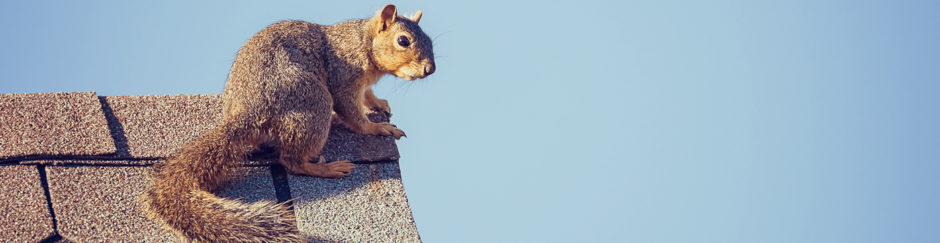
TL;DR: Strange noises, damage, or droppings around your home could mean you have a wildlife problem. This guide walks you through how to identify the signs—from visual damage and sounds to tracks and scat—so you can take the right action before the situation gets worse.
Key Takeaways:
- Scratching, thumping, or squeaking sounds—especially at night—are common early warning signs
- Different animals leave very different clues: chewing damage, droppings, entry holes, and nesting materials all point to specific species
- Indiana’s bat maternity season (June 1–August 15) restricts when exclusion work can legally be done
- Never handle wildlife yourself, particularly bats—always contact a licensed professional
Table of Contents:
- Understanding Common Backyard Wildlife
- Identifying Visual Signs of Wildlife Damage
- Audible Clues: Noises in Walls and Attics
- Scat and Tracks Identification Guide
- Common Indianapolis Pests: Raccoons, Bats, and Squirrels
- Professional Wildlife Inspection vs. DIY
- FAQs About Local Wildlife
- Quick Recap Checklist for Homeowners
- Get Wildlife Removal in Indianapolis
Understanding Common Backyard Wildlife
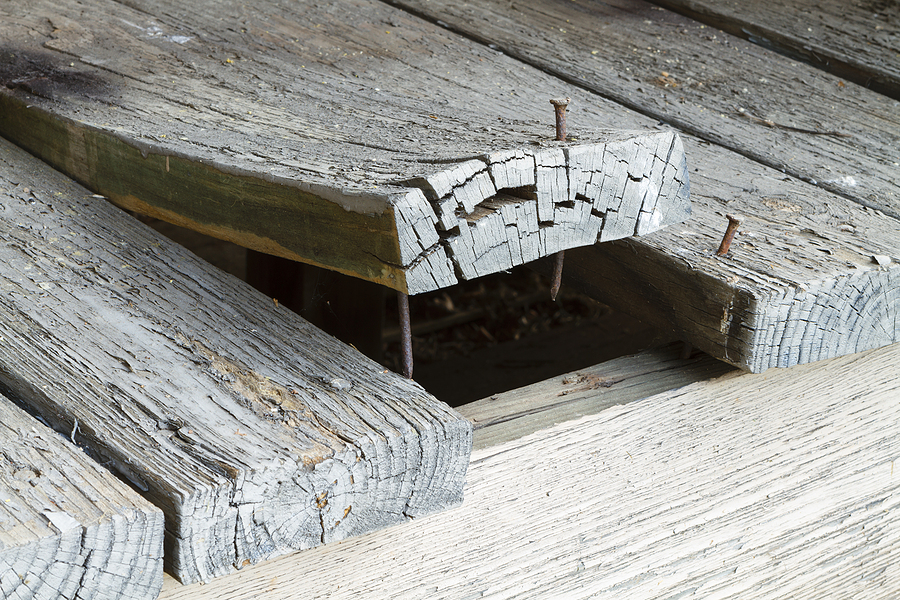
Indianapolis sits in a region rich with wildlife. Wooded neighborhoods, tree-lined streets, and mature landscaping create ideal habitat for dozens of species—some harmless, others capable of causing serious damage to your home.
Most wildlife problems don’t start dramatically. They begin quietly: a faint scratching behind a wall, a torn corner of soffit, a small pile of droppings near the garage. By the time homeowners notice something is wrong, an animal may have been living rent-free for weeks or months.
Identifying what you’re dealing with—and doing it early—can save thousands of dollars in structural repairs and prevent potential health risks for your family.
Identifying Visual Signs of Wildlife Damage
Look for physical damage, entry points, and disturbed materials around your home’s exterior and interior. Wildlife rarely enters a home without leaving evidence.
Common visual signs include:
- Chewed or gnawed wood, wires, or insulation. Rodents like squirrels constantly gnaw to keep their teeth trim. Chewed wires are a fire hazard and should be treated as an emergency.
- Torn or displaced soffit panels and roof vents. Raccoons are strong enough to pry open weak points in a roofline. Look for bent or punctured materials along the eaves.
- Smudge marks near entry holes. Animals repeatedly using the same entry point leave oily residue and dark smear marks around gaps.
- Nesting materials in unusual places. Shredded insulation, leaves, twigs, or fabric tucked into corners of an attic often signal an active nest.
- Disturbed garden beds or overturned trash cans. Consistent overnight disturbances—especially near food sources—suggest a regular visitor.
According to the Indiana DNR, pruning tree limbs at least 10 feet away from the roofline and installing metal skirting around decks can significantly reduce access to your home.
Audible Clues: Noises in Walls and Attics
The timing and type of sound you hear can help narrow down which animal is present. Your ears are one of your most useful diagnostic tools. Different animals are active at different times and move in distinctly different ways:
- Nighttime scratching or thumping in the attic — most commonly raccoons or bats
- Rapid scurrying sounds during the day — usually squirrels, which are diurnal (daytime-active)
- Squeaking or chittering near dusk — a strong indicator of bats, which emerge at nightfall to feed
- Slow, heavy movement overhead — raccoons, which are deliberate and heavier than squirrels
One important note from Purdue Extension: if wires, wood, or metal are being chewed through, you likely have a rodent—not bats. Bats do not chew or scratch structural materials. Squirrels, rats, and mice do.
Scat and Tracks Identification Guide
Droppings and footprints left near entry points can help identify the species. Finding scat or tracks doesn’t always mean an animal is inside your home, but it does confirm recent activity nearby.
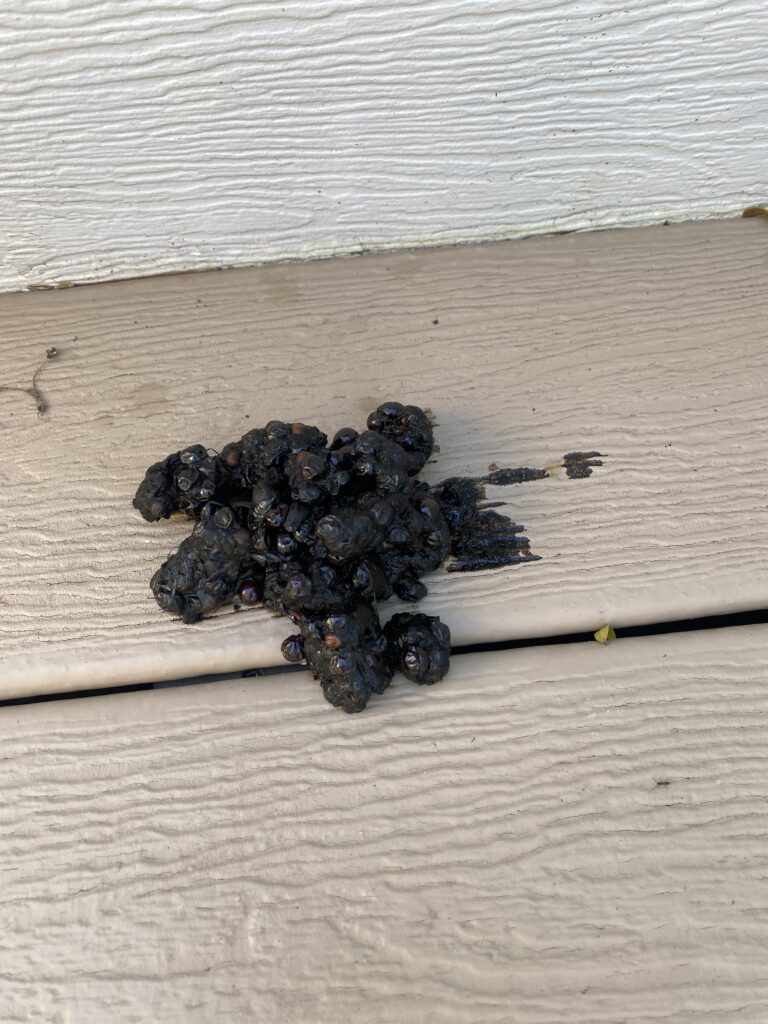
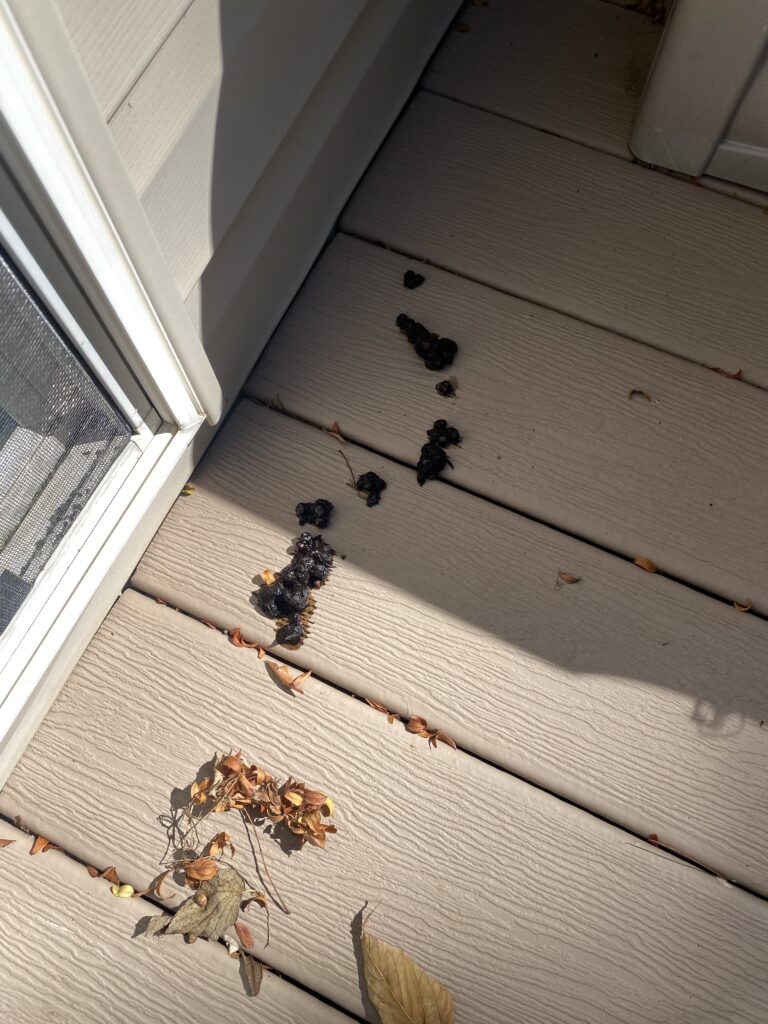
Here’s what to look for:
- Raccoon scat is tubular, roughly 2–3 inches long, and often contains undigested seeds or berries. Raccoon tracks show five long, finger-like toes and resemble small human handprints.
- Squirrel droppings are small, cylindrical pellets—about ⅜ inch long—typically found near feeding areas or below entry holes. Their tracks show four toes on the front feet and five on the rear.
- Bat guano accumulates in piles below roosting sites. Individual droppings are small and elongated, similar in size to a grain of rice, and often have a shiny, segmented appearance due to undigested insect matter. Old, dried guano may have a “coffee grounds” appearance, according to Purdue Extension.
Important health note: Long-term accumulation of bat droppings in attics has been associated with histoplasmosis, a respiratory disease caused by the fungal spore Histoplasma capsulatum. If you discover significant guano deposits, do not disturb them without proper protective equipment—at minimum, wear a respirator and disposable gloves, and lightly mist the area with water before carefully removing droppings into sealed plastic bags.
Common Indianapolis Pests: Raccoons, Bats, and Squirrels
These three species are the most frequently reported nuisance wildlife for Indianapolis-area homeowners.
Raccoons
Raccoons are intelligent, opportunistic, and remarkably strong. They commonly enter attics through weak soffits and fascia boards, and their size means the resulting damage is hard to ignore. They’re active primarily at night and tend to establish latrines in specific spots—an important detail, as raccoon feces can carry the parasite Baylisascaris procyonis (aka. raccoon roundworm), which poses health risks to humans and pets.
Bats
Indiana is home to 12 resident bat species. The two most commonly found in homes are the big brown bat and the little brown bat. Bat colonies can range from a few individuals to several hundred.
Critically, Indiana DNR regulations affect when you can act. Bat removal is not advised between June 1 and August 15, which is the maternity season. During this period, pups are dependent on their mothers and cannot yet fly. Trapping them inside will result in deaths and severe odor problems. Outside of that window—from August 16 through May 31—exclusion using one-way devices is both legal and effective.
Bats should never be handled with bare hands. If a bat is found in a room where a child, sleeping person, or someone unable to communicate has been present, contact your local health department immediately, as rabies testing of the bat may be necessary.
Squirrels
Eastern gray squirrels are agile climbers that commonly exploit small gaps in rooflines to access attics, particularly in fall when they seek warm nesting spots. Their incessant gnawing can compromise insulation, wiring, and structural wood. Entry holes are often found near roof vents, chimneys, and where branches overhang the roofline.
Professional Wildlife Inspection vs. DIY
For most homeowners, a professional inspection is the safer and more reliable option. A DIY home inspection can be a useful first step. Purdue Extension recommends positioning observers at opposite corners of a structure about 30 minutes before dusk and watching for animals exiting. Exit points often include attic vents, gaps between the roof sheathing and fascia boards, and any openings caused by building deterioration. Openings as small as ⅜ of an inch are large enough for bat entry.
That said, a professional brings tools, training, and legal knowledge that most homeowners don’t have. They can:
- Accurately identify species based on evidence
- Assess the full scope of structural vulnerabilities
- Perform exclusions correctly and within Indiana’s seasonal restrictions
- Handle situations involving potential rabies exposure
If you’re in Indianapolis or the surrounding counties—including Hamilton, Hendricks, Johnson, Boone, or Marion County—a licensed wildlife control operator can inspect your property, identify active entry points, and develop a removal plan that complies with Indiana DNR guidelines.
Contact a professional wildlife removal service in Indianapolis today to schedule an inspection before a minor intrusion becomes a major structural problem.
FAQs About Local Wildlife
What’s the most common sign that raccoons are in my attic?
Heavy thumping sounds at night, torn soffit panels, and a distinct musky odor are the most reliable indicators. Raccoons are large animals—you’ll know they’re there.
Can I remove bats from my attic myself?
You can, but only during the correct season (August 16–May 31) and using one-way exclusion devices. The Indiana DNR advises against DIY removal during maternity season and winter hibernation, and recommends consulting a licensed wildlife control operator.
Are the bats in my attic dangerous?
Most bats in Indiana are not rabid, but bats are a known carrier species. Never handle a bat with bare hands. If anyone in your home has had potential contact with a bat—including while sleeping—contact your local health department promptly.
Is squirrel damage covered by homeowners insurance?
Coverage varies by policy. Most standard policies exclude damage from rodents and wildlife. Check with your insurer, but don’t delay addressing the problem while waiting for a coverage answer.
How do I stop raccoons from getting into my trash?
Use cans with locked or tight-fitting lids. Store garbage indoors when possible, and avoid leaving pet food outside overnight. The Indiana DNR also recommends keeping grills covered and cleaned regularly, as food odors attract wildlife.
Quick Recap Checklist for Homeowners
- Listen for scratching, thumping, or squeaking—note the time of day
- Inspect your roofline for torn soffits, bent vents, or smudge marks
- Look for droppings in the attic, garage, or near entry points
- Check for chewed wiring, wood, or insulation
- Trim tree branches at least 10 feet from your roof
- Secure trash cans and remove outdoor food sources
- Install metal skirting under decks and porches
- If you suspect bats, note whether it’s bat maternity season (Jun 1–Aug 15)
- Contact a licensed wildlife control operator for a professional inspection
Take Action Before the Damage Gets Worse
Wildlife problems rarely resolve themselves. A single raccoon that finds a weak soffit panel can return night after night. A small bat colony can grow to hundreds before the season is over. Squirrels nesting near electrical wiring are a legitimate fire risk.
The good news: early identification makes everything easier and less costly to resolve. If you’ve noticed any of the signs described here, don’t wait.
Our licensed wildlife removal team serves Indianapolis and surrounding counties, including Hamilton, Hendricks, Johnson, Boone, and Marion County. Contact us today to schedule a professional inspection and get a clear picture of what’s going on in and around your home.
Related Post: Animals in the Attic? Your Guide to DIY Wildlife Control in Indiana