
Discovering raised ridges and small dirt mounds across your once-pristine lawn can be frustrating. Moles are skilled diggers, and a single one can churn up an impressive amount of soil in a short time. The good news? You don’t have to harm these creatures to protect your yard.
Humane mole removal focuses on relocating or deterring moles rather than killing them. This approach respects the role moles play in the ecosystem while still giving you back control of your lawn. Below, you’ll learn how to spot a mole problem, why a gentle approach makes sense, and which methods actually work.
How to Spot a Mole Problem in Your Yard
Before you take any action, you need to confirm that moles—and not another pest—are the culprits. Misidentifying the animal often leads to wasted time and ineffective treatments.
Signs of Mole Activity
Moles leave behind a few telltale clues:
- Raised ridges: Surface tunnels appear as winding, raised lines across your lawn.
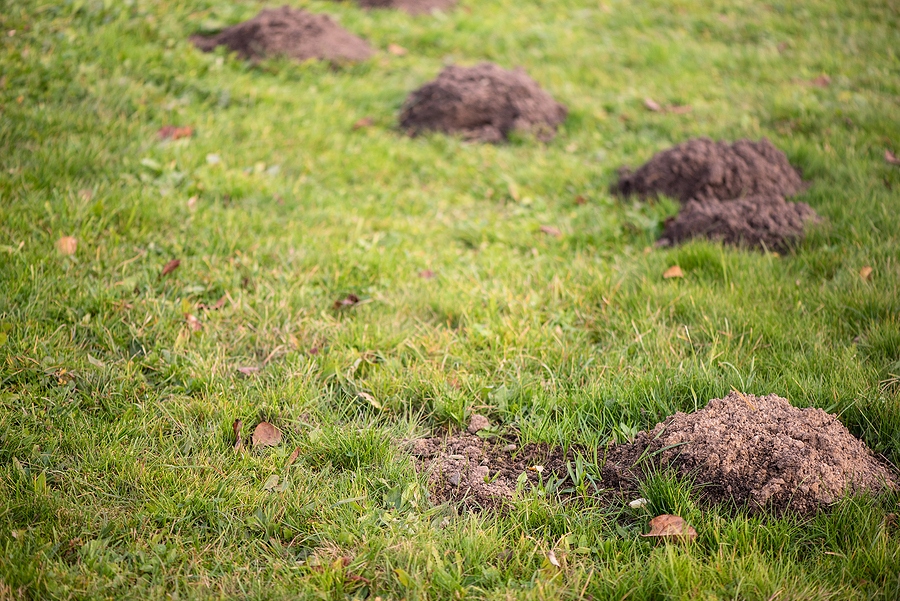
- Volcano-shaped mounds: Moles push excess soil to the surface, creating conical mounds (often called “molehills”).
- Spongy soil: Areas above tunnels feel soft and give way when you step on them.
- Dying grass: Tunneling can disturb roots, leaving patches of brown or wilting turf.
How Moles Differ from Voles and Gophers
It’s easy to confuse moles with other burrowing animals, but each leaves distinct evidence.
- Moles are insect-eaters. They feed on grubs and earthworms, and their tunnels create raised ridges and round, volcano-shaped mounds.
- Voles are small rodents that feed on plants and roots. They create shallow runways at the surface and gnaw on bark and stems, but they don’t push up large mounds.
- Gophers are larger rodents, ranging from 4 to 12 inches long. They create fan- or crescent-shaped mounds and tend to cause more extensive damage than moles or voles.
Correctly identifying your pest ensures you choose the right removal method from the start.
Why Choose Humane Mole Removal?
Lethal traps and poisons may seem like the fastest fix, but a humane approach offers real advantages for both your property and your conscience.
Benefits for Your Property
Moles aerate soil and eat lawn-damaging grubs, so they aren’t all bad. Humane methods let you address the immediate problem—tunneling—without disrupting the natural pest control they provide. Relocation and deterrents also avoid the safety risks that come with poisons, which can endanger pets, children, and beneficial wildlife.
Ethical Considerations
Many homeowners simply prefer not to kill an animal that’s only following its instincts. Moles aren’t aggressive, and they don’t carry the same disease risks as some rodents. Choosing to relocate or repel them reflects a more compassionate way to manage your yard.
Effective Humane Mole Removal Methods
There’s no single magic solution, but combining trapping with habitat changes gives you the best chance of success.
Trapping and Relocation
Live trapping is the most direct humane method. The goal is to capture the mole unharmed so it can be released elsewhere.
Types of Humane Traps:
- Pitfall traps: A classic DIY option. Bury a wide-mouth jar or an empty 3-pound coffee can in an active tunnel so the rim sits flush with the tunnel floor. As the mole travels through, it falls in and can’t climb out. Cover the opening with a board to block light and keep the tunnel dark.
- Commercial live traps: Several manufacturers sell tube-style or adjustable plastic traps designed to capture moles without injury. These are a good choice if you’d rather not build your own.
Best Practices for Trapping:
- Find active tunnels: Press down a small section of a surface ridge and mark it. If it’s raised again within 24 to 48 hours, the tunnel is active and worth trapping.
- Check traps often: Inspect live traps at least every few hours. Moles have fast metabolisms and can starve quickly if left too long.
- Know the local rules: In Indiana, moles may be taken at any time without a permit. If you live-trap and relocate any wild animal, state rules require that you release it within the county where it was captured, and you must have the landowner’s permission to release it there.
Habitat Modification and Deterrents
If trapping feels like too much, you can encourage moles to move on by making your yard less appealing.
Repellents and Barriers
Castor oil is the most widely recommended natural mole repellent. One common approach, suggested by Nebraska Extension, is to mix about 6 ounces of unrefined castor oil with 2 tablespoons of liquid dish soap in a gallon of water, then dilute and apply it across affected areas. The taste and smell discourage moles from feeding nearby.
For long-term prevention, physical barriers help. Burying hardware cloth or mesh around garden beds—at least a foot or two deep—can keep moles from tunneling into prized planting areas.
Lawn Maintenance Strategies
Moles follow their food, so reducing their food supply is a smart long-term play.
- Control grubs: Treating your lawn for grubs removes a key part of the mole’s diet. Just note that earthworms remain a food source, so this won’t solve the problem overnight.
- Reduce excess moisture: Overwatering attracts earthworms and grubs to the surface. Letting your lawn dry out between waterings makes it less inviting.
- Keep soil firm: Rolling or tamping down active tunnels can disrupt the mole’s routes and encourage it to relocate.
When to Call a Professional for Mole Control
Sometimes DIY efforts fall short. Consider professional help if:
- You’ve tried trapping and deterrents without results.
- The infestation covers a large area or involves multiple moles.
- You’d rather not handle trapping or relocation yourself.
- You want to make sure the work follows local wildlife regulations.
A qualified mole control specialist can identify active tunnels quickly, set traps correctly, and handle relocation in line with Indiana’s rules.
Frequently Asked Questions
Are moles dangerous to my pets?
Moles are not aggressive and rarely pose a direct threat to pets. They spend almost all their lives underground and won’t bite unless handled. The bigger risk usually comes from poisons and lethal traps, which is another reason humane methods are a safer choice for households with animals.
How quickly can moles damage my lawn?
A single mole can tunnel quite rapidly, creating visible ridges and mounds within days. Because moles work fast, it’s best to confirm an active problem and respond early rather than waiting.
Is humane mole removal more expensive?
Costs vary depending on the method. DIY pitfall traps and castor oil repellents are inexpensive. Professional humane services may cost more upfront than poison-based treatments, but they spare you the risks and cleanup associated with lethal methods, and many homeowners find the peace of mind worth it.
Take Back Your Lawn the Humane Way
Moles don’t have to mean the end of a healthy yard. By identifying the problem early, choosing humane traps and deterrents, and following local regulations, you can protect your lawn while treating wildlife with care.
If you’re dealing with moles in the Indianapolis area and want safe, humane help, our team is ready to assist. Contact us today for a free estimate and let our experts handle your mole control the right way.
Related Post: Mole or Vole: What is the Difference?