
Finding a wild animal inside your living space is understandably stressful, but discovering a bat flying around your bedroom or attic can cause immediate panic. Because bats are nocturnal and incredibly stealthy, a sudden indoor encounter usually points to a larger, hidden problem somewhere in the structure of your home.
Bats do not chew through wood or drywall like rodents do. Instead, they rely on pre-existing gaps left by construction flaws, settling foundations, or natural weathering. They are exceptionally adept at locating these tiny vulnerabilities, slipping inside to find a warm, safe place to roost.
Understanding exactly where and how these beneficial but problematic animals navigate into your living spaces is the critical first step in protecting your property. This guide outlines the hidden entry points bats use to infiltrate your home, helping you take targeted action to secure your property and protect your family’s health.
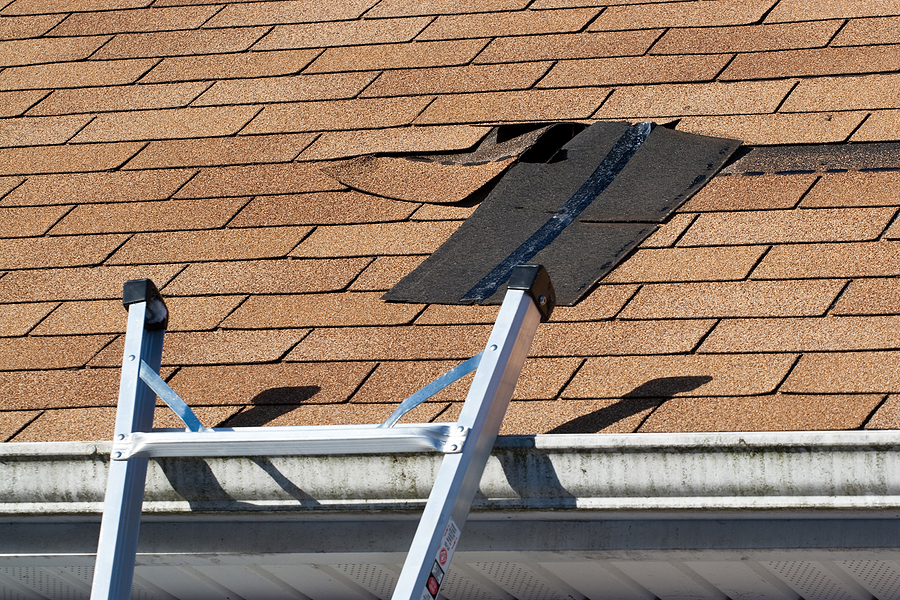
How Bats Squeeze Through Roof Gaps and Eaves
Bats can easily slip into your home by squeezing through tiny imperfections along your roofline, needing a gap of only 1/4 to 3/8 of an inch to gain access. Because many bat species have bodies no larger than a human thumb, any gap roughly the width of a No. 2 pencil or a dime is an open invitation. Rooflines are particularly vulnerable because they endure severe weather year-round. Over time, the fascia boards and roof sheathing can warp or pull apart.
These high, secluded areas provide the perfect landing pad for bats. Once they squeeze past your roof’s exterior defenses, they typically find themselves directly inside your attic or soffit space.
Regular wildlife control inspections of your roofline, especially paying attention to where different building materials meet, are essential for spotting these easily missed entryways.
Why Your Chimney is a Primary Target for Colonies
Your chimney is a primary target for bats because it provides a safe, dark, and highly textured environment that closely mimics their natural roosting habitats in hollow trees and caves. Brick and mortar offer an excellent gripping surface for bats to hang upside down. If your chimney lacks a properly fitted chimney cap, or if the metal flashing around the base of the chimney has deteriorated, bats will readily move in.
Once a maternity colony settles inside a chimney flue, the sounds of their vocalizations and the distinct smell of bat guano can quickly become noticeable inside the house. Because the flue connects directly to your living area, a simple open damper can result in a confused bat accidentally flying into your living room.
Installing a high-quality chimney cap is one of the most effective ways to prevent this specific type of intrusion.
Identifying Entry Points in Siding and Soffits
Warped, loose, or damaged siding and poorly sealed soffits create accessible, dark cavities that bats actively seek out for nesting and moving into your wall voids. Modern homes and older constructions alike are susceptible to siding issues. Vinyl siding can warp in extreme heat, while wood siding can rot or shrink. When these materials separate from the home’s protective wrap, they create a perfect, sheltered pocket for bats.
The gaps between your home’s siding and the chimney are incredibly common access points, according to our Indianapolis bat removal service operators. Because these gaps are usually located high off the ground, they often go unnoticed by homeowners until the bat colony has grown significantly. Sealing these areas requires precision and often requires caulk or specialized sealants that can withstand outdoor temperature changes.
The Role of Attic Vents and Louvers in Bat Infestations
Attic vents and louvered gable vents serve as an open, highly attractive doorway for local bat populations when they lack intact, heavy-duty screening. Your home needs proper ventilation to prevent moisture buildup and regulate temperature. Ridge vents, gable vents, and roof louvers are designed to let air flow freely. Unfortunately, the standard mesh used during construction frequently degrades, rusts, or gets pushed inward over the years.
When a tear develops in the screening, bats take advantage of the steady airflow, which signals a hollow, open space beyond. Because bats do not create their own holes, they will simply use these damaged vents as a convenient front door.
Inspecting the hardware cloth on all exterior vents and upgrading to sturdy, wildlife-proof mesh is a crucial step in keeping bats outside where they belong.
Checking for Cracks in Foundation and Brickwork
Substantial cracks in your foundation or deteriorating mortar between bricks can provide access for bats seeking shelter, especially as a building settles over time. While bats generally prefer elevated entry points to avoid predators, they are opportunistic creatures. If the mortar between your brickwork begins to crumble near the upper levels of your home, bats can easily tuck themselves into the resulting crevices.
Similarly, larger foundation cracks or gaps around ground-level basement windows can sometimes allow bats to enter lower areas of the home. Though less common than attic intrusions, these structural flaws still pose a risk.
Patching mortar and sealing foundation cracks not only keeps bats out but also protects your home from water damage and other pest infestations.
Frequently Asked Questions
How small of a hole can a bat actually fit through?
Bats have incredibly flexible bone structures. According to the Centers for Disease Control and Prevention (CDC), many common house bats can fit through openings as small as 1/4 of an inch. If you can slide a dime or a standard pencil into a crack, a bat can likely squeeze through it.
When is the best time of year to seal bat entry points?
The safest and most effective time to bat-proof your home is during the fall or winter. Attempting to exclude bats between May and August is highly discouraged. During these summer months, flightless baby bats are often nursing inside the roost. If you seal the entry points then, the adult mothers will be locked out, and the young will be trapped inside your home.
Are bats dangerous to have living in my house?
While bats are ecologically vital for insect control, living with them is a safety hazard. Bats are the most frequently reported animal with rabies in the United States. Additionally, their droppings (guano) can harbor a fungus that causes histoplasmosis, a serious respiratory infection. Limit your exposure to wild animals and always rely on safe exclusion methods.
What should I do if I find a bat in my living space?
Avoid touching the bat. If you know you were bitten or scratched, or if the bat was found in a room with a sleeping person, an unattended child, or a pet, do not release it outside. You should contact your local health department or animal control immediately to safely capture the bat for rabies testing.
Securing Your Home Against Unwanted Guests
A bat colony living inside your walls or attic is not just a nuisance; it is a serious property and health concern. Because these animals can slip through structural gaps no larger than a dime, effectively bat-proofing a house requires a meticulous, detail-oriented approach.
Understanding how bats utilize roof gaps, chimneys, vents, and siding to gain entry allows you to proactively inspect and maintain your home’s exterior. Taking the time to properly caulk openings, replace damaged screens, and install chimney caps will go a long way in ensuring your home remains a safe, comfortable environment for your family.
If you suspect you have an active bat infestation, handling the situation alone can be risky and difficult. Contact our Indianapolis bat removal specialists today. Our team of professionals in Indianapolis, Indiana, has the specialized equipment and expertise required to safely exclude bats from your property and secure your home for good.
Related Post: Are Bat Houses a Good Idea? A Guide for Indiana Homeowners